The Best Way To Plan A Road Trip With Multiple Stops – Step-by-Step Guide
Planning a road trip with multiple stops is easiest when you build a logical route, choose a realistic number of destinations, optimize driving time, and leave room for flexibility. By organizing stops, budgeting your expenses, selecting strategic overnight stays, and preparing for unexpected changes, you can create an itinerary that’s both efficient and enjoyable.
Planning a road trip with a whole bunch of stops sounds amazing: open highways, quirky small towns, indie diners, and scenic overlooks everywhere you go. But I know how quickly that excitement fizzles out the moment you look at all the pins on the map. What should be a fun adventure starts to feel like a complicated puzzle, with too many routes and no clue where to start.
Multistop road trips are worth it, though. You get total flexibility, the freedom to chase down hidden gems, and enough variety to keep things interesting. It’s the kind of travel where you can hit up a cool national park one day and get into the local food scene the next. But here’s where so many people run into trouble: they try to wing it, and by day two, everything feels rushed or random.
No matter your destination, some structure is your best friend. That’s why I put together this step-by-step guide so you can map out a road trip that’s organized without crushing your spontaneous spirit. Here’s the approach I stick to, so you can build a trip plan that actually works. Forget the stress.
I’ve planned road trips ranging from quick weekend escapes to multi-week adventures across Europe, and one lesson always stands out: the best trips aren’t the ones with the most stops, they’re the ones with the best balance. Over time, I’ve developed a simple planning process that keeps every trip organized while leaving plenty of room for unexpected discoveries.
TL;DR: How to Plan a Road Trip with Multiple Stops
Planning a road trip with multiple stops doesn’t have to be complicated. The key is to build a flexible itinerary that balances driving time with opportunities to explore.
Here’s the process in a nutshell:
Start with your route. Choose your starting point, final destination, and a few must-see stops.
Keep driving realistic. Aim for no more than 2-3 hours between major stops whenever possible.
Organize your itinerary. Group nearby attractions, plan overnight stays, and avoid unnecessary backtracking.
Build in flexibility. Leave time for spontaneous detours, local recommendations, and unexpected discoveries.
Plan ahead. Budget for fuel, accommodation, food, and attractions, and prepare for changing weather or road conditions.
Use the right tools. Navigation apps, trip planners, and offline maps can make planning much easier.
The best road trips aren’t the ones with the busiest schedules, they’re the ones with a well-planned route that leaves room for adventure.
How Do You Plan a Road Trip with Multiple Stops?
Planning a road trip with multiple stops is easiest when you follow a simple process:
- Choose your starting point and final destination.
- Pick your must-see attractions.
- Arrange your stops into the most efficient route.
- Limit daily driving time.
- Plan overnight stays.
- Leave room for spontaneous detours.
- Download offline maps and prepare backup plans.
This seven-step approach helps reduce unnecessary driving while giving you more time to enjoy each destination.
Join Road Voyagist
Subscribe to Road Voyagist and get updates on the latest posts, trip tips and more from Bella of Road Voyagist straight to your inbox.
Step 1: Build Your Core Route
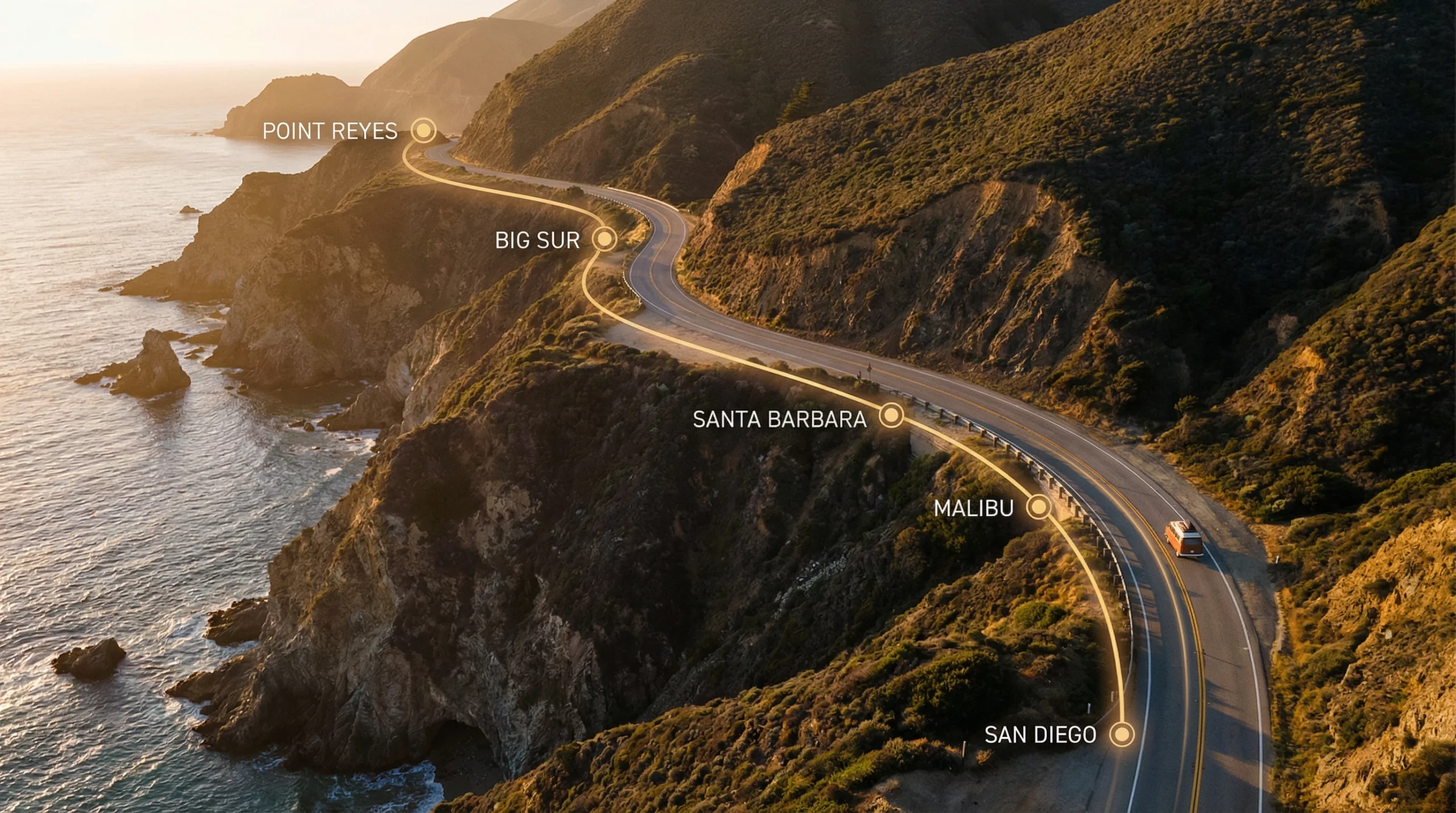
A successful multi-stop road trip starts with a clear route. Choose your starting point, final destination, and two to four must-see stops before adding smaller attractions. Building your itinerary around anchor destinations creates a logical route, reduces unnecessary driving, and makes the rest of your planning much easier.
First, decide what kind of vibe you want for your trip. Are you in it for wild scenery, food, city hopping, or a mix?
Decide What Kind of Road Trip You Want
- Scenic Routes – Focus on mountains, coastlines, or countryside.
- City Adventures – Hit up urban hotspots and local culture.
- National Parks – Center stops around hiking, nature, and outdoor fun.
- Food Missions – Plan routes so you can try all the must-eat spots along the way.
- Mixed Experience – Blend a bit of everything for a balanced trip.
Choose Your Anchor Stops
- Pick Your Starting City – Where’s day one?
- Choose a Final Goal – Your end point, like your hotel, a friend’s town, or a major landmark.
- Highlight 2–4 Major “Can’t Miss” Stops – These are the main reasons you’re making this trip.
Create a Visual Route
- I lean hard on Google Maps’ multistop tool for rough routing. Tools like Roadtrippers are pretty handy, too, if you want added features.
- Arrange stops to avoid backtracking. Keep most stops on the way, not way off the route.
Step 2: Pick a Realistic Number of Stops
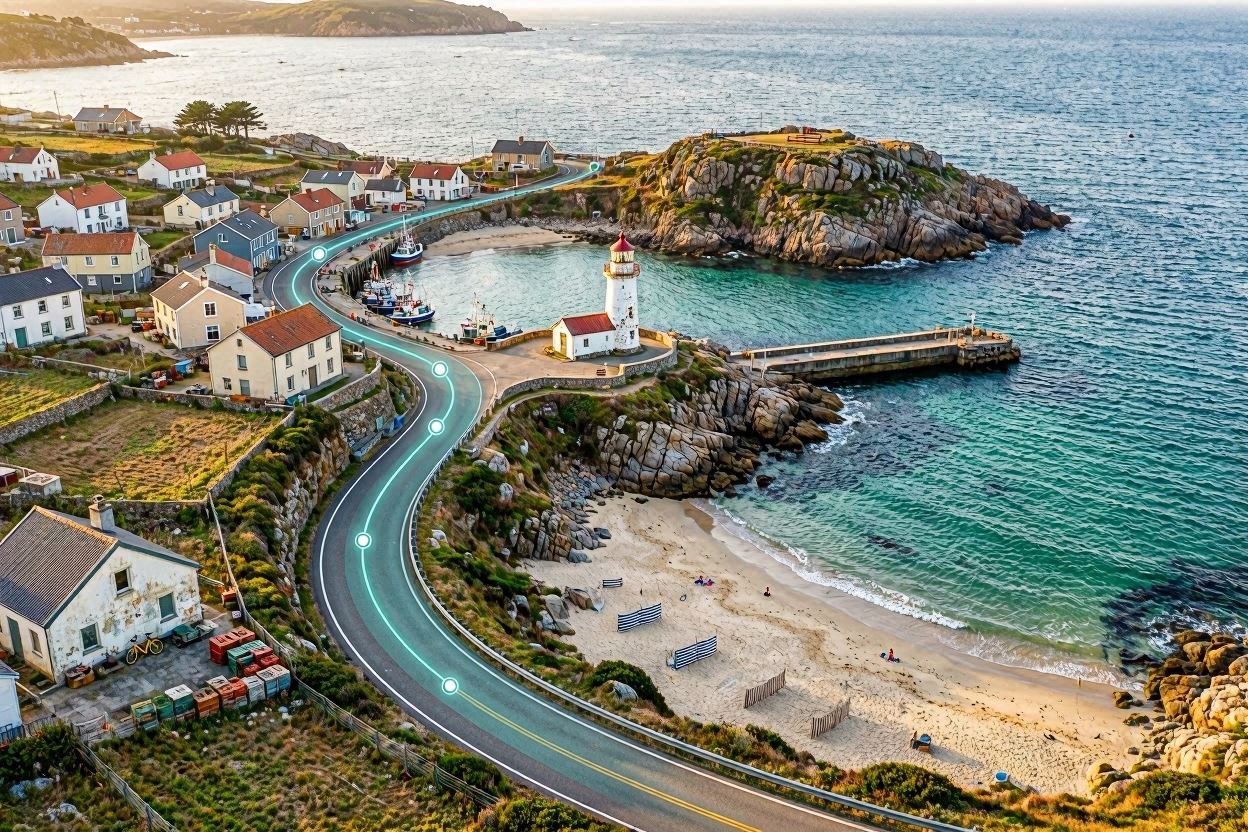
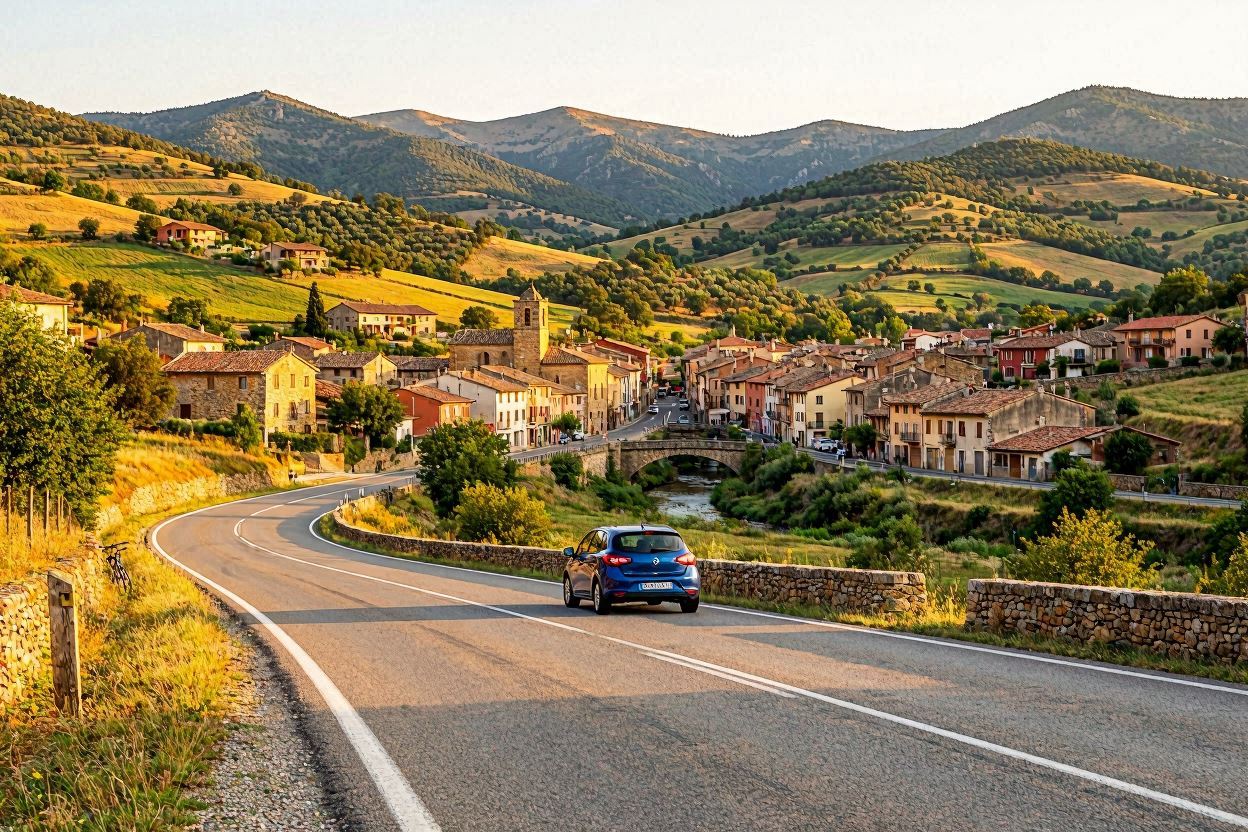
Limiting driving time and choosing a realistic number of daily stops creates a more enjoyable road trip. Aim for two to three hours between major destinations whenever possible and leave extra time for meals, sightseeing, and unexpected discoveries instead of filling every hour with activities.
It’s tempting to pack as much in as possible but be realistic with your time, especially if you want to actually enjoy each stop (or just not feel wiped out).
Follow the 2–3 Hour Driving Rule
- Try not to drive more than two or three hours between main stops. Anything longer starts feeling like a long haul, not a fun drive.
I’ve experimented with much longer driving days, and while they looked good on paper, they often left us too tired to enjoy the destination. Keeping driving segments around two to three hours has consistently made our trips more enjoyable.
Choose a Travel Pace That Fits Your Style
- Fast Pace – See more, but shorter time at each stop.
- Balanced – Time at key places, more relaxed pace.
- Slow Travel – Linger in fewer towns, experience deeper.
Build Buffer Time Into Every Day
- Bad weather, big traffic jams, or last-minute food detours can throw things off. I build in extra time so the day doesn’t get derailed if plans change.
Step 3: Organize Your Stops by Category
Organizing road trip stops into categories such as attractions, viewpoints, restaurants, accommodation, and fuel stations makes your itinerary easier to manage. Grouping similar stops together also helps balance each travel day and reduces unnecessary driving.
Once you’ve chosen your destinations, it’s time to organize them in a way that makes the trip easier to follow. Instead of looking at one long list of places, group similar stops together. This gives you a clearer picture of what each day looks like and helps you avoid forgetting important essentials like fuel or accommodation.
Group Similar Stops Together
I like to organize every stop into a few simple categories before finalizing my itinerary. It makes planning much easier and helps create a good balance between driving, sightseeing, and relaxing.
Here are the categories I typically use:
- Scenic viewpoints and photo stops – Waterfalls, mountain passes, overlooks, beaches, or any place worth pulling over for a few minutes.
- Main attractions – National parks, museums, historic sites, popular landmarks, or activities you’ve planned the trip around.
- Food and coffee stops – Local cafés, restaurants, bakeries, breweries, or that famous roadside diner you’ve been looking forward to trying.
- Fuel and essential services – Gas stations, EV charging stations, grocery stores, pharmacies, or supermarkets, especially important in remote areas where services can be far apart.
- Overnight accommodation – Hotels, motels, cabins, campgrounds, or vacation rentals where you’ll end each day’s drive.
Seeing your stops grouped this way makes it easier to spot gaps in your plan. For example, you might notice you’ve scheduled several attractions without leaving time for lunch, or that your next fuel stop is much farther away than expected.
Use Color Coding to Stay Organized
Once everything is categorized, I like to assign each type of stop a different color on my map. It’s a simple trick, but it makes the entire itinerary much easier to understand at a glance.
For example:
- 🟢 Scenic viewpoints
- 🔵 Attractions and activities
- 🟠 Restaurants and cafés
- ⛽ Fuel and charging stations
- 🟣 Overnight accommodation
Whether you’re using Google Maps, Roadtrippers, or another trip planner, color coding helps you quickly identify what’s coming up next without having to read every map pin. It’s especially useful on longer road trips with dozens of stops, where a visual overview makes route adjustments much easier.
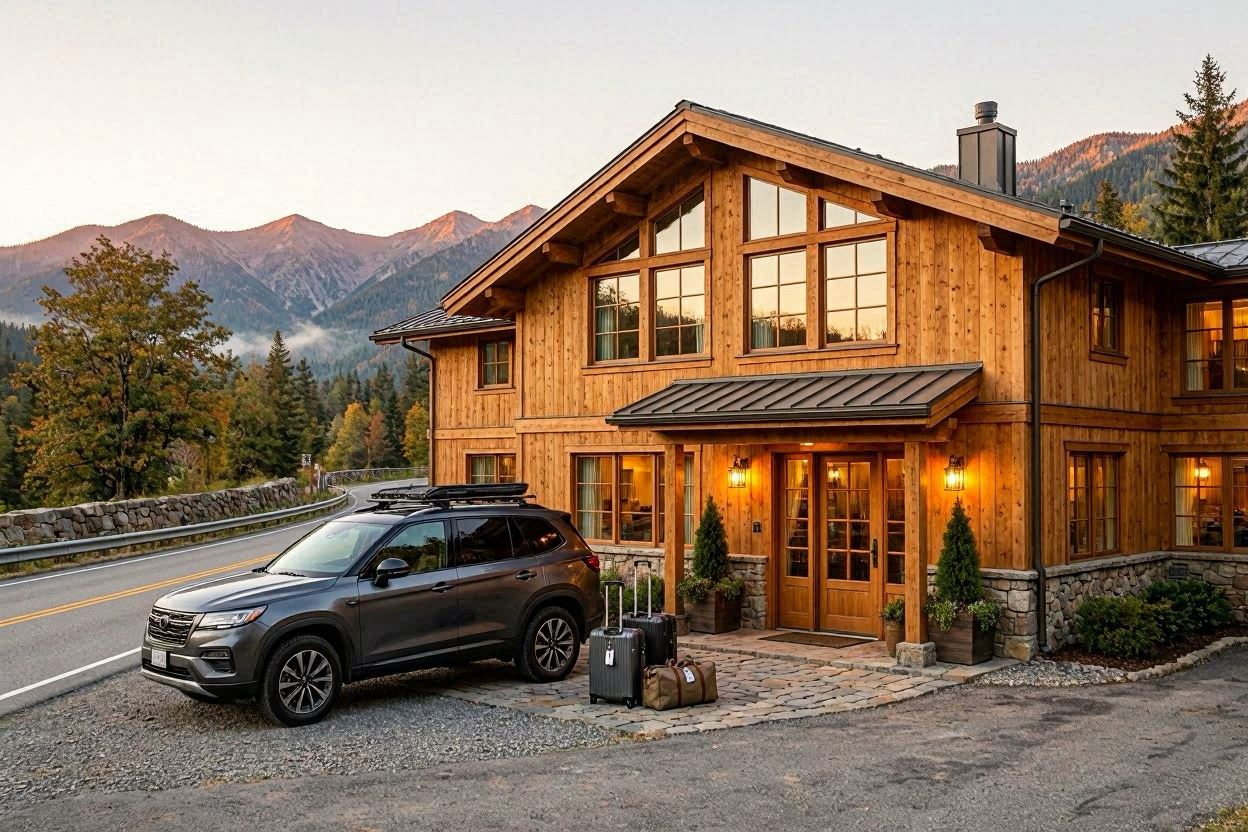
A few minutes spent organizing your stops now can save hours of confusion once you’re on the road, leaving you free to focus on enjoying the journey instead of constantly checking your itinerary.
How to Optimize Your Route
Optimizing your road trip route means reducing backtracking, grouping nearby attractions, planning fuel stops, checking opening hours, and estimating travel using driving time instead of distance. Small adjustments before departure can save hours on the road and create a more enjoyable journey.
A great road trip isn’t just about choosing amazing destinations, it’s about connecting them in the most efficient way. A little route optimization can save hours of unnecessary driving, reduce fuel costs, and give you more time to enjoy the places you’ve come to see.
Before you lock in your itinerary, spend a few minutes reviewing your route with these tips in mind.
Avoid Backtracking
One of the easiest ways to waste time on a road trip is by driving the same roads twice.
Whenever possible, arrange your stops in a logical sequence that keeps you moving forward instead of doubling back. A circular route or one-way journey often creates a smoother travel experience and lets you discover more places along the way.
If you notice your route repeatedly crosses the same area, it’s usually worth rearranging a few stops to eliminate unnecessary driving.
Group Nearby Attractions
Rather than visiting one attraction and then driving across the region to another, group attractions that are close together.
For example, if a scenic viewpoint, hiking trail, local café, and historic site are all within the same town or area, visit them on the same day before moving on to your next destination.
This reduces driving time, makes each day feel more relaxed, and allows you to spend more time exploring instead of navigating.
Consider Opening Hours
A perfectly planned route can quickly fall apart if your first stop doesn’t open until midday or your final attraction closes before you arrive.
Before finalizing your itinerary, check the opening hours for popular attractions, visitor centers, restaurants, and museums, especially if you’re traveling during the shoulder season or on public holidays.
Planning around opening times helps you avoid unnecessary waiting and makes the most of each day.
Plan Fuel Stops Ahead
Running low on fuel is never ideal, especially when traveling through rural areas, mountain roads, or national parks where services may be limited.
I like to identify fuel stations along the route before leaving each morning, particularly if I’m driving through remote regions. If you’re traveling in an electric vehicle, it’s equally important to plan charging stops and allow enough time for recharging.
Knowing where you’ll refuel means one less thing to think about while you’re enjoying the drive.
Watch for Seasonal Road Closures
Not every road is open year-round. Mountain passes, scenic highways, ferry crossings, and national park roads may close due to snow, maintenance, flooding, or other seasonal conditions.
Before your trip, and again a day or two before you arrive, check for any closures or travel advisories that could affect your route. A small adjustment made in advance is much easier than dealing with an unexpected detour once you’re already on the road.
Prioritize Driving Time Over Distance
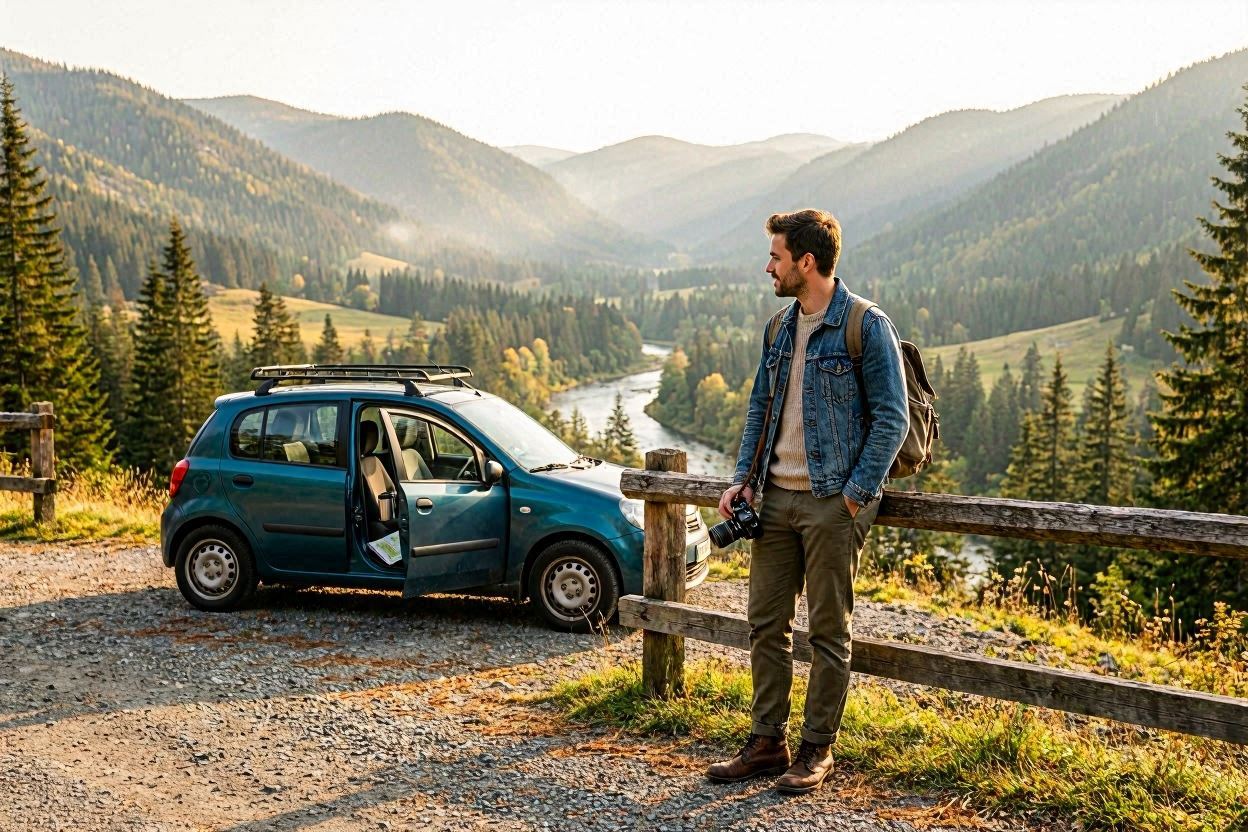
A route that’s only 100 kilometers (60 miles) long isn’t always a quick drive. Winding mountain roads, scenic coastal highways, traffic, and frequent photo stops can all add far more time than the distance suggests.
When planning your itinerary, base your schedule on estimated driving time rather than distance alone. Then add extra time for sightseeing, meals, fuel stops, and the occasional unplanned detour.
It’s always better to arrive with time to spare than to spend the entire day racing the clock.
A Smarter Route Means a Better Road Trip
Optimizing your route isn’t about finding the fastest way from A to B, it’s about creating a journey that feels enjoyable from start to finish.
By reducing unnecessary driving, grouping nearby attractions, planning around opening hours, and allowing realistic travel times, you’ll spend less time behind the wheel and more time experiencing the places that inspired the trip in the first place.
Step 4: Sequence Your Stops Efficiently
The order of your stops affects both travel time and enjoyment. Sequence nearby destinations together, alternate longer drives with shorter sightseeing days, and review the next day’s route each evening to reduce fatigue and make your itinerary easier to adapt.
This is where things go from “cool list” to “actual plan”. The way you line up your route can make or break your trip experience.
Optimize the Route Flow
- Cluster nearby stops together so you’re not zigzagging back and forth all day.
- Check road or route conditions ahead. Seasonal closures or construction are super important in rural or mountain areas.
Reduce Driver Fatigue
- Don’t plan several long drives with no breaks.
- Mix in short scenic stops to break up the time, especially on big travel days.
If you’re traveling with others, have a quick chat each night about what’s coming up. That helps everyone stay on the same page and makes changes easier if you want to mix things up.
It’s easy to underestimate how tiring a road trip can be. Even if you’re excited about the journey, spending hours behind the wheel day after day takes its toll. One of the biggest mistakes I see is planning routes that look reasonable on a map but leave little time to rest or enjoy the destinations.
When I’m planning a multi-stop road trip, I try to avoid scheduling several long driving days back-to-back. Instead, I mix shorter travel days with longer sightseeing days. For example, after a day with four or five hours of driving, I’ll often plan the next day around exploring a town, hiking in a national park, or simply taking it slow before getting back on the road.
Another trick is to build natural breaks into your route. Rather than driving straight through, look for scenic viewpoints, local cafés, short walking trails, or interesting roadside attractions every couple of hours. Even a 15-minute stop to stretch your legs and grab a coffee can help you stay refreshed and make the drive feel far less exhausting.
If you’re traveling with family or friends, consider sharing the driving whenever possible. Rotating drivers not only reduces fatigue but also gives everyone a chance to enjoy the scenery instead of always focusing on the road.
Remember, a successful road trip isn’t measured by how many miles you cover in a day. It’s about arriving at each destination feeling energized enough to enjoy it. Planning with driver fatigue in mind will make your entire journey safer, more comfortable, and much more enjoyable.
Review Tomorrow’s Route Each Evening
One habit that’s made every road trip smoother is spending five or ten minutes each evening reviewing the next day’s route. It doesn’t take long, but it helps you start the morning knowing exactly where you’re headed and what to expect.
Before calling it a night, I like to check a few things:
- Confirm the driving time and distance.
- Check the weather forecast.
- Look for any road closures, construction, or ferry schedules that could affect the route.
- Double-check opening hours for attractions or restaurants.
- Make sure I’ve downloaded offline maps if I’m heading into an area with limited mobile coverage.
If you’re traveling with family or friends, it’s also a good time to make sure everyone’s on the same page. Maybe someone wants to spend more time at a scenic viewpoint, skip a planned stop, or leave earlier to beat traffic. Making those decisions the night before is much easier than figuring them out in the morning.
I also use this quick review to identify a couple of optional stops along the route. That way, if we’re making good time, we can add a scenic overlook, local café, or short walk without throwing off the rest of the day.
A few minutes of planning each evening can prevent unnecessary detours, reduce stress, and make every travel day feel much more relaxed.
Step 5: Choose Overnight Stops Carefully
Selecting accommodation close to your next day’s route saves time, reduces morning traffic, and creates a smoother road trip. Flexible bookings, safe locations, and a mix of hotels, cabins, motels, or vacation rentals also improve the overall travel experience.
Where you spend the night can have a bigger impact on your road trip than most people realize. A well-chosen overnight stop helps you recharge, reduces unnecessary driving, and sets you up for a smoother day ahead. Rather than simply booking the cheapest room available, think about how each stay fits into your overall route.
Book Flexible Accommodation
Road trips rarely go exactly as planned. You might discover a town you want to explore for another day, run into unexpected road closures, or simply decide to cover more ground than you originally planned.
Whenever possible, I book accommodation with free cancellation or flexible booking policies. Having that flexibility means you’re not locked into a schedule if your plans change. Even if you never need to modify a reservation, it’s reassuring to know you have the option.
During peak travel seasons, it’s still worth booking popular destinations in advance, but choosing flexible rates can give you the best of both worlds: a guaranteed place to stay and the freedom to adjust your itinerary if needed.
Stay Close to Tomorrow’s Route
When choosing where to stay, I always think about the next morning instead of just the current day.
For example, staying on the edge of town near the road you’ll be taking the next day can save time, avoid rush-hour traffic, and make for a much more relaxed start. It also means you spend less time navigating busy city streets and more time enjoying the drive.
If your next destination is a national park, scenic highway, or mountain pass, consider staying as close to it as possible. Getting an early start often means lighter traffic, better parking, and quieter viewpoints.
Balance Budget, Convenience, and Safety
Price is important, but it shouldn’t be the only factor when choosing accommodation.
A room that’s slightly more expensive but includes secure parking, breakfast, or a convenient location can easily save both time and money over the course of your trip.
Before booking, I usually check:
- Guest reviews and overall ratings.
- Parking availability and any additional fees.
- Walking distance to restaurants or grocery stores.
- The surrounding neighborhood, especially if I’m arriving after dark.
- Check-in and check-out times.
A few extra minutes of research can help you avoid unpleasant surprises and make each overnight stop far more enjoyable.
Mix Different Types of Accommodation
One of the best parts of a road trip is experiencing different places, and your accommodation can be part of that adventure too.
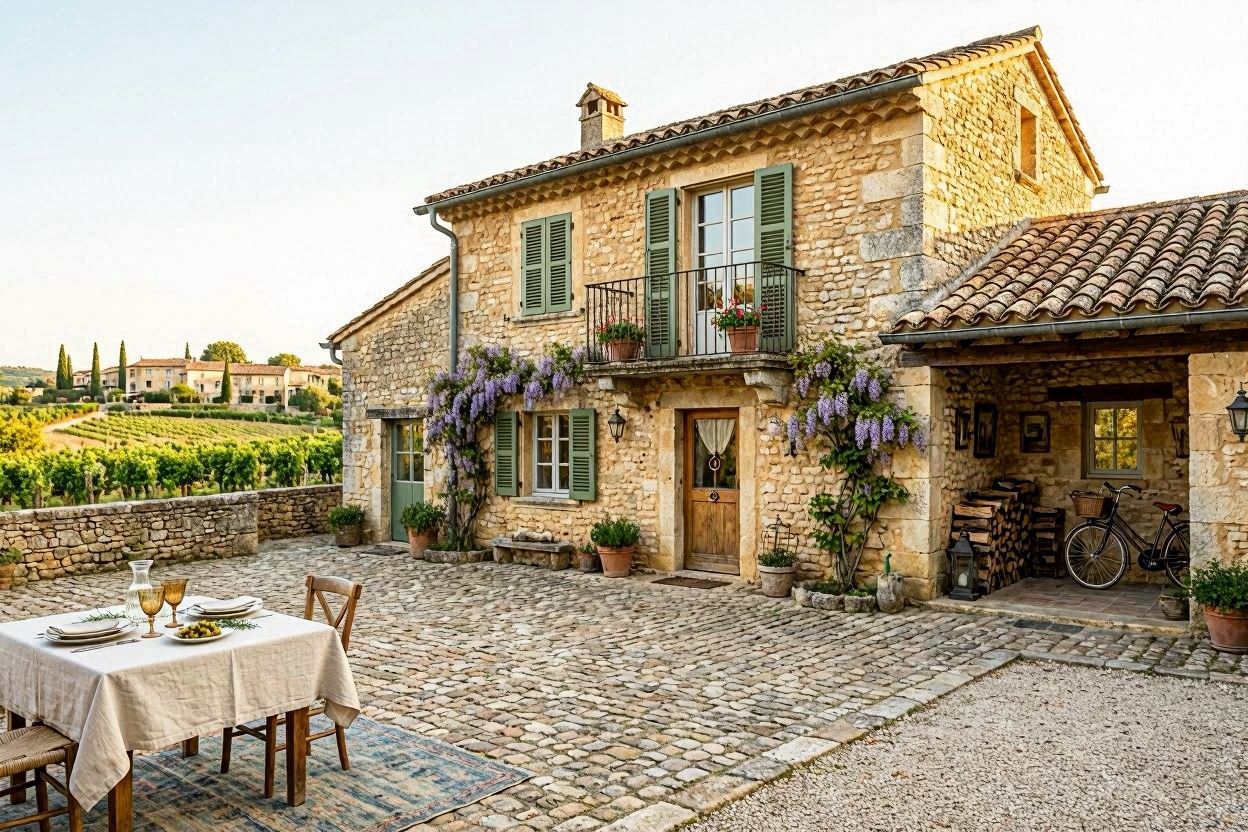
Rather than staying in the same type of place every night, consider mixing things up throughout your journey.
- Hotels are a great choice in larger cities, offering comfort, reliable amenities, and easy access to restaurants and attractions.
- Motels are often ideal for road trips because they’re designed for travelers, usually offer convenient parking, and make it easy to get back on the road the next morning.
- Cabins are perfect for national parks, mountain regions, or lakeside destinations where you want to enjoy nature and unwind after a day of exploring.
- Vacation rentals can provide extra space, kitchen facilities, and a more local experience, especially if you’re traveling with family or staying in one place for several nights.
Mixing accommodation styles keeps the trip interesting and lets you experience each destination in a different way. Sometimes the place you stay becomes just as memorable as the attractions you visit.
How To Create a Simple Road Trip Budget
Creating a simple road trip budget helps prevent unexpected expenses from affecting your journey. Estimate fuel, accommodation, food, attractions, parking, toll roads, and include an emergency fund so you can travel with greater confidence and flexibility.
A road trip budget doesn’t have to be complicated, but having one can make the difference between a relaxing adventure and constantly worrying about money. Even a rough estimate helps you understand what the trip is likely to cost and leaves room for the unexpected.
I usually break my budget into a few simple categories before I start booking anything.
Fuel
Fuel is often one of the biggest expenses on a road trip. Estimate the total driving distance, check your vehicle’s average fuel consumption, and use current fuel prices to calculate a realistic estimate.
Remember to include extra driving for scenic detours, exploring towns, or taking the occasional wrong turn, those miles add up.
Accommodation
Whether you’re staying in hotels, cabins, motels, campgrounds, or vacation rentals, accommodation will likely make up a significant part of your budget.
Booking early can often secure better prices, but I also weigh the value of flexible cancellation policies if my itinerary isn’t completely fixed.
Food and Drinks
It’s easy to underestimate food costs, especially on longer trips.
I like to mix restaurant meals with supermarket stops and the occasional picnic. Packing snacks, reusable water bottles, and breakfast supplies can also help reduce daily expenses without taking away from the experience.
Parking and Toll Roads
Parking fees and toll roads are easy to overlook when planning, but they can add up quickly, particularly in cities or on major highways.
Check your planned route in advance to see if you’ll encounter toll roads or paid parking, and include them in your budget from the start.
Attractions and Activities
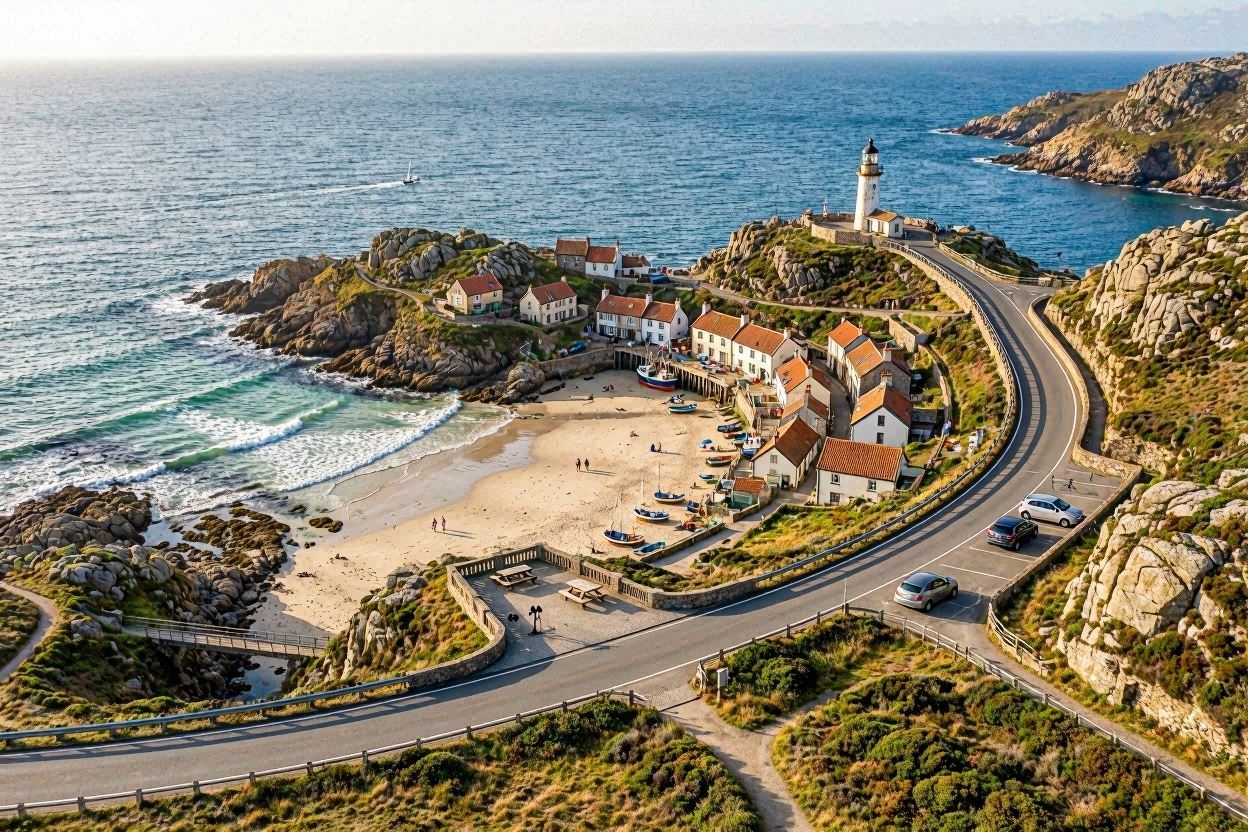
Some experiences, such as national park entrance fees, museums, guided tours, or boat trips, may need to be booked in advance.
Make a list of your must-see attractions and estimate their costs so there are no surprises once you’re on the road.
Build an Emergency Fund
No matter how carefully you plan, unexpected expenses can happen.
A flat tyre, vehicle repair, extra night in a hotel due to bad weather, or last-minute change of plans can all affect your budget.
I always set aside a small emergency fund that I hope I never need to use. Knowing it’s there makes it much easier to enjoy the trip without stressing about every unexpected expense.
A Simple Budget Leads to a More Relaxed Trip
Your budget doesn’t need to be perfect, it just needs to be realistic. Planning for your major expenses before you leave helps you make informed decisions, avoid unnecessary surprises, and spend less time worrying about money once you’re on the road.
After all, the goal isn’t to spend as little as possible. It’s to spend confidently, knowing you’ve planned ahead for the adventure.
Step 6: Create Flexible Daily Itineraries
The best road trip itineraries combine structure with flexibility. Planning a simple daily rhythm, morning driving, midday exploring, afternoon sightseeing, and evening relaxation, helps you stay organized while leaving room for spontaneous discoveries.
A well-planned road trip doesn’t mean scheduling every minute of the day. In fact, the best itineraries leave room for the unexpected. Having a simple structure helps you stay organized without making the journey feel rushed or overly planned.
Follow a Simple Daily Structure
When planning each day, I like to use a loose framework instead of a strict timetable. It keeps the day moving naturally while allowing enough flexibility to adjust if plans change.
A typical day might look something like this:
Morning – Hit the Road Early
Start the day with breakfast, grab a coffee, and begin driving before traffic builds up. Morning is also a great time to visit popular viewpoints or attractions before they become crowded.
Midday – Explore and Take a Break
Plan to arrive at a town, national park, or major attraction around lunchtime. This is a good opportunity to stretch your legs, enjoy a local restaurant, and spend a few hours exploring instead of sitting behind the wheel.
Afternoon – Enjoy the Journey
Use the afternoon for scenic drives, short hikes, roadside attractions, or photo stops. If you’ve built enough flexibility into your schedule, this is also the perfect time to follow a recommendation from a local or make an unplanned detour.
Evening – Settle In and Recharge
Aim to arrive at your overnight accommodation before dark whenever possible. You’ll have time to check in, relax, enjoy dinner, and review the next day’s route without feeling rushed.
This kind of structure creates a comfortable rhythm without forcing you to watch the clock all day.
Leave Space for Unexpected Discoveries
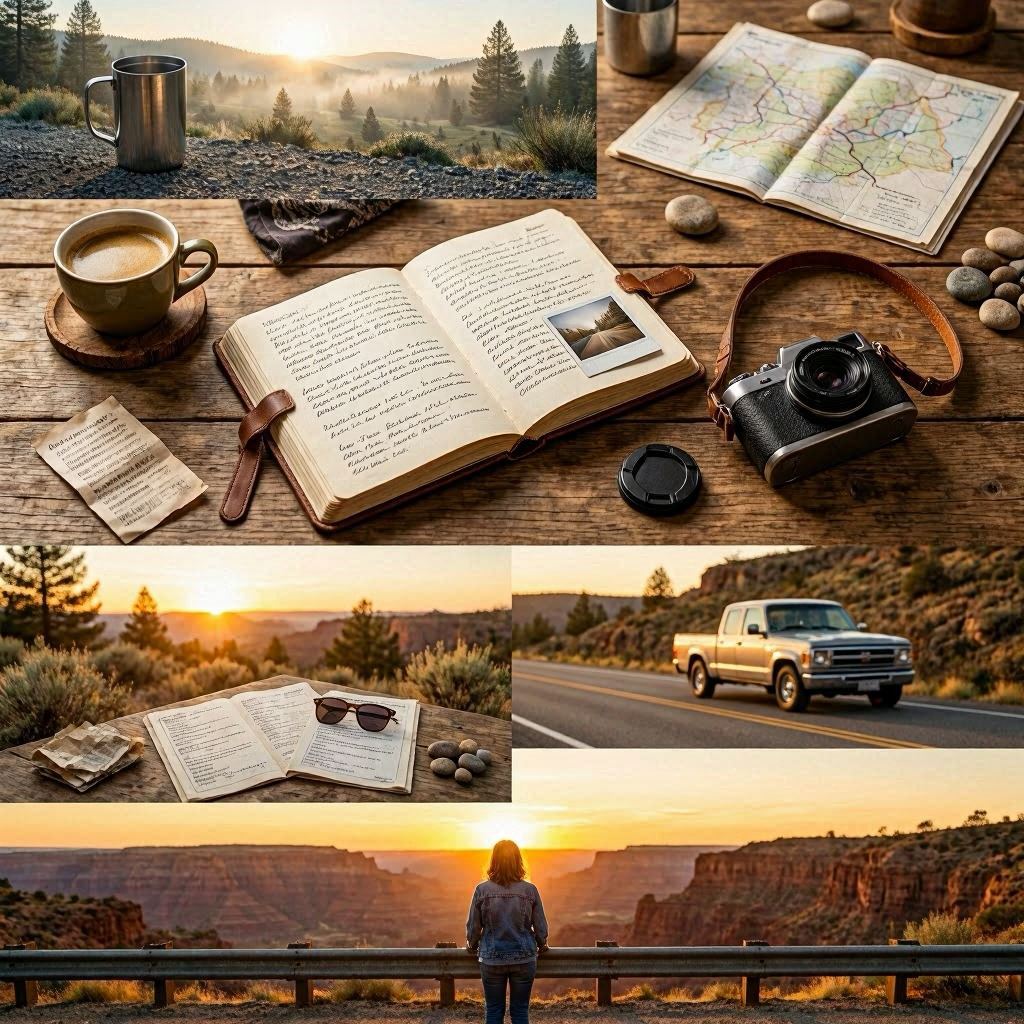
Some of the best road trip memories aren’t planned, they happen when you decide to pull over at a scenic overlook, wander through a small town you’ve never heard of, or follow a sign pointing to a hidden waterfall or local market.
That’s why I avoid filling every hour of the itinerary. I usually leave a couple of hours open each afternoon so there’s room for spontaneous stops without worrying about arriving late or skipping something important later in the day.
Not every unexpected stop will become a highlight, and that’s perfectly okay. The goal isn’t to see everything, it’s to give yourself the freedom to enjoy the moments that make road trips unique.
By building flexibility into your daily itinerary, you’ll spend less time stressing over the schedule and more time experiencing the journey as it unfolds.
Step 7: Prepare for Unexpected Situations
Preparing for unexpected situations makes road trips less stressful. Download offline maps, identify backup stops, monitor weather and road closures, and carry a small emergency kit so you can confidently adapt when plans change.
Even the best-planned road trips come with surprises. A sudden storm, a closed road, a missed turn, or a fully booked restaurant can quickly change your plans. The good news is that a little preparation makes these situations much easier to handle.
Instead of trying to plan for every possible scenario, focus on having a few simple backups in place. That way, unexpected changes become minor detours instead of major headaches.
Download Offline Maps
One lesson I’ve learned is to never assume you’ll always have a reliable mobile signal. Remote mountain roads, national parks, and rural areas can have little or no coverage, leaving you without navigation when you need it most.
Before leaving each morning, download offline maps for the areas you’ll be driving through. Most navigation apps allow you to save maps directly to your phone, making it easy to continue navigating even without an internet connection.
Losing mobile signal in remote mountain areas taught me to never rely entirely on an internet connection. Downloading maps beforehand has saved me more than once.
It’s also worth saving the addresses of your accommodation, key attractions, and fuel stops so you can find them quickly if your connection drops.
Plan Backup Stops
Not every planned stop will work out exactly as expected. A restaurant might be closed, a scenic viewpoint could be crowded, or an attraction may require more time than you planned.
Whenever I build an itinerary, I like to keep a short list of backup options nearby. These might include:
- Another local café or restaurant.
- An alternative scenic viewpoint.
- A nearby walking trail.
- A museum or visitor center.
- A second fuel station, especially in remote areas.
Having a few alternatives means you can easily adjust your plans without wasting time searching for options while you’re already on the road.
Prepare for Weather and Road Closures
Weather can completely change a day’s plans, especially if your route includes mountain passes, coastal roads, or national parks.
Before setting off each morning, take a few minutes to check the weather forecast and look for road closures, construction work, or temporary restrictions along your route. This simple habit can save hours of delays and help you avoid unnecessary detours.
If severe weather is expected, don’t be afraid to adjust your itinerary. Sometimes swapping two days around or taking a different scenic route results in an even better experience.
A flexible itinerary isn’t a sign that your planning failed, it’s proof that your planning worked.
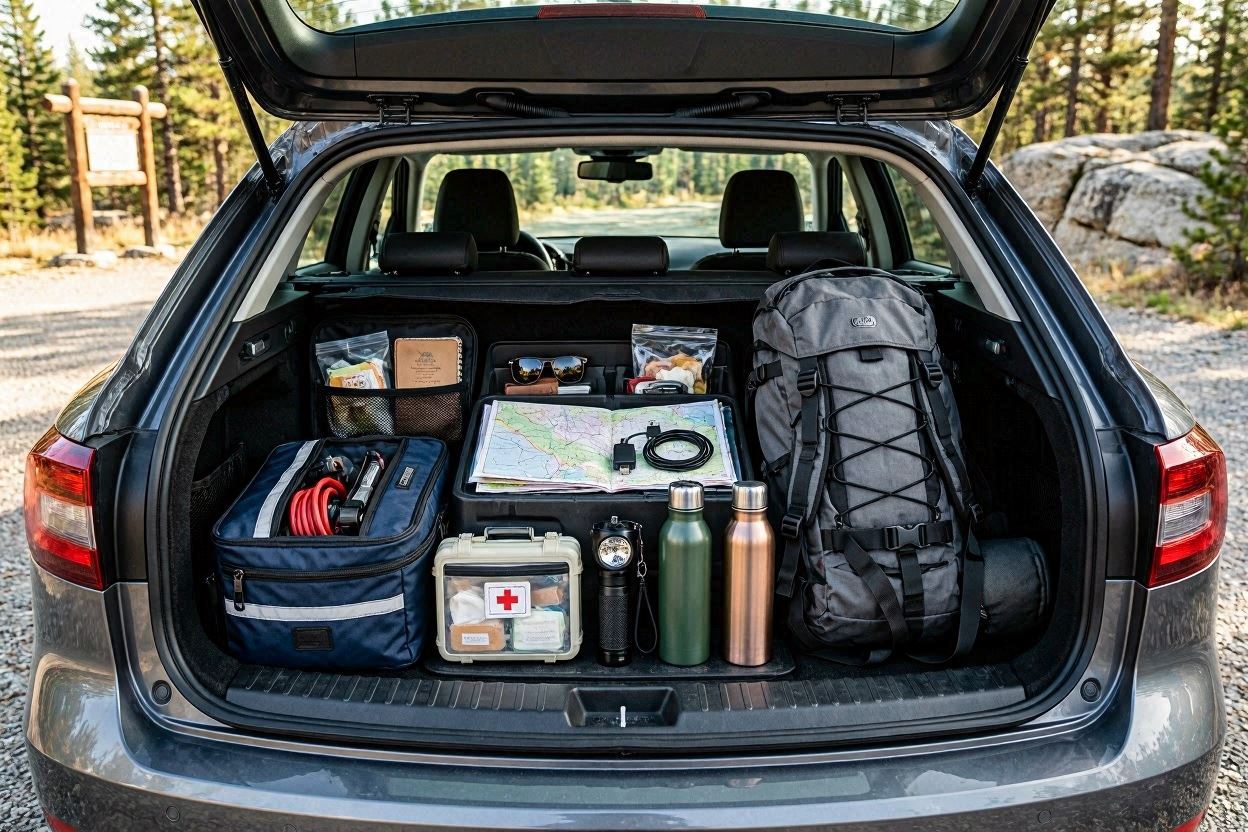
Pack a Small Emergency Kit
You don’t need to pack for every possible emergency, but carrying a few basic essentials can make a big difference if something unexpected happens.
My road trip emergency kit usually includes:
- A basic first aid kit.
- Phone charging cables and a power bank.
- A flashlight.
- Bottled water and a few non-perishable snacks.
- A paper road atlas or printed directions.
- A tyre pressure gauge and portable air compressor.
- Jumper cables or a jump starter.
- A reflective safety vest and warning triangle where required.
- Basic medications and any personal prescriptions.
Hopefully, you’ll never need most of these items. But having them tucked away in the car provides peace of mind, especially on longer journeys or when traveling through remote areas.
A little preparation doesn’t take away from the adventure, it gives you the confidence to enjoy it, knowing you’re ready for whatever the road brings.
Common Road Trip Planning Mistakes
Common road trip planning mistakes include scheduling too many stops, underestimating driving fatigue, ignoring seasonal closures, overbooking activities, and planning by distance instead of travel time. Avoiding these mistakes leads to a safer and more enjoyable journey.
Even the best road trip plans can run into problems, and often it’s because of a few common planning mistakes. The good news is that most of them are easy to avoid with a little preparation. Here are the pitfalls I see most often and how you can steer clear of them.
Trying to Fit Too Much Into One Day
When planning a road trip, it’s tempting to squeeze in as many attractions as possible. On paper, visiting four towns, two viewpoints, and a national park in a single day might seem achievable. In reality, it often leads to rushed visits, constant clock-watching, and spending more time in the car than enjoying the places you’ve come to see.
Instead, focus on a few meaningful stops each day. Give yourself enough time to explore, enjoy a leisurely meal, or simply relax before continuing your journey. You’ll remember the experiences far more than the number of places you managed to tick off your list.
Ignoring Driver Fatigue
Long hours behind the wheel can quickly drain your energy, even on scenic routes. Fatigue doesn’t just make driving less enjoyable, it also affects concentration and reaction times.
Try to limit your daily driving, take regular breaks, and alternate longer driving days with lighter sightseeing days whenever possible. If you’re traveling with another licensed driver, sharing the driving responsibilities can make the journey much more comfortable for everyone.
A road trip should leave you excited to explore each destination, not exhausted before you’ve even arrived.
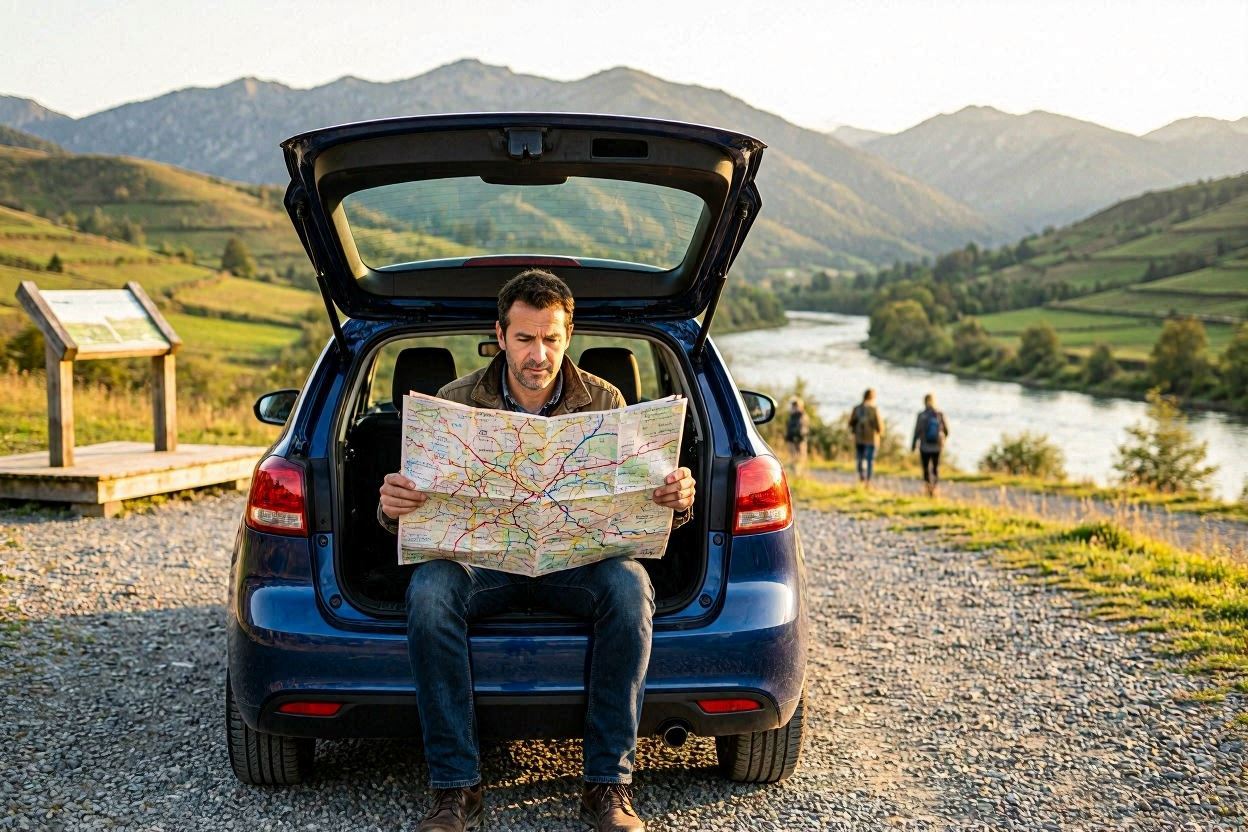
Forgetting Seasonal Closures
Not every road, attraction, or hiking trail is open year-round. Mountain passes, scenic drives, ferry routes, and even visitor centers may close due to snow, maintenance, or seasonal operating hours.
Before finalizing your itinerary, check whether your planned stops will actually be accessible during your travel dates. It’s also worth checking again a day or two before you arrive, as weather conditions and temporary closures can change unexpectedly.
A few minutes of research can save you hours of unnecessary driving and disappointment.
Booking Every Minute of the Trip
One of the biggest advantages of a road trip is the freedom to change your plans along the way. Filling every hour with reservations, timed attractions, and fixed schedules leaves little room for spontaneous discoveries.
Some of the best memories come from unexpected moments, a scenic overlook you hadn’t planned to visit, a recommendation from a local, or a charming village you decide to explore on a whim.
Leave a few open windows in your itinerary each day. You’ll still have a well-organized trip, but with the flexibility to embrace opportunities you didn’t see coming.
Planning by Distance Instead of Driving Time
A route that looks short on the map isn’t always a quick drive. Mountain roads, coastal highways, winding scenic routes, and busy urban areas can take much longer than the distance suggests.
Instead of focusing on kilometers or miles alone, always estimate your travel days using driving time. Navigation apps can provide a good starting point, but remember they don’t account for scenic stops, traffic, roadworks, or the inevitable coffee break.
When in doubt, plan for less driving and more exploring. You’ll arrive at each destination feeling refreshed and have far more time to enjoy the journey itself.
Sample 5-Day Multi-Stop Road Trip Itinerary
A balanced five-day road trip combines moderate driving days with time for sightseeing and relaxation. Prioritizing one major destination each day while leaving room for scenic detours creates a flexible itinerary that’s easy to enjoy.
Every road trip is different, but this sample itinerary shows how you can combine efficient driving with enough time to enjoy each destination. Notice how the driving is balanced throughout the trip instead of packing every day with long hours on the road.
Day 1: Ease Into the Journey
Start from your departure city and aim for a relatively short driving day. Stop at a scenic viewpoint or local attraction along the way before spending the night in a small town.
Keeping the first day relaxed gives you time to settle into the trip, adjust to driving, and avoid feeling rushed from the very beginning.
Day 2: Make Your Main Destination the Priority
Plan today around one major attraction, such as a national park, historic city, or famous scenic drive.
Instead of trying to visit multiple places, spend several hours exploring your main destination before continuing to nearby accommodation for the night.
This slower pace often creates the most memorable experiences.
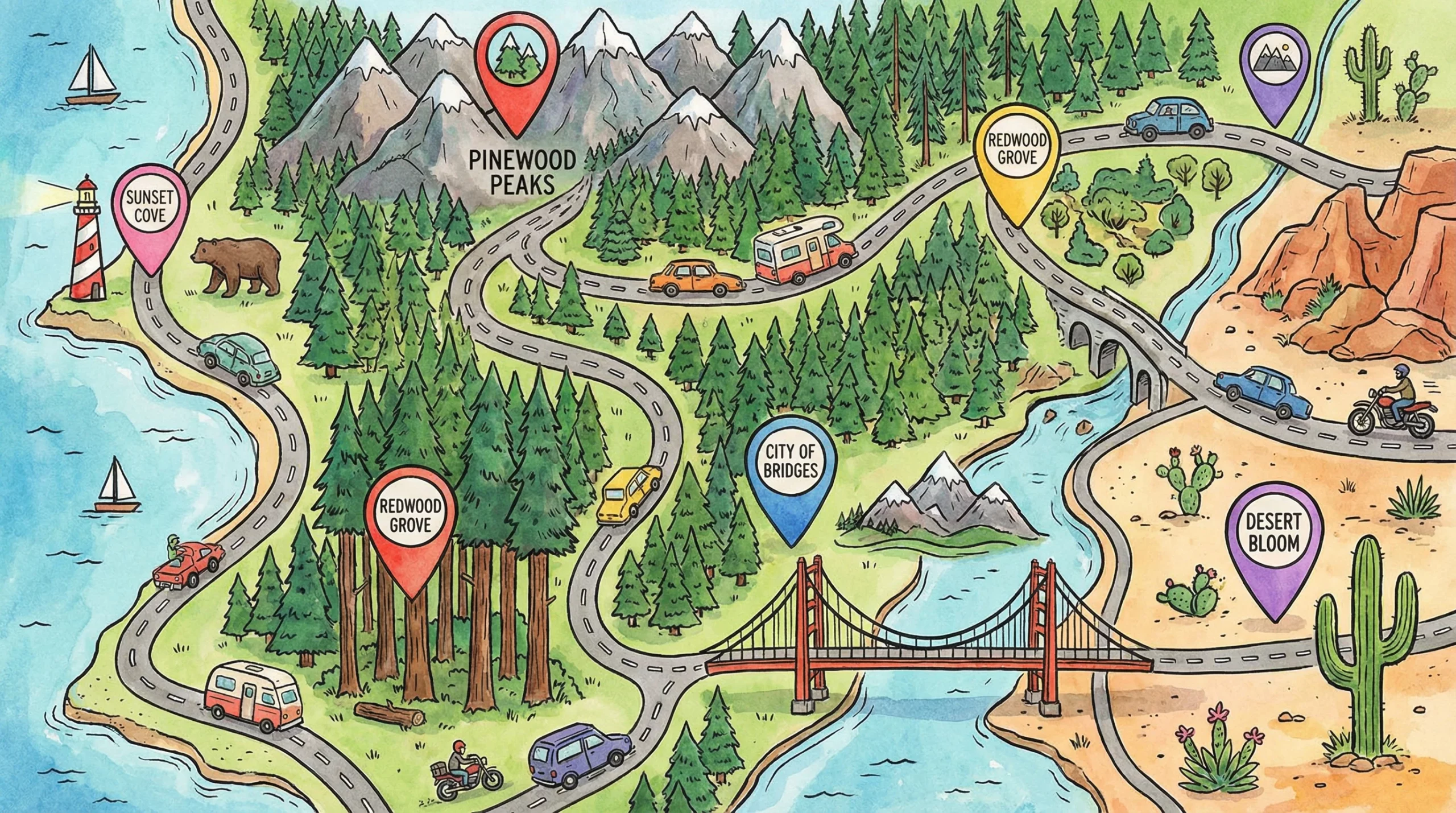
Day 3: Enjoy the Journey Between Destinations
Today is a great opportunity for a scenic driving route. Rather than focusing solely on reaching the next overnight stop, plan several smaller stops along the way.
Visit a lighthouse, explore a charming village, stop at local cafés, or pull over at scenic viewpoints whenever something catches your eye.
Road trips are just as much about the journey as the destination.
Day 4: Keep Driving Time Short
After several days on the road, avoid another long driving day. Instead, choose one or two meaningful activities such as a mountain hike, a boat tour, or exploring a nearby town.
Arriving at your accommodation earlier in the evening gives you time to relax and recharge before the final day.
Day 5: Finish Without Feeling Rushed
On your final day, keep the schedule simple. Enjoy breakfast, make one final scenic stop if time allows, and head towards your final destination with plenty of time to spare.
Leaving a relaxed final day also provides flexibility if unexpected delays occur earlier in the trip.
Why This Itinerary Works
This example follows the same planning principles covered throughout this guide:
- Driving days are balanced instead of overwhelming.
- Major attractions have enough time to be fully enjoyed.
- Overnight stops support the following day’s route.
- The itinerary leaves room for spontaneous discoveries and unexpected detours.
- Every day combines driving with time to explore, creating a more enjoyable road trip overall.
Use this itinerary as a template rather than a strict schedule. Whether you’re exploring national parks, coastal highways, mountain passes, or vibrant cities, the same planning approach can be adapted to almost any road trip.
Want more ideas? Try swapping out a day for a popular local festival, a quirky roadside attraction, or some kayaking or biking if you like outdoor stuff. Switching it up keeps the adventure fresh.
Your Plan Will Change And That’s Okay
Every road trip changes once you’re on the road. Weather, local recommendations, and unexpected discoveries often lead to itinerary adjustments. Good planning doesn’t eliminate spontaneity, it creates the flexibility to embrace it without disrupting your trip.
If there’s one thing every experienced road tripper learns, it’s that no trip goes exactly as planned, and that’s part of the adventure.
You might discover a charming village that deserves an extra afternoon. A local recommends a scenic detour you hadn’t considered. Bad weather forces you to skip a mountain pass, or you find a hidden beach that wasn’t on your itinerary but becomes the highlight of the entire trip.
Those moments aren’t planning failures, they’re often the memories you’ll talk about long after you get home.
Stay Flexible Without Losing Your Direction
The purpose of planning isn’t to follow a rigid schedule. It’s to give yourself a framework that makes adapting easier.
When you know where you’re staying, how long the drive should take, and what your priorities are, changing one part of the itinerary doesn’t throw the entire trip into chaos.
Maybe you decide to:
- Spend an extra night in a town you unexpectedly fall in love with.
- Skip an attraction because the weather isn’t cooperating.
- Take a scenic detour recommended by a local.
- Swap two travel days to avoid heavy rain or road closures.
A flexible plan lets you make these decisions with confidence because you’ve already thought through the bigger picture.
The Best Road Trips Leave Room for Surprises
Some of my favorite road trip memories weren’t planned at all. They’ve come from taking an unmarked scenic road, stopping at a family-run café we happened to drive past, or spending an extra evening somewhere simply because we weren’t ready to leave.
Those experiences happened because the itinerary had enough flexibility to allow them.
Plan your route. Reserve your accommodation. Budget your expenses. Prepare your vehicle.
Then, once you’re on the road, give yourself permission to deviate from the plan when something better comes along.
After all, a road trip isn’t about sticking to a schedule, it’s about discovering places, meeting people, and enjoying the journey in between.
The best plans aren’t the ones that never change. They’re the ones that make changing plans easy.
Best Road Trip Planning Tools
Using several planning tools together produces better road trips. Google Maps is ideal for navigation, Roadtrippers helps discover attractions, AllTrails supports outdoor adventures, and fuel apps simplify budgeting during longer journeys.
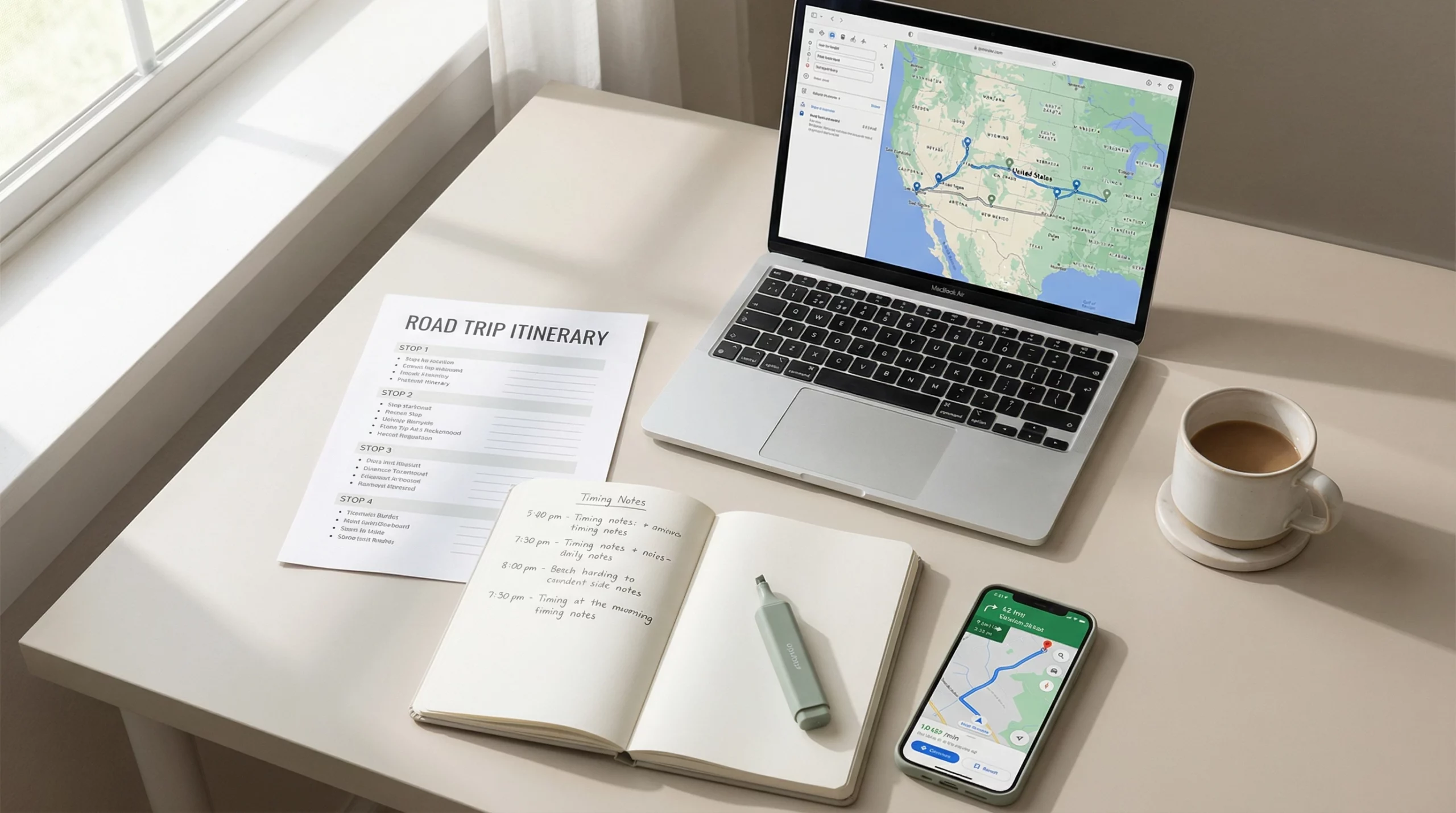
Planning a multi-stop road trip is much easier when you use the right tools. While no single app does everything perfectly, combining a few of them can save time, simplify route planning, and help you discover places you might otherwise miss.
Here are the tools I find most useful when planning a road trip.
RoadVoyagist
If you’re looking for inspiration before you even start planning your route, RoadVoyagist is a great place to begin. You can discover scenic drives, hidden gems, and road trip ideas based on your interests, then use those ideas to build your own itinerary.
It’s particularly useful when you’re still deciding where to go or want inspiration beyond the most popular tourist attractions.
Google Maps
Google Maps is my starting point for almost every road trip. It’s excellent for estimating driving times, creating multi-stop routes, and checking live traffic conditions.
I also use it to save interesting places, create custom lists, and download offline maps before traveling through areas with limited mobile coverage.
One limitation is that very long itineraries with lots of stops can become difficult to manage, so for larger trips it’s often helpful to combine Google Maps with a dedicated road trip planner.
Roadtrippers
Roadtrippers is designed specifically for road travel and does a great job of highlighting scenic attractions, quirky roadside stops, local restaurants, and unique places you might otherwise drive straight past.
If your goal is discovering hidden gems rather than simply getting from A to B, it’s one of the best tools available.
AllTrails
If your itinerary includes national parks, hiking trails, or outdoor adventures, AllTrails is an excellent companion.
It provides detailed trail information, difficulty ratings, recent trail conditions, and reviews from other hikers, helping you choose routes that match your available time and experience level.
GasBuddy
Fuel is often one of the biggest expenses on a road trip, especially over longer distances. GasBuddy helps you compare fuel prices nearby, making it easier to fill up at more affordable stations along your route.
It’s particularly useful on cross-country journeys where fuel prices can vary significantly between towns or regions.
Weather Apps
Checking weather every morning helps avoid storms, road closures, or poor driving conditions.
Don’t Rely on Just One Tool
Over the years, I’ve found that the best planning comes from using several tools together rather than expecting one app to do everything.
For example, I might use RoadVoyagist to discover destinations, Google Maps to build the route, Roadtrippers to find interesting roadside attractions, AllTrails for hikes, and GasBuddy to keep fuel costs under control.
Each tool solves a different part of the planning process, and together they make organizing a multi-stop road trip much easier.
Planning Gives You More Freedom, Not Less
Having a structure to your road trip isn’t about boxing you in. It’s about giving you the flexibility to make spontaneous stops or detours, knowing you’re still on track. The smoother your plan, the easier it is to relax and actually enjoy yourself.
If you liked this approach, consider saving, sharing, or bookmarking for your next adventure. I promise it’ll pay off!
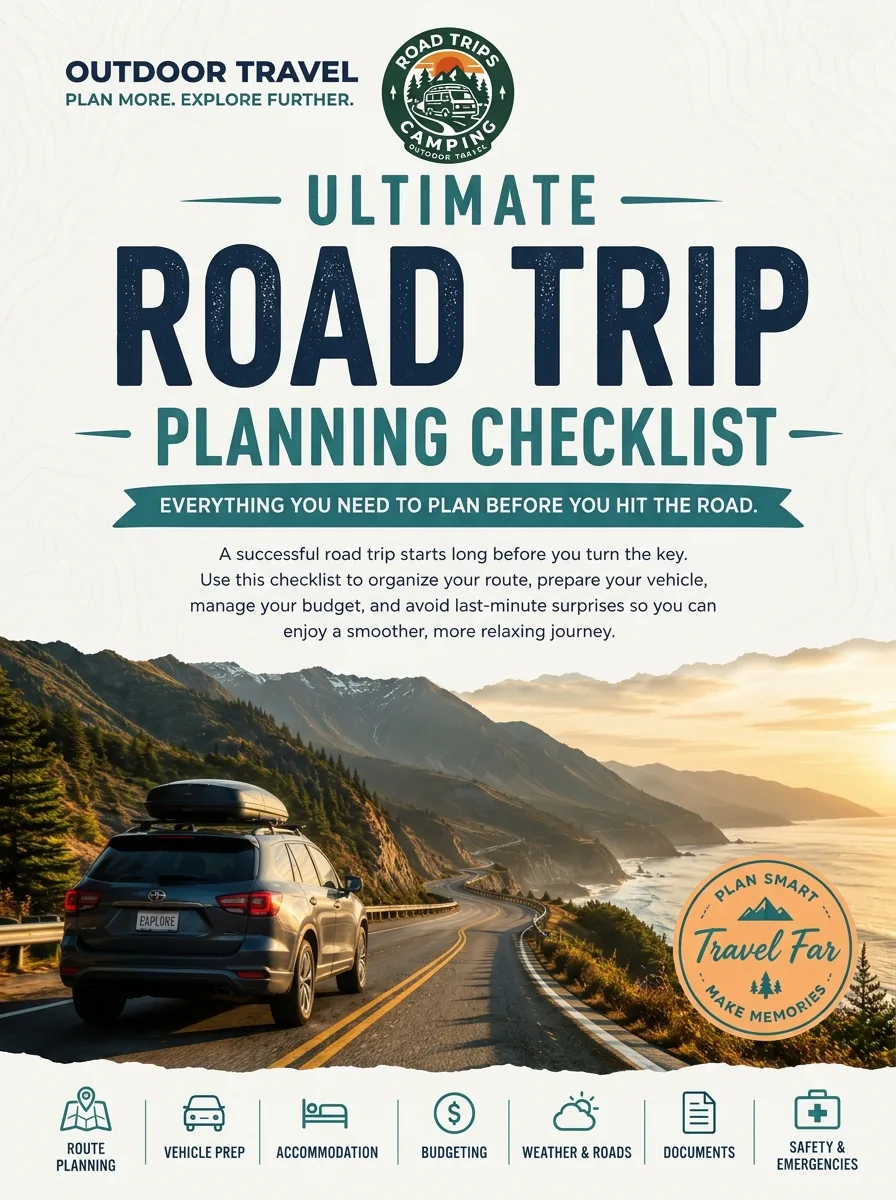
Road Trip Planning Checklist
Before you hit the road, use this checklist to make sure you’ve covered the essentials. A few minutes of preparation now can save hours of stress later.
Route Planning
☐ Finalize your route and main stops.
☐ Download offline maps.
☐ Save accommodation addresses.
☐ Check road closures and construction.
☐ Confirm opening hours for major attractions.
Vehicle Preparation
☐ Check tyre pressure and tread.
☐ Fill the fuel tank or fully charge your EV.
☐ Check engine oil and other fluid levels.
☐ Test lights and windscreen wipers.
☐ Pack a spare tyre or tyre repair kit.
Documents
☐ Driver’s licence.
☐ Vehicle registration.
☐ Insurance documents.
☐ Passport or ID (if required).
☐ Hotel confirmations.
Budget
☐ Estimate fuel costs.
☐ Budget for accommodation.
☐ Allow for food and drinks.
☐ Include parking and tolls.
☐ Set aside an emergency fund.
Packing
☐ Phone charger.
☐ Power bank.
☐ First aid kit.
☐ Water and snacks.
☐ Sunglasses.
☐ Weather-appropriate clothing.
☐ Reusable water bottle.
☐ Camera.
Safety
☐ Emergency contacts saved.
☐ Flashlight.
☐ Jumper cables.
☐ Basic tool kit.
☐ Paper map (optional backup).
☐ Check tomorrow’s weather forecast.
With everything checked off, you’re ready to focus on what matters most, enjoying the journey.
Join Road Voyagist
Subscribe to Road Voyagist and get updates on the latest posts, trip tips and more from Bella of Road Voyagist straight to your inbox.
FAQ: Multistop Road Trip Planning
How many stops is too many?
More than 3-4 big stops in a day is pushing it. You can add smaller scenic or snack stops, but don’t overdo it, or you’ll feel rushed.
How far should you drive per day?
A sweet spot is around 3-5 hours total drive time, leaving plenty of time to actually explore each stop.
What’s the best app for planning multistop trips?
Google Maps is reliable, but Roadtrippers is super useful for stumbling upon new places along the way.
Is Google Maps good for planning multiple stops?
Yes. Google Maps is an excellent starting point for planning a multi-stop road trip. It lets you create routes with multiple destinations, estimate driving times, check live traffic conditions, and download offline maps for areas with limited mobile coverage.
For longer or more complex itineraries, you may also want to use a dedicated road trip planner to organize attractions, accommodation, and daily schedules alongside your route.
How many stops can you realistically make in one day?
For most road trips, two or three major stops per day is a comfortable pace. You can easily add shorter breaks for scenic viewpoints, coffee, or photos, but trying to visit too many attractions often leaves you feeling rushed.
A good rule is to balance driving with exploring. The goal isn’t to see as many places as possible, it’s to enjoy the ones you visit.
What’s the ideal road trip length?
There’s no single perfect length, but many travelers find that five to ten days provides a great balance between driving and sightseeing. It gives you enough time to explore multiple destinations without feeling like you’re constantly on the move.
Weekend road trips work well for nearby destinations, while longer journeys are ideal if you want to explore an entire region or travel across multiple states or countries.
What’s the best road trip planning app?
The best app depends on what you’re trying to accomplish.
Google Maps is excellent for navigation and estimating driving times. Roadtrippers helps you discover scenic attractions and interesting roadside stops, while AllTrails is ideal for hiking adventures. If you’re looking for inspiration and planning resources, RoadVoyagist can help you discover destinations and build a more enjoyable multi-stop itinerary.
Many experienced road trippers use several tools together rather than relying on a single app.
Should you book hotels in advance?
It depends on when and where you’re traveling.
If you’re visiting popular destinations during peak season, booking accommodation in advance is usually the safest option. During quieter periods or if you’re traveling with a flexible itinerary, you may prefer to book only a few nights ahead.
Whenever possible, choose accommodation with free cancellation so you can adapt your plans if you decide to stay longer or change your route.
How much should you budget for a road trip?
Your total budget depends on your destination, travel style, vehicle, and trip length. As a starting point, estimate your expected costs for fuel, accommodation, food, attractions, parking, and toll roads, then set aside an emergency fund for unexpected expenses.
Creating a simple budget before you leave helps you make better decisions during the trip and reduces the risk of unexpected costs affecting your adventure.
Planning Ahead Gives You More Freedom on the Road
Planning a road trip with multiple stops doesn’t limit your adventure, it gives you freedom once you’re on the road.
When you map your route, organize your stops, and think ahead about timing and logistics, you’re not removing spontaneity, you’re creating space for it. You’re eliminating the stress of “Where are we staying?” or “How far is the next stop?” so you can actually enjoy the unexpected detours, roadside diners, and hidden viewpoints along the way.
A structured route doesn’t make a trip rigid.
It makes it smoother, more intentional, and more enjoyable.
The best multi-stop road trips feel effortless, not because they weren’t planned, but because they were planned well.
The best road trips aren’t the ones where every minute is scheduled, they’re the ones where the planning removes the stress without removing the adventure.
By creating a flexible itinerary, organizing your stops, and allowing room for unexpected discoveries, you’ll spend less time worrying about logistics and more time enjoying the journey.
Happy travels!

Bella Hartwell
I’m Bella Hartwell, and I help travelers turn simple drives into unforgettable road trip adventures.
The best kind of freedom starts on the open road.