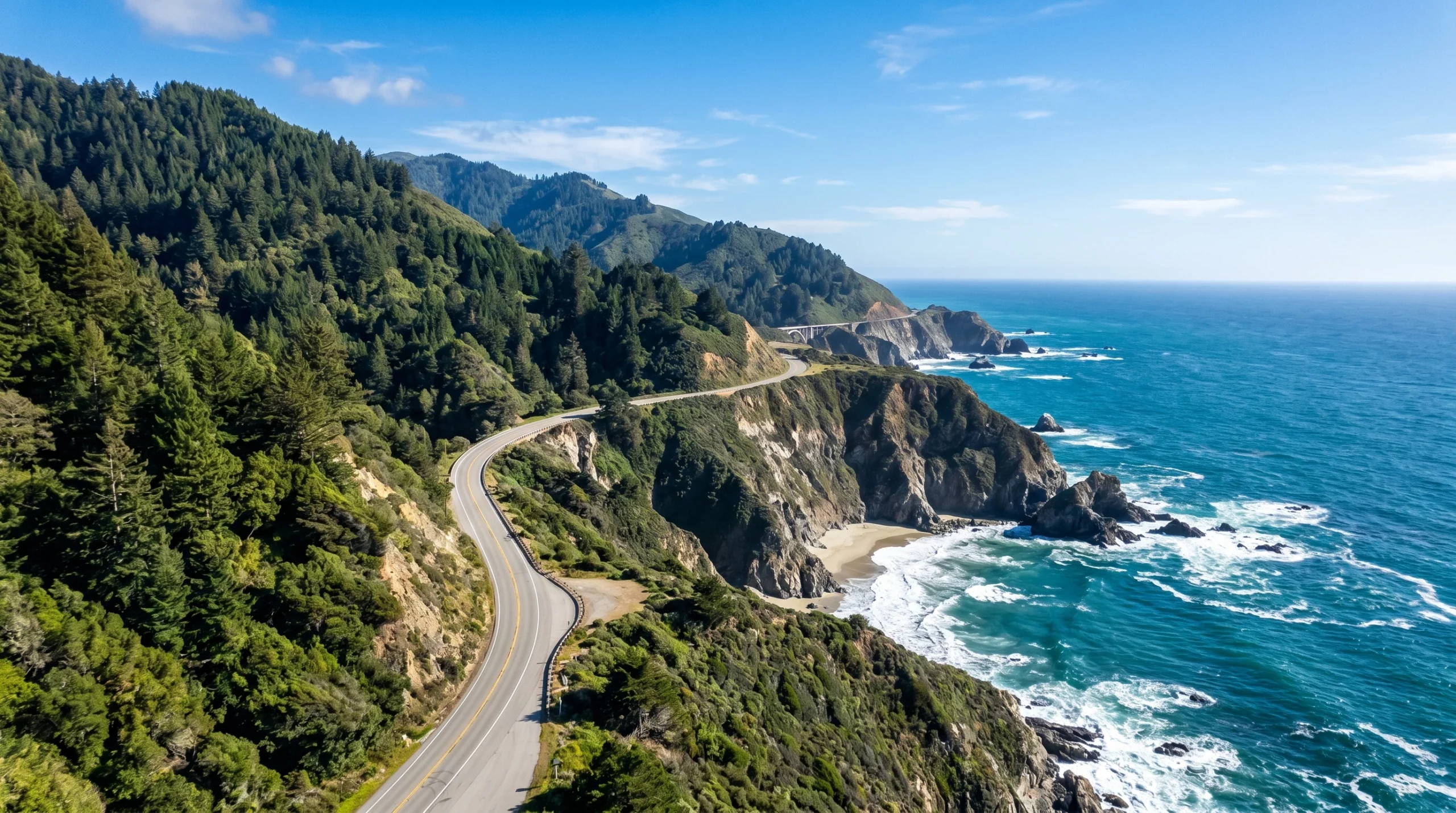
East Coast Vs West Coast Road Trip Route Comparison
East Coast and West Coast road trips offer distinctly different experiences. The East Coast is best known for historic cities, cultural attractions, and shorter driving distances between destinations, while the West Coast is famous for scenic coastal highways, national parks, and outdoor adventures. The best choice depends on your travel style and priorities.
If you’re deciding between an East Coast and West Coast road trip, the best choice depends on your travel style. The East Coast is ideal for history lovers, city explorers, and travelers who want many destinations close together. The West Coast is better for dramatic scenery, national parks, outdoor adventures, and slower-paced scenic drives.
While both routes offer unforgettable experiences, first-time road trippers often find the West Coast easier to navigate and more visually rewarding.
TL;DR
The East Coast road trip is best for travelers who want historic cities, cultural landmarks, and shorter driving distances between destinations, with highlights like New York City, Washington D.C., Boston, and coastal New England.
The West Coast road trip is ideal for scenic drives, national parks, and outdoor adventures, featuring iconic routes like the Pacific Coast Highway, Big Sur, Redwood National Park, and Olympic National Park.
Both routes take about 10–14 days, but the East Coast is more city-focused while the West Coast offers more dramatic natural scenery.
East Coast vs West Coast Road Trips: What’s the Big Difference?
The East Coast offers a faster-paced road trip with major cities, historic sites, and shorter distances between attractions. The West Coast emphasizes natural scenery, coastal drives, national parks, and a more relaxed travel pace with greater distances between destinations.
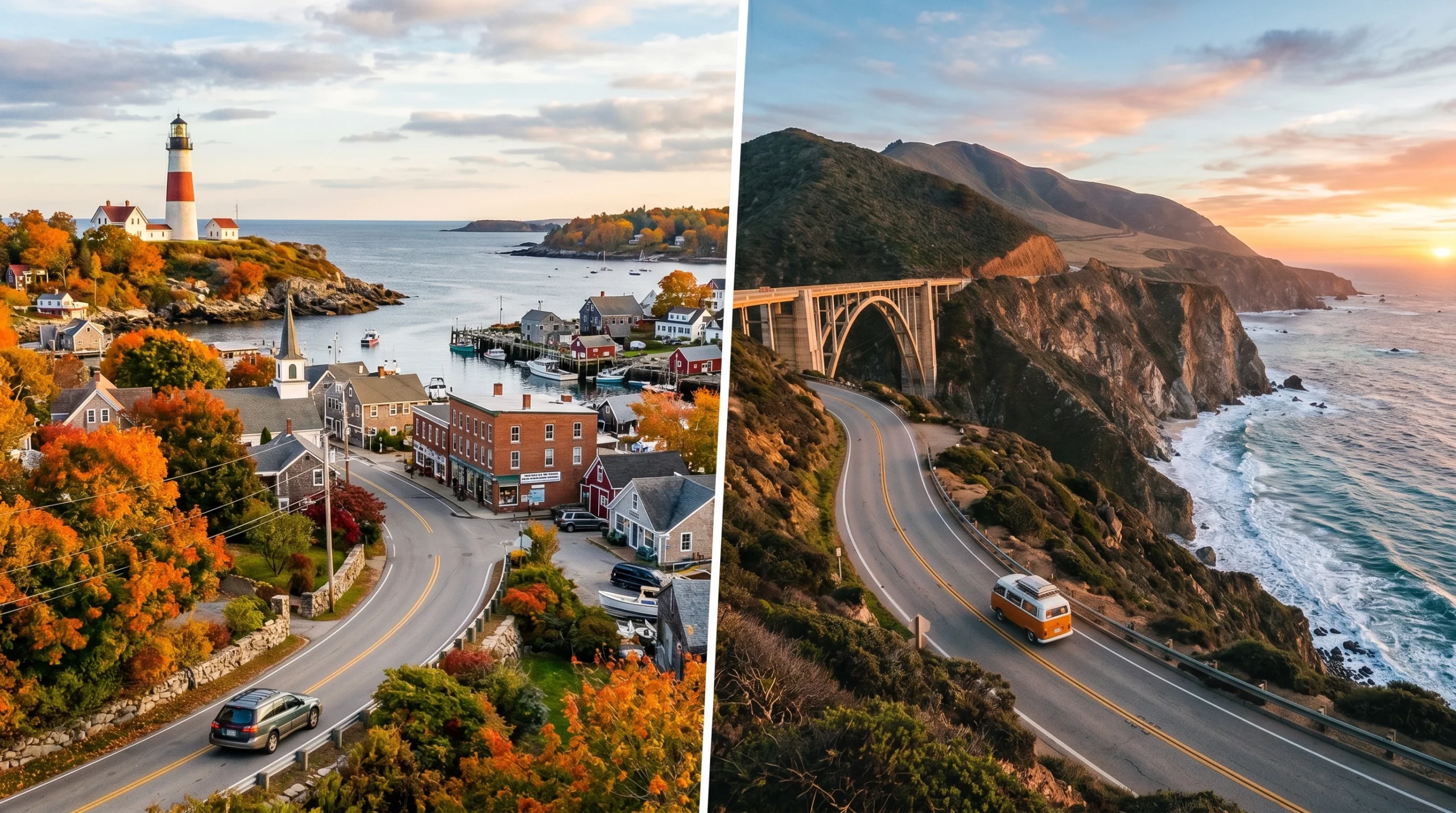
The primary difference between East Coast and West Coast road trips is the balance between cities and nature. East Coast routes connect major metropolitan areas and historical landmarks, while West Coast routes focus on scenic coastlines, national parks, and outdoor recreation opportunities.
The East Coast and West Coast serve up two very different flavors of road tripping. The East Coast runs from the sunsoaked keys of Florida all the way up to the rocky shores of Maine. It’s packed with dense cityscapes, hidden beach towns, and a deep dose of colonial history.
The West Coast, on the other hand, is all about dramatic cliffs, redwood forests, wild beaches, and laidback surf towns. It usually starts around San Diego and snakes up to Washington’s Olympic Peninsula.
The culture, pace, and even the food change along each coast. I find that East Coast trips are more about hopping between fastpaced metro areas and coastal hideaways, while West Coast adventures are driven by outdoor landscapes, scenic vistas, and open spaces. How you like to roll, city focused or nature obsessed, plays into which route makes sense for you.
| Category | East Coast | West Coast |
|---|---|---|
| Best For | History & Cities | Nature & Scenery |
| Distance | ~1,600 miles | ~1,400 miles |
| Driving Difficulty | Moderate to High | Moderate |
| Traffic | Heavy | Moderate |
| National Parks | Fewer | Many |
| Historic Sites | Excellent | Limited |
| Scenic Coastal Drives | Good | Exceptional |
| Budget | Moderate-High | Moderate |
| Best Season | Spring/Fall | Summer/Fall |
My Experience Driving Both Coasts
Over the years, I’ve driven sections of both coasts multiple times. One of my favorite East Coast memories was watching sunrise in Bar Harbor before exploring Acadia National Park, while my most memorable West Coast experience was driving through Big Sur during golden hour with the Pacific Ocean stretching endlessly beside the highway. These experiences helped shape the comparisons throughout this guide.
Join Road Voyagist
Subscribe to Road Voyagist and get updates on the latest posts, trip tips and more from Bella of Road Voyagist straight to your inbox.
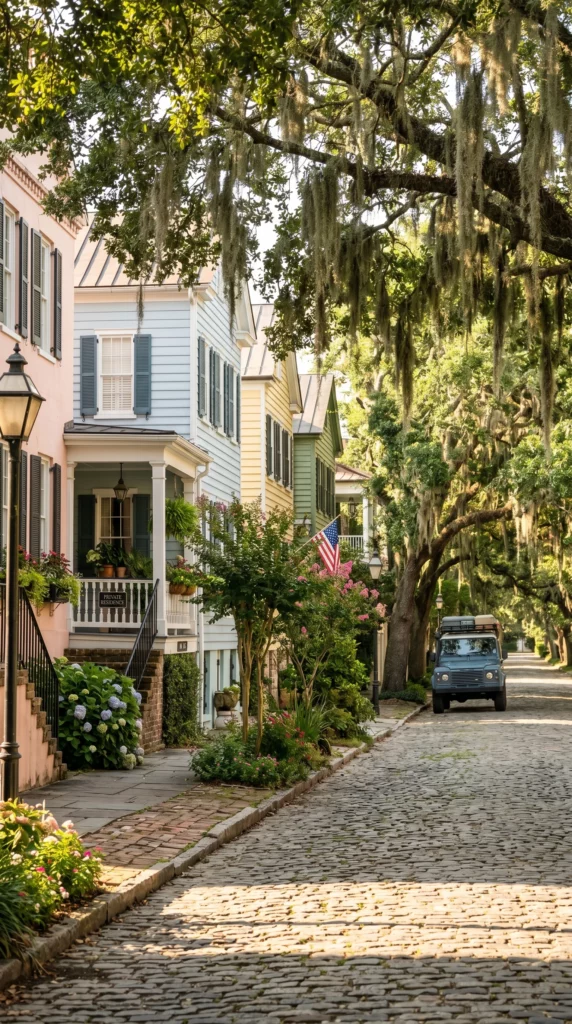
Highlights of an East Coast Road Trip
East Coast road trips are ideal for travelers interested in major cities, American history, diverse beaches, and charming coastal towns. Popular stops include New York City, Washington D.C., Boston, Charleston, and Acadia National Park, all connected by relatively short driving distances.
An East Coast road trip combines historic cities, cultural attractions, beaches, and small coastal towns. Travelers can visit multiple major destinations within a relatively compact geographic area, making the route ideal for those who want variety without spending long hours driving. Here are the things I think people will really appreciate:
- Major Cities Galore: New York City, Washington D.C., Boston, Philadelphia, Miami, they’re all lined up along the route. You get easy access to worldclass culture, museums, and food scenes.
- Historic Hotspots: Colonial Williamsburg, Gettysburg, and Charleston drop you into live history lessons. If you’re a big fan of American history, the East Coast just piles it on.
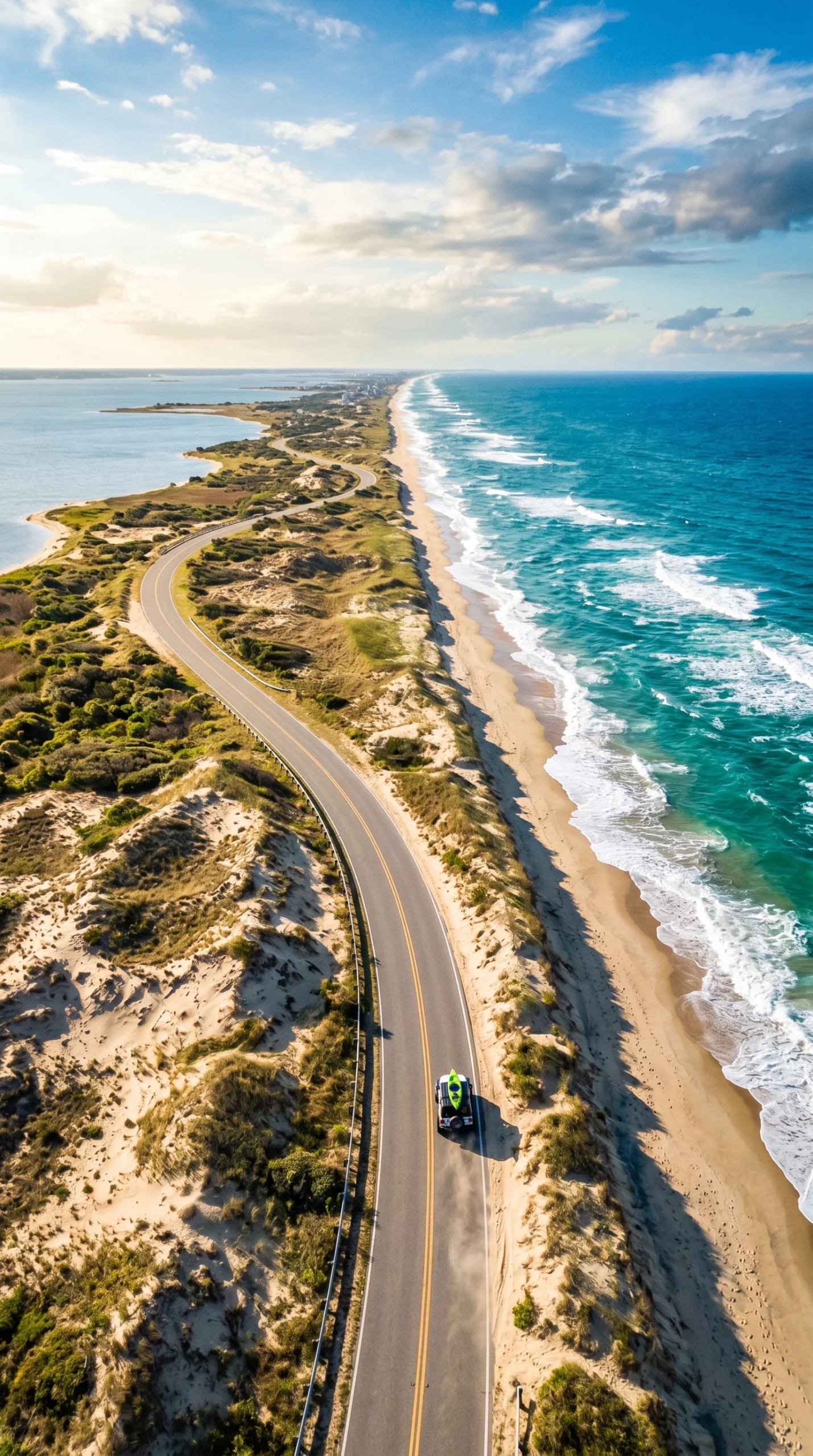
- Beach Variety: There’s something for every beachgoer, from the chilledout Outer Banks of North Carolina to the flashier clubs of South Beach in Miami.
- Quaint Towns: Mystic, Newport, St. Augustine, and Bar Harbor all offer a cozier, slower vibe, great for resting between big cities.
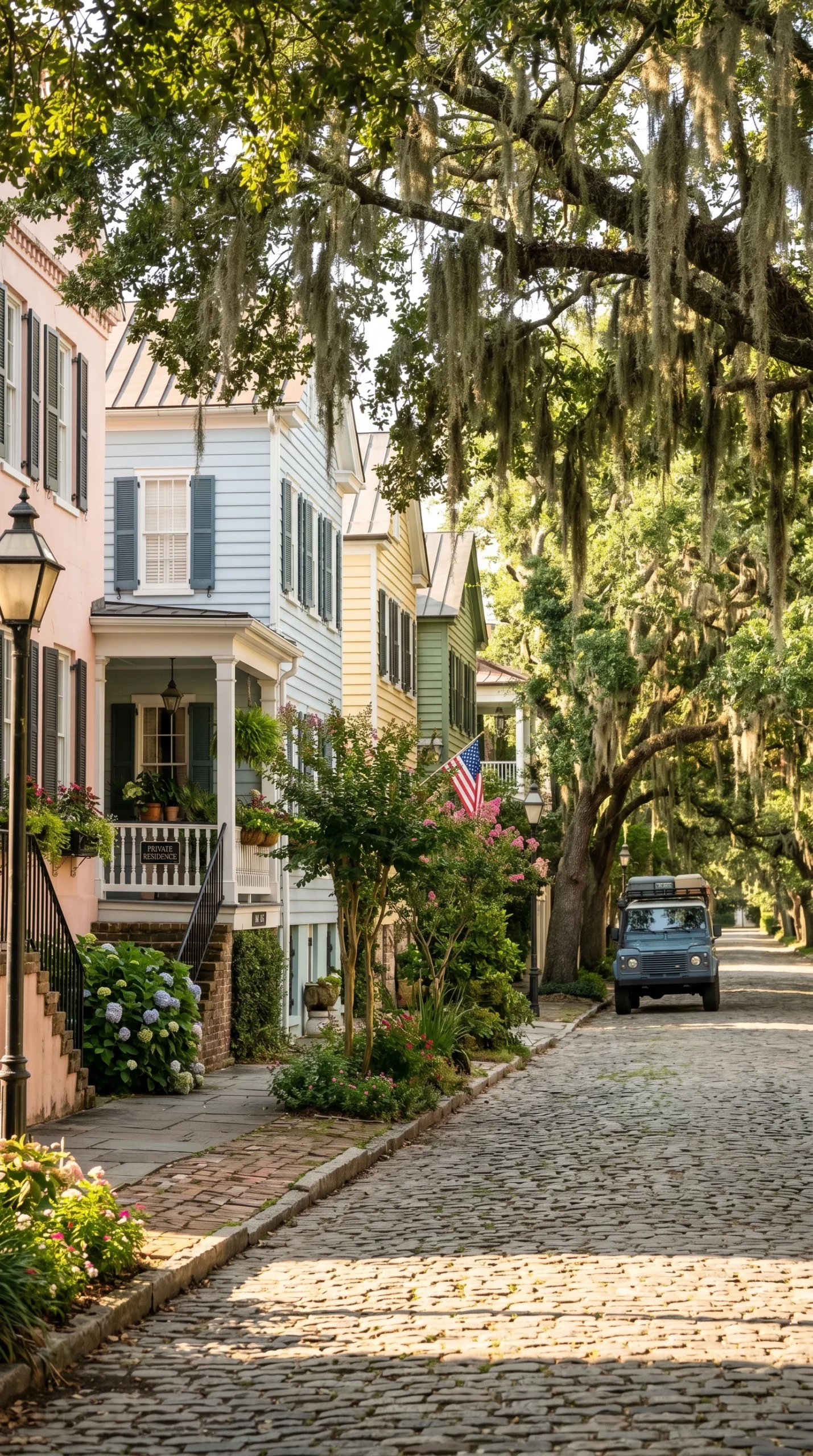
The Interstate 95 corridor is the backbone of an East Coast trip, but some of the best detours come when you head off onto scenic byways through New England forests or down the Blue Ridge Parkway.
During my visit to St. Augustine, I was surprised by how walkable the historic district was compared to larger East Coast cities. It’s one of the stops I’d gladly revisit.
Highlights of a West Coast Road Trip
West Coast road trips are known for dramatic coastal scenery, national parks, and outdoor adventures. Highlights include Big Sur, Redwood National Park, Olympic National Park, and coastal towns throughout California, Oregon, and Washington connected by scenic driving routes.
A West Coast road trip focuses on natural scenery, outdoor recreation, and iconic coastal drives. Travelers experience rugged shorelines, towering redwood forests, national parks, and ocean-view highways that are considered among the most scenic road trip routes in North America. Here’s what stands out on a West Coast adventure:
- Sensational Scenery: The rugged Pacific coastline, towering redwoods, and craggy cliffs are the signature backdrop here. The section from Big Sur up past Oregon offers some of the most eyecatching landscapes you can find behind the wheel.
- National Parks: Yosemite, Redwood, Crater Lake, Olympic, and plenty more are all relatively close to the western highways. Each of these natural wonders gives you a change of pace and activities you can’t pass up.
- Laidback Beach Towns: Stops like Santa Cruz, Mendocino, Cannon Beach, and Astoria each have their own personality, whether you’re after surfing, hiking, or boutique shops. They make perfect stops to slow down and soak in the West Coast vibe.
- City Experiences: San Diego, Los Angeles, San Francisco, Seattle, and Portland all bring art, nightlife, good food, and unique local culture. They’re just more spaced out than on the East Coast, but each is worth the drive.
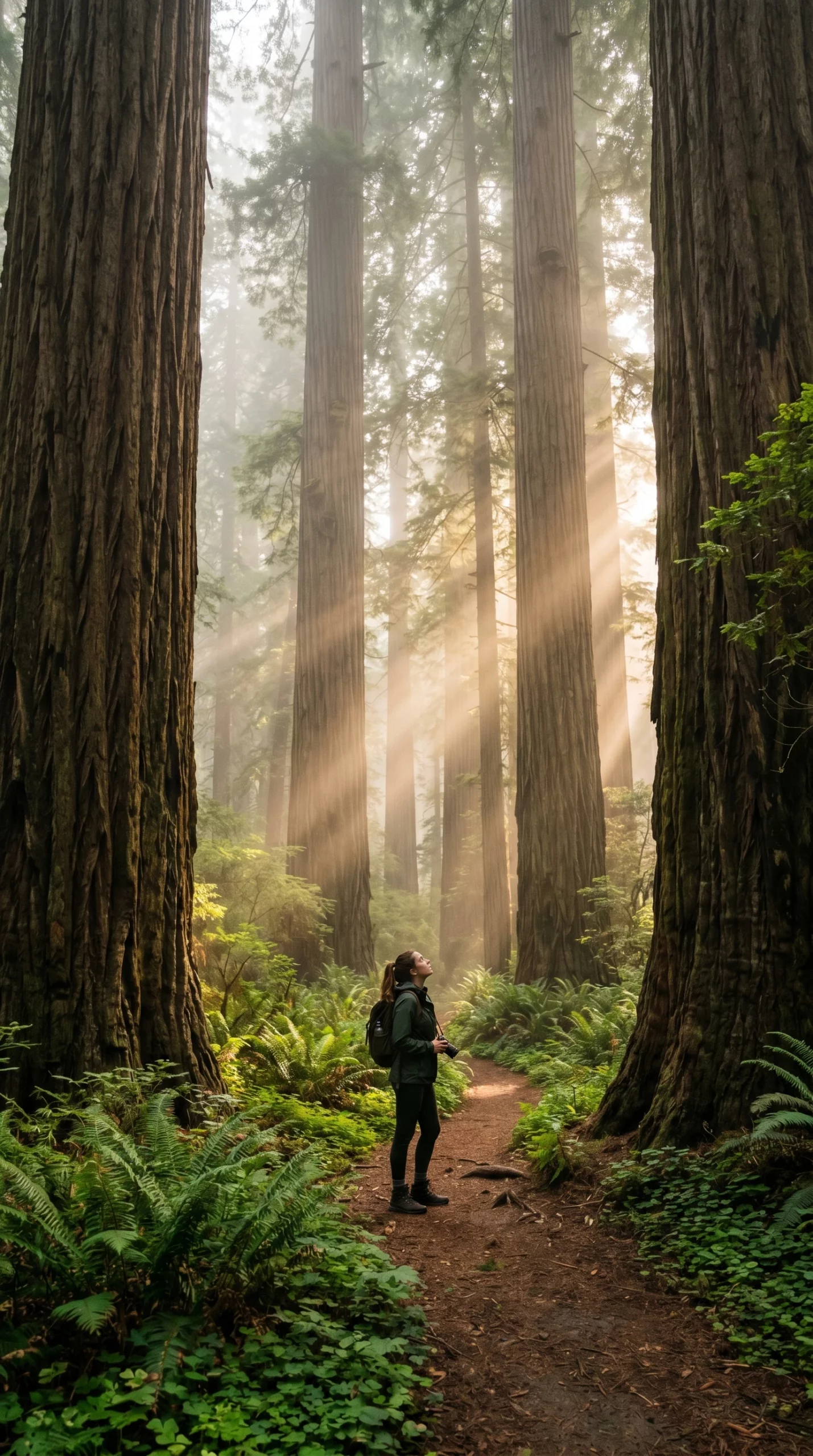
I’ve driven the Big Sur section of Highway 1 twice, and both times I ended up stopping far more often than planned because nearly every viewpoint feels postcard-worthy.
The West Coast is perfect if you want to pause for hikes, take in sunsets over the water, and keep things relaxed between nature parks and funky urban neighborhoods. It’s definitely a trip for people who like to switch between outdoor adventures and unique city hangouts.
Which Coast Should You Choose?
Choose the East Coast If:
- You love American history.
- You want to visit multiple major cities.
- You enjoy museums and cultural attractions.
- You have limited vacation time.
Choose the West Coast If:
- You prioritize scenery.
- You enjoy hiking and outdoor adventures.
- You want to visit national parks.
- You prefer a slower travel pace.
Sample Road Trip Routes for Each Coast
A typical East Coast route runs from Miami to Acadia National Park through major cities and historic destinations, while a West Coast route connects San Diego to Seattle via the Pacific Coast Highway, national parks, and scenic coastal towns. Both routes typically require 10–14 days.
If you’re still deciding between the East and West Coast, seeing a sample route can help you visualize the experience. These itineraries include some of the most popular destinations while maintaining a reasonable pace for first-time road trippers.
East Coast itineraries emphasize historic cities and cultural attractions, while West Coast itineraries prioritize scenic driving, national parks, and outdoor experiences spread across longer distances.
Sample East Coast Road Trip Route
A classic East Coast road trip combines historic cities, coastal scenery, and charming small towns.
Suggested route:
Miami -> Savannah -> Charleston -> Outer Banks -> Washington, D.C. -> Philadelphia -> New York City -> Newport -> Boston -> Acadia National Park
Trip length: 10 -14 days
Highlights:
- Historic districts in Savannah and Charleston
- Beaches of the Outer Banks
- National landmarks in Washington, D.C.
- Food and culture in New York City
- Coastal New England scenery
- Acadia National Park and Bar Harbor
This route is ideal for travelers who enjoy history, culture, museums, and a mix of urban and coastal experiences.
Best Places to Stay Along an East Coast Road Trip
Choosing the right overnight stops can make a long road trip much more enjoyable. Rather than changing hotels every night, I recommend using a few well-positioned base destinations that offer plenty to see and easy access to nearby attractions.
Charleston, South Carolina
Why stay here:
- Historic downtown district
- Excellent restaurants
- Walkable waterfront
- Easy access to nearby beaches
Perfect for travelers exploring the southeastern portion of the East Coast.
Find accommodations in Charleston
Washington, D.C.
Why stay here:
- Central location on the East Coast route
- Major museums and landmarks
- Good transportation options
An excellent stop between the southern states and the Northeast.
Find accommodations in Washington, D.C.
Bar Harbor, Maine
Why stay here:
- Gateway to Acadia National Park
- Scenic coastal views
- Great seafood restaurants
One of the best places to finish an East Coast road trip.
Find accommodations in Bar Harbor
Sample West Coast Road Trip Route
The West Coast route focuses on iconic scenery, national parks, and laid-back coastal towns.
Suggested route:
San Diego -> Los Angeles -> Santa Barbara -> Big Sur -> San Francisco -> Redwood National Park -> Cannon Beach -> Olympic National Park -> Seattle
Trip length: 10–14 days
Highlights:
- Southern California beaches
- Pacific Coast Highway views
- Big Sur’s dramatic coastline
- San Francisco’s famous landmarks
- Giant redwood forests
- Oregon’s rugged coastline
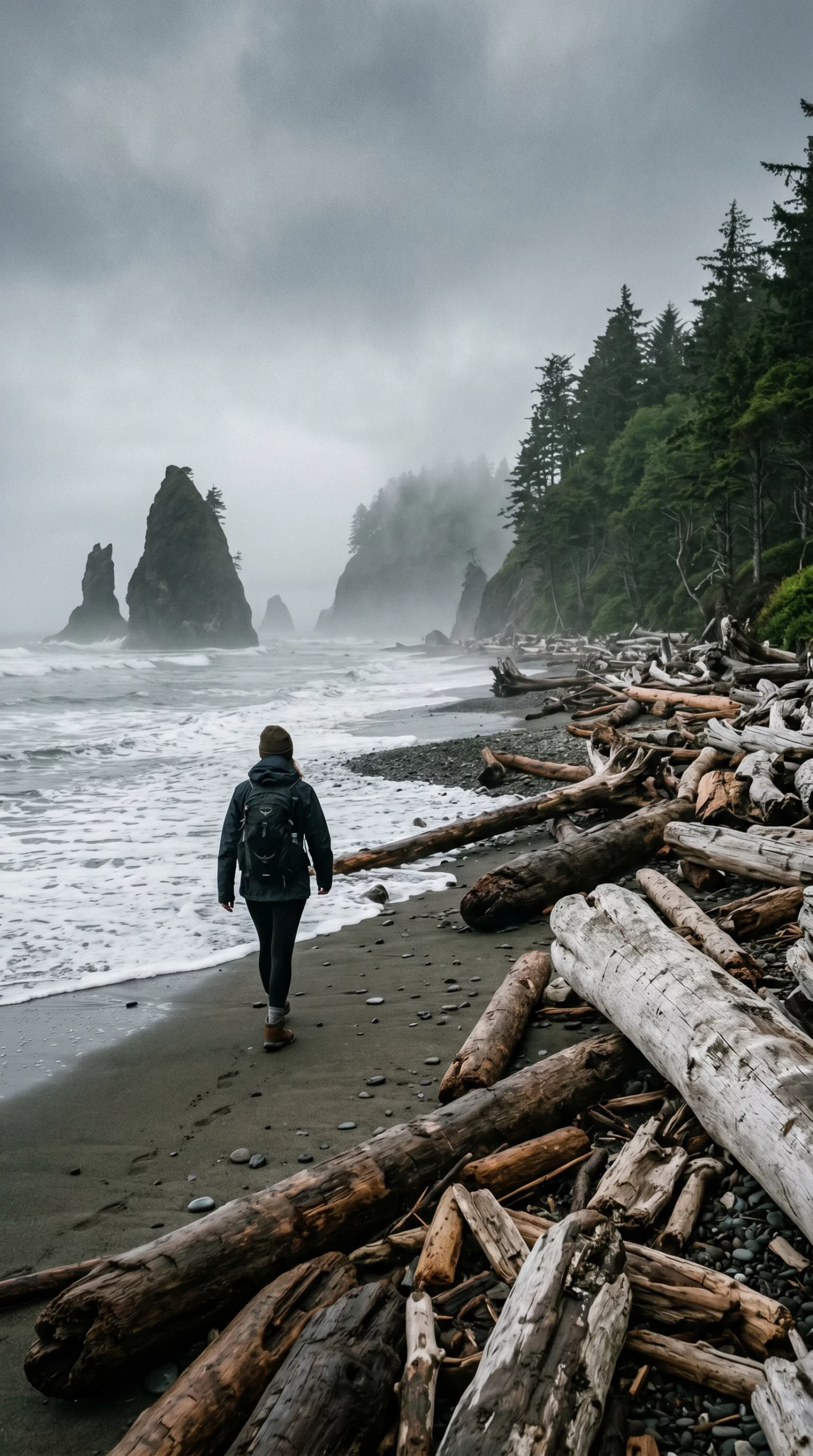
- Olympic National Park’s rainforests and beaches
This route is perfect for travelers seeking spectacular scenery, outdoor adventures, and unforgettable coastal drives.
Best Places to Stay Along a West Coast Road Trip
San Luis Obispo, California
Why stay here:
- Ideal stop between Los Angeles and San Francisco
- Less crowded than major cities
- Close to Big Sur and coastal attractions
Many Pacific Coast Highway travelers find this location breaks up the drive perfectly.
Find accommodations in San Luis Obispo
Mendocino, California
Why stay here:
- Beautiful coastal scenery
- Charming small-town atmosphere
- Easy access to redwood forests
A quieter alternative to larger California destinations.
Find accommodations in Mendocino
Cannon Beach, Oregon
Why stay here:
- Iconic Oregon coastline
- Excellent beach access
- Convenient stop before continuing toward Washington
A favorite overnight stop for travelers exploring the Pacific Northwest.
Find accommodations in Cannon Beach
Best Overnight Stops for First-Time Road Trippers
| Stop | Why Stay Here? |
|---|---|
| Charleston | Historic district and beaches |
| Washington, D.C. | Museums and landmarks |
| Newport | New England coastal charm |
| Bar Harbor | Acadia National Park access |
Which Route Covers More Ground?
The East Coast route packs more destinations into a smaller area, making it easier to visit several major cities in a shorter amount of time. The West Coast route has fewer large cities but delivers some of the most scenic driving in North America, with longer stretches between destinations and more opportunities for outdoor exploration.
Planning Your Road Trip Route: Things You Should Think About
When choosing between an East Coast and West Coast road trip, consider distance, seasonal weather, traffic conditions, travel budget, local culture, and preferred pace. East Coast routes are generally more urban and compact, while West Coast routes focus on scenery and outdoor exploration.
Route planning should account for distance, weather, traffic, budget, and travel style. Although both coastal road trips can be completed in similar timeframes, the East Coast emphasizes city-to-city travel while the West Coast offers longer scenic stretches between destinations.
Whether you’re traveling the East or West Coast, a few key things shape your experience. Making an informed choice goes beyond just picking a direction on the map.
- Distance and Drive Time: The East Coast route (Miami to Maine) is roughly 1,600 miles. The West Coast (San Diego to Seattle) is about 1,400 miles. Factor in traffic: East Coast cities are notoriously congested, while the West can be smooth sailing except near big cities.
- Best Season to Go: Summer gives the West Coast clear skies and cool ocean breezes. Spring and fall are milder (and less crowded) for the East Coast, plus autumn leaf peeping is a big plus in New England.
| Season | East Coast | West Coast |
|---|---|---|
| Spring | Excellent | Good |
| Summer | Good | Excellent |
| Fall | Excellent | Excellent |
| Winter | Mixed | Good in California |
- Budget: City hopping in the East can add up fast with premium lodging, parking, and tolls. The West’s national parks may have lower daily costs, but longer distances between stops mean more gas and sometimes pricier rural accommodations.
- Local Food and Culture: East Coast means bagels, hot lobster rolls, Philly cheesesteaks, Southern seafood boils, and plenty of coffee. The West Coast is famous for fresh produce, Pacific seafood, tacos, craft beer, and coffeehouses, great if you’re into healthy and casual dining.
- Pacing: If you love ticking off lots of destinations in a short time, the East Coast’s dense city layout is pretty efficient. For slow travel and scenic cruising, the West Coast offers stretches where you might drive hours surrounded only by waves, trees, or mountains.
Personal Tip
Pack some flexibility into your plans. Weather on both coasts can throw curveballs (think hurricanes in the South or coastal fog in California), and you’ll want the freedom to slow down or reroute for local festivals, farm stands, or cool photo ops. Keeping your schedule loose adds to the adventure and keeps stress low.
| Expense | East Coast | West Coast |
|---|---|---|
| Budget Traveler | $100-$150/day | $90-$140/day |
| Mid-Range Traveler | $180-$300/day | $170-$280/day |
| Fuel | Moderate | Higher |
| Lodging | Higher in cities | Higher near parks |
Common Challenges to Keep in Mind
East Coast road trips commonly encounter traffic congestion, toll roads, and expensive accommodations near major cities. West Coast travelers face challenges such as wildfire-related closures, limited fuel availability in remote areas, and seasonal restrictions affecting coastal highways and national parks.
Both coastal road trip routes present unique logistical challenges. East Coast travelers frequently deal with urban traffic and tolls, while West Coast travelers must monitor weather, wildfire conditions, and remote driving distances when planning their itineraries.
Every big road trip plan runs into a few bumps, no matter which coast you pick. Having a heads up helps you enjoy more and stress less.
- Traffic Snarls: I95 (East Coast) is famous for frustrating traffic in cities like Boston, NYC, and D.C. On the West Coast, LA traffic can grind to a halt any day of the week. Sometimes it’s better to plan your driving for early mornings or after rush hour.
On one summer trip through Washington D.C., a drive that should have taken 45 minutes stretched to nearly two hours because of afternoon traffic. Since then, I always try to enter major East Coast cities early in the morning.
- Lodging in Peak Season: East Coast hotels fill up quickly in summer and around holidays. Some of the popular West Coast towns and park campsites also book out months ahead. Plan ahead and check availability frequently if you’re traveling during peak times.
- Weather Delays: Storm season can slow drives in the Southeast, while wildfires or mountain snow sometimes shut down stretches of Highway 1. Always look up local weather forecasts before hitting the road.
- Fuel Stops: Out West, there are long, empty stretches, especially in northern California and Oregon. I always check my fuel level before leaving major towns and carry an extra bottle of water, just in case.
Handling the Hurdles
Booking at least a few nights in advance, especially in mustsee towns or national parks, is super useful. Carry extra snacks and water, download offline maps, and allow extra travel time if you want to explore at your own pace. Staying flexible but prepared gives you the best of both worlds.
Challenges of Each Route
East Coast Challenges
- Heavy I-95 traffic
- Expensive city parking
- Tolls
- Hurricane season
West Coast Challenges
- Wildfire closures
- Highway 1 road closures
- Limited fuel stations
- National park reservation systems
Pro Tips for Making the Most of Any Coast
There are countless ways to fine tune your experience, but a few tricks make any road trip smoother and more memorable:
Mix Up Your Itinerary: I like blending city stops with quieter days along beaches or in forest parks. It keeps things fresh and avoids travel burnout. You get to enjoy the best of both culture and nature.
Follow the Locals’ Lead: Some of my favorite food and photo spots have come from asking locals: baristas, gas station clerks, or park rangers usually know what’s worth checking out and what to skip.
Pack Smart: Layered clothes are gold, especially with coastal weather swings. I also keep a phone charger, travel pillow, and sturdy shoes handy for spontaneous hikes or sightseeing walks. Sunblock and sunglasses are key as well.
The Biggest Difference Most Travelers Notice
The most noticeable difference between East Coast and West Coast road trips isn’t the scenery, it’s the spacing between attractions. On the East Coast, major cities, beaches, and historical sites are often less than two hours apart.
On the West Coast, destinations can be separated by several hours of driving, especially in Northern California, Oregon, and Washington. Travelers who enjoy constant sightseeing often prefer the East Coast, while those who enjoy the journey itself tend to favor the West Coast.
What Surprised Me Most About Driving Both Coasts
After driving both coasts, a few things surprised me:
- The East Coast felt much smaller than expected because attractions are clustered closely together.
- Traffic influenced my East Coast itinerary far more than weather.
- The West Coast felt more remote, even near popular destinations.
- I spent more time outside the vehicle on the East Coast and more time enjoying the drive itself on the West Coast.
- Sunset viewpoints were significantly easier to access on the Pacific Coast because the ocean faces west.
Which Coast Wins?
| Category | Winner |
|---|---|
| Scenic Drives | West Coast |
| Historic Attractions | East Coast |
| National Parks | West Coast |
| Major Cities | East Coast |
| Food Variety | Tie |
| Fall Travel | East Coast |
| Outdoor Adventure | West Coast |
| Ease of Planning | East Coast |
| Photography | West Coast |
| Family Attractions | East Coast |
Best Road Trip Gear for Both Coasts
Essential gear for both East Coast and West Coast road trips includes offline navigation tools, a portable cooler, a reusable water bottle, backup power sources, and comfortable day-hiking equipment. Proper preparation improves safety, convenience, and flexibility throughout the journey.
The right gear can improve both comfort and safety during a coastal road trip. Navigation backups, hydration supplies, portable storage, and emergency essentials help travelers adapt to changing conditions and unexpected detours on either coast.
Having the right gear makes a huge difference, whether you’re winding through Maine’s forests or hugging California’s wild cliffs. Personally, I never leave without:
- Paper Maps and Offline Apps: Phone signals can disappear in the mountains of the West or rural Virginia. Old school maps and GPS apps like Google Mapsand Maps.meare super handy for finding your way.
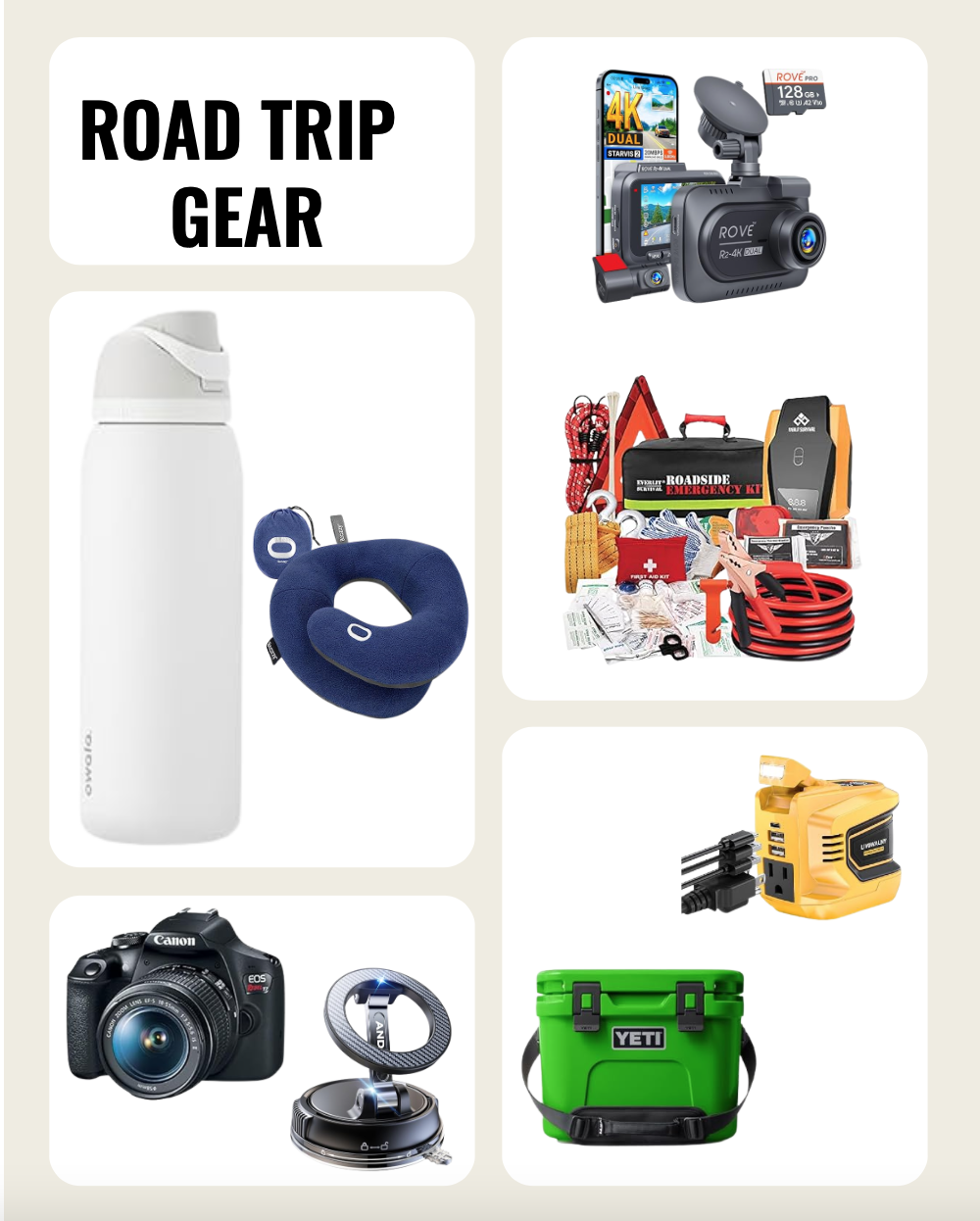
- Portable Cooler: Great for keeping drinks and snacks cold or storing farmers’ market finds. It saves money and gives you more freedom on the go.
- Camera or Smartphone: Both coasts are packed with photo moments you’ll want to remember, from sunrise at Acadia to sunset over the Pacific. Investing in backup batteries is wise.
- Day Pack and Reusable Water Bottle: Perfect for quick hikes or exploring city neighborhoods on foot. Stay hydrated and have room for souvenirs or lastminute finds.
- Travel pillow
- Portable power station
- Emergency roadside kit
- Dash cam
- Phone mount
Add in your favorite playlist or some downloadable audiobooks, both coasts feature long stretches of driving that are ideal for sinking into stories or tunes. Bringing comforts like snacks, cozy blankets, and maybe a small board game can keep everyone happy.
East Coast vs West Coast: Final Verdict
The East Coast is best for travelers interested in history, major cities, and cultural attractions, while the West Coast is better suited to those seeking scenic coastal drives, national parks, and outdoor adventures. Both routes can be completed in 10-14 days, but the overall experience differs significantly in pace, scenery, and destination types.
If your ideal road trip involves historic cities, cultural landmarks, and shorter driving distances between attractions, the East Coast is the better choice. If you’re looking for breathtaking scenery, national parks, and iconic coastal drives, the West Coast delivers a more dramatic road trip experience. Neither route is objectively better, the best option depends entirely on how you like to travel.
Join Road Voyagist
Subscribe to Road Voyagist and get updates on the latest posts, trip tips and more from Bella of Road Voyagist straight to your inbox.
Frequently Asked Questions: East Coast vs West Coast Road Trips
The West Coast is generally preferred for scenery, national parks, and outdoor adventure, while the East Coast appeals to travelers seeking history, cities, and cultural attractions. Both routes typically require 10–14 days and can be completed on a variety of budgets.
Is the East Coast or West Coast better for first-time road trippers?
Both coasts are excellent for beginners, but the West Coast is often easier for first-time road trippers. The route is generally more straightforward, with fewer toll roads and less congestion outside major cities. The East Coast offers more attractions packed into a smaller area, but navigating traffic around cities like New York, Washington, D.C., and Boston can be challenging for inexperienced drivers.
Which coast has better scenery for a road trip?
The West Coast is widely considered the winner when it comes to natural scenery. Highlights include Big Sur, Redwood National Park, Crater Lake, and the rugged coastline of Oregon and Washington. The East Coast offers beautiful beaches, charming coastal towns, and stunning fall foliage in New England, but the landscapes are generally less dramatic than those found along the Pacific Coast.
How many days do you need for an East Coast road trip?
A minimum of 10 to 14 days is recommended for a meaningful East Coast road trip. This allows enough time to visit several major cities, explore historic sites, and enjoy coastal destinations without feeling rushed. Travelers with three weeks or more can include additional stops such as the Florida Keys, Blue Ridge Parkway, or Acadia National Park.
How many days do you need for a West Coast road trip?
Most travelers should plan for at least 10 to 14 days to experience the highlights of the West Coast. A two-week itinerary provides enough time to explore California’s Pacific Coast Highway, visit national parks, and continue north through Oregon and Washington. Longer trips allow for more hiking, scenic detours, and slower-paced travel.
Is the Pacific Coast Highway better than Interstate 95?
The answer depends on what you’re looking for. The Pacific Coast Highway is famous for its breathtaking ocean views, scenic overlooks, and relaxed driving experience. Interstate 95 is more practical for reaching major East Coast cities quickly and offers access to many historical and cultural attractions. For scenery alone, most travelers prefer the Pacific Coast Highway.
Which coast is better for national parks?
The West Coast offers significantly better access to national parks. Yosemite, Redwood, Crater Lake, Olympic, Lassen Volcanic, and several other parks are all within reach of a West Coast road trip. While the East Coast has outstanding parks such as Acadia, Great Smoky Mountains, and Shenandoah, the concentration of iconic national parks is higher in the western United States.
Which coast is more budget-friendly for a road trip?
Costs vary depending on travel style and season. East Coast trips can become expensive due to hotel rates, parking fees, and toll roads near major cities. West Coast travelers may save money by camping or staying in smaller towns, although fuel prices are often higher in California. Budget-conscious travelers can keep costs down on either coast by traveling during shoulder seasons and booking accommodations in advance.
What is the best time of year for an East Coast road trip?
Spring (April to June) and fall (September to October) are generally considered the best times to explore the East Coast. Temperatures are comfortable, crowds are smaller than in summer, and fall foliage creates spectacular scenery throughout New England and the Appalachian region.
What is the best time of year for a West Coast road trip?
Late spring through early fall is ideal for most West Coast road trips. Summer offers the most reliable weather along the Pacific Coast, while September and October often provide fewer crowds and excellent conditions for hiking, sightseeing, and scenic drives.
Can you combine an East Coast and West Coast road trip in one vacation?
Yes, but it requires significant time. Most travelers need at least three to four weeks to comfortably explore both coasts in a single trip. If you have limited vacation time, focusing on one coast usually results in a more enjoyable and less rushed experience.
Ready to Choose Your Route?
The East Coast and West Coast both offer road trippers something special. Whether you’re craving bustling cities, quiet history, wild landscapes, or beachside sunsets, your choice shapes your experience from start to finish. Take your time planning, chat with other travelers, and keep some room for spontaneous stops. You might just end up loving the coast you pick so much that you’ll already be planning your next trip on the other side.
Happy travels!
Note: This article contains affiliate products. We earn a commission if you make a purchase, at no additional cost to you.

Bella Hartwell
I’m Bella Hartwell, a travel enthusiast who has organized multiple road trips.
I share hands-on tips, tested gear lists, and personal stories to help others travel smarter.
The best kind of freedom starts on the open road.