7 Best Things To Do In Lofoten Islands (Norway) + 3-Day Itinerary & Travel Guide
Lofoten Islands in Norway offer a combination of steep mountain peaks, Arctic beaches, and traditional fishing villages connected by scenic roads. Popular activities include hiking Reinebringen, exploring coastal villages like Hamnøy, driving the E10 route, and experiencing seasonal phenomena such as the midnight sun or northern lights.
Lofoten doesn’t feel real.
Sharp mountain peaks rise straight out of the ocean, whitesand beaches glow under Arctic light, and tiny fishing villages look frozen in time. Most travelers come here for the views, but end up leaving with something more. There’s a kind of wild freedom here you won’t get anywhere else in Norway.
My road trip to Lofoten started in Kiruna, Sweden. I spent the night at a small campsite near the Torne River, the same place I had stayed during a previous Northern Lights trip.
From Kiruna, I drove to Narvik, Norway, with a must-stop in Abisko. After crossing into Norway, I stayed just outside Narvik at a quiet campsite by the water.
I then continued toward Lofoten and spent three days in Ramberg. Even when the weather turned and rain rolled in, I still found myself walking along the beach, because in Lofoten, even a storm feels beautiful.
If you’re planning a trip, this Lofoten travel guide covers the best things to do in Lofoten Islands.
TL;DR
Lofoten Islands in Norway offer dramatic mountain scenery, Arctic beaches, and scenic road trips, with highlights including hiking Reinebringen, visiting Haukland Beach, exploring Hamnøy, and driving the E10. A 2–3 day itinerary is enough to see the main sights, especially when traveling by car for flexibility.
Lofoten is a dream for outdoor lovers and photographers, but you don’t need to be an adventurer to enjoy it. Hike Reinebringen for unparalleled views, chill out on stunning Arctic beaches, wander storybook fishing villages, and chase magical sunlight or northern lights. Lofoten is unforgettable, and even a couple days will blow your mind.
Lofoten Islands Travel Guide: What Makes It So Special?
Lofoten Islands are known for dramatic mountain peaks, Arctic beaches, and traditional fishing villages set above the sea. The region offers a mix of scenic drives, hiking, wildlife, and unique light conditions like the midnight sun and northern lights, making it one of Norway’s most visually striking destinations.
What stood out to me most was how quickly the scenery changes. Driving into Lofoten from Narvik, the shift is almost immediate, suddenly the road is surrounded by sharp peaks, open water, and small villages that feel completely removed from modern life.
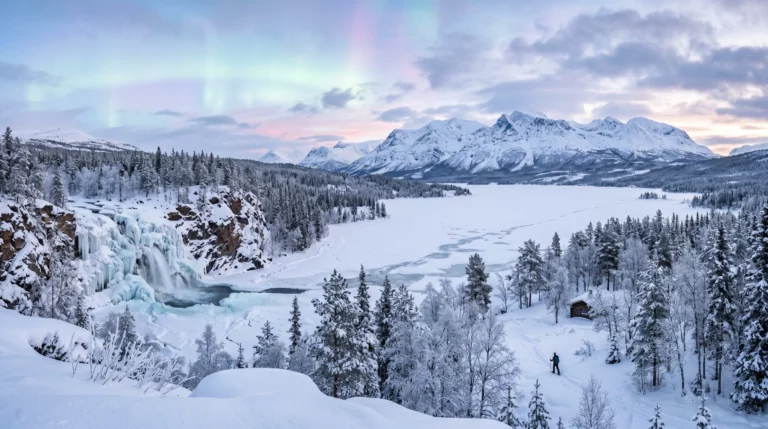
Another thing that makes Lofoten unique is the light. Depending on the season, you either get endless daylight in summer or long, dark nights in winter with a chance to see the northern lights. I had experienced the Arctic light before on a previous trip, but seeing it again in a different setting made it feel completely new.
Even the weather adds to the experience. During my stay, conditions changed constantly, clear skies one moment, rain the next, but instead of taking away from the trip, it made the landscape feel more raw and unpredictable.
Lofoten isn’t just about specific attractions. It’s the combination of scenery, light, and atmosphere that makes it stand out, and why even simple moments, like stopping by the side of the road, end up being memorable.
Top 7 Things To Do in Lofoten Islands (Quick Overview)
The best things to do in Lofoten Islands include hiking Reinebringen, visiting Haukland and Uttakleiv beaches, exploring Hamnøy, driving the E10 scenic route, kayaking in Reinefjord, visiting Nusfjord, and experiencing the midnight sun or northern lights. These activities highlight Lofoten’s landscapes, culture, and outdoor appeal.
- Hike Reinebringen for iconic views
- Visit Haukland & Uttakleiv beaches
- Explore the village of Hamnøy
- Drive the scenic E10 road
- Kayak in Reinefjord
- Visit Nusfjord fishing village
- Chase the midnight sun or northern lights
Plan Your Stay in Lofoten
Use the map below to find the best places to stay near top attractions:
1. Hike Reinebringen (Best View in Lofoten)
Reinebringen is one of the most popular hikes in Lofoten, offering panoramic views over Reinefjord and surrounding peaks. The trail consists of a steep stone staircase with about 448 meters elevation gain and typically takes 1–2 hours round trip, making it a short but physically demanding climb.
This hike is the reason so many photos of Lofoten look absolutely unreal, the view really is that good. Standing up on the summit, you get wild views over Reinefjord, the iconic fishing village of Reine, and sharp peaks dropping into bluegreen water.
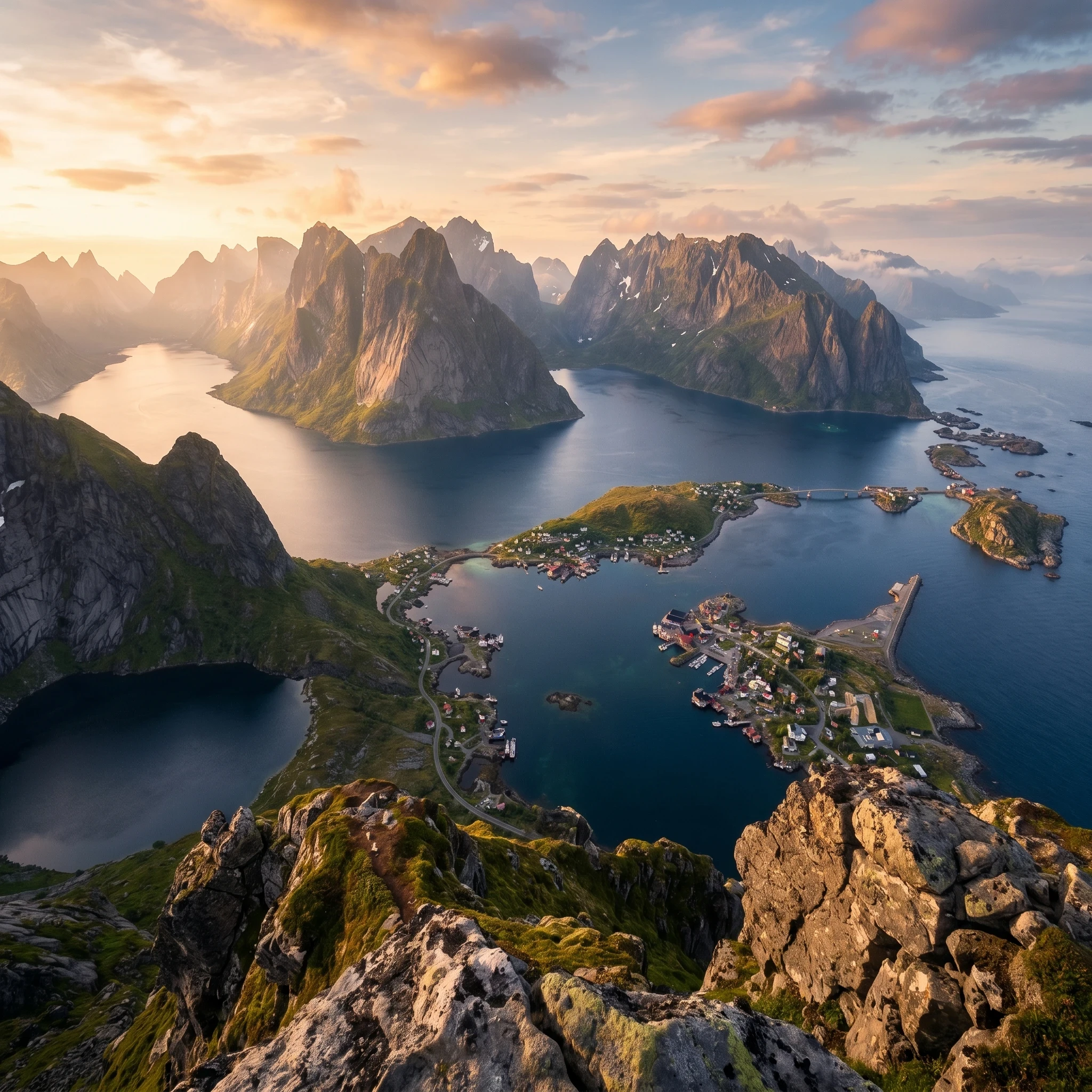
The trail goes up a steep stone staircase (big thanks to the Sherpa builders!) with about 448 meters of elevation gain, so bring some water and decent shoes. The staircase is well-built, but it’s continuously steep the whole way, there’s not much flat ground to catch your breath, so pacing yourself makes a big difference.
It takes about an hour up, but you’ll want to linger at the top. Before hiking, check current trail conditions and safety updates.
Sunrise and sunset are magic. Fewer crowds and the light is next level cool.
My photo tip: shoot slightly above the ridge for that classic, sweeping panorama.
I did this hike early in the morning, and the light over Reinefjord made the climb 100% worth it.
Join Road Voyagist
Subscribe to Road Voyagist and get updates on the latest posts, trip tips and more from Bella of Road Voyagist straight to your inbox.
2. Visit Haukland & Uttakleiv Beaches
Haukland and Uttakleiv beaches are two of Lofoten’s most accessible and scenic coastal spots, known for white sand, turquoise water, and mountain backdrops. Located close together, they can be explored individually or via a short coastal hike, offering both relaxation and outdoor activity opportunities.
Think crystal clear turquoise water, total white sand, and dramatic green mountains, all in the Arctic. Haukland and Uttakleiv are right next to each other, and both are really accessible by car.
The water looks like it belongs in the Caribbean, but don’t expect the temperature to match (unless you’re brave or just enjoy a polar dip). Walking between the two beaches along the coastal path is pretty chill and takes less than an hour.
The sand surprised me, it’s much whiter than I expected, almost glowing when the light hits it, even on cloudy days.
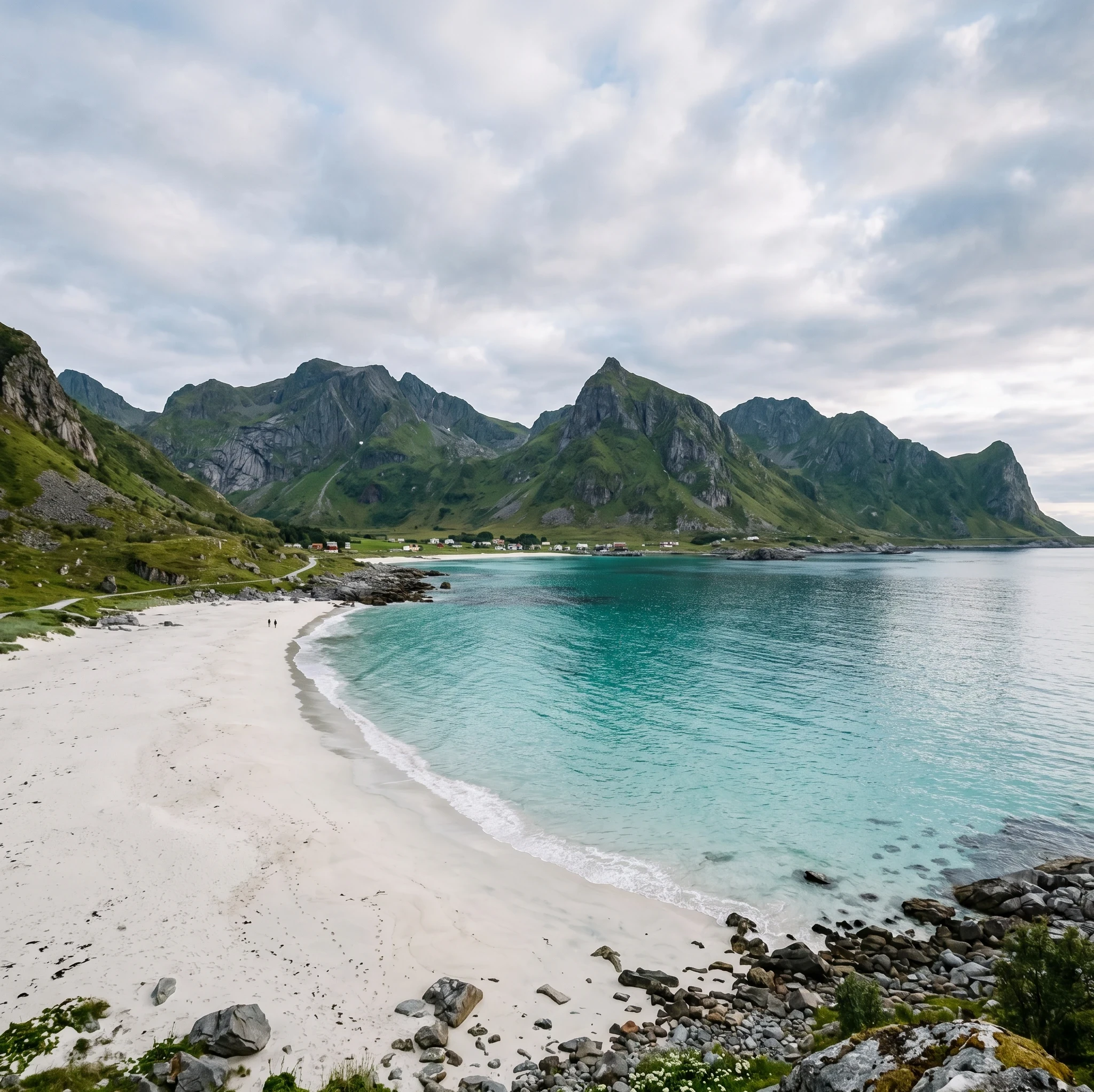
Even just sitting on the sand with a coffee and staring at the sea makes you feel like you’re a million miles from stress. If you’re after extra serenity, swing by in the late evening for golden hour, when the crowds thin out and the light takes everything up a notch.
For those who love a bit more action, both beaches are popular spots to try surfing or at least watch the locals set free their skills on the Arctic waves. There’s even a small food truck that operates in summer, serving coffee and cinnamon buns.
3. Explore Hamnøy Village (Most Photogenic Spot in Lofoten)
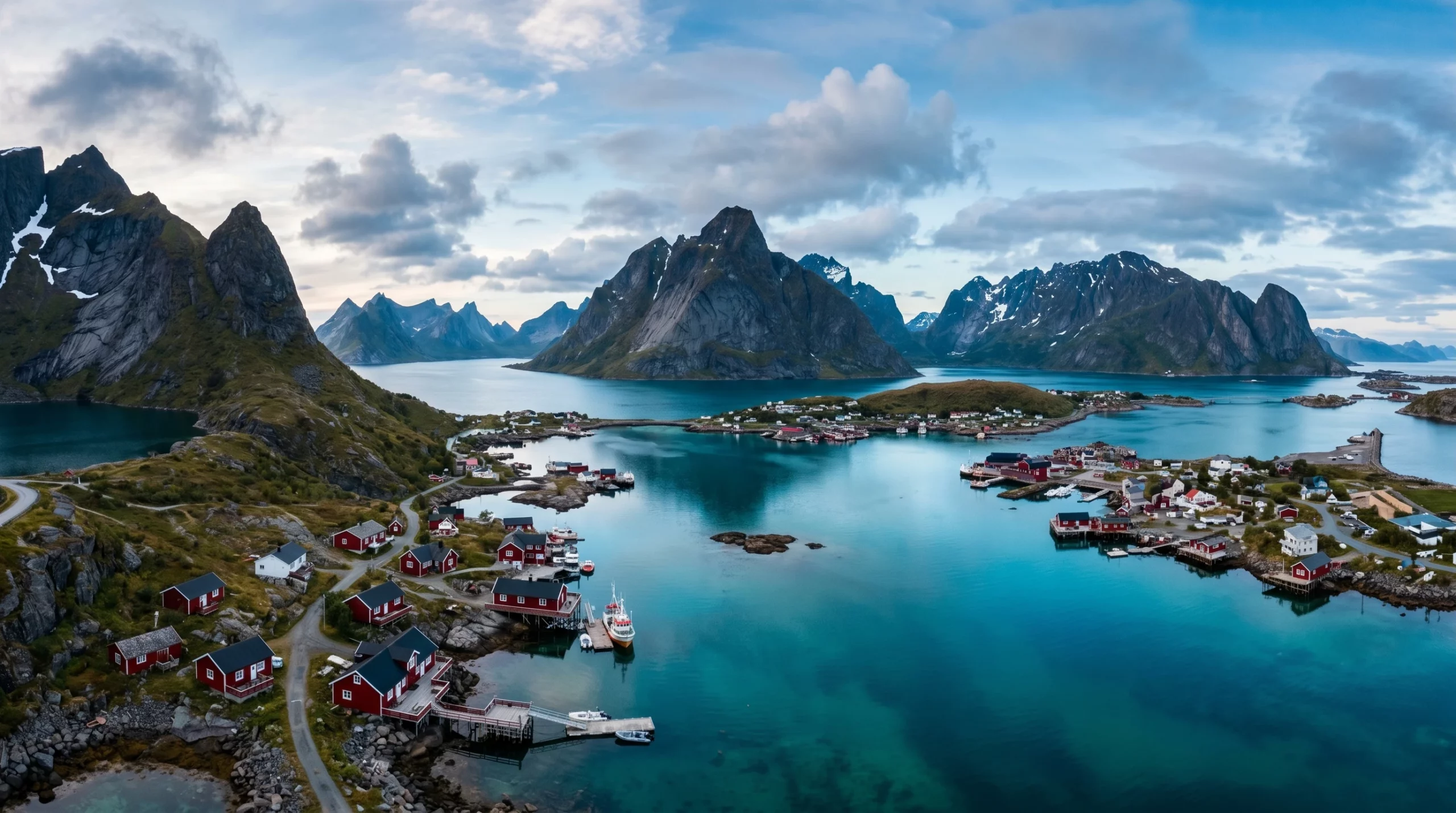
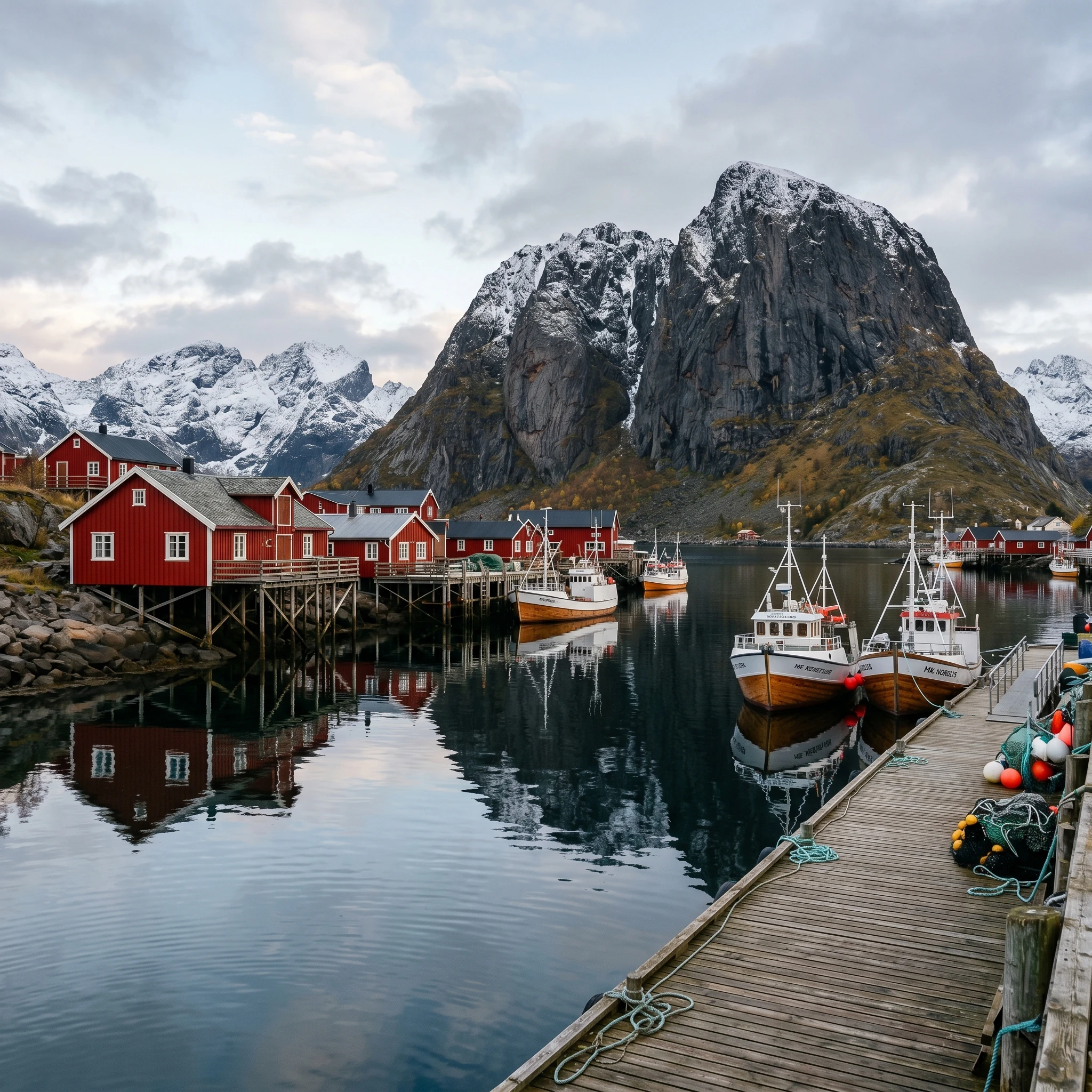
Hamnøy is a traditional fishing village in Lofoten known for its red rorbuer cabins set against dramatic mountain scenery. It is one of the most photographed locations in the region, especially from the nearby bridge viewpoint, and offers accommodation, dining, and easy access to surrounding attractions.
Hamnøy is probably the most photogenic village I’ve ever seen. The iconic red “rorbuer” cabins used to be fishermen’s homes, but now you can rent one and wake up right over the water.
It’s worth it if it’s in your budget. The bridge viewpoint at sunrise is absolutely killer for photos. Even if you’re not staying here, just walking around for a bit, watching the boats go by, and taking in that classic Lofoten vibe is super peaceful.
Hamnøy is also home to a couple of fantastic seafood restaurants where you can get ultra-fresh catches of the day, making it a favorite stop among foodies. Keep an eye out for sea eagles circling overhead as you stroll the docks.
I stopped here early in the morning on my way further into Lofoten, and the light hitting the red cabins was unreal. It was one of the quietest moments of my trip, just a few photographers and the sound of water around the docks.
Where to Stay Near Reine & Hamnøy
If you want an authentic experience, rorbuer cabins are the way to go. There are also plenty of waterfront guesthouses and a few budget options in and around Reine.
Mid-range / Apartments:
- Reinefjorden Sjøhus (apartments with fjord views)
- Eliassen Rorbuer (iconic red cabins in Hamnøy)
Hotels / Rorbuer (best experience):
- Sakrisøy Rorbuer (traditional waterfront cabins)
- Reine Rorbuer (classic Lofoten stay over water)
These book up quickly, so aim for early reservations during peak season. For an extra cozy touch, some cabins come with woodburning stoves, perfect for chilly Arctic nights.
4. Drive the Scenic E10 Road (Best Road Trip in Lofoten Islands)
The E10 road runs through the Lofoten Islands, connecting major towns, beaches, and viewpoints. It is considered one of Norway’s most scenic drives, with frequent opportunities to stop for photos, short hikes, and coastal views, making it ideal for flexible, self-paced travel by car.
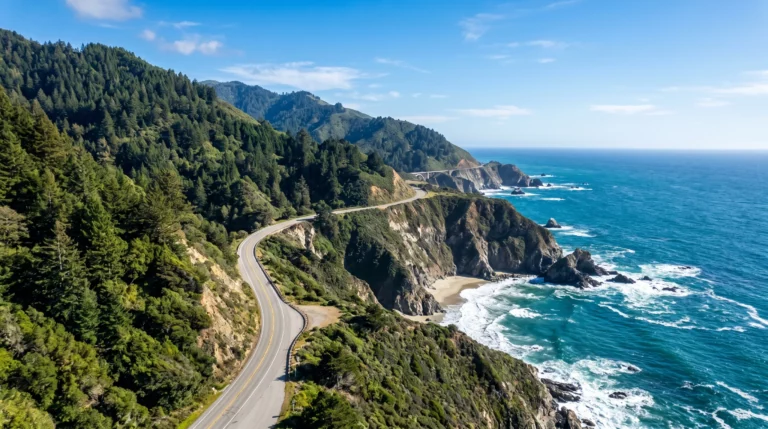
The E10 is the main road that snakes through Lofoten, connecting islands, villages, beaches, and fjords. This is one of the prettiest drives I’ve ever done, every time I thought I’d seen the best view, I rounded a corner and found something even wilder.
Driving from Narvik into Lofoten was easily one of the highlights of my trip. I kept pulling over every few minutes because the scenery just kept changing, mountains, bridges, beaches, all within short distances.
There are loads of pull offs and viewpoints, so this is not the place to rush. My tip: plan for detours! This road is all about exploring at your own pace, taking photos, and stopping for an impromptu picnic surrounded by insane scenery.
Some of the best views aren’t marked viewpoints, you just notice them while driving, which is why having time to stop freely matters.
Make sure to check out Rambergstranda Beach for a unique stretch of sand and the postcard-worthy Flakstad Church with its deep red timber.
Even on a rainy day in Ramberg, I ended up walking the beach anyway, it’s that hard to stay inside here.
If you’re traveling in winter, note that weather can change quickly. Some stretches may be icy, so drive with care and give yourself extra time. In summer, long daylight hours mean you can stretch your adventure well into the evening.
5. Kayak in Reinefjord (Unique Things To Do in Lofoten)
Kayaking in Reinefjord offers a calm-water experience surrounded by steep mountains and Arctic scenery. Suitable for beginners and experienced paddlers, guided tours are widely available and provide a unique perspective of Lofoten’s fjords, wildlife, and remote coastal landscapes.
Paddling in Reinefjord gives you a totally different perspective from hiking or driving. The water is usually calm, so it’s beginner friendly, and there are guided tours if you want a local’s insight plus safety backup, which is always nice.
I saw eagles overhead and the whole vibe from the water is just super peaceful. In summer, you’ll need to book ahead because spots fill up, especially on sunny days.
Kayaking on glassy Arctic water surrounded by alpine peaks is one of those things that just sticks with you. If you’re lucky, you might spot seals sunning themselves on the rocks, adding a touch of wildlife magic to your paddle.
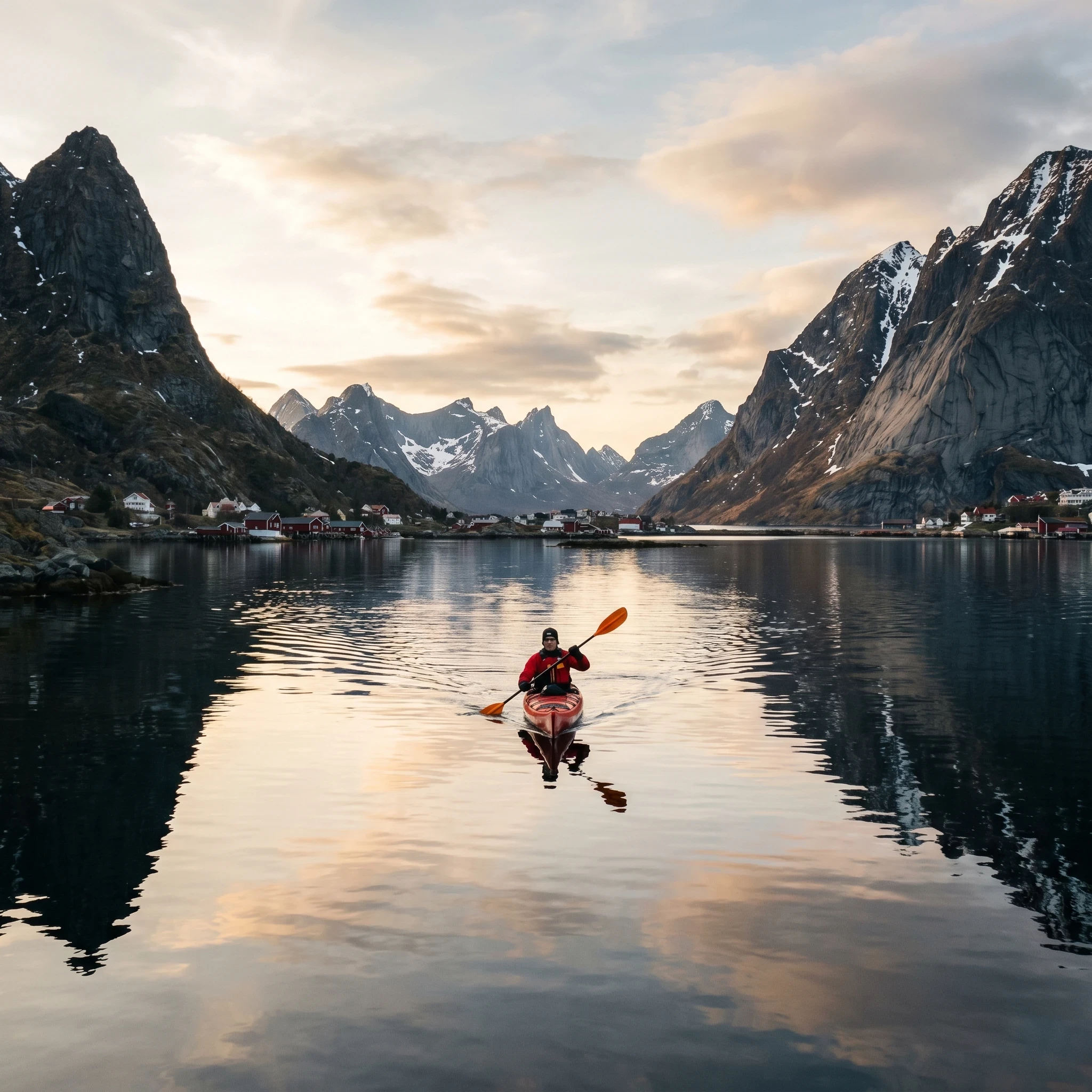
I didn’t get perfect weather during my time there, but even watching kayakers out on the fjord gave me a sense of how calm and still the water can be. It’s the kind of place where everything feels slower.
Want a longer adventure? Some outfitters offer multi-hour or even overnight kayak trips where you can camp at sheltered bays and enjoy total quiet beneath the mountains.
6. Visit Nusfjord Fishing Village (Historic Lofoten Experience)
Nusfjord is one of Norway’s oldest preserved fishing villages and a UNESCO-listed site. Visitors can explore historic cabins, a working harbor, small museums, and local cafés, offering insight into traditional fishing culture and a quieter alternative to more crowded Lofoten destinations.
Nusfjord is straight out of a storybook. It’s one of Norway’s oldest, best preserved fishing villages, a UNESCO site, and walking its little lanes feels like stepping into the past.
There are historic fishermen’s cabins, a working harbor, a tiny museum, and a cafe with epic views. It’s much quieter than the main tourist hubs, so this is a good place to slow down.
This was one of the quieter stops on my trip, and I really appreciated the slower pace after the more popular spots like Reine. Walking between the old cabins felt like stepping into a different time.
I recommend grabbing a cinnamon bun and just absorbing the atmosphere for a bit, it’s authentic and kinda magic. If you’re interested in local history, the museum does a great job sharing stories from Nusfjord’s fishing heyday, and you’ll also find tiny art shops selling handmade crafts by local artisans.
7. Chase the Midnight Sun or Northern Lights
Lofoten offers two unique seasonal light phenomena: the midnight sun in summer, with continuous daylight, and the northern lights in winter. These natural events attract photographers and travelers seeking extended daylight exploration or aurora viewing under dark Arctic skies.
Lofoten feels like a different world depending on the season. Visit in summer (May–July) for the midnight sun, which gives you 24 hours of daylight, pink skies in the middle of the night, and that surreal feeling that time doesn’t exist. In winter (September–March), the northern lights put on a serious show across the sky.
I’ve seen both, and honestly, there’s something addictive about the light here. Either way, bring a camera and be ready to sleep at weird hours. If you’re here for the aurora, check real-time forecast apps and aim to be near open coastlines or high viewpoints for the best shots.
On this trip, I experienced the long daylight instead, and it completely changes how you explore, you stop worrying about time and just keep going.
For photographers, golden hour lasts for what feels like eternity in Lofoten, so you’ll catch some of the best natural lighting on earth for your landscape shots.
Lofoten Islands 3-Day Itinerary (Perfect First-Time Plan)
A 3-day Lofoten itinerary typically includes visiting Haukland and Uttakleiv beaches, hiking Reinebringen, exploring Hamnøy, kayaking Reinefjord, visiting Nusfjord, and driving the E10 road. This route balances outdoor activities, scenic viewpoints, and cultural experiences for first-time visitors.
Day 1 – Beaches & Sunset Views in Lofoten
After arriving in Lofoten (most likely via Leknes or Svolvær airport), pick up your rental car and start with the western beaches.
What to do:
- Haukland Beach for first views of white sand and turquoise water
- Walk or drive to nearby Uttakleiv Beach
- Optional sunset at Uttakleiv (one of the best in Lofoten)
I started my own road trip after coming from Narvik, and this stretch felt like the first real moment where Lofoten “opened up” visually.
Where to stay (Day 1 options):
Camping:
- Lofoten Beach Camp (Uttakleiv area)
- Basic coastal campsites near Leknes
Mid-range:
- Ramberg Guesthouse (simple but well-located)
- Lofoten Basecamp (near Leknes, modern cabins)
Hotels / Cabins:
- Hattvika Lodge (Borg area, upgraded rorbuer-style cabins)
- Traditional rorbuer cabins near Ballstad or Gravdal
Tip: Staying near Leknes makes driving easier for Day 2.
Day 2 – Reinebringen Hike & Reinefjord
This is the most iconic day of the trip and includes the most photographed locations in Lofoten.
What to do:
- Early hike up Reinebringen (best in morning light)
- Stop at Hamnøy bridge viewpoint for photos
- Explore Reine village
- Optional kayak trip in Reinefjord (book ahead)
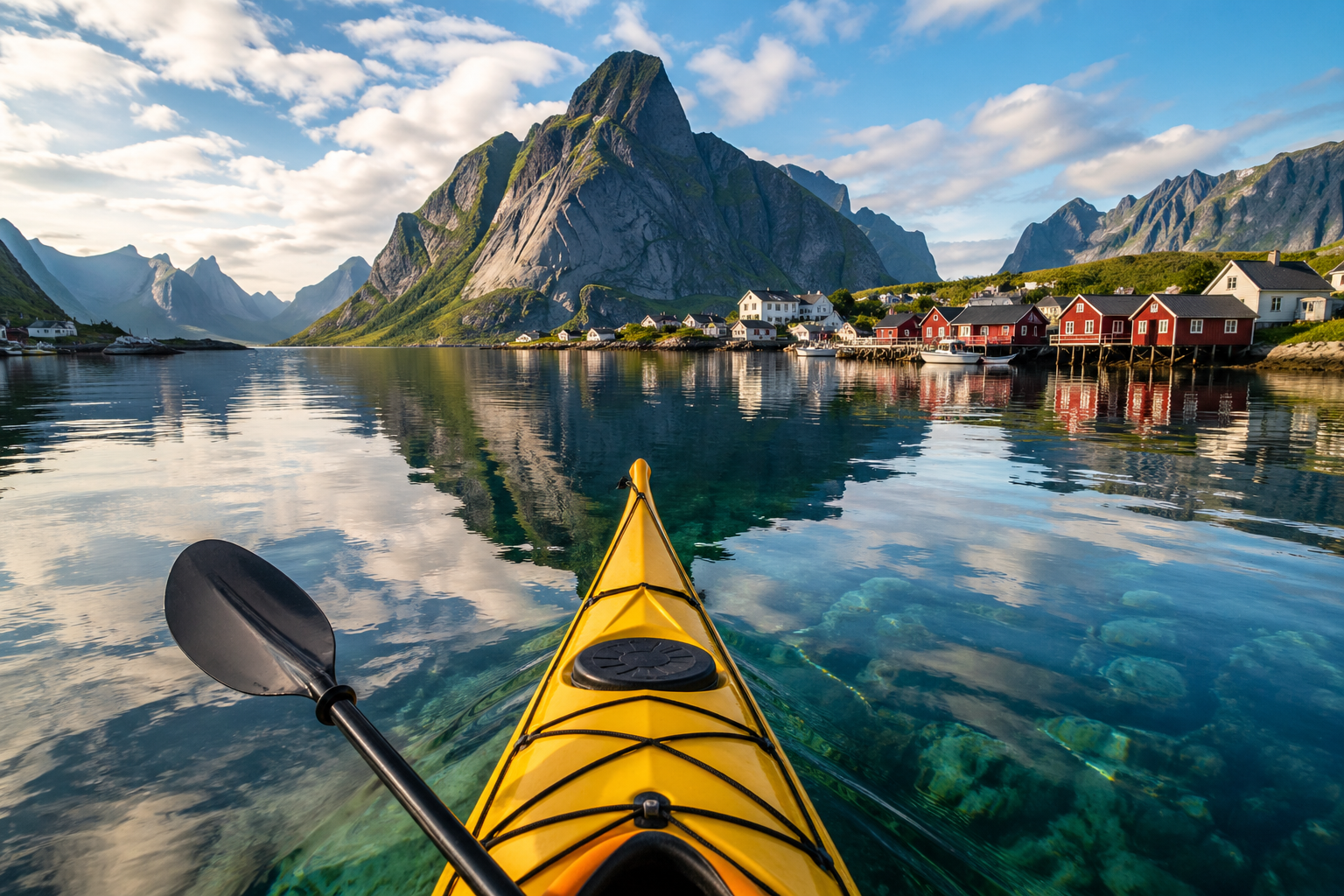
During my drive through this area, I kept stopping constantly, the scenery changes every few minutes, especially around Hamnøy.
Where to stay (Day 2 options):
Camping:
- Moskenes Camping (simple, close to Reine)
- Sørvågen area campsites
Mid-range / Apartments:
- Reinefjorden Sjøhus (apartments with fjord views)
- Eliassen Rorbuer (iconic red cabins in Hamnøy)
Hotels / Rorbuer (best experience):
- Sakrisøy Rorbuer (traditional waterfront cabins)
- Reine Rorbuer (classic Lofoten stay over water)
Tip: Book this area early, it sells out first in summer.
Day 3 – Nusfjord & Scenic E10 Drive
The final day is slower, focusing on heritage, small villages, and scenic driving.
What to do:
- Morning trip out to Nusfjord, wander the quiet village, visit the old fishing huts, and maybe check out the museum
- Drive the E10 at your own pace, stopping for photos and short walks, especially at Flakstad Church and Ramberg beach
- Wrap up at a local café or waterfront spot, maybe trying a cinnamon bun or local seafood dish
- Scenic drive along the E10 back toward Leknes or Svolvær
On my own trip, this was the day where I slowed down the most, less rushing, more stopping whenever something caught my attention.
The best smoked salmon I had in Norway was in Lofoten. The flavor from the islands is hard to beat anywhere else.
Where to stay (if extending or splitting travel):
Camping:
- Ramberg Camping (great beach location)
- Skagsanden Camping (popular surf area)
Mid-range:
- Nusfjord Village & Resort (premium historic stay)
- Ramberg Guesthouse
Hotels / Lodges:
- Svinøya Rorbuer (Svolvær, northern base option)
- Thon Hotel Lofoten (Svolvær, modern comfort)
How Long Things Actually Took Me
One thing I didn’t expect was how much longer everything takes in Lofoten:
- Narvik to Ramberg (with stops): ~4–5 hours
- Short scenic drives: often double the expected time
- Reinebringen hike + photos: ~2–3 hours total
I kept stopping for photos, short walks, or just to take in the view. It’s not a place where you just drive from A to B.
There were moments where I underestimated how long things would take, especially with frequent stops, and had to adjust my plans on the go.
Road Trip Notes (Important)
- Driving distances are short, but stops make everything longer
- Expect frequent photo breaks, this is normal in Lofoten
- Weather changes quickly, especially along coastal routes
- Campsites are good for budget travelers, but rorbuer cabins offer the most authentic experience
- Booking accommodation early is essential in peak season (June–August)
Lofoten Travel Tips (What You Need to Know Before Visiting)
Traveling in Lofoten requires preparation due to changing weather, high costs, and limited public transport. Renting a car is recommended, accommodations should be booked early, and packing for wind and rain is essential, even in summer, to ensure a smooth and flexible trip.
These are a few things I learned during my road trip through Lofoten:
Best time to visit: June–September for warmth and midnight sun, September–March for northern lights
Getting around: Renting a car is super important, the bus network is tiny and infrequent
Having a car made a huge difference for me, especially since I was coming from Sweden and could stop wherever I wanted along the way.
Costs: Norway can be expensive, especially for food and lodging. Book your stays as early as possible for better deals
I tried to keep costs down by staying at campsites when possible, especially before reaching Lofoten.
Weather: The forecast changes fast, always pack for wind, rain, and chilly nights, even in summer. I recommend checking the official forecast before heading out.
The rain I experienced didn’t come as heavy storms, but more as shifting conditions, clear one moment, grey the next.
I had rain during part of my stay in Ramberg, and honestly, it didn’t ruin the experience, but it definitely made me glad I had proper layers.
Photography: Bring spare batteries! Cold air drains them fast, and you’ll want to shoot a ton
Packing essentials: Don’t forget a reusable water bottle, a headlamp for late autumn, and a small backpack for day trips.
Cost of Visiting Lofoten Islands (Budget Breakdown)
Lofoten is an expensive destination, with accommodation ranging from €100 to €250 per night, meals costing €15 to €30, and car rentals averaging €50 to €120 per day. Planning ahead, booking early, and combining accommodation types can help manage travel expenses effectively.
Lofoten is one of the most beautiful places I’ve visited, but also one of the more expensive ones. Planning ahead makes a big difference.
Here’s a rough idea of what to expect:
- Accommodation: €100–€250 per night for rorbuer cabins or guesthouses
- Food: €15–€30 for a casual meal, more for restaurants
- Car rental: €50–€120 per day depending on season
- Fuel: Higher than most of Europe, especially in remote areas
- Activities (like kayaking): €70–€150 per person
During my trip, I tried to balance costs by staying at campsites before reaching Lofoten and keeping things simple with food. If you’re road-tripping like I did, mixing camping with occasional guesthouses can really help keep your budget under control.
To manage costs, I avoided eating out for every meal and kept things simple during driving days. I also prioritized spending on experiences and locations rather than upgrading accommodation every night.
I noticed that even simple things like coffee or snacks were noticeably more expensive than in Sweden, especially in smaller villages.
Tip: Book accommodation early, especially in summer. Prices go up fast and availability drops quickly.
What to Pack for Lofoten (Essential Gear List)
Packing for Lofoten should include waterproof clothing, windproof layers, hiking shoes, and warm clothing regardless of season. Weather conditions change rapidly, and proper gear ensures comfort during outdoor activities such as hiking, beach visits, and scenic exploration.
Even in summer, Lofoten weather can change quickly. I had rain during part of my stay in Ramberg, and I was glad I came prepared.
Here’s what I recommend bringing:
- Waterproof jacket (essential)
- Windproof layers (it gets windy near the coast)
- Comfortable hiking shoes
- Warm hoodie or fleece
- Camera + spare batteries (cold drains them fast)
- Reusable water bottle
- Small backpack for day trips
If you’re visiting outside peak summer, add gloves and a hat. Even when it doesn’t look extreme, the wind can make it feel much colder than expected.
Mistakes to Avoid When Visiting Lofoten Islands
Common mistakes when visiting Lofoten include underestimating weather changes, not renting a car, booking accommodation too late, and trying to rush between locations. Slowing down and allowing flexibility in your itinerary improves the overall experience in this scenic region.
A few things I learned (or was glad I avoided) during my trip:
1. Underestimating the weather
The weather changes fast. Even on days that start clear, rain can roll in quickly. I had a rainy day in Ramberg, but still ended up out exploring, it just requires the right mindset and gear.
2. Trying to rush everything
Distances may look short on the map, but you’ll want to stop constantly. When I was driving, I kept pulling over for views, which slowed everything down, in a good way.
3. Not booking accommodation early
Lofoten gets busy, especially in summer. The best places (especially rorbuer cabins) fill up fast.
4. Skipping a car rental
It’s possible to visit without a car, but honestly, having one made the whole experience much easier and more flexible, especially coming from Sweden.
5. Expecting perfect weather
Not every day will be sunny, and that’s part of the experience. Some of my favorite moments happened when the weather wasn’t great, giving the landscape a more raw, dramatic feel.
Lofoten Islands Map: Plan Your Route & Find the Best Stays
Using a map to plan your Lofoten route helps identify key locations such as Reine, Hamnøy, Leknes, and Nusfjord. Mapping distances and accommodation options in advance allows for more efficient travel and better access to major attractions across the islands.
Plan your route and find the best stays near each attraction:
What I’d Do Differently Visiting Lofoten
When visiting Lofoten, it’s better to slow down, plan fewer daily stops, and book accommodation early, especially in peak season. Driving takes longer than expected due to frequent scenic stops, and embracing changing weather conditions can improve the experience, as even rainy days can offer unique and memorable landscapes.
If I were to plan this trip again, there are a few things I would change based on my experience:
- I’d spend more time in one place instead of moving around
I initially thought I needed to see everything, but Lofoten is better experienced slowly. Staying longer in areas like Ramberg would have made the trip more relaxed. - I’d plan fewer stops per day
Driving distances are short, but I kept stopping for views constantly. What looked like a 1-hour drive often turned into 3 hours. - I’d book accommodation earlier
Some of the places I looked at were already full, especially near Reine and Hamnøy. - I’d embrace bad weather more from the start
The rainy day I had in Ramberg turned out to be one of the most memorable. The landscape felt more dramatic, not worse.
Join Road Voyagist
Subscribe to Road Voyagist and get updates on the latest posts, trip tips and more from Bella of Road Voyagist straight to your inbox.
Lofoten Islands FAQ (Travel Questions Answered)
Lofoten is suitable for families, best explored by car, and offers fresh seafood and outdoor experiences. Most visitors spend 2–5 days exploring, depending on activities, with longer stays recommended for flexibility due to weather and travel distances.
- Is Lofoten suitable for families?
Totally. There are mellow hikes, easy drives, and loads of outdoor play areas. Just pack layers for the kids. - Can you visit Lofoten without a car?
It’s possible but not ideal. Buses exist, but they’re sparse; renting a car gives way more freedom. - What’s the food like?
Think superfresh seafood, delicious pastries, and local cheese. I recommend trying stockfish (dried cod). It’s a Lofoten classic. - Any hidden spots worth seeing?
Sørvågen is quieter but really cozy, and there are small art galleries and bakeries if you need a break from hiking and photos. - How many days should you spend?
Two to three days covers the highlights, but if you want to add extra hikes, relax, or chase the light, four to five days gives you more breathing room (and better odds with changing weather).
Is Lofoten Worth Visiting? Final Thoughts
Lofoten is considered one of Norway’s most unique destinations due to its combination of mountains, ocean landscapes, and Arctic light conditions. It appeals to photographers, hikers, and travelers seeking nature-focused experiences, making it a highly recommended destination despite higher travel costs.
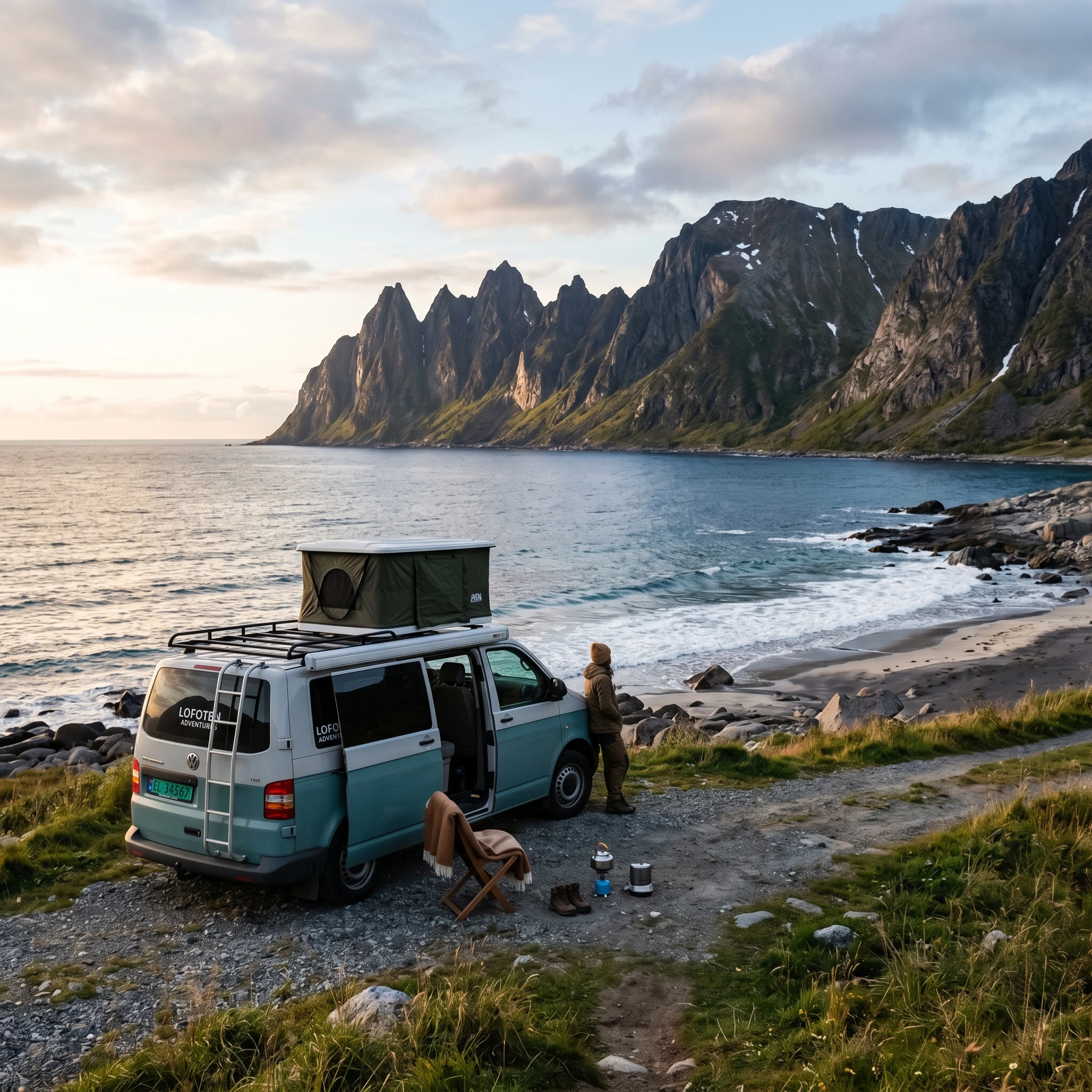
It’s wild, it’s raw, and it’s honestly one of those places that stays with you long after you leave. I came for the mountain views and left wanting more: the wildness, the quiet, the way the sea and mountains meet.
Whether you’re a photographer, a hiker, or a chill traveler in need of peace, Lofoten will not disappoint. Pack your curiosity, charge your camera, and lean into the unpredictable. Lofoten isn’t just a place, it’s an experience.
Ready to feel something different? Book that flight, and go see for yourself. You’ll end up dreaming of Lofoten long after you come home.
Happy travels!
Note: This article contains affiliate products. We earn a commission if you make a purchase, at no additional cost to you.

Bella Hartwell
I’m Bella Hartwell, a travel enthusiast who has organized multiple road trips.
I share hands-on tips, tested gear lists, and personal stories to help others travel smarter.
The best kind of freedom starts on the open road.