Least Crowded National Parks In The USA For Camping (Best Spots For Privacy)
The least crowded national parks in the USA offer a chance to camp in peace, away from busy campgrounds and packed trails. Parks like Great Basin, North Cascades, and Isle Royale stand out for their low visitor numbers, remote locations, and strong backcountry access, making them ideal for privacy camping.
Getting away from the crowds and finding real solitude in nature is one of my biggest priorities when planning a camping trip in America’s national parks.
While most people picture packed campgrounds and noisy neighbors, there’s a quieter side of the US park system just waiting to be tracked down, if you know where to look. I’m going to share exactly how you can find those secret, peaceful corners, including some of my favorite parks for privacy camping and the tips I use to avoid the masses.
TL;DR
The best way to find private camping in U.S. national parks is to choose less crowded parks like Great Basin or North Cascades, travel during off-peak times, and explore backcountry or remote areas. Avoid popular zones, plan permits in advance, and prioritize distance from roads and main campgrounds.
- The least crowded national parks for camping include Great Basin, North Cascades, Isle Royale, Guadalupe Mountains, Big Bend, and Wrangell–St. Elias
- Choose parks with low visitor numbers, large wilderness areas, and backcountry access
- Camp during spring, fall, or midweek to avoid peak crowds
- Backcountry camping offers the most privacy, but quiet campgrounds exist in less popular parks
- Move away from roads, visitor centers, and main trails to find real solitude
- Plan ahead with permits, maps, and ranger advice to secure the best secluded spots
What Is “Privacy Camping”? The Basics
Privacy camping means setting up in locations where you are far from crowds, noise, and busy campgrounds. This usually involves backcountry camping, choosing low-traffic campgrounds, or visiting during off-peak seasons to maximize solitude and connection with nature.
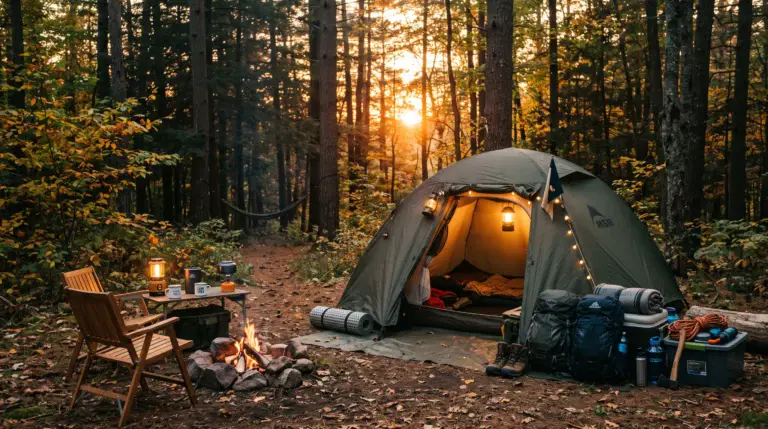
Privacy camping is all about pitching your tent or parking your rig somewhere that feels genuinely away from the crowds. You’re looking for sites where you can listen to the breeze through the trees instead of the chatter from the next campsite over. There are a few different ways to pull this off:
- Backcountry camping: Hike or paddle into remote areas with designated or dispersed sites, sometimes far from the beaten path.
- Low traffic campgrounds: Smaller, out of the way campgrounds in less popular zones of the park.
- Shoulder season stays: Spring and fall are usually way less crowded than summer.
I’m a big fan of mixing all three methods. Sometimes I’ll strike off into the backcountry for total solitude, and sometimes a “lesser known” developed campsite fits the bill just right.
| Park | Best For | Why It’s Quiet |
|---|---|---|
| Great Basin | Stargazing | Remote location |
| North Cascades | Backpacking | Low visitation |
| Isle Royale | Isolation | Limited access |
| Guadalupe Mountains | Adventure | Harsh terrain |
| Big Bend | Space | Massive area |
| Wrangell–St. Elias | True wilderness | Extreme remoteness |
Join Road Voyagist
Subscribe to Road Voyagist and get updates on the latest posts, trip tips and more from Bella of Road Voyagist straight to your inbox.
What Makes a National Park Great for Privacy Camping?
The best national parks for privacy camping typically have low visitor numbers, large land areas, and strong backcountry access. Remote locations and permit systems also help limit crowds, making it easier to find quiet campsites away from busy areas.
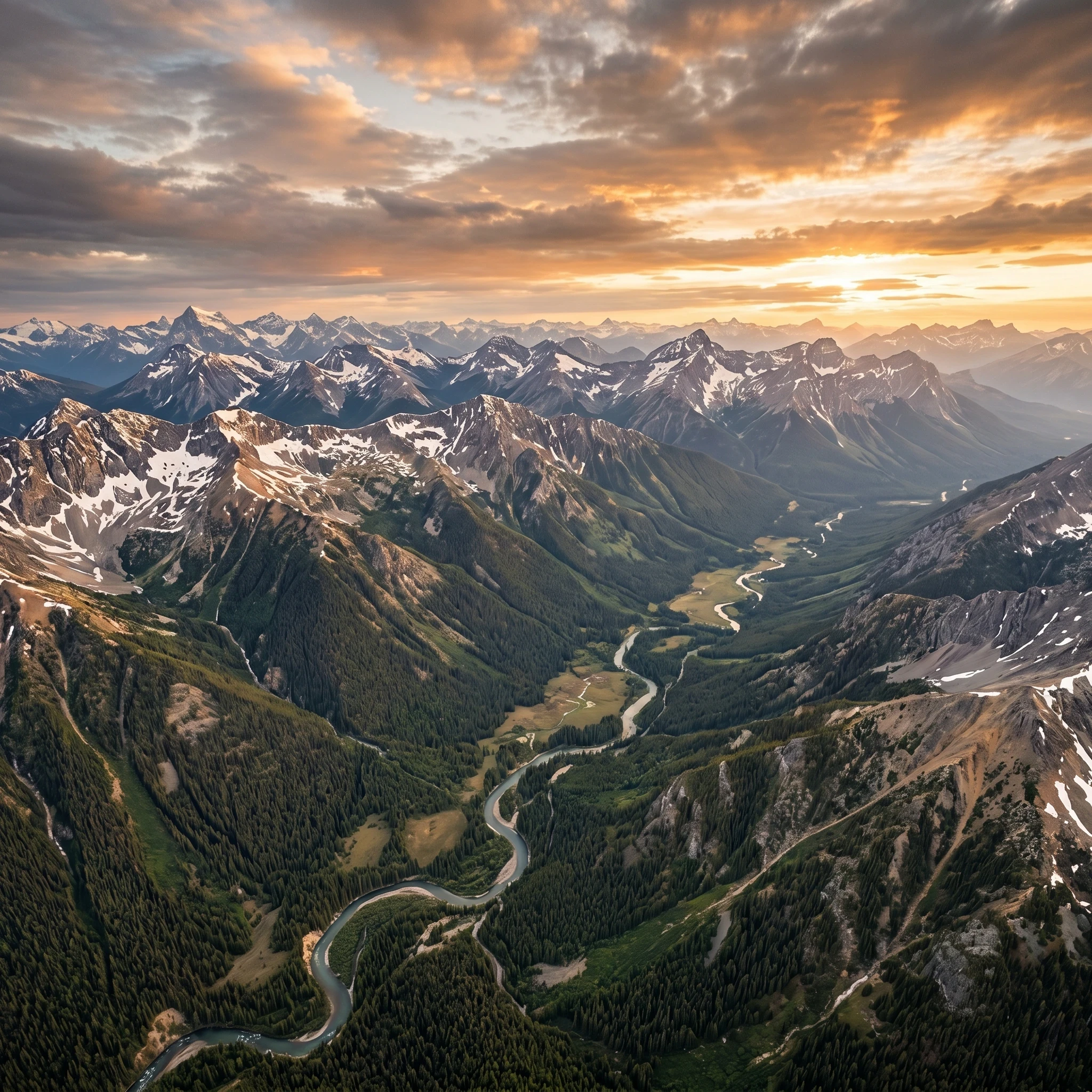
The vibe of a camping trip depends a lot on the park you pick. Here’s what I’m looking out for when I’m trying to escape the crowds:
Low Visitor Density
Parks with fewer annual visitors naturally offer quieter campsites. Think about the difference between camping in Yosemite Valley (crazy busy, year round) versus pitching your tent in Nevada’s remote corners, huge difference in the overall experience.
Backcountry Access and Permits
Parks with a strong backcountry system give you the chance to grab hike in permits for secluded areas. The farther you’re willing to walk (or paddle), the thinner the crowds become. Some parks require backcountry permits for these zones, which helps keep numbers down too.
Large Land Area
The bigger the park, the easier it is to find your own slice of wilderness. Massive parks mean more less traveled nooks where peace and quiet come naturally.
Remote Location
Far flung parks just aren’t as easy to reach, and that keeps the overall visitor numbers down. I’ve found that parks with tricky access roads, long drives, or limited transportation options tend to be far quieter.
Quick Answer: Best National Parks in the USA for Privacy Camping
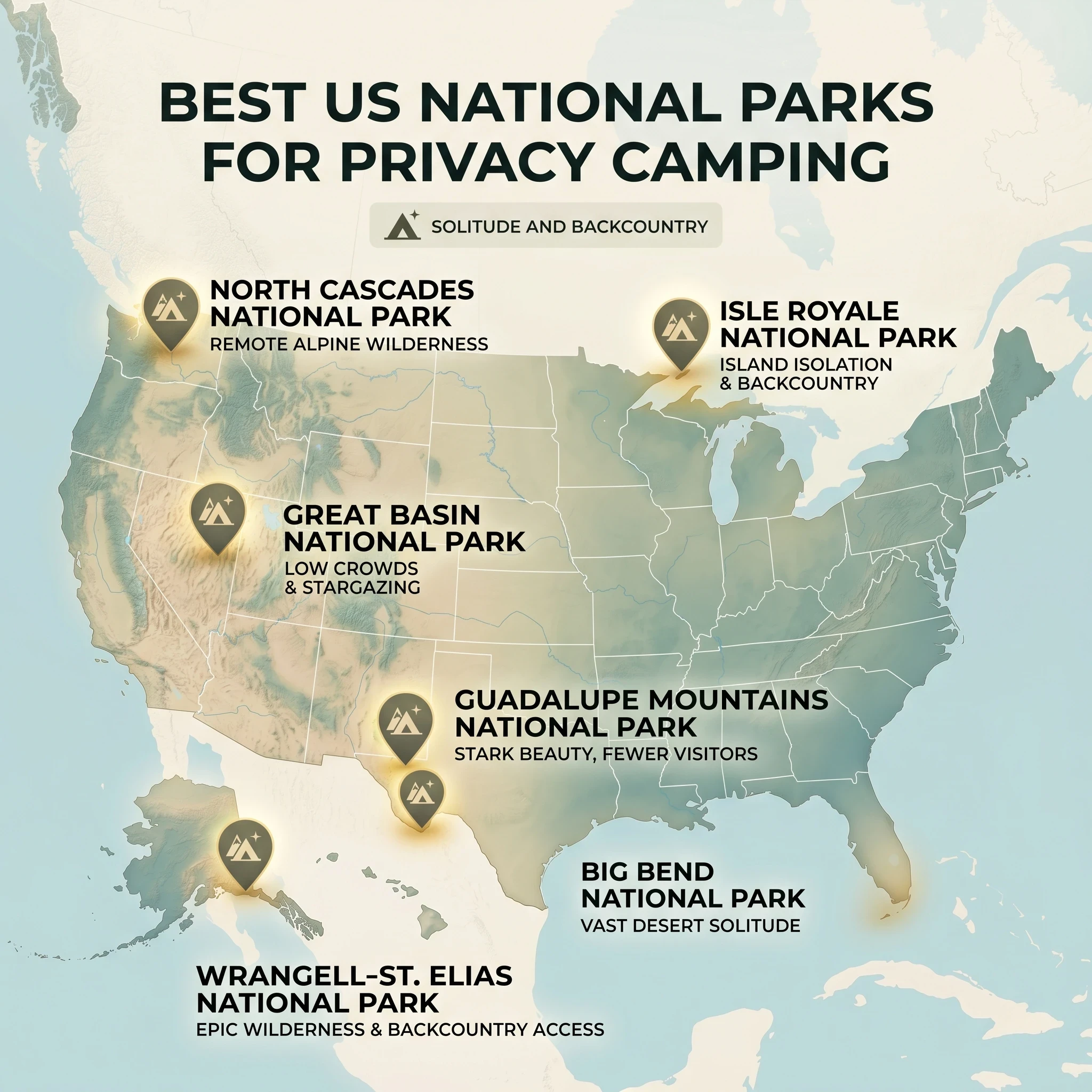
The best national parks in the USA for privacy camping include Great Basin, North Cascades, Isle Royale, Guadalupe Mountains, Big Bend, and Wrangell–St. Elias. These parks are known for low visitor numbers, large wilderness areas, and remote access, making them ideal for avoiding crowds and finding quiet campsites.
Short on time and just want my shortlist for seclusion? Here are several top picks for national parks where you can actually find some privacy when camping:
- Great Basin National Park, Nevada
- North Cascades National Park, Washington
- Isle Royale National Park, Michigan
- Guadalupe Mountains National Park, Texas
- Big Bend National Park, Texas
- Wrangell–St. Elias National Park, Alaska
Best National Parks for Private Camping (Get Into the Details)
The best national parks for private camping are those with remote access, low visitation, and strong backcountry systems. Parks like Great Basin, North Cascades, and Wrangell–St. Elias provide opportunities to camp far from crowds, offering a more secluded and immersive outdoor experience.
1. Great Basin National Park (Nevada)
Great Basin is pretty much the definition of underrated. Tucked away near the Utah border, it stays off most people’s radar. The park is remote, the scenery is rugged, and the stargazing is incredible thanks to super low light pollution. Ancient bristlecone pine forests, hidden alpine lakes, and the surreal Lehman Caves are all highlights.
Camping here is chill. Several smaller campgrounds rarely fill up, and dispersed camping is also allowed just outside the park. If you crave a true “nobody around” feeling, this spot is worth the long drive.
2. North Cascades National Park (Washington)
Despite eye catching glacier peaks and sparkling alpine lakes, so few people make the trip here that it sometimes feels like your own private wilderness. If backpacking is your thing, you’ll find over 400 miles of trails, many with barely any human traffic even in mid summer.
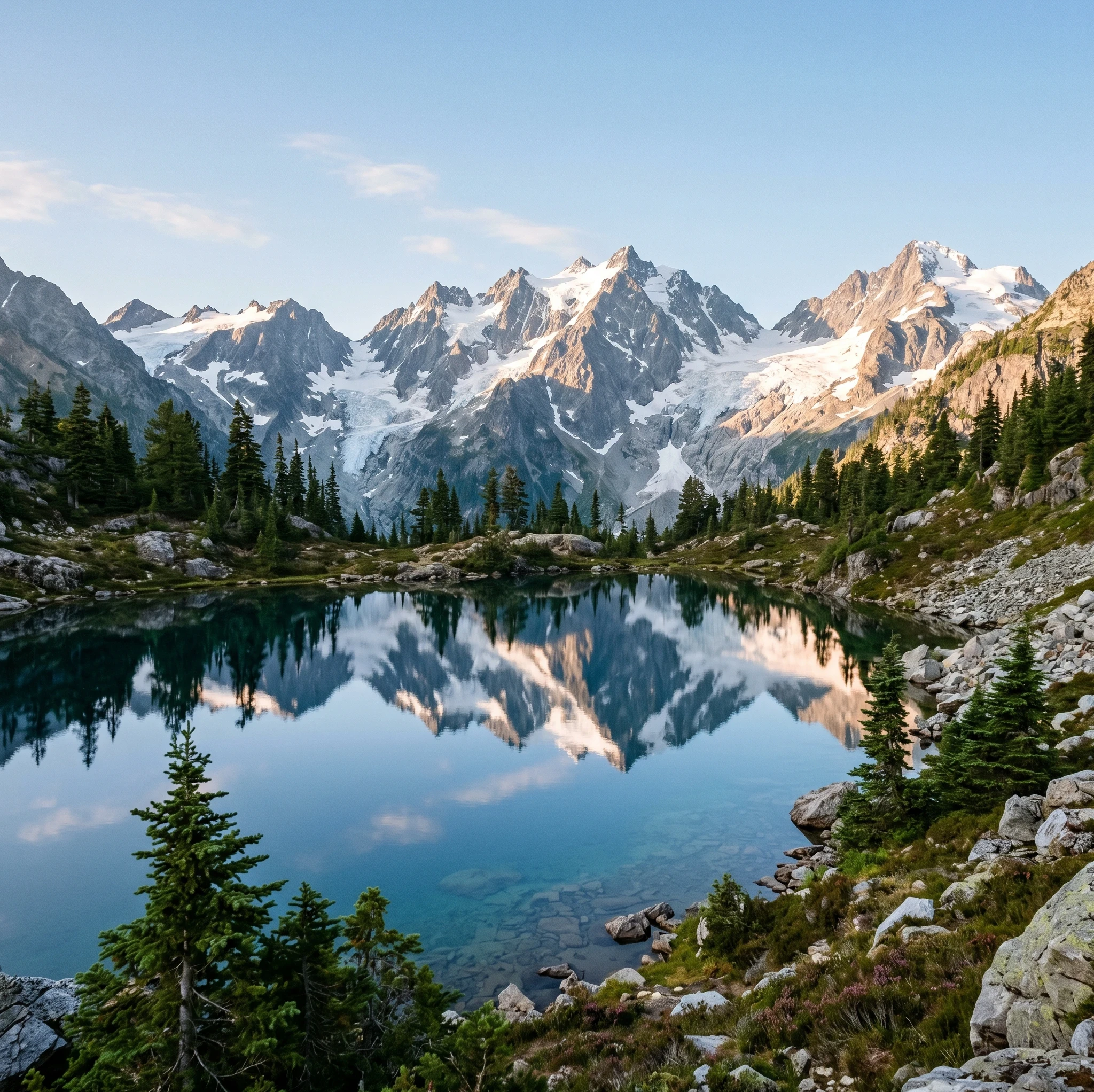
Permits keep things in check, especially for the most magical backcountry zones. North Cascades is a dream if you love setting up camp miles from the next neighbor, falling asleep to the sound of distant waterfalls and wind in the pines.
North Cascades receives fewer than 50,000 visitors annually, making it one of the least visited parks in the U.S.
3. Isle Royale National Park (Michigan)
Getting here is an adventure on its own, you have to hop a boat or a floatplane, which instantly limits visitor numbers. The island is car free, and only a few hundred people are allowed at a time. Wildlife outnumbers humans (moose, wolves, loons), and the network of waterfront, forest, and inland lakeside campsites offers real wilderness vibes.
If you want total isolation, spend a few nights hiking along the Greenstone Ridge Trail and camping at the more remote backcountry sites scattered across the island. Make sure you reserve your return boat in advance, as trips can book up quick in the very short summer season.
4. Guadalupe Mountains National Park (Texas)
This one’s for the diehard adventurers. The rugged terrain, harsh desert climate, and long drive from most cities keep the crowds away. Guadalupe beckons if you want to pitch your tent under Texas’ tallest peak and wake up with the sunrise hitting rocky canyons.
Campgrounds are minimalist, and backcountry camping is allowed in select spots with permits. Expect solitude everywhere, just pack plenty of water, as it’s hard to find onsite. Bonus: the fall colors here, especially around McKittrick Canyon, are worth the effort if you time your visit right.
5. Big Bend National Park (Texas)
Big Bend covers over 800,000 acres along the Rio Grande, making it hard for even the busiest holiday weekend to feel packed. There are developed campgrounds, but the coolest move for privacy is to grab a backcountry driving permit and snag a “roadside primitive” site. These are scattered down dirt tracks and often feel like you have your own private desert retreat.
If you’re into astronomy, Big Bend also has some of the darkest night skies in the lower 48 states, you truly camp under a blanket of stars. Canoeing or kayaking along the river gives you even more options for secluded riverbank campsites.
6. Wrangell–St. Elias National Park (Alaska)
Wrangell–St. Elias is the real deal if you want full isolation. Covering an area larger than Yellowstone, Yosemite, and Switzerland combined, its wild size alone makes seclusion easy. Most access is via gravel roads or bush plane, and backcountry camping is encouraged for well prepared adventurers.
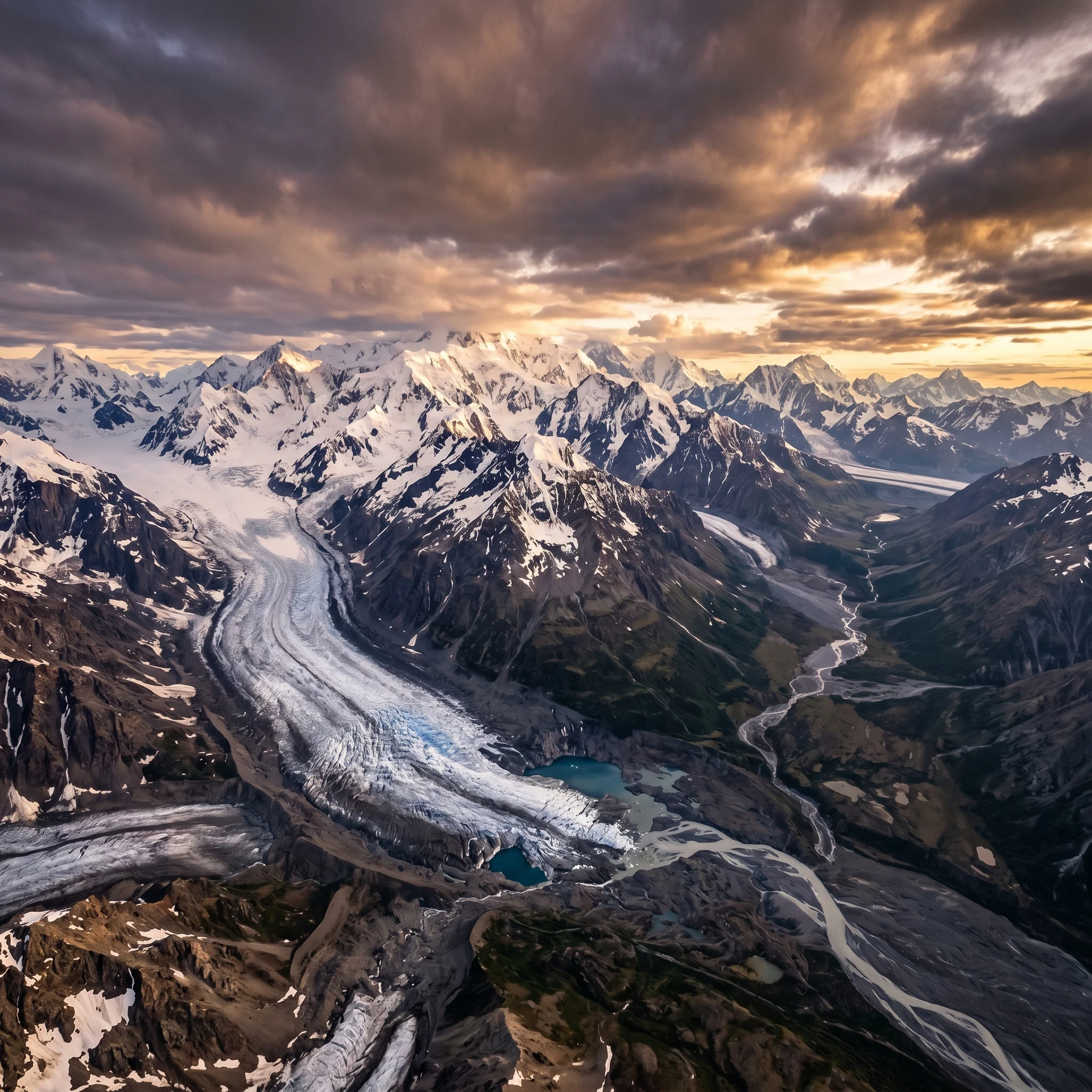
You’re more likely to see a bear than another tent. Make sure you know your wilderness skills, but the payoff is unspoiled nature as far as you can see. If you want to see real mountains and glaciers with nobody else in sight, this is the spot.
Tip: Always check the official National Park Service website for updated rules and permit requirements.
Hidden Gems: Finding Solitude Inside Popular Parks
Even the most popular national parks have quiet areas if you move beyond main attractions. Backcountry zones, lesser-known trails, and remote campsites often provide solitude, especially when you travel a few miles away from roads, visitor centers, and high-traffic viewpoints.
Sneaky tip: even the famous parks (think Yellowstone, Grand Canyon, or Zion) have quiet zones once you move beyond the Instagram hotspots and big campgrounds. Many have designated backcountry camping areas, accessible only by backpacking a mile or two (or much more) away from the road:
- Yellowstone’s far flung backcountry campsites along the Thorofare or Bechler regions
- Remote zones like the Grand Canyon’s Kanab or Hermit basins
Ask a park ranger about under the radar campsites or off peak zones, they’re usually happy to help. Another trick is to check out maps for unofficial trails or less developed access points that don’t get as much traffic.
Best Time to Camp for Maximum Privacy
The best time to camp for privacy is during shoulder seasons like spring and fall, or midweek when visitor numbers drop. Arriving early in the morning or late in the day can also help secure quieter campsites and avoid peak crowds.
Shoulder Seasons
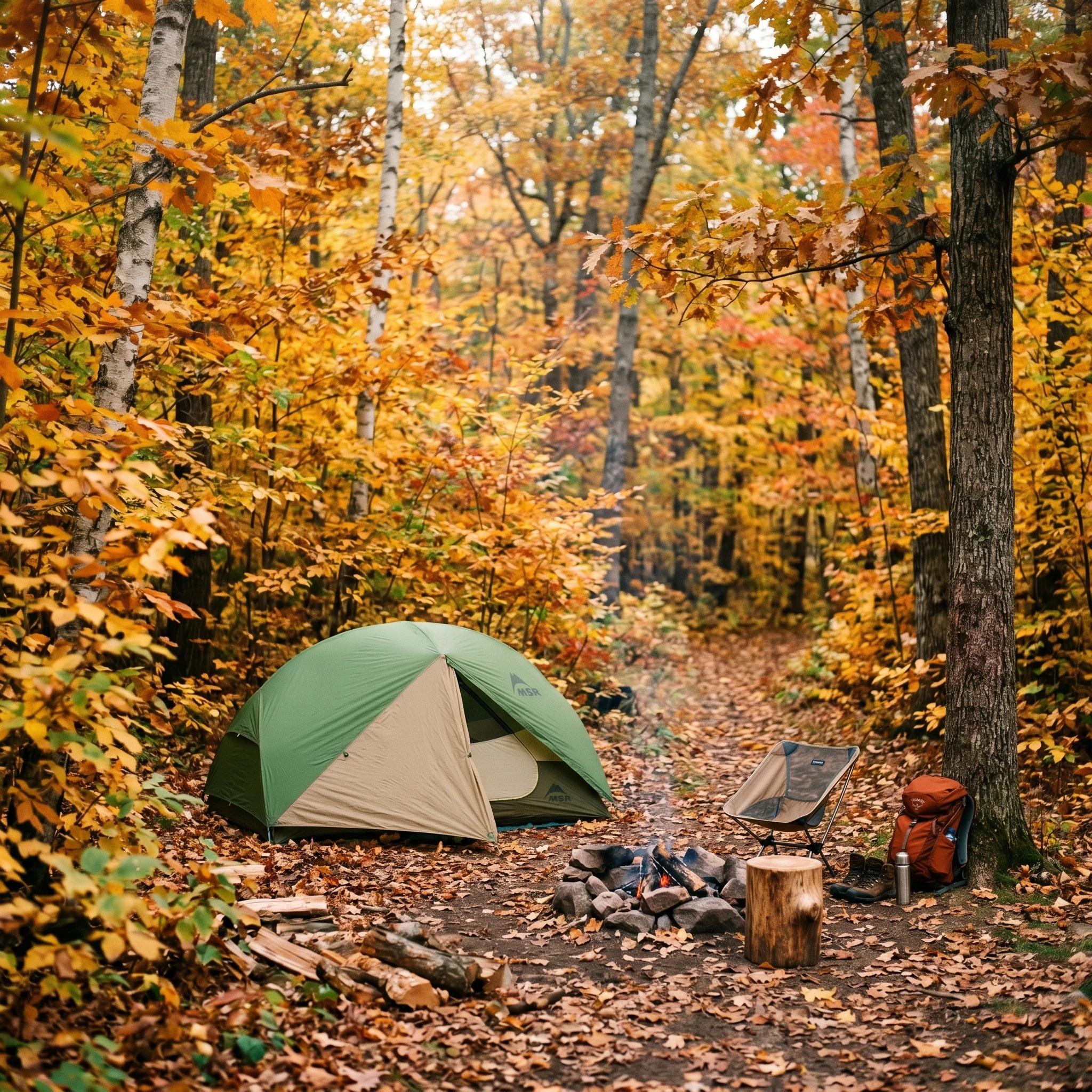
I try to visit in early spring or fall before the crowds of summer show up or after they’ve left. The weather can swing from warm to chilly, but it’s a solid trade off for the peace and quiet. Some wildlife viewing even gets better outside peak months.
Midweek Bonus
Arriving on a Tuesday instead of a Friday can make all the difference. Fewer people means more options for choosing your perfect site and more chance for those magical undisturbed moments.
Timing Your Arrival
I often plan to show up at sunrise or just before sunset, which can help claim a site before or after the bulk of travelers arrive or leave. You also get to enjoy golden hour views in peace.
Backcountry vs. Campgrounds: Which Wins for Privacy?
Backcountry camping offers the highest level of privacy, as it requires traveling away from roads and developed areas. However, quieter frontcountry campgrounds can also provide solitude if located in less popular parks or away from main facilities and high-traffic zones.
Backcountry Camping
If your main goal is to avoid everyone else, backcountry is the way to go. You’ll probably need a permit and should have solid navigation skills, but you get true solitude and immersion in nature.
Frontcountry Campgrounds
Even developed campgrounds can offer some seclusion, especially in less trafficked parks. Choosing a spot far from the restroom or communal areas helps. Some campgrounds have walk in sites that are farther from the road and usually quieter.
Pro Tips for Finding a Secluded Campsite
Finding a secluded campsite requires planning ahead, choosing less popular parks, arriving early, and exploring areas away from main roads or facilities. Using park maps, talking to rangers, and targeting primitive or backcountry sites can significantly increase your chances of camping in peace.
- Arrive early, or consider reserving rarely used campsites if available.
- Study park maps ahead of time, and look for sites off main loops or away from day use areas.
- Search for labels like “primitive” or “dispersed” on the park’s website.
- Chat with rangers, they always know which spots are typically empty.
- Steer clear of famous Instagram locations during peak hours.
- Bring earplugs for unexpected noise, just in case you end up near a busy group.
Mistakes to Avoid When Chasing Privacy
Common mistakes when trying to find privacy in national parks include visiting during peak seasons, staying near main campgrounds, underestimating travel distance, and failing to secure permits. Avoiding these issues helps ensure a quieter and more enjoyable camping experience.
- Heading for marquee parks like Yosemite, Zion, or Rocky Mountain in midsummer, when crowds peak.
- Limiting yourself only to main campgrounds by the visitor center.
- Not budgeting enough driving or hiking time in huge, remote parks.
- Forgetting to handle permit paperwork in advance, especially for backcountry zones.
- Assuming off season always means empty, some parks close roads or sites in winter and spring.
Why Most People Fail to Find Solitude in National Parks
Most visitors stay close to roads, visitor centers, and popular trails, which is why even large parks can feel crowded. Moving just a few miles into the backcountry or choosing less accessible areas dramatically reduces the number of people you’ll encounter.
Solitude Is Still Out There
Finding solitude in national parks is still possible by choosing less crowded parks, traveling during off-peak times, and exploring remote areas. With proper planning and flexibility, campers can experience quiet, undisturbed nature even in well-known destinations.
You don’t have to cross national parks off your list if you’re after real quiet. With smart park selection, good timing, and a little flexibility about your style of camping, true privacy is still possible in America’s wild places.
Sometimes, slowing it down and picking the less famous, farther flung spots is the trick for creating those once in a lifetime camping memories. Whether you want mountains, desert, or water, a little research goes a long way toward finding your own peaceful corner of paradise.
Note: Conditions, permits, and campground availability can change, so always check official park websites before your trip.
Frequently Asked Questions
Travelers often have questions about finding quiet campsites in national parks, including where to go, when to visit, and how to camp legally. Understanding park rules, permit systems, and seasonal patterns helps ensure a safe and more private camping experience.
What is the least crowded national park in the USA?
Gates of the Arctic National Park in Alaska usually holds this title. Getting there takes effort, and the result is basically untouched wilderness with very few visitors each year.
Can you camp anywhere in US national parks?
Not everywhere, each park has its own rules. In most parks, you need a designated campsite or a permit for backcountry zones. Always check with the rangers or the park’s website before camping off the grid.
Are there private campsites in national parks?
Not in the strict sense, these are public lands, but many campgrounds, especially in the quieter parks, have sites so spread out you feel alone.
Is backcountry camping safe?
Backcountry camping can be totally safe with solid prep, good research, and the right gear. Bring a map or GPS, know your wildlife basics, and tell someone your plans if you’re heading way out. Trust your instincts and always check weather conditions before leaving. Respect park regulations and practice Leave No Trace to help keep these hidden spots wild for other privacy chasers.
Join Road Voyagist
Subscribe to Road Voyagist and get updates on the latest posts, trip tips and more from Bella of Road Voyagist straight to your inbox.
Finding Solitude in America’s National Parks
Finding quiet places to camp in the least crowded national parks in the USA is still possible with the right approach. By choosing remote parks, traveling during off-peak seasons, and exploring backcountry or lesser-known areas, you can avoid crowds and experience true solitude in nature.
Parks like Great Basin, North Cascades, and Wrangell–St. Elias prove that privacy camping isn’t just a dream, it just requires planning and flexibility. The farther you go from busy roads and popular sites, the more rewarding and peaceful your camping experience becomes.
With a bit of research and the right timing, you can turn even well-known destinations into quiet, unforgettable escapes.
Save this guide for your next camping trip and use it to find your own quiet spot in nature.
Happy travels!
Bella Hartwell
I’m Bella Hartwell, a travel enthusiast who has organized multiple road trips.
I share hands-on tips, tested gear lists, and personal stories to help others travel smarter.
The best kind of freedom starts on the open road.