
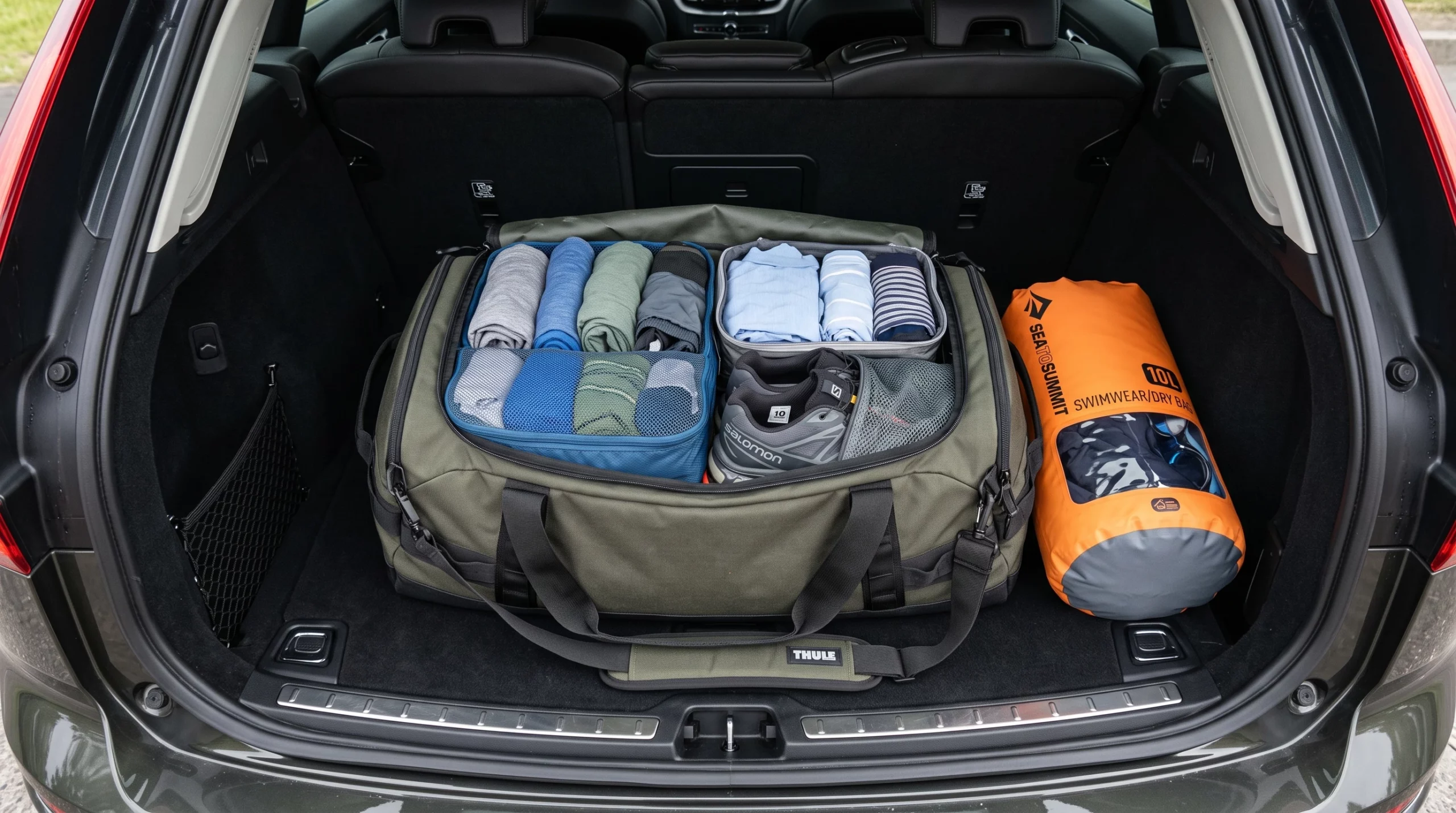
How To Fold Clothes For Travel: A Road Trip Packing Guide
The best way to fold clothes for travel is to combine rolling and folding based on the garment. Roll soft, flexible clothes such as T-shirts, leggings, pajamas, underwear, and athletic wear; fold structured or bulky pieces such as button-downs, polos, sweaters, and hoodies. For road trips, keep frequently used clothes accessible and separate dirty or damp items from clean clothing.
The best way to fold clothes for travel is to use a combination of rolling and folding rather than using one method for everything.
Roll soft, casual clothing such as T-shirts, underwear, leggings, and athletic wear. Fold structured or bulky pieces such as button-downs, sweaters, and hoodies.
On a road trip, the goal isn’t just saving space. You also need a system that makes clothes easy to find and quick to repack every time you stop.
I’ve packed for all kinds of road trips, from quick overnight getaways to longer multi-state journeys where the same bags get opened, closed, and repacked almost every day. Over time, I learned that the best packing method isn’t simply the one that saves the most space. It’s the one that lets you find what you need quickly, keeps clean and dirty clothes separate, and still works when you’re tired at the end of a long day on the road.
That much practice taught me something air travelers rarely mention: folding clothes for a road trip is a completely different game than folding for a flight.
Your bag gets tossed around, you repack way more often, and nothing slows down a morning like digging through a messy pile for socks at a rest stop. Packing smart saves space, but more importantly, it can keep you sane on day seven when everything starts to blend together
About This Road Trip Packing Guide
This guide is based on firsthand road-trip packing experience, including short getaways, longer multi-state drives, overnight stops, and trips where the same clothing bag has to be opened and repacked repeatedly.
The methods here focus on more than saving space, they’re designed to make clothing easier to find, keep clean and dirty items separate, and make everyday stops less frustrating.
The Quick Answer: What to Roll and What to Fold
For travel, roll soft and flexible clothing such as T-shirts, leggings, pajamas, underwear, and socks. Fold structured or bulky garments such as button-down shirts, polos, sweaters, and hoodies. Keep swimwear and damp clothing separate from clean clothes. For most road trips, combining both methods provides a practical balance of space, accessibility, and organization.
If you’re in a rush or just want the short answer, here’s a cheat sheet based on tons of trips and plenty of rookie mistakes:
| Clothing | Best Method | Why |
|---|---|---|
| T-shirts & casual tops | Roll | Easy to grab and compact |
| Jeans & shorts | Fold + roll | Compresses well and is easy to repack |
| Sweaters & hoodies | Fold | Rolling can make bulky items puffier |
| Button-ups & polos | Fold | Helps protect collars and reduce creasing |
| Socks & underwear | Roll | Easy to organize and grab |
| Swimwear & damp gear | Roll + separate bag | Keeps moisture away from clean clothes |
If you only take one thing away: roll the basics, fold the bulkier or structured items. It truly makes a difference.
Should You Roll or Fold Clothes for Travel?
Neither rolling nor folding is universally better for travel. Rolling works well for soft, flexible, relatively wrinkle-resistant clothing, while folding is generally better for structured, bulky, or wrinkle-prone garments. The best approach depends on the clothing, fabric, available storage, and how often you need to access your clothes during the trip.
The best approach is to use both rolling and folding, depending on the type of clothing and how you plan to pack it. Rolling works especially well for soft, casual pieces that you need to grab quickly, while folding is usually better for structured or bulky garments.
Roll clothes when:
- You’re packing T-shirts, tank tops, leggings, athletic shorts, or pajamas.
- The fabric doesn’t wrinkle easily.
- You want to make individual items easy to see and grab.
- You’re using packing cubes or a soft duffel.
- You’ll be repacking frequently during a road trip.
Fold clothes when:
- You’re packing button-down shirts, polos, sweaters, or hoodies.
- The garment is structured or bulky.
- You want to help protect collars and keep the garment’s shape.
- Rolling would make the item thicker or harder to organize.
- You’re stacking clothes in drawers, shelves, or larger luggage compartments.
Rolling isn’t automatically better than folding. The best method depends on the garment, fabric, available space, and how often you’ll need to access it. On a road trip, I find that a combination works best: keep everyday clothes rolled and easy to grab, while folded pieces stay together so they don’t get buried or crushed.
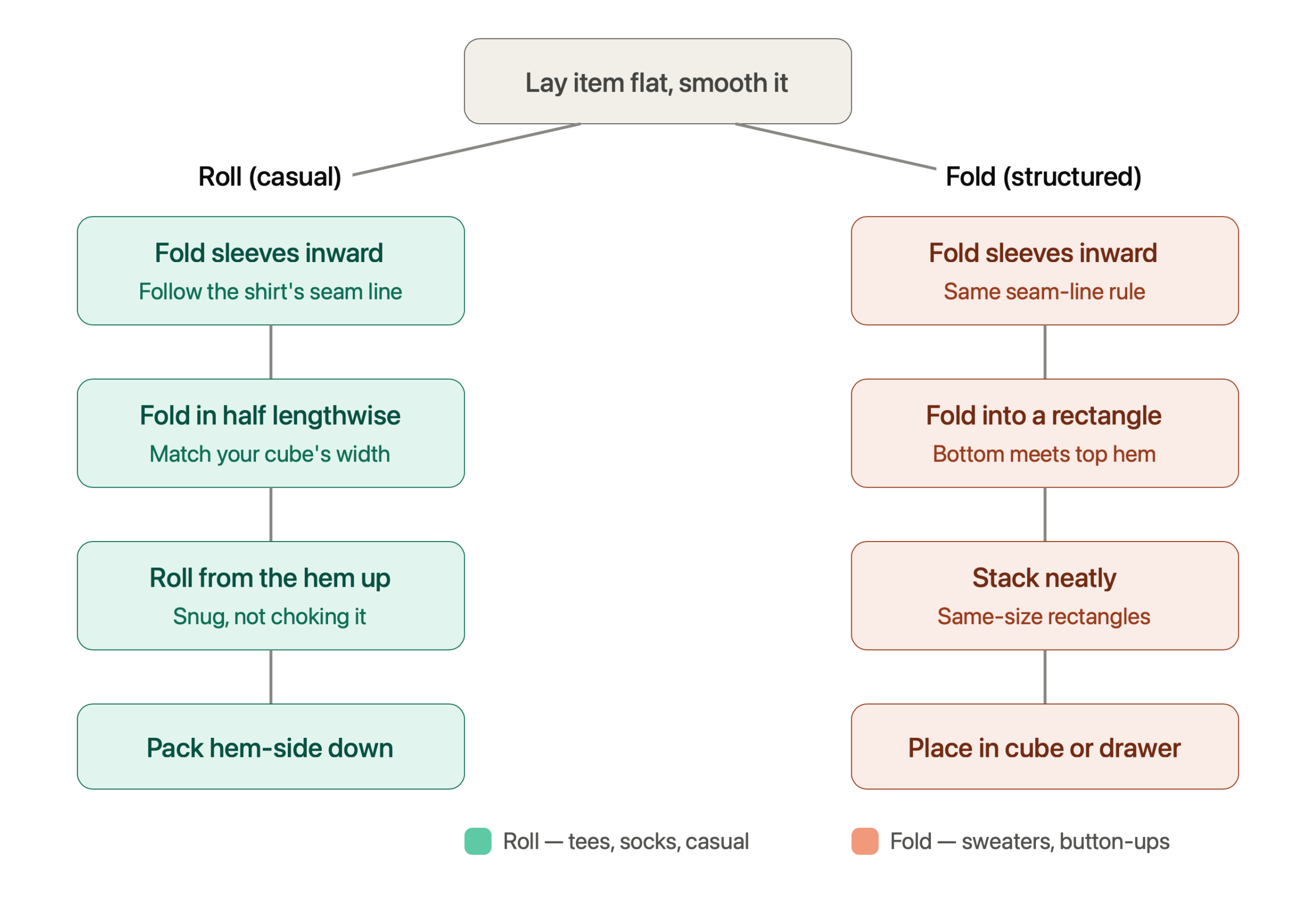
The other advantage of using both methods is that you don’t have to completely reorganize your bag every time you stop. Rolled T-shirts and smaller items can go into an accessible packing cube, while folded sweaters and structured clothing can stay at the bottom or in a separate compartment.
My simple rule
Roll soft and casual. Fold structured and bulky.
That simple system keeps a road-trip bag organized without making packing more complicated than it needs to be.
Join Road Voyagist
Subscribe to Road Voyagist and get updates on the latest posts, trip tips and more from Bella of Road Voyagist straight to your inbox.
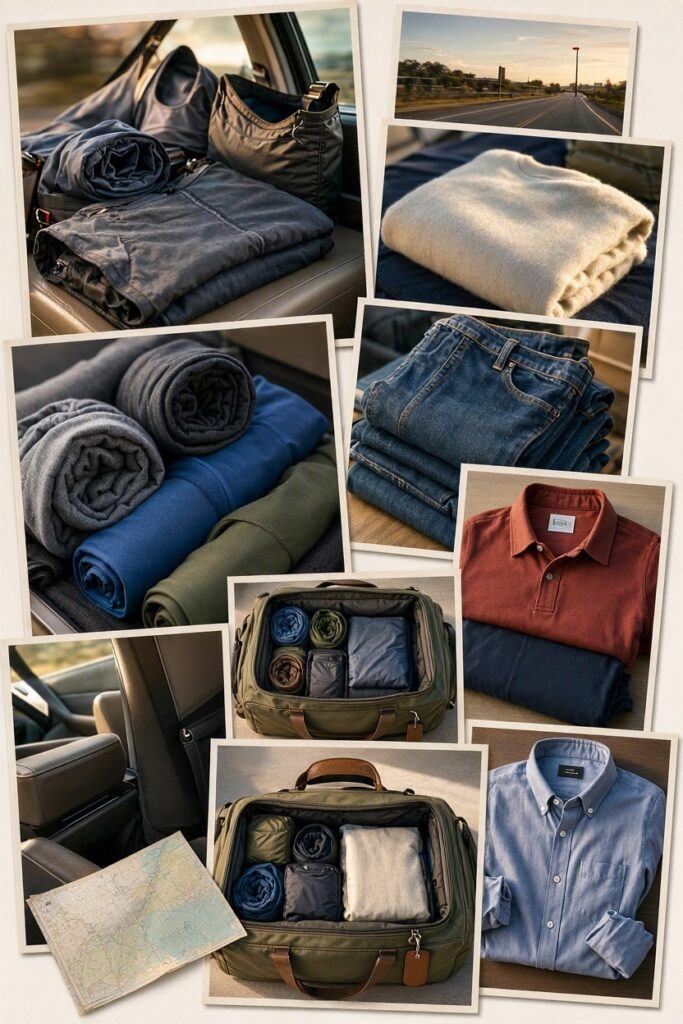
How to Roll a T-Shirt for Travel
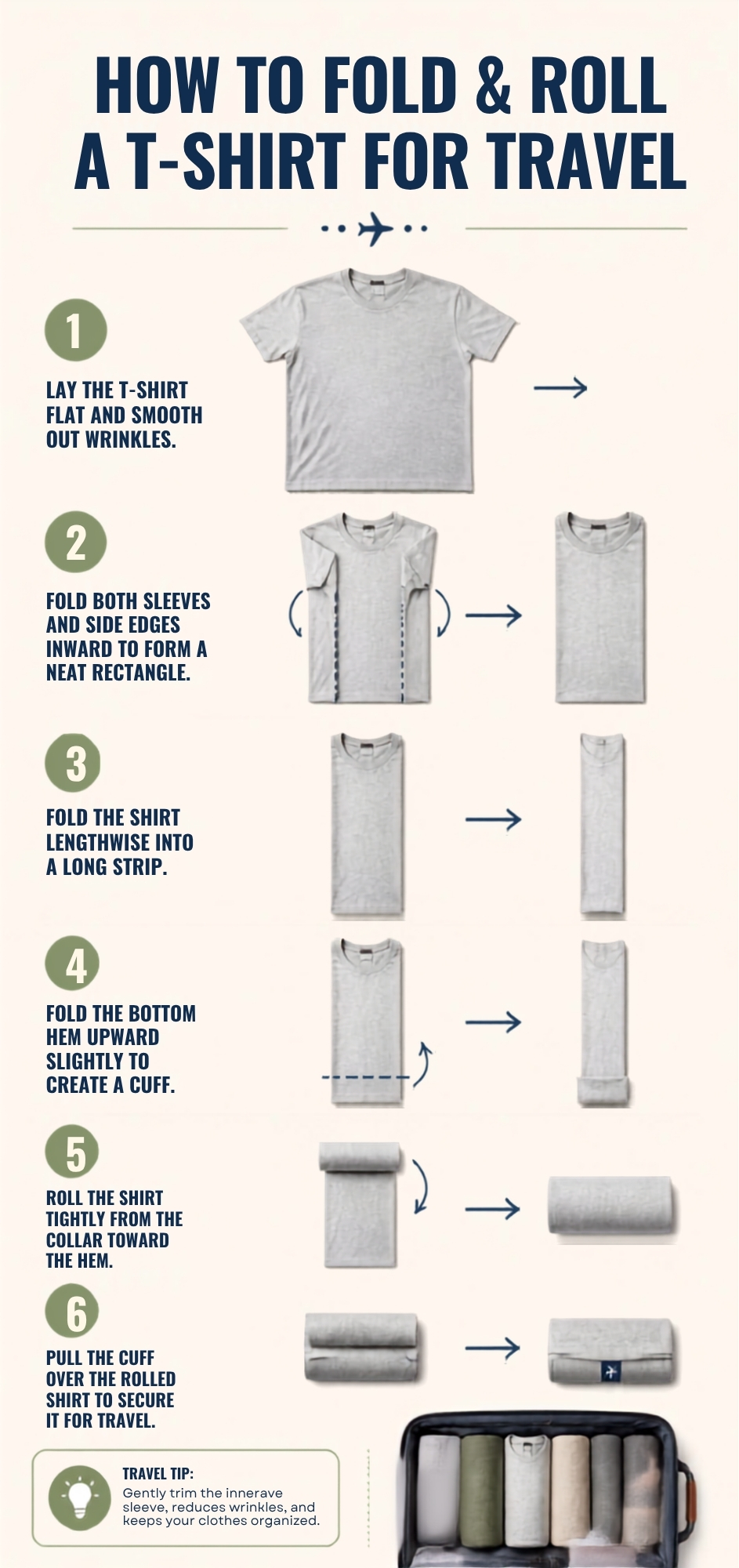
To roll a T-shirt for travel, lay it flat, smooth out wrinkles, fold the sleeves inward, fold the shirt lengthwise, and roll it firmly from the bottom toward the collar. Place the finished roll seam-side down in a packing cube or duffel. This creates an accessible bundle without excessively compressing the fabric.
For everyday T-shirts, this is the rolling method I use most often on road trips. I prefer it because individual rolls are easy to identify inside a packing cube or duffel, so I can pull out one shirt without disturbing everything around it.
That becomes especially useful after several days of stops and repacking, when a perfectly organized bag rarely stays perfectly organized.
This is the method I use most often for everyday T-shirts because the finished roll is easy to grab without disturbing the rest of the bag
Step-by-Step
1. Lay the shirt flat
Place the T-shirt on a clean, flat surface and smooth out any wrinkles. A bed, picnic table, or even a clean tailgate works when you’re on the road.
2. Fold the sleeves inward
Bring both sleeves toward the center of the shirt, following the natural seams. Try to create a relatively straight rectangle rather than bunching the fabric.
3. Fold the shirt lengthwise
Fold the shirt in half lengthwise so it becomes narrower and easier to roll. Smooth it again before moving to the next step.
4. Roll from the bottom up
Starting at the bottom hem, roll the shirt toward the collar. Keep the roll firm and even, but don’t compress it so tightly that you’re stretching the fabric.
5. Place the roll seam-side down
Set the finished roll in your packing cube or duffel with the loose edge underneath. This helps keep the bundle together while you’re searching through your bag.
A Quick Tip for Road Trips
Don’t pack every T-shirt into one giant bundle. Keeping several individual rolls together in a packing cube makes it much easier to grab exactly what you need without unpacking the rest of your clothes.
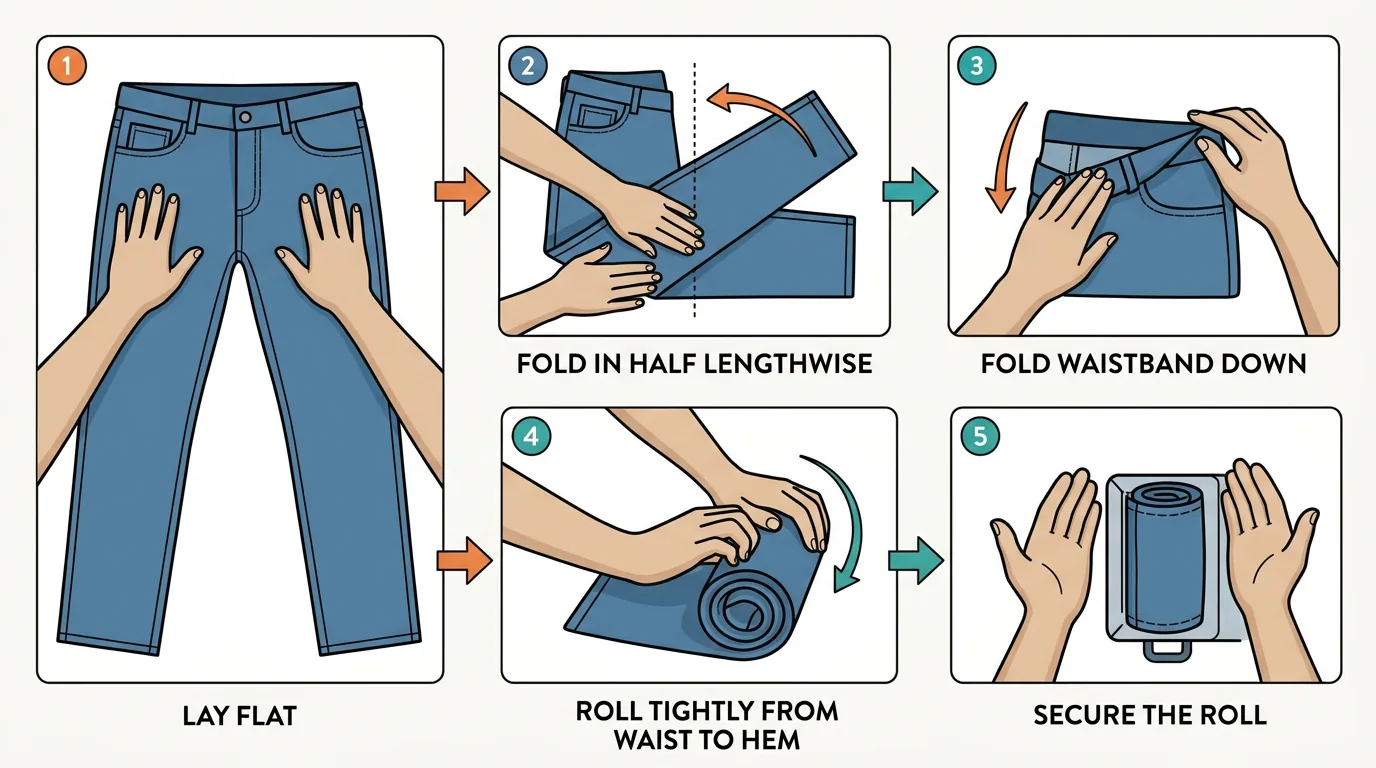
For jeans and shorts, I use a slightly different approach: fold them in half lengthwise first, then roll from the waistband toward the cuffs. They’re more substantial than T-shirts, so this keeps the shape manageable while still making them easy to pack and repack.
This takes all of ten seconds, holds up well, and makes quick repacking simple when you’re always living out of your bag.
How to Fold Different Types of Clothes for Travel
Different garments benefit from different packing methods. Roll soft items such as T-shirts, leggings, pajamas, underwear, and athletic clothing. Fold jeans, sweaters, hoodies, polos, and button-down shirts when rolling would make them bulky or increase wrinkles. Keep swimwear and damp clothing separate from clean clothes to protect the rest of your luggage.
Not every piece of clothing packs the same way. The best method depends on the garment’s shape, thickness, and how easily it wrinkles. For a road trip, I use a simple mix of rolling and folding so everyday clothes stay easy to grab while bulkier or structured pieces remain neat.
How to Fold Jeans for Travel
Jeans are bulky, but they don’t usually need the same wrinkle protection as dressier clothing. Fold them in half lengthwise, lining up the legs, then roll from the waistband toward the cuffs if you’re packing them in a duffel or packing cube. If you’re stacking clothes in a drawer or suitcase, a simple flat fold may work better.
How to Fold Sweaters and Hoodies for Travel
Sweaters and hoodies can become bulky when rolled, especially thicker fleece or knit fabrics. Lay the garment flat, fold the sleeves inward, and fold the body in half or thirds depending on the storage space. Avoid packing them too tightly; a little breathing room makes them easier to remove without disturbing the rest of your clothes.
How to Fold Button-Down Shirts and Polos for Travel
Structured shirts are usually better folded than rolled. Button the shirt if needed, lay it face down, fold the sleeves inward, and then fold the sides toward the center. Fold the shirt in half or thirds, depending on the size of your bag. For button-downs, placing them near the top of your bag can help prevent them from getting crushed.
How to Pack Underwear and Socks
Roll underwear and socks into small bundles or keep them together in a dedicated pouch. They’re small enough that organization matters more than saving a tiny amount of space. Keeping them separate also means you can grab a fresh pair without digging through your main clothing compartment.
How to Pack Swimwear and Damp Clothes
Keep swimwear, sweaty workout clothes, and anything else that may still be damp separate from clean clothing. A waterproof or washable pouch is ideal, but a resealable plastic bag can work as a temporary solution. Once you have somewhere suitable to dry the clothes, take them out of the sealed bag rather than leaving moisture trapped inside for hours.
The Simple Rule
When you’re unsure which method to use, think about the garment rather than trying to follow one packing rule for everything:
Soft and casual -> roll.
Structured or bulky -> fold.
Damp -> separate.
That simple system works especially well on road trips because it keeps frequently used clothing accessible without sacrificing organization.
How Fabric Changes the Best Folding Method
Fabric should influence whether you roll or fold clothing for travel. Cotton and synthetic athletic fabrics generally work well rolled, while linen benefits from a loose fold because it wrinkles easily. Wool and knitwear are usually better folded, and denim can be folded or rolled depending on available space. Avoid tightly compressing bulky or delicate fabrics.
The type of fabric matters almost as much as the type of clothing. A T-shirt made from stretchy synthetic fabric can handle a tight roll, while a linen button-down may look much better after a loose fold. If you’re trying to keep clothes presentable during a road trip, adjust your packing method to the material rather than using the same technique for everything.
Cotton
Cotton T-shirts and casual tops are usually good candidates for rolling. Smooth the fabric first and avoid making the roll excessively tight. Cotton can still wrinkle, so if a shirt needs to look presentable when you arrive, a loose fold may be the better choice.
Linen
Linen wrinkles easily, so don’t expect any folding technique to keep it completely smooth. Fold linen garments loosely and avoid compressing them under heavy items. If possible, hang them up as soon as you reach your destination and let the fabric relax.
Wool and Knit Fabrics
Sweaters and other knit garments are generally better folded than tightly rolled. Fold them flat and avoid putting heavy items on top for long periods. For thicker sweaters, a packing cube can help keep them contained without requiring excessive compression.
Synthetic and Athletic Fabrics
Polyester, nylon, and other common performance fabrics are usually easy to roll and work particularly well in packing cubes. They’re often lightweight and resistant to wrinkles, making them ideal for road-trip clothing that gets packed and unpacked frequently.
Denim
Denim is durable and doesn’t need as much wrinkle protection as dress clothing. Jeans can be folded in half lengthwise and rolled when you’re short on space, or flat-folded when you have room to stack them in a drawer or compartment.
A Simple Fabric Rule
You don’t need to memorize how every fabric behaves. When deciding whether to roll or fold, ask two questions:
Does it wrinkle easily? Is it bulky when rolled?
If the answer to either is yes, a loose fold is often the better option. If the fabric is soft, flexible, and relatively wrinkle-resistant, rolling is usually an easy choice for travel.
How to Pack Clothes Based on Your Vehicle
The best clothing organization depends on your vehicle’s storage space. Use flexible duffels and accessible grab-and-go bags in car trunks, cubes and bins in vans, and a combination of drawers, shelves, cabinets, and hanging space in RVs. Regardless of the vehicle, keep frequently used clothing accessible and reserve harder-to-reach storage for items you need less often.
Your vehicle changes how you should organize clothes. A compact car gives you limited storage and awkward gaps, while a van or RV may give you drawers, shelves, and dedicated compartments. Instead of trying to use the same packing system everywhere, match your clothing setup to the space you actually have.
I’ve found that the biggest packing mistake isn’t necessarily bringing too many clothes, it’s putting the clothes you need most somewhere you can’t reach them. On a road trip, storage space is shared with everything else you’re carrying, so clothing has to work around coolers, camping gear, groceries, and luggage. That’s why I prioritize accessibility just as much as saving space.
Car Trunk
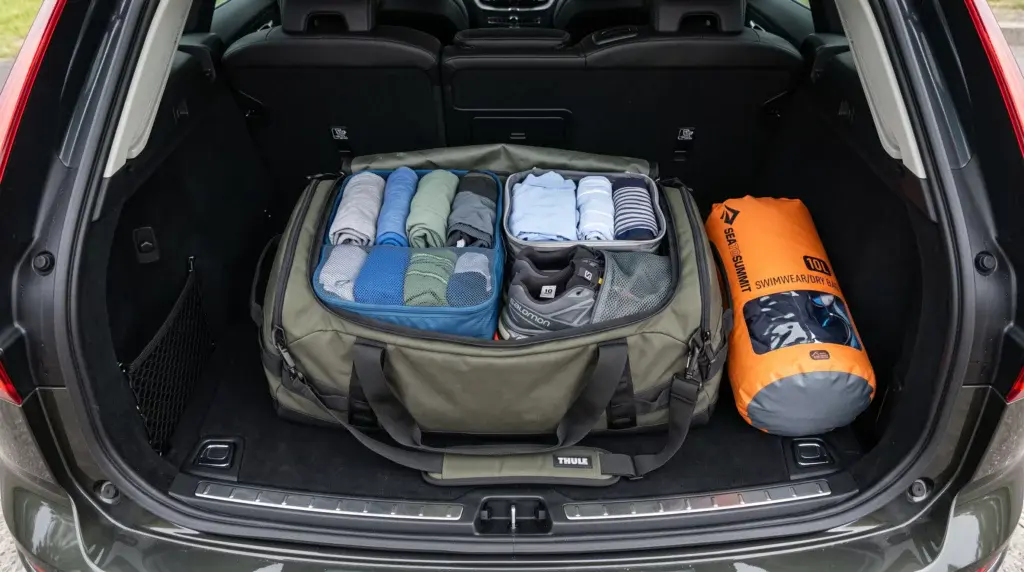
When you’re packing a regular car, a soft duffel or flexible travel bag is often easier to work with than a rigid suitcase. It can squeeze into odd-shaped spaces around a cooler, camping gear, or other luggage.
Keep your next two or three days of clothes in a small packing cube or grab-and-go bag near the top. Leave the rest of your clothing organized in the main duffel. That way, an overnight motel stop doesn’t require you to unload the entire trunk just to find a clean shirt and pair of socks.
Minivan or Van
A minivan or camper van gives you more options for keeping clothing accessible. If you have shelves, bins, or drawers, use them for clothing that you’ll reach for regularly.
Rolled T-shirts, underwear, socks, and other small items work well in packing cubes or shallow bins. Fold sweaters, hoodies, and structured shirts before stacking them so they stay easy to see and don’t turn into a bulky pile.
If you’re living out of the vehicle for several days, consider keeping everyday clothing separate from backup layers and special-purpose clothing. You shouldn’t have to move half your wardrobe just to reach tomorrow’s outfit.
RV
An RV often gives you a combination of drawers, cabinets, shelves, and hanging space, so you can use a mix of methods.
Use drawers for rolled everyday clothing and smaller items. Fold sweaters and bulkier pieces in cabinets or on shelves, and use hanging space for shirts or other garments that wrinkle easily.
If you’re traveling for several weeks, organize clothing by purpose rather than simply by garment type. For example, you might keep everyday clothes together, sleepwear in one section, and hiking or outdoor layers in another.
The Road Trip Rule
Whatever you’re driving, the clothes you need most often should be the easiest to reach.
There’s little benefit to perfectly folding your entire wardrobe if your clean socks are buried underneath camping equipment. Keep frequently used clothing accessible, separate dirty and damp items, and save the less-used clothes for the harder-to-reach storage areas.
The 5-Minute Road Trip Repack System
A simple road-trip repack takes about five minutes: put worn clothes in the laundry bag, prepare tomorrow’s outfit, return loose clean clothes to their cubes or storage areas, keep morning essentials accessible, and close the main bag. The goal isn’t to reorganize everything each night, but to reset the essentials so the next morning starts smoothly.
Frequent repacking is one of the biggest differences between a road trip and a typical vacation. You’re not just packing once, you may be opening the same bag every morning, staying in a different place each night, and trying to get back on the road without turning your clothes into a giant pile.
After enough trips where I had to unpack the same bag night after night, I found that a full repack was unnecessary. What mattered was doing a quick reset: separate the dirty clothes, prepare tomorrow’s outfit, put loose items back where they belong, and leave the main bag ready to go. That simple routine became much more useful than trying to keep the entire bag perfectly organized every evening.
The goal isn’t to perfectly reorganize your entire bag every night. It’s to make sure tomorrow morning’s essentials are ready and your clean clothes stay separate from everything else.
1. Remove Today’s Dirty Clothes
As soon as you change, put worn clothes directly into your dedicated laundry bag. Don’t leave them on the motel floor, the back seat, or mixed in with clean clothes while you “deal with them later.”
I stopped putting all my everyday clothes in one large cube because pulling out a single shirt meant disturbing everything else.
2. Prepare Tomorrow’s Outfit
Before going to sleep, pull out the next day’s shirt, underwear, socks, and whatever else you’ll need. Put them together in your grab-and-go cube or accessible section of the bag.
If you’re leaving early, this one step can save you from rummaging through your luggage while everyone else is waiting to get on the road.
3. Reset Your Clothing Cubes
Put any loose clean clothes back where they belong. Re-roll anything that has come undone and refold pieces that have been pulled out.
Don’t worry about making everything perfect. You’re simply restoring enough order that you can find things quickly tomorrow.
For longer trips, I separate everyday clothing from backup layers because the latter can stay buried for several days.
4. Keep Essentials Within Reach
Put your toiletries, medications, phone charger, and other morning essentials in the same easy-to-access area. If they’re buried underneath your clothing, you’ll end up unpacking half the bag before breakfast.
5. Zip Up and Leave the Main Bag Alone
Once everything is back in place, close the main duffel or suitcase and leave it ready for the next morning. Your grab-and-go bag should contain what you need first, while the rest of your clothing stays packed.
My Road Trip Rule
Don’t reorganize your entire bag every night. Reset it just enough to make tomorrow easy.
That small distinction makes a big difference on longer trips. After several days on the road, the goal isn’t to have a perfectly packed bag, it’s to have a system that still works when you’re tired, it’s raining outside, and you just want to get back on the highway.
What the checklist?
Take the guesswork out of your next road trip. Download the free Road Trip Clothing Packing Checklist and use it before you leave and at every overnight stop.
Common Road Trip Clothing Packing Mistakes
Common road-trip clothing packing mistakes include mixing damp and clean clothes, combining dirty and clean laundry, using the same folding method for every garment, burying frequently used clothes under luggage, and overpacking bags. Avoiding these problems makes clothing easier to find, keeps clean items separated, and makes repeated packing and unpacking much faster.
Even a good packing system can fall apart if you make a few basic mistakes. These are the ones most likely to turn a neatly packed bag into a frustrating mess.
1. Packing Damp Clothes With Clean Clothes
Swimsuits, wet towels, and sweaty workout clothes should have their own bag until they’re completely dry. Moisture trapped in an enclosed bag can lead to unpleasant odors and mildew.
2. Mixing Dirty and Clean Laundry
Once something has been worn, put it directly into your laundry bag. Otherwise, you’ll eventually have to sort through everything to figure out what’s still clean.
3. Using the Same Folding Method for Everything
T-shirts, jeans, sweaters, and button-down shirts don’t necessarily benefit from the same packing method. Roll soft, flexible clothing and fold structured or bulky pieces when that works better for the garment.
4. Packing Your Entire Wardrobe in One Inaccessible Bag
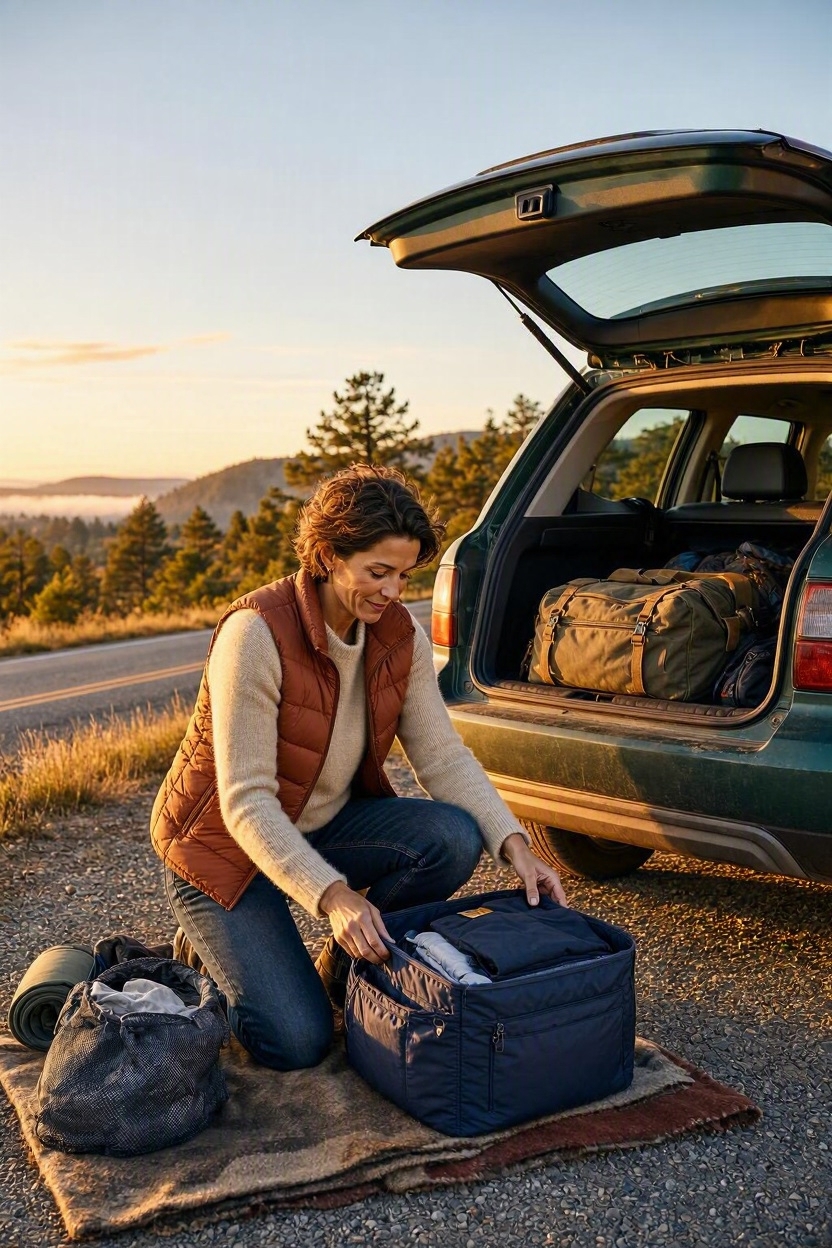
If you need to unpack the whole trunk every night to find tomorrow’s clothes, the system isn’t working. Keep frequently used clothing and overnight essentials within easy reach.
5. Overpacking the Main Bag
A bag that’s packed to the zipper makes every repack harder. Leave a little breathing room so you can put clothes away quickly without fighting the bag.
The best packing system is the one you can still maintain after several days on the road.
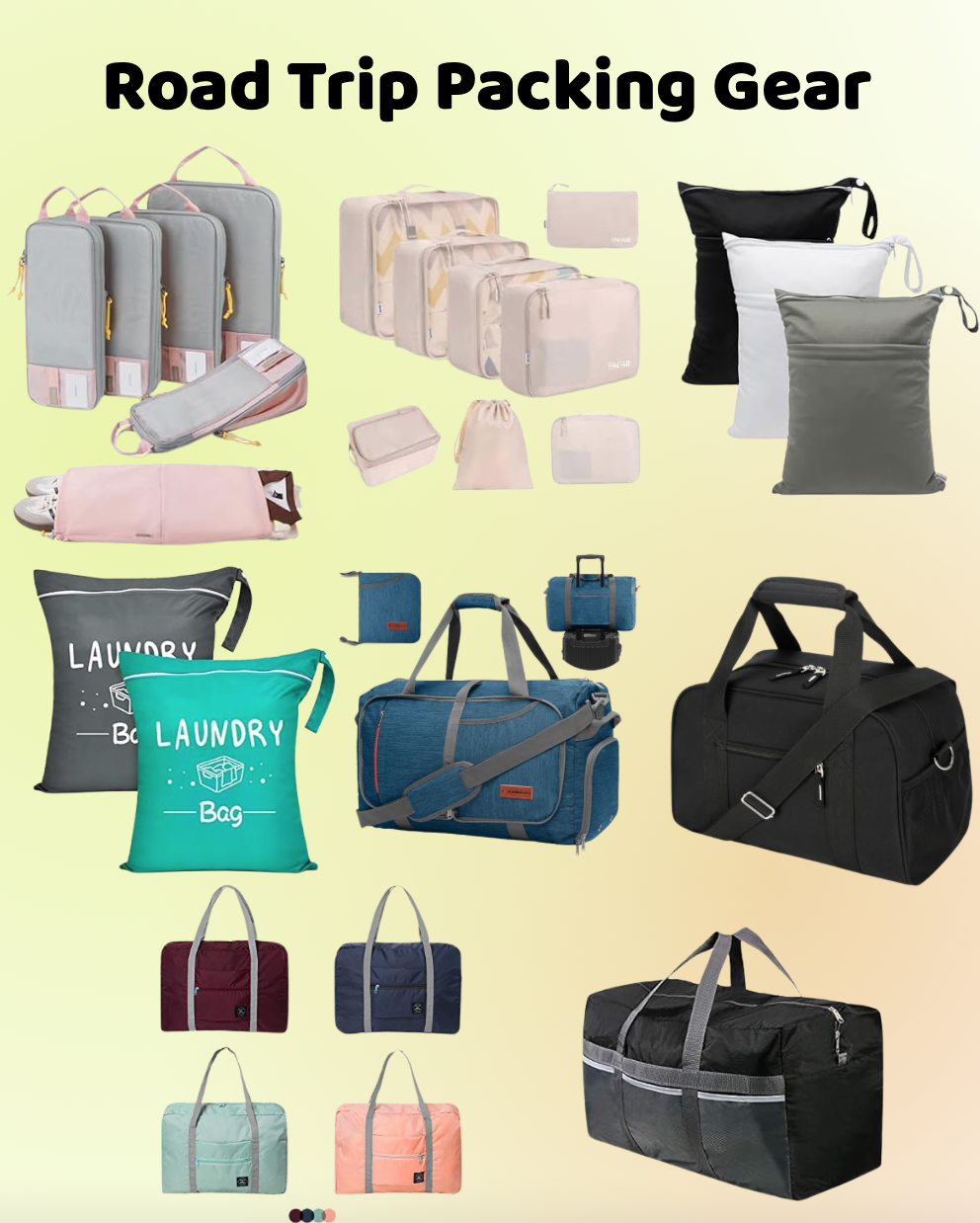
Road Trip Packing Gear That Actually Helps
You don’t need specialized gear to pack clothes for a road trip, but a few accessories can improve organization. Packing cubes separate clothing categories, laundry bags isolate dirty clothes, wet bags contain damp items, compression bags help with bulky layers, and a small grab-and-go bag makes overnight stops easier without unpacking the main luggage.
You don’t need special gear to fold clothes for a road trip. A good packing system works perfectly well with a basic duffel or suitcase.
That said, a few inexpensive accessories can make frequent repacking much easier, especially on longer trips or when you’re sharing limited vehicle space with other people.
Packing Cubes – Best for Organization
Packing cubes are useful when you want to keep different types of clothing together. I like using one for everyday shirts, another for underwear and socks, and a separate one for sleepwear or smaller items.
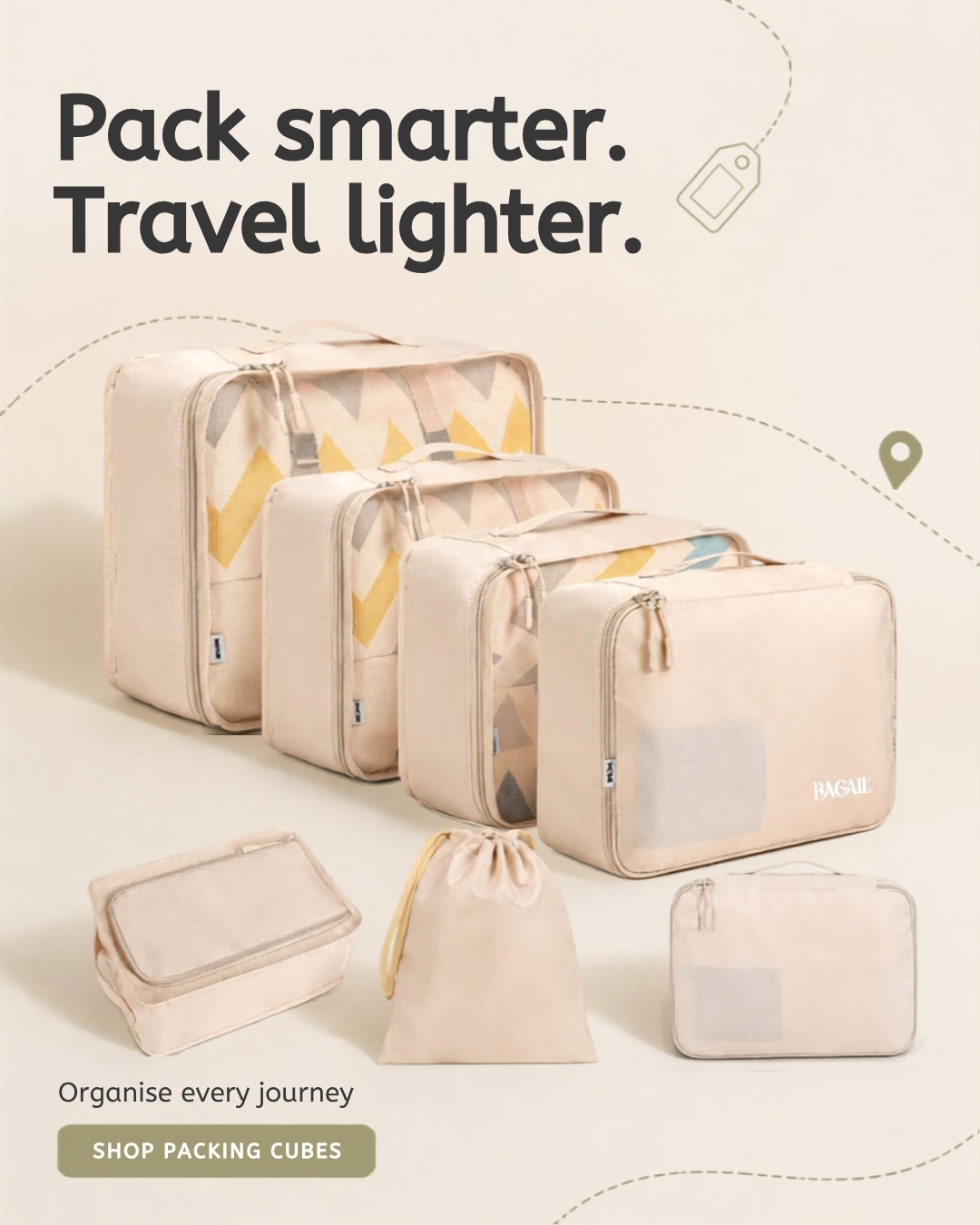
They’re especially helpful on road trips because you can pull out one cube without turning your entire bag upside down.
Best for: Frequent repacking, family trips, and travelers who like everything to have a designated place.
Compression Bags – Best for Bulky Clothing
Compression bags can be useful for bulky items such as jackets, fleece layers, or cold-weather clothing that you won’t need every day.
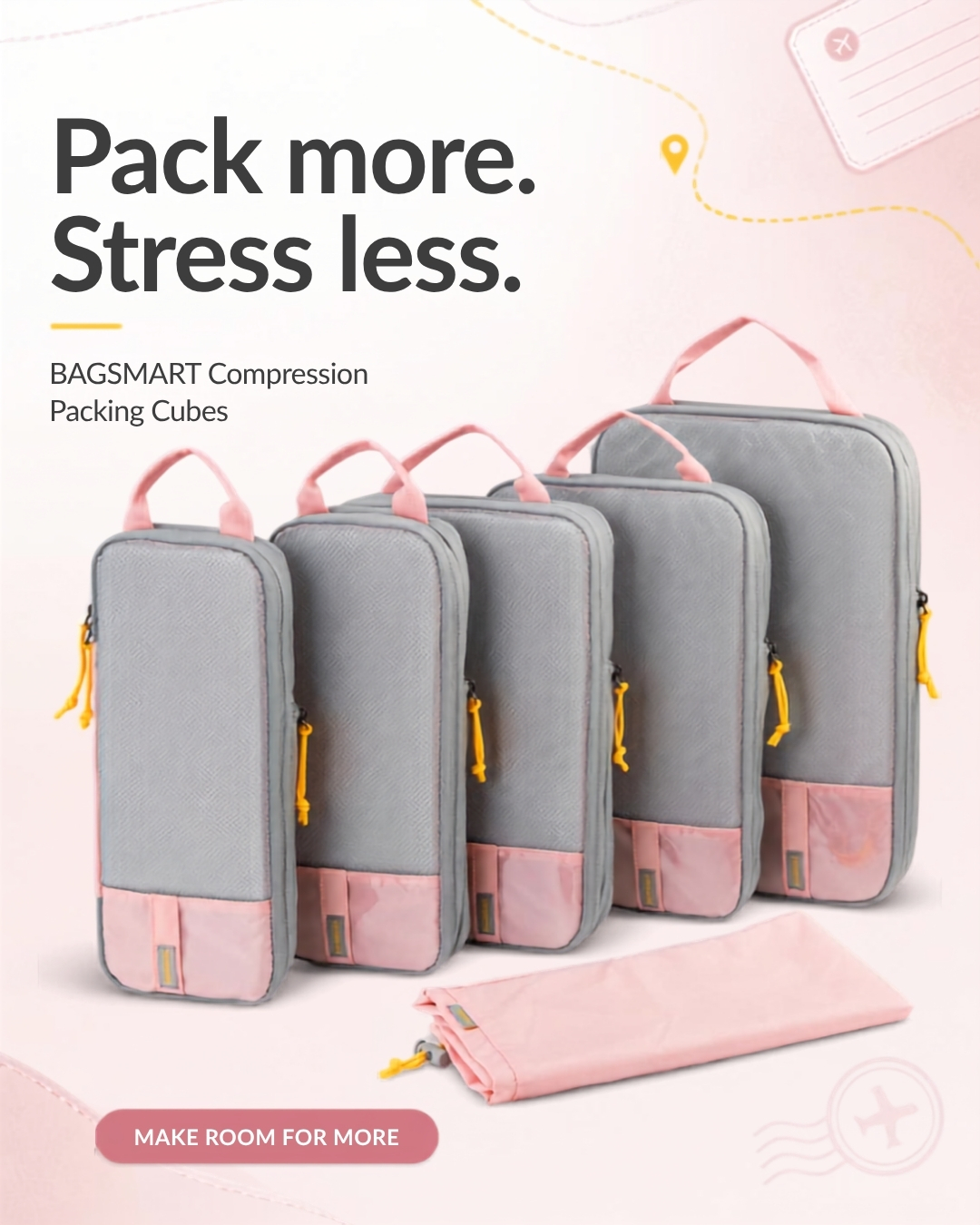
They’re less useful for everyday T-shirts and underwear, where quick access is more important than squeezing out every last bit of space.
Best for: Cold-weather road trips, bulky layers, and limited storage space.
Wet Bags – Best for Damp Clothing
A waterproof or water-resistant bag gives wet swimsuits, sweaty workout clothes, and other damp items somewhere to go without putting your clean clothing at risk.
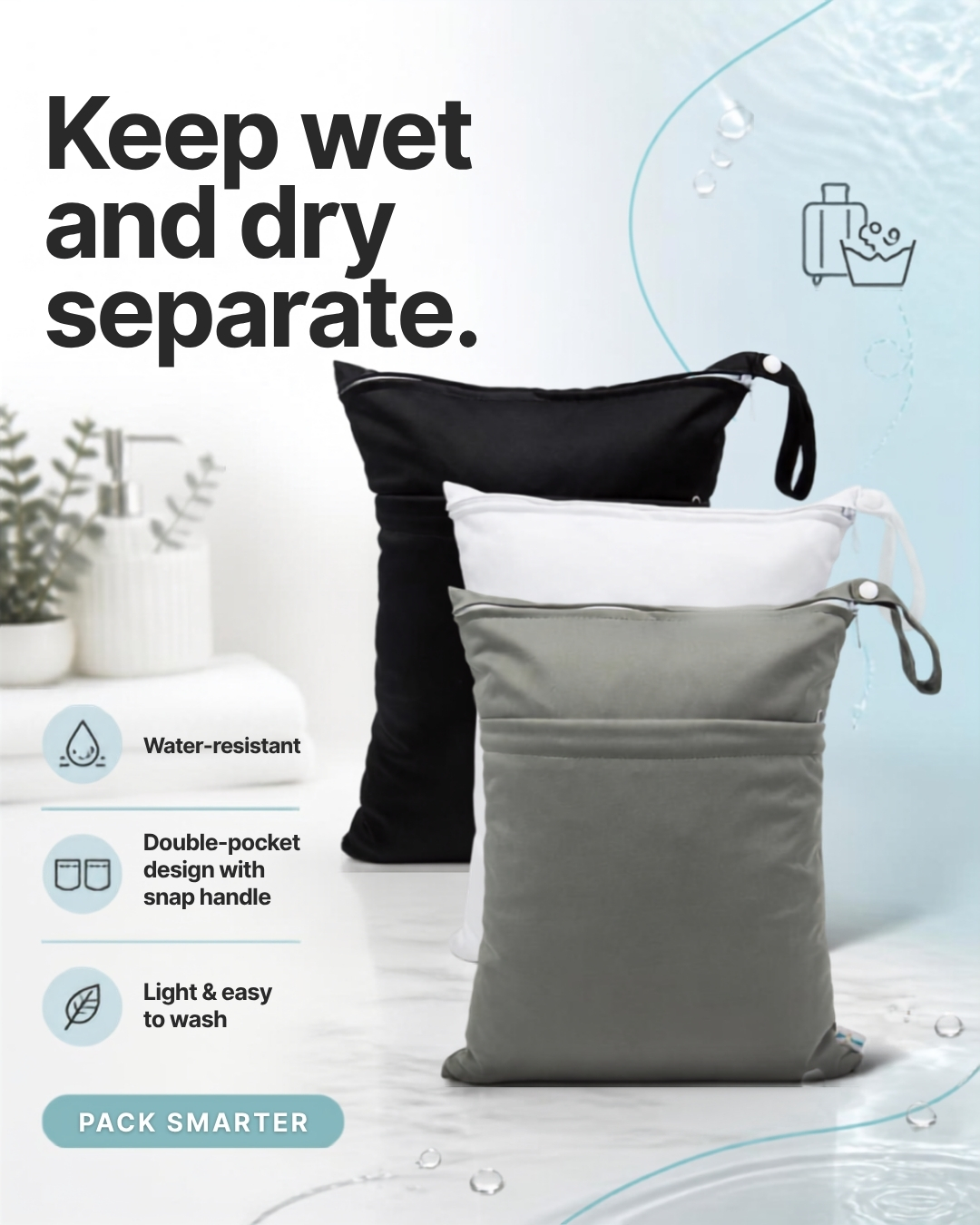
A reusable wet bag is convenient for repeated use, especially if your trip includes beaches, swimming, hiking, or camping.
Best for: Swimwear, rainy trips, beach days, and outdoor adventures.
Laundry Bags – Best for Dirty Clothes
A dedicated laundry bag is one of the simplest upgrades you can make. Instead of throwing worn clothing into an empty corner of your duffel, you have one place for everything that needs washing.
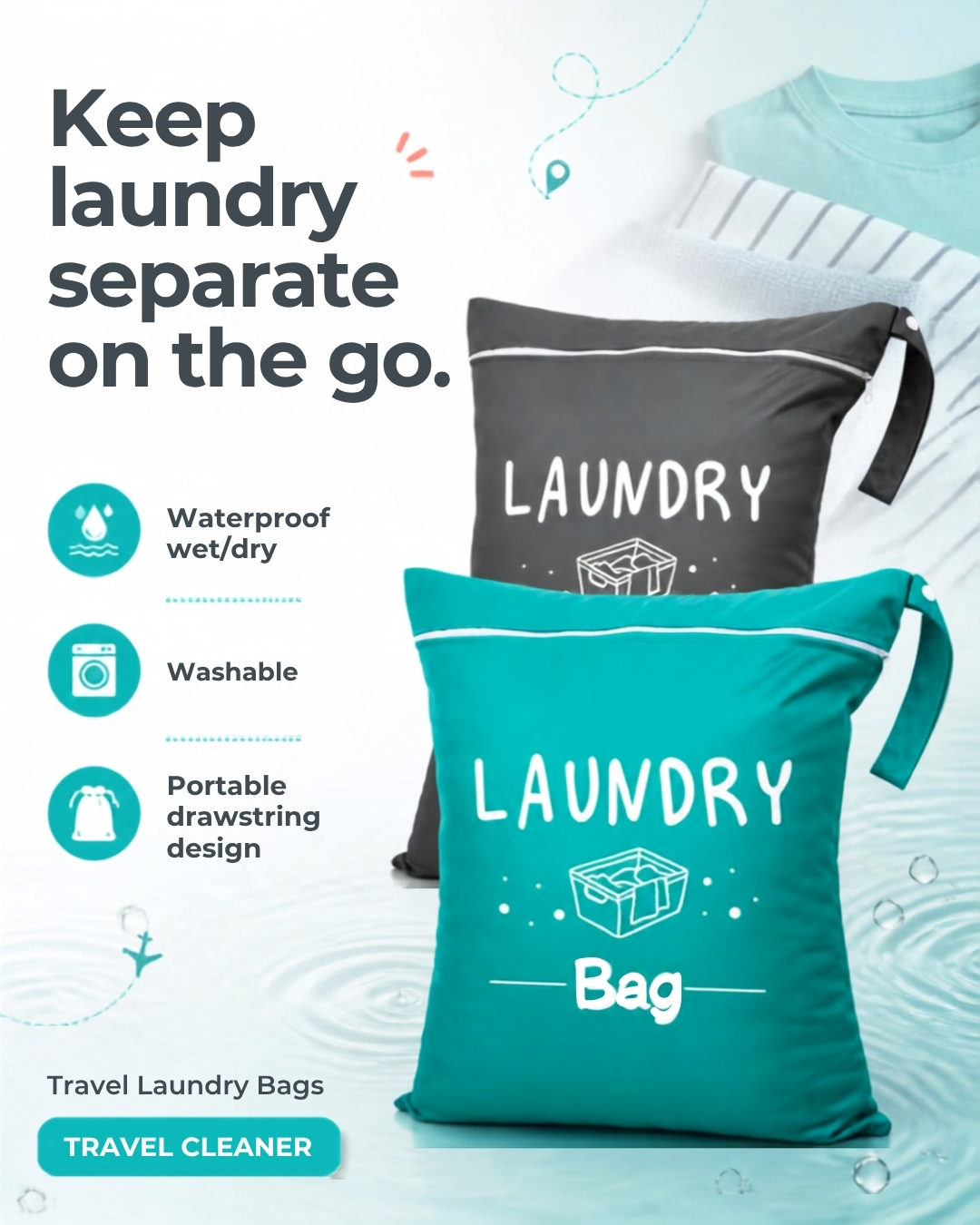
A washable fabric bag or drawstring bag is usually enough. You don’t need anything complicated.
Best for: Multi-day trips and anyone who wants to keep clean and dirty clothing completely separate.
Small Grab-and-Go Bag – Best for Overnight Stops
This is one of the most useful additions to a road-trip packing system. Keep a small bag or cube with one change of clothes, sleepwear, underwear, and socks.
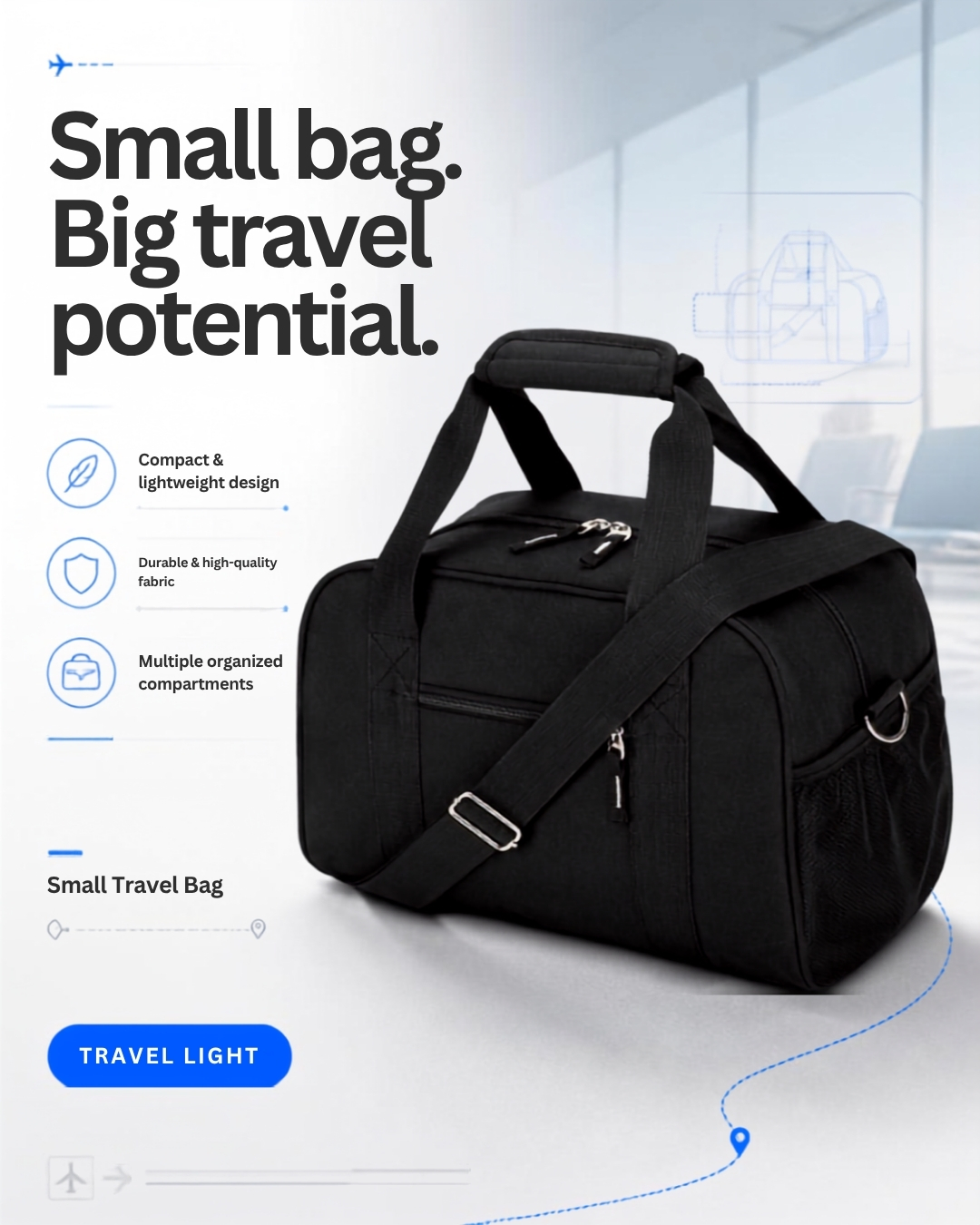
When you’re staying somewhere for just one night, you can take this small bag inside instead of carrying your entire main luggage.
Best for: Motel stops, overnight stays, and frequent hotel changes.
What Do You Actually Need?
If you want to keep things simple, start with just two items: a packing cube and a laundry bag.
Add a wet bag if you’ll be swimming, camping, or dealing with wet conditions. Consider compression bags if you’re carrying bulky cold-weather clothing.
The gear isn’t what makes the system work. The organization does. These accessories simply make that system easier to maintain when you’re moving from one stop to the next.
I don’t consider packing cubes or compression bags essential. The biggest improvement usually comes from having a consistent place for clean clothes, dirty laundry, and the things you need every day.
The accessories simply make that system easier to maintain, especially when you’re packing and unpacking repeatedly.
Top Tips for Staying Organized on the Move
Keep road-trip clothing organized by leaving space in your bag, keeping frequently used clothes accessible, separating clean, dirty, and damp items, storing small essentials together, and resetting rather than completely repacking each night. The objective isn’t perfect organization; it’s creating a system that lets you find what you need without unpacking the vehicle.
A good clothing system should make your trip easier, not give you another routine to maintain. A few simple habits are enough:
- Leave some space in your bag. An overstuffed bag is harder to repack and more likely to turn into a mess.
- Keep frequently used clothes accessible. Your next outfit shouldn’t be buried underneath everything else.
- Separate clean, dirty, and damp clothing. Give each category its own space from the beginning.
- Keep small essentials together. Underwear, socks, toiletries, and other frequently used items are easier to find in dedicated pouches or cubes.
- Reset instead of repacking. At the end of the day, put loose clothes back where they belong and prepare tomorrow’s outfit.
The goal isn’t perfect organization. It’s making sure you can find what you need without unpacking the entire car.
Frequently Asked Questions
Is it better to roll or fold clothes for travel?
Neither method is always better. Rolling works well for soft, casual clothing such as T-shirts, leggings, pajamas, underwear, and socks. Folding is usually better for structured or bulky garments such as button-down shirts, polos, sweaters, and hoodies. For most trips, using a combination of both works best.
Does rolling clothes really save space?
Rolling can make individual items compact and easier to organize, but it doesn’t automatically save more space than folding in every situation. The result depends on the clothing, fabric, and bag you’re using. Rolling is particularly useful when you’re packing soft clothing into a duffel or packing cube.
What clothes should you roll when packing?
Soft, flexible clothing is usually easiest to roll. Good candidates include T-shirts, tank tops, leggings, athletic shorts, pajamas, underwear, and socks. If an item wrinkles easily or becomes bulky when rolled, folding it may be a better option.
How do you fold clothes without wrinkles?
Start by smoothing the garment flat before folding or rolling it. Avoid overpacking your bag, because excessive pressure can create deep creases. For shirts and other wrinkle-prone clothing, fold them rather than tightly rolling them and hang them up when you reach your destination if possible.
How do you pack clothes for a long road trip?
Use a combination of packing cubes, a main clothing bag, and a separate laundry bag. Keep the clothes you’ll need most often near the top or in a smaller grab-and-go bag. On longer trips, reset your bag each evening rather than letting clean and dirty clothing accumulate together.
Are packing cubes worth it for road trips?
They can be, especially if you repack frequently. Packing cubes keep similar items together and let you remove one category of clothing without disturbing everything else. They’re most useful for travelers who move between hotels, campsites, or other overnight stops regularly.
How do you keep dirty clothes separate while traveling?
Put worn clothing directly into a dedicated laundry bag rather than returning it to your clean clothes. A washable drawstring bag or tote works well. Keeping damp clothing in a separate waterproof or water-resistant bag is also important when swimming, camping, or traveling in wet weather.
What’s the best way to pack clothes in a car?
Keep your most frequently used clothing accessible and save less-used items for harder-to-reach storage areas. A soft duffel can fit around other items in a trunk, while a small grab-and-go bag can hold the next day’s outfit. Avoid packing the main bag so tightly that it’s difficult to repack.
How do you pack clothes for an overnight road trip stop?
Keep one small bag or packing cube with everything you’ll need for the night: a clean shirt, underwear, socks, sleepwear, and basic toiletries. This lets you leave the main luggage in the vehicle instead of carrying the entire bag into your hotel or campsite.
What should you do with wet clothes on a road trip?
Separate wet clothing from everything that’s clean and let it dry as soon as practical. A wet bag can contain moisture temporarily, but don’t leave damp clothing sealed inside for longer than necessary. Once you have access to a suitable drying area, take the clothing out and let it dry completely.
Final Thoughts
The most practical way to fold clothes for travel is to combine rolling and folding rather than using one method for everything. Roll soft casual clothing, fold structured or bulky pieces, separate dirty and damp items, and keep frequently used clothes accessible. A simple repeatable system matters more than perfectly maximizing every inch of luggage.
Learning how to fold clothes for travel isn’t really about finding one perfect folding technique. It’s about creating a system that makes life easier once you’re actually on the road.
For most road trips, I keep it simple: roll soft, casual clothing, fold structured or bulky pieces, and keep dirty and damp clothes separate from everything that’s clean. I also keep the clothes I’ll need most often somewhere I can reach without unpacking the entire vehicle.
The biggest improvement usually comes from having a system you can repeat. Prepare tomorrow’s outfit before bed, reset your bag instead of completely repacking it, and give frequently used clothing its own accessible space.
After several days on the road, those small habits make a noticeable difference. Your bag stays easier to manage, overnight stops take less effort, and finding a clean pair of socks doesn’t have to become a full-blown search operation.
There’s no single right way to pack clothes for every traveler or every vehicle. Try the rolling and folding methods that work for your clothes, adjust them to your storage space, and keep the system simple enough that you’ll actually stick with it.
The goal isn’t a perfectly packed bag. It’s a bag that makes the journey easier.
Happy travels!
Note: This article contains affiliate products. We earn a commission if you make a purchase, at no additional cost to you.
Bella Hartwell
I’m Bella Hartwell, a travel enthusiast who has organized multiple road trips.
I share hands-on tips, tested gear lists, and personal stories to help others travel smarter.
The best kind of freedom starts on the open road.