The Ultimate Guide To Planning A Successful Road Trip
There’s something about a road trip that feels like pure freedom. You’re not boxed in by flight times or train schedules, just point your wheels in a direction, roll down the windows, and go. Planning a road trip takes a bit of time, though. Over the years, I’ve stumbled upon a few tricks and strategies to make hitting the road way smoother, so I’m sharing everything I know here. Whether you’re heading out solo, with friends, or with the whole family, this guide fills you in on what it really takes to nail your adventure from start to finish.
Why Planning Matters for a Road Trip
Planning a road trip helps reduce stress, avoid missed stops, and improve overall travel flow. By organizing routes, stops, and essentials in advance, you save time, prevent common issues, and ensure a smoother, more enjoyable journey, especially during busy travel seasons.
Successful road trips don’t just happen. A solid plan helps you avoid headaches and makes the entire experience much more relaxed. When I map things out ahead of time, it cuts down on arguments about where to eat or when to stop for gas, and it’s pretty handy for making sure big sights and hidden gems aren’t missed.
According to the AAA, nearly 80% of Americans choose the open road for their vacations every year. That’s a lot of folks with bucket-list destinations, so a little preparation goes a long way for smoother travels, especially during busy times.
Road tripping has a long history in the US, think classic Route 66 days. With GPS apps, online reviews, and planning tools, hitting the road today can be way more personalized. Whether you’re going coast to coast or just an hour outside your hometown, having your plans sketched out can really give a boost to your enjoyment.
Getting Your Route Right
A successful road trip route balances must-see destinations with flexibility. Plan key stops, estimate realistic driving distances, and include backup routes. Using navigation apps and allowing room for spontaneous detours creates a more enjoyable and stress-free travel experience.
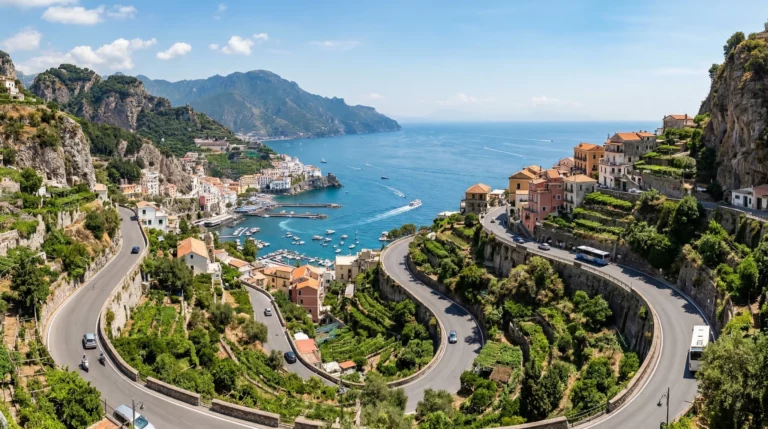
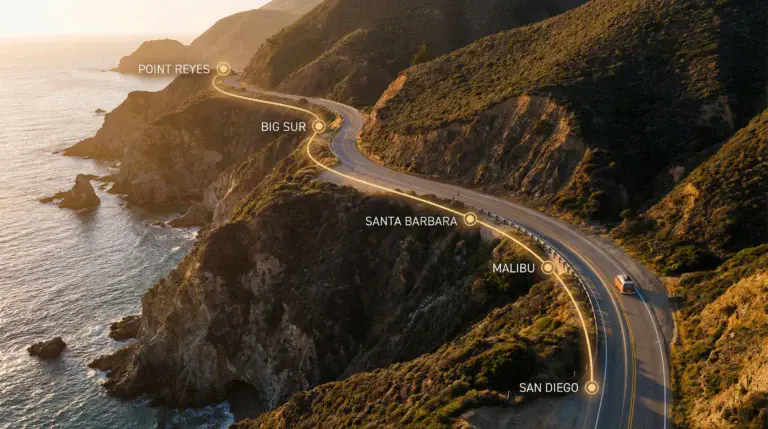
One of the biggest decisions is mapping out where you’re actually going. There are so many choices: scenic drives, national parks, quirky roadside attractions, or even just the quickest route between two cities. I like to plot out major must-see spots first, then fill in extra fun detours along the way. Flexibility is key, especially if you stumble upon a little roadside diner or a park you want to check out longer. Apps like Roadtrippers and Google Maps help you spot cool pit stops, gas stations, and restaurants, making route planning a lot easier.
- Map Out Distances: Make sure you know how far you’ll be driving between overnight stops. Too many long days in a row can suck the fun out of the trip.
- Plan Backup Routes: Traffic or weather can mix it up, so knowing alternate roads really helps when you need to get creative.
- Highlight Rest and Refill Spots: Factor in bathroom breaks, gas stations, and places to stretch. Even a quick park pit stop can help everyone reset before hitting the highway again.
Packing Essentials for the Road
Packing smart ensures comfort, safety, and convenience on a road trip. Essentials include navigation tools, emergency gear, snacks, entertainment, and comfort items. Preparing for both expected and unexpected situations helps keep your trip smooth and enjoyable.
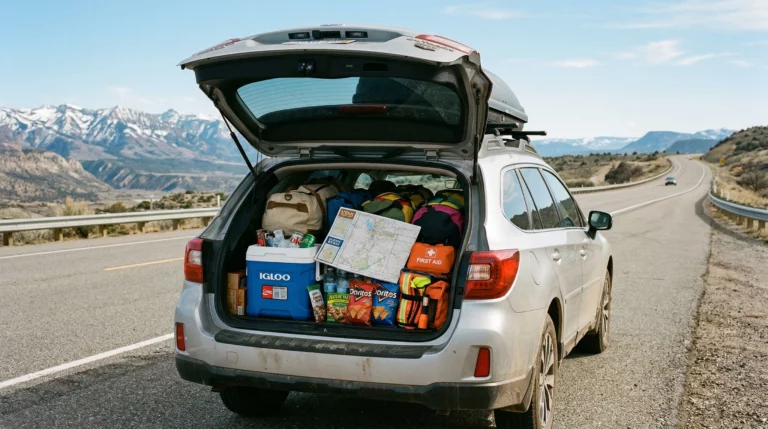
The right gear can save your sanity. I’m not just talking about snacks, though snacks are super important, it’s all about thinking ahead for comfort, safety, and fun. My road trip packing list has grown over time, but here’s what I always put in the trunk:
- Navigation Tools: Phone with map apps and a paper map as backup. Sometimes service drops out in the middle of nowhere, and a paper map will save you every time.
- Emergency Gear: Jumper cables, spare tire, first aid kit, flashlight, and extra water. Roadside issues happen when you least expect them, so keep these close.
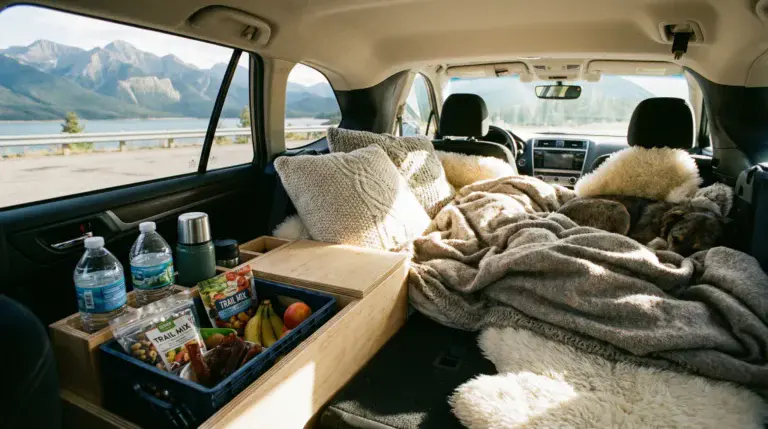
- Travel Comforts: Blankets, neck pillows, sunglasses, and a playlist or two. A little comfort goes a long way over those extra miles.
- Snacks and Drinks: Mix of healthy and fun options like granola bars, fruit, chips, and a cooler for cold drinks. Trust me, everyone will thank you later.
- Entertainment: Podcasts, audiobooks, road trip games, and offline playlists. Nothing kills a vibe like dead radio zones or bored travel buddies, so keep the fun close at hand.
Quick Road Trip Start-Up Guide
Before starting your road trip, check your vehicle, prepare navigation tools, share your route, and plan your first day realistically. A strong start reduces stress and sets the tone for a smooth and enjoyable journey.
Once you’ve mapped out the route and packed your go-bag, it’s time to get rolling. Here’s my basic checklist for kicking off a smooth trip:
- Car Check: Get an oil change, check your tires, including the spare, and top off your wiper fluid. A quick check-up can help avoid car troubles on the road.
- Set Up Your Tech: Download offline maps, charge up portable chargers, and cue up your music and podcasts before you get moving.
- Share Your Plans: Let someone at home know your route for peace of mind, especially if you’ll be off-grid at times.
- Plan Your First Day: Have a general schedule. The first day sets the tone, so avoid overscheduling and keep drive times realistic to avoid burnout right at the start.
- Stay Flexible: The best surprises come when you give yourself extra time to explore places that catch your eye once you’re out there.
This simple prep keeps you focused on the road ahead, and all the good stuff waiting down the highway.
Common Pitfalls and How to Dodge Them
Common road trip mistakes include underestimating distances, skipping fuel stops, overpacking, and driving while fatigued. Planning ahead, taking breaks, and staying flexible helps avoid these issues and ensures a safer, more enjoyable trip.
Even the best-planned trips can hit snags. Here are a few things I’ve learned to watch out for over the years, along with some ways to handle them on the fly:
- Underestimating Distances: Always add at least 20% more time than what mapping apps estimate, especially if you’re going through cities or scenic drives. Those gorgeous stretches are worth the time, but sometimes they come with slow traffic or detours.
- Running Low on Gas: Fill up when you hit the halfway mark on your tank if you’re in a remote area. Some stretches can go for hours without a station, don’t gamble on finding the next one quickly.
- Fatigue: Don’t push too hard. Take regular breaks, even if you’re eager to get somewhere. Tired driving is risky and not worth it, safety first, always.
- Packing Fails: Prioritize what you’ll actually use daily. There’s always one item that goes untouched, but running out of wet wipes or running out of cash for tolls never ends well.
Car Reliability
A car breakdown throws a wrench in your plans fast. I once got stuck in the hills of Vermont because a tire gave out and my jack was missing. Especially if you’re driving an older car, have a mechanic look it over before you go, and double-check you have all the tools you might need. It’s peace of mind in a box.
Accommodation Troubles
If you’re traveling during busy times, booking at least your first night or two ahead is smart. For the more adventurous, apps like HotelTonight can help you score something last minute, but I always keep a tent and sleeping bag handy just in case the hotels are full or too pricey.
Weather Surprises
Storms, heatwaves, and sudden cold snaps can all pop up while you’re on the open road. Always check the weather a day before your drive and adjust your packing and plans to stay ahead of any trouble. Flexible routes help you avoid bad weather and stick to sunny days.
Unexpected Costs
Tolls, parking fees, and random repairs add up fast. Keep a bit of cash on hand and a rough daily budget so you’re not caught off guard. A small cushion keeps stress down if something unexpected happens.
A few hiccups are all part of the adventure. Being prepared means you’ll roll with them and keep the good times rolling.
Leveling Up Your Road Trip Game
Enhance your road trip by exploring unique stops, journaling your experiences, and choosing a travel theme. These small upgrades make trips more memorable and help create meaningful travel stories.
Once you’ve tried a few trips and nailed the basics, there are simple ways to set your adventures free and make them even more fun and memorable:
Scout Unique Stops: Track down local diners, offbeat museums, or even quirky roadside sculptures. Sometimes the oddball attractions make for the best stories and photos that friends will love back home.
Travel Journaling: Keep a notebook or use an app to jot down funny moments, favorite meals, or cool spots for next time. Looking back on these notes later brings back great memories and guides future trips.
Theme Your Road Trip: Choose a focus, maybe a barbecue trail, lighthouses, or haunted places. It keeps each stop interesting and gives everyone something to look forward to with each new place.
Share and Connect: Post your favorite finds on social media or contribute to review sites. It helps other travelers and gives you a way to remember the trip when you’re back home.
These little upgrades keep things fresh, even if you’re revisiting old favorite destinations or routes you’ve done before.
Main Gear for Cross Country or Weekend Road Trips
The right gear improves any road trip. Essentials like a cooler, portable charger, refillable water bottles, and navigation backups ensure comfort, convenience, and reliability on both short and long journeys.
Packing gear seems like an obvious task, but the right setup really makes a difference in your experience. Here’s what’s never missing from my adventures, whether I’m gone for two days or two weeks:
- Cooler: Stashing cold water and fresh snacks in a small cooler keeps everyone happier, especially on summer trips where the sun gets scorching.
- Portable Charger: Phones and GPS devices chew through battery quickly, and car chargers are lifesavers if you’re snap happy with photos and videos.
- Paper Maps: Yes, again! Small towns and national parks aren’t always covered by strong service, so have a backup you can always trust.
- Refillable Water Bottles: Better for your wallet and the planet. Most rest stops have refill stations now, so you can keep sipping without spending extra.
- Camera or GoPro: You’ll want to capture all those quirky moments and epic landscapes for your scrapbook or social feed.
When your gear fits your trip style, things just run so much more smoothly. I learned over time that adaptability is handy, the more road trips you take, the more you figure out what you personally can’t live without.
Frequently Asked Questions
I get a lot of questions from friends about what really matters on a road trip, so here are some quick answers for common concerns:
Question: How do I keep costs down on a road trip?
Answer: Meal prep for breakfast and lunch where you can, and make a budget for daily food, fuel, and fun extras. Apps like GasBuddy can help you find cheaper gas along your route and keep money in your pocket for souvenirs.
Question: What’s the best way to find unique things to do?
Answer: Chat with locals, check sites like Atlas Obscura for hidden spots, and always keep an open mind for detours that aren’t in the guidebooks. Sometimes just following a hand-painted sign leads to the best adventure.
Question: How do I avoid getting lost?
Answer: Download offline maps and snag a paper map before leaving. Road signs aren’t always clear in rural areas, and having a backup is a total stress saver.
Safe Travels!
Solid prep and a flexible attitude really make a difference on the open road. Every trip is a chance to try new things, track down hidden gems, and enjoy the adventure as much as the destination. Grab your favorite snacks, queue up that playlist, and get set to make some awesome memories!

Bella Hartwell
I’m Bella Hartwell, and I help travelers turn simple drives into unforgettable road trip adventures.
The best kind of freedom starts on the open road.