The Most Scenic Road Trips For Nature-Loving Travelers
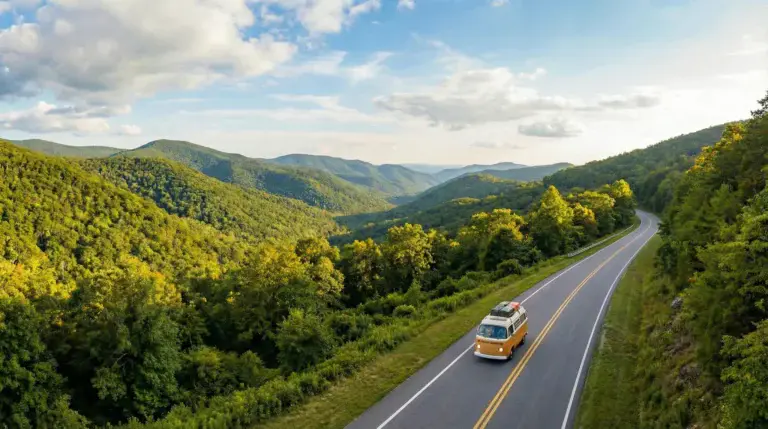
There’s just something special about taking the long, winding road instead of the fastest highway. For me, the most scenic road trips are more than just a way to get from A to B, they’re a full-on nature experience. If you’re even a little bit of a nature lover, you probably get it too. The best routes aren’t about shaving off minutes, they’re about soaking up every bit of scenery along the way.
Why I Almost Always Choose the Scenic Route
For the past few years, I’ve found myself gravitating toward scenic byways, even if they take a few hours longer. It’s hard for me to ignore a road sign advertising a “scenic overlook” or a lesser known backroad that promises big vistas. There’s something about moving through changing landscapes, like forests turning to meadows or coastlines twisting into cliffs, that makes the drive stay with me a lot longer than the destination itself.
It’s not just about getting a pretty photo for Instagram but about catching a glimpse of how wild and varied the world really is. When I hit a stretch of road where mountains suddenly pop up or the ocean comes into view out of nowhere, that’s the kind of stuff that never gets old. Plus, the sensory experience of rolling the windows down, breathing in pine needles or salty sea air, and even hearing the crunch of gravel beneath your tires all stick with you in a way a quick trip on the interstate never could. These details make each trip feel unique, even if you drive the same road twice.
How Landscapes Change the Whole Road Trip Experience
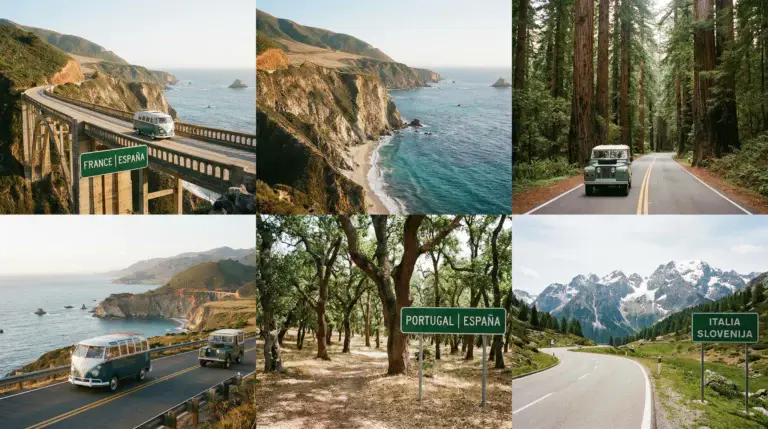
It’s eye-opening how much a landscape can set the mood for the drive. Sometimes, rolling hills make me want to stop and have a picnic, while eye-catching coastline views practically demand a walk on the sand. Wildflowers, red rock canyons, pine forests, every different terrain has its own distinctive vibe. The right road trip feels less like travel and more like an adventure through shifting postcards. As the colors and shapes outside the window change, you start to track down new possibilities for every stop. Sometimes a mountain pass means a last-minute snowball fight, or a grove of oaks provides the perfect spot for a long lunch.
What Makes a Road Trip “Scenic”?
I get asked this a lot. The truth is there’s no one answer for everyone, but I do think the most scenic road trips always check a few boxes. First, diverse landscapes matter, a really good drive will take you through mountains, forests, lakes, coastline, or even open plains all in a single ride. Throw in dramatic turns or elevation changes, and it’s even better.
Some people love the well known scenic highways like California’s Pacific Coast Highway or Colorado’s Trail Ridge Road, but I’ve found there’s a ton of value in hunting down quiet backroads. You might give up a restaurant or two, but you’ll skip traffic and stumble upon hidden gems. Sometimes, unmarked roads or routes suggested by a local can showcase unexpected vistas or wildlife sightings you’d never get from a guidebook. These lesser traveled ways sometimes also let you pull over and explore without worrying about crowds.
- Mountains: Expect winding climbs, big views, and cooler temps.
- Coastlines: Long stretches against crashing waves or sandy beaches.
- Deserts: Wild shapes, red rocks, and silence for miles.
- Forests: Shady canopies, wildlife sightings, and awesome fall color changes.
Quiet Backroads vs Famous Scenic Highways
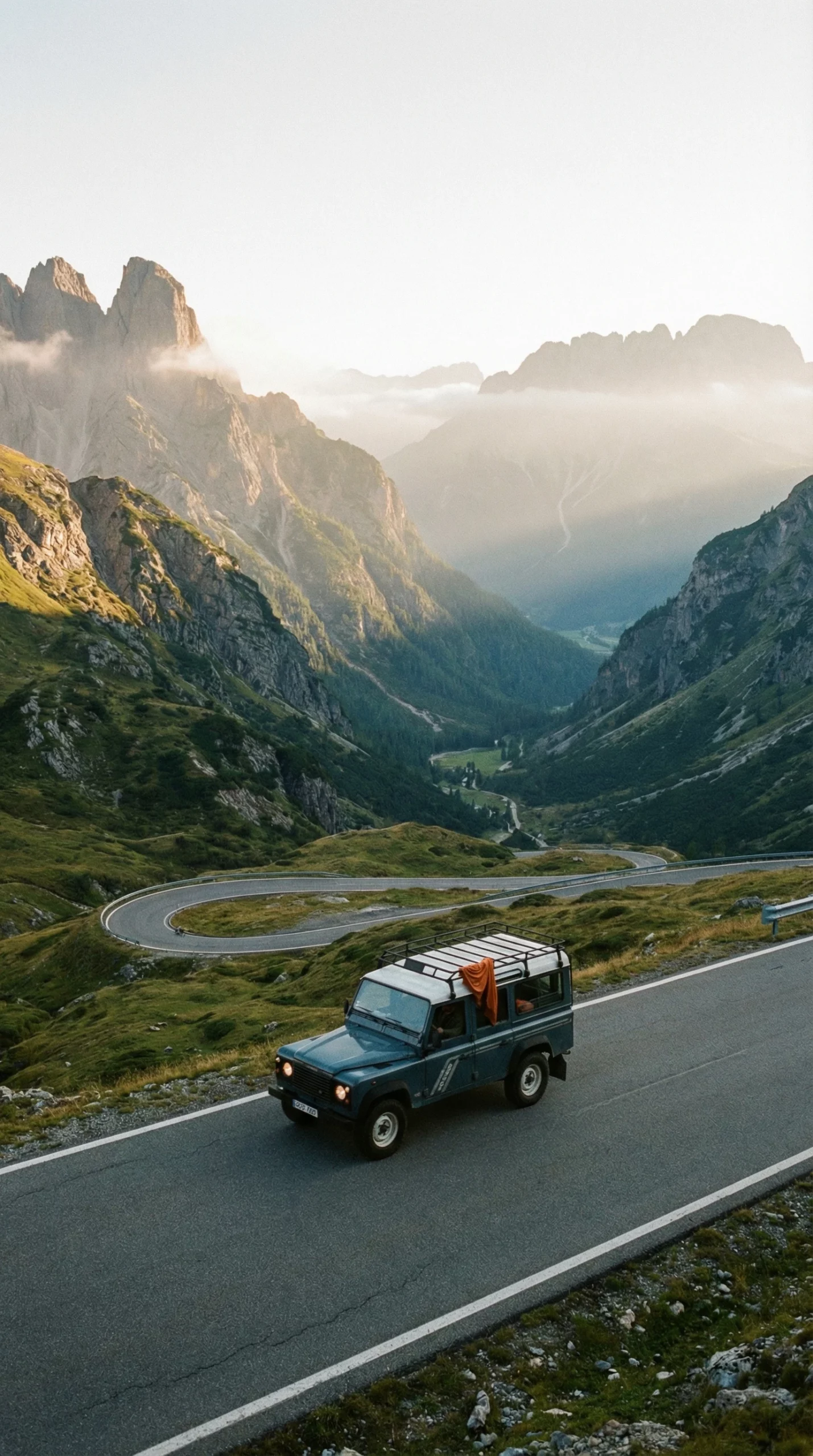
You definitely don’t need to stick to the “famous” routes. Some of my favorite memories have been on tiny country roads that aren’t on anyone’s bucket list. These roads usually have lighter traffic and a real sense of discovery. But if you’re short on time, the well marked routes like Blue Ridge Parkway or Great Ocean Road are a great way to go. Sometimes, a mix of main roads and side roads gives you the perfect blend of comfort and adventure.
When to Slow Down, and When to Stop
The whole point of a scenic trip is the freedom to stop when something grabs you. If I see a pull off with five cars, I usually keep going and check for the next one. Overlooks in national parks, wildflower meadows, and viewpoints just off the road are always worth a pause. If I spot a trailhead for a hike under a couple miles, I usually take it. Sometimes those mini adventures are the highlight of the whole drive and help you spot things away from the main roadway.
Best Types of Scenic Road Trips
The best thing about the most scenic road trips is how many styles there are, depending on what kind of nature you want to see. Here are a few types I always recommend. Each kind of route offers its own version of adventure and can step up your appreciation for the outdoors.
Coastal Drives
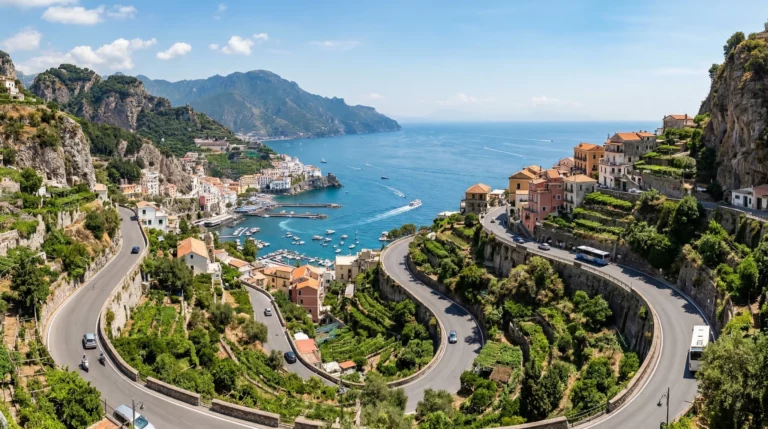
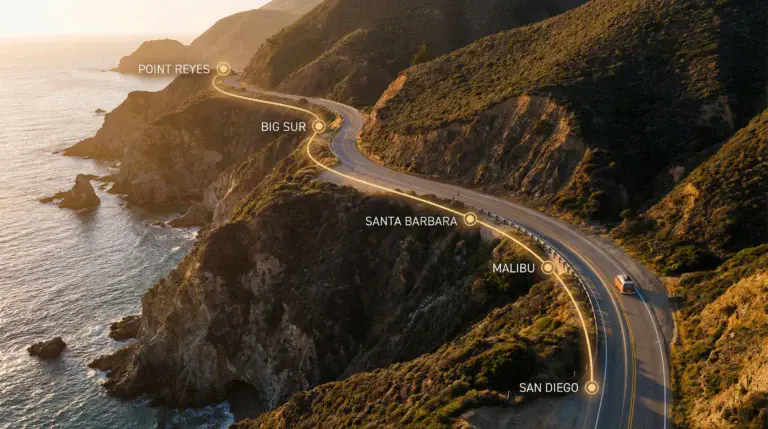
If ocean views are calling your name, there’s nothing like a coastal drive. Routes like California’s Pacific Coast Highway or Ireland’s Wild Atlantic Way have become classics for a reason. Waves on one side, cliffs or farmland on the other, and loads of pull offs for lighthouse views and beach stops. I like to bring a blanket and snacks, pull over at a quiet cove, and just listen to the surf for a bit. Coastal drives are also great for whale watching, rock pooling, or impromptu photo stops. Extra tip: pack a windbreaker and sunglasses since ocean breezes and glare can surprise you.
Mountain and Alpine Routes
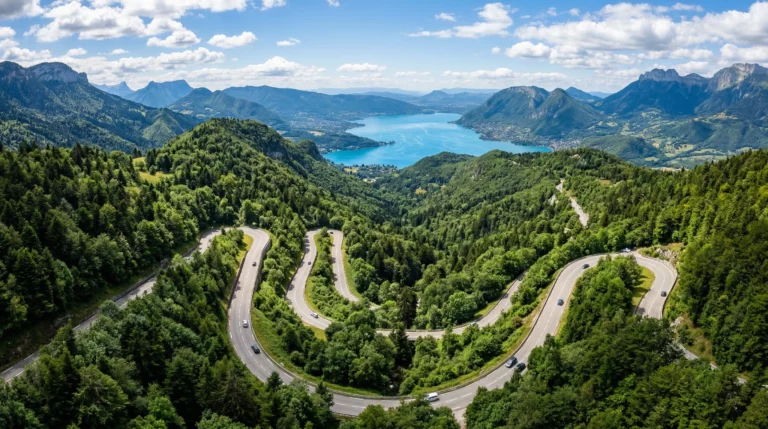
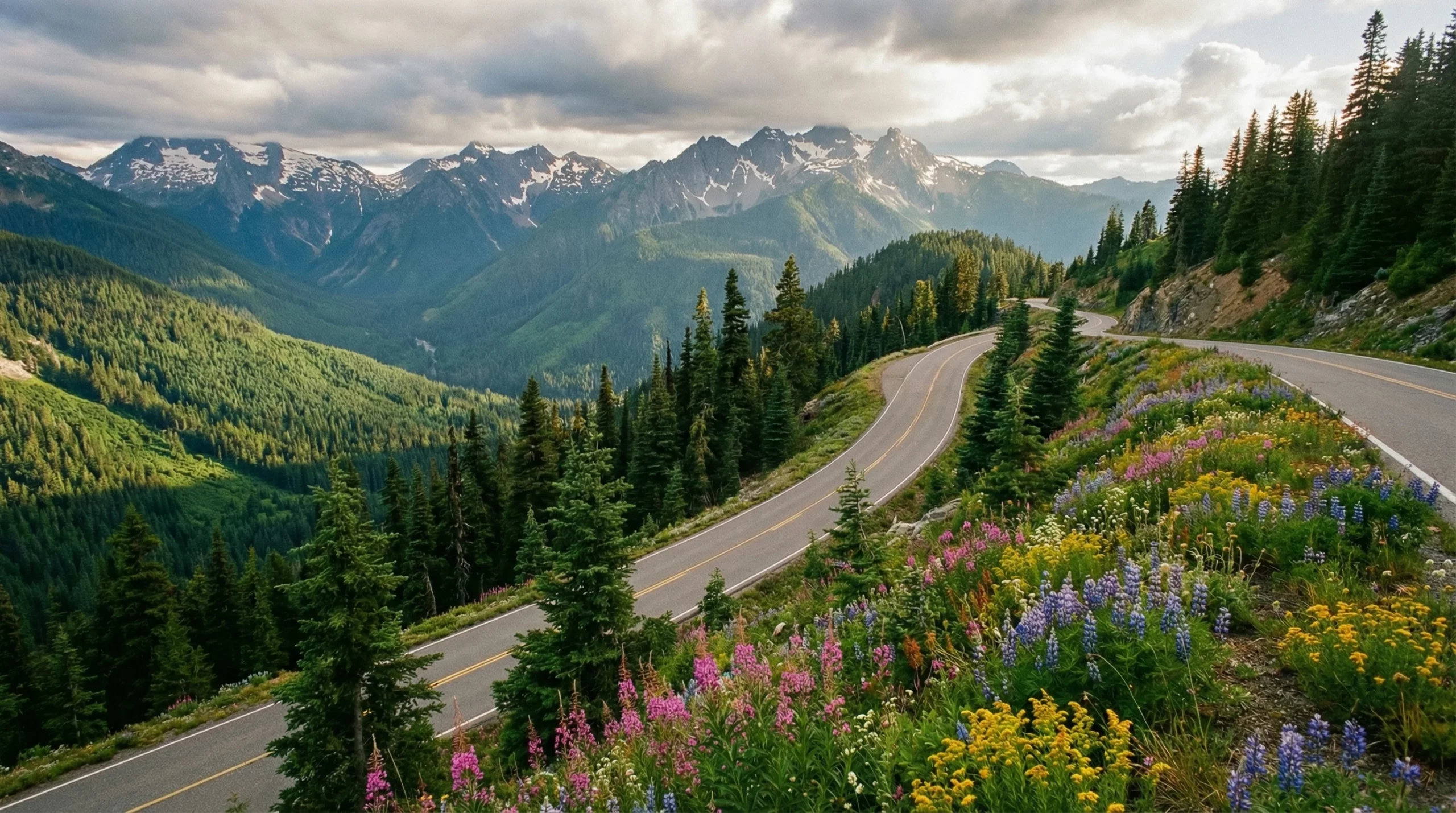
This is where you really feel the changes in landscape. Colorado’s Million Dollar Highway and Norway’s Trollstigen are packed with switchbacks, snow capped peaks, and waterfalls chasing the road. You’ll want to drive these slowly and stop as much as possible, just remember, the air gets thinner at altitude, so take it easy. Alpine roads often have wildflower meadows blooming in the spring and surprise wildlife like goats or marmots. Even pulling over for a quick snowball toss in midsummer adds something special to a mountain road trip.
Desert and Canyon Roads
Desert trips hit different, especially around sunrise or sunset when the light is perfect. Think red rocks in Utah, open stretches through Arizona, or Australia’s Outback highways. Don’t write off the desert as just empty, every bend seems to reveal eye-catching new shapes, arches, or colors, especially after rainstorms or wildflower season. Just pack extra water and know what to expect in terms of heat. I also keep a hat and plenty of sunscreen handy, since shaded rest stops are few and far between.
Countryside and Lake Routes
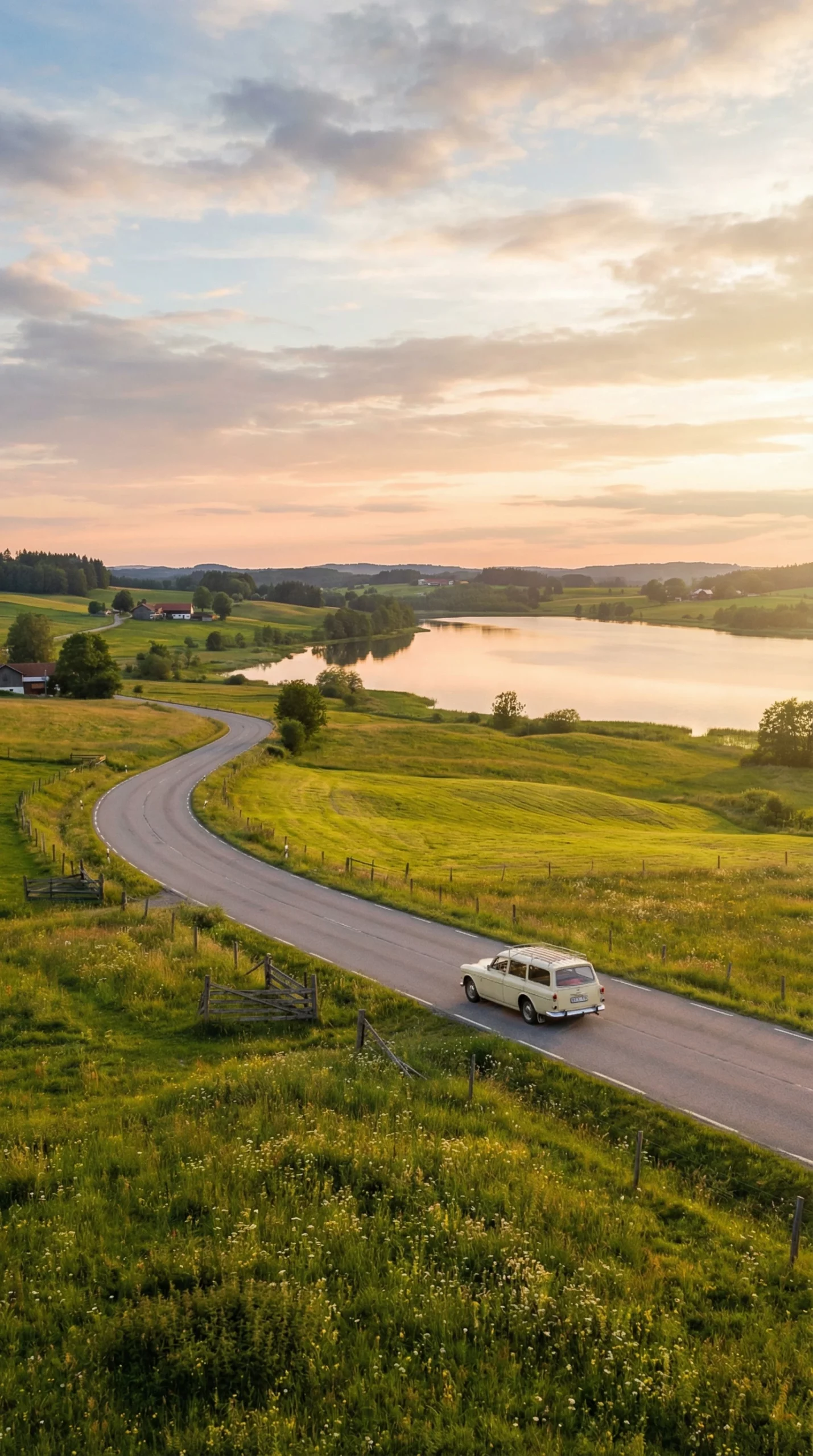
If you like mellow drives with green hills, small towns, and plenty of lakeside stops, some of the best scenic road trip options are in England’s Lake District, Canada’s Icefields Parkway, or the Finger Lakes in New York. These routes are chill, with lots of detours for fresh baked treats in small towns and apple orchards in harvest season. Along lakes and rivers, you can often rent a canoe or go for a swim, making for a fun midday break.
Planning a Scenic Road Trip
Planning the most scenic road trips isn’t just about plugging the biggest cities into your GPS. Here’s what has worked really well for me. Gathering info from different sources, and being flexible, always pays off and lets you get the most out of your ride.
How I Find Scenic Roads
- Online maps and forums: Sites like Roadtrippers, Google Maps satellite view, and AllTrails are pretty handy for finding side roads.
- Tourist boards: National and state park websites almost always highlight scenic routes. These sites often include suggested stops and current road conditions.
- Local advice: Gas station attendants, coffee shop owners, and park rangers always know the best detours not listed anywhere. Sometimes just asking “Where do you go to see the best views?” gives you your favorite stop on the whole trip.
Timing for Golden Hour, Sunrise, and Sunset
Lighting changes everything. Hitting a mountain overlook right at sunrise or catching the ocean during golden hour just makes an already good view look next level cool. I check sunrise and sunset times for the route and plan my driving windows accordingly, even if it means getting an early start or a late night. Early mornings often mean more wildlife, emptier roads, and a peaceful vibe that’s hard to beat. Don’t forget a thermos of coffee or tea to warm up while watching the colors change.
Avoiding Traffic and Crowds
If a stretch is super popular, I usually try to go on weekdays or shoulder season (spring or early fall). Getting up early also means you get the pull offs and viewpoints mostly to yourself. In national parks, I avoid visiting during holiday weekends if possible. If you’re flexible with your stops, just waiting an hour after a tour group leaves can give you a totally different experience, and quieter photos too. Sometimes I revisit a famous overlook later in the day when everyone else has moved on.
Scenic Stops You Should Never Skip
Some of my favorite road trip moments have come from an unexpected stop. Here are the types I always make time for, since they turn an average day into an unforgettable one:
- Viewpoints and scenic overlooks: Sometimes nothing beats standing at the edge of a canyon or watching clouds roll past a mountain peak. I always check the map for pull offs near rivers, valleys, or unusual rock formations.
- Short hikes and nature walks: Even a 30 minute trail can totally change your perspective and give you a break from the car. Bringing lightweight shoes and a water bottle lets you say yes to any trail that calls out to you along the way.
- Small towns worth detouring for: Quaint towns with local bakeries, unique shops, and friendly folks offer a fun change of pace. I’ve picked blueberries in Maine, tasted fresh strudel in the Alps, and wandered tiny fishing villages in the Pacific Northwest, all just by veering off the main road for a bit. Exploring a farmer’s market or chatting with local artists can surprise you with great stories and good snacks.
What I Always Pack for Scenic Drives
The right gear makes it so much easier to both enjoy and capture the wild spots you stumble upon:
- Camera and phone setup: Extra batteries, a lens cloth, and a tripod for sunset shots or group selfies. I sometimes use a dash mount for video of winding roads.
- Binoculars: For spotting birds, distant waterfalls, or even just reading signs from a distance. Small, lightweight binoculars fit in the glovebox and come in handy more often than you’d think.
- Picnic gear and comfy seating: A foldout chair or old blanket, utensils, and snacks. You never know when you’ll want to stop and just chill surrounded by epic views. Cheese, crackers, and fruit make it feel like a mini feast no matter where you are.
- Offline maps and chargers: Scenic roads often lose cell signal. I always download my route ahead of time and bring portable chargers, nothing ruins an adventure like a dead phone at a crucial turn. Paper maps are useful too, just in case technology fails.
Safety Tips for Scenic Routes
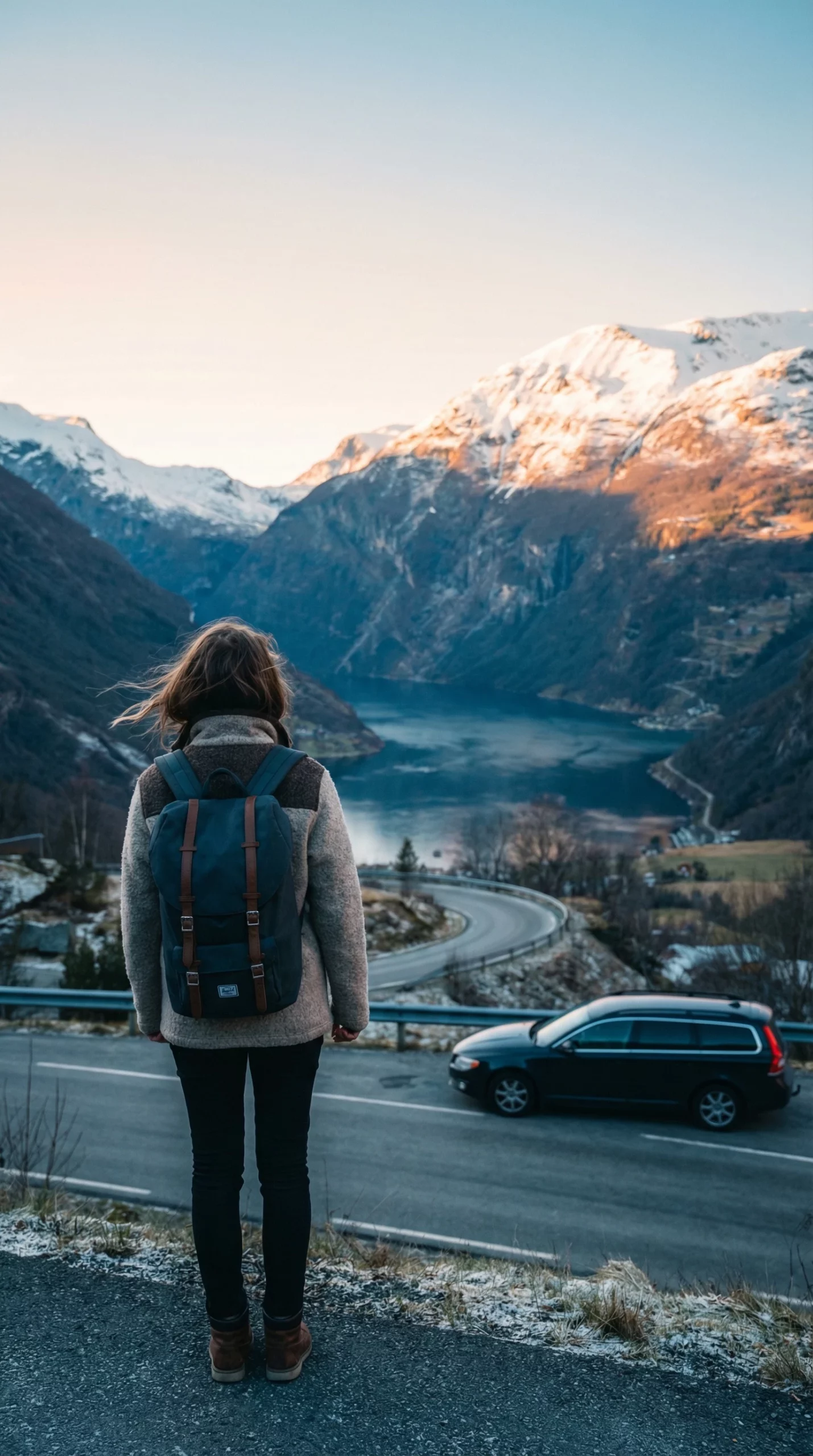
Some scenic roads are remote, twisty, or prone to fast changing weather. Here’s what I keep in mind every time:
- Wildlife: Watch for deer, elk, or other critters, especially at dawn or dusk. Slowing down at night can save both you and the animals from a scare.
- Weather changes: It can go from clear to stormy pretty fast in mountains or deserts. Check the forecast and bring extra layers or emergency rain gear. I keep a rain jacket and a warm hat in the trunk year round.
- Narrow or winding roads: Take things slow, keep headlights on, and don’t be afraid to pull over for faster cars. Keeping your focus means you don’t miss out on sudden wildlife or sudden hairpin turns.
- Fuel planning: Fill up whenever you hit a gas station on a long stretch, sometimes the next one is a lot farther away than you’d think. Stopping often for gas also lets you stretch and check your route.
Wrapping Up – Making the Most of the Views
Some of my best travel memories are from scenic road trips, not because of where I ended up but because of the things I saw and did along the way. It’s worth taking the slower, prettier route every chance you get. The views, the little stops, the unexpected detours, all of it adds up to trips you remember long after you’re home again. Whether you plan every turn or just follow the next sign for “scenic overlook,” you can be sure a great adventure is waiting just around the bend.
Happy travels!
Bella Hartwell
I’m Bella Hartwell, and I help travelers turn simple drives into unforgettable road trip adventures.
The best kind of freedom starts on the open road.