The Best Way To Plan A Road Trip With Multiple Stops – Step-by-Step Guide
Planning a road trip with a whole bunch of stops sounds amazing: open highways, quirky small towns, indie diners, and scenic overlooks everywhere you go. But I know how quickly that excitement fizzles out the moment you look at all the pins on the map. What should be a fun adventure starts to feel like a complicated puzzle, with too many routes and no clue where to start.
Multistop road trips are worth it, though. You get total flexibility, the freedom to chase down hidden gems, and enough variety to keep things interesting. It’s the kind of travel where you can hit up a cool national park one day and get into the local food scene the next. But here’s where so many people run into trouble: they try to wing it, and by day two, everything feels rushed or random.
No matter your destination, some structure is your best friend. That’s why I put together this step-by-step guide so you can map out a road trip that’s organized without crushing your spontaneous spirit. Here’s the approach I stick to, so you can build a trip plan that actually works. Forget the stress.
Step 1: Build Your Core Route
First, decide what kind of vibe you want for your trip. Are you in it for wild scenery, food, city hopping, or a mix?
What’s the Main Theme of Your Trip?
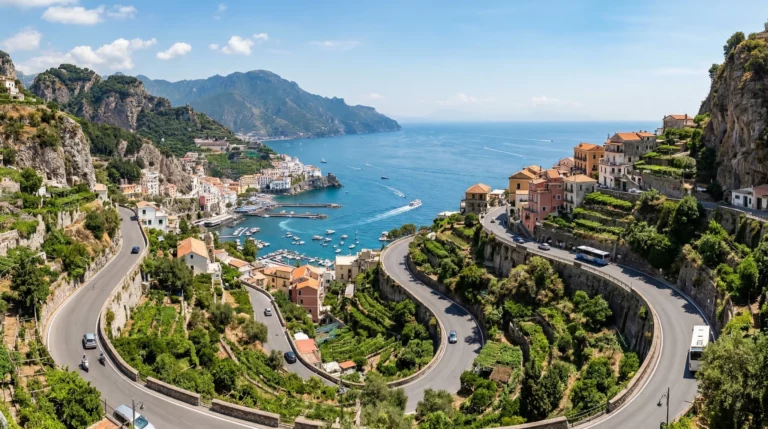
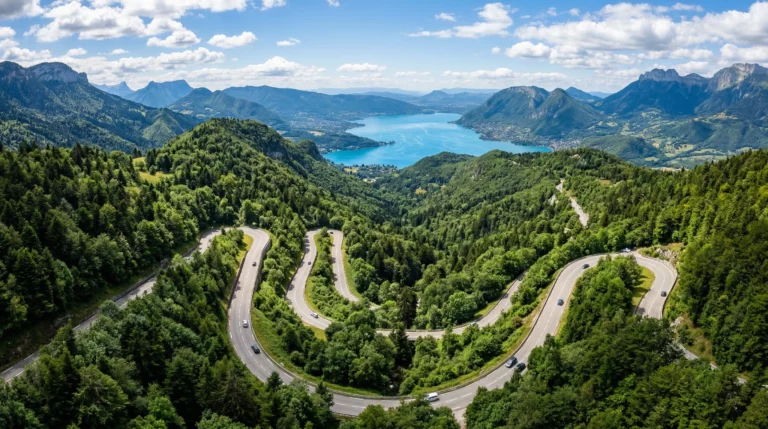
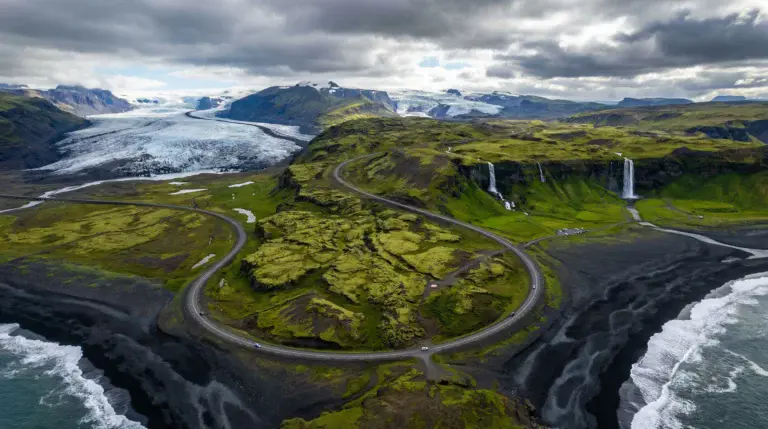
- Scenic Routes – Focus on mountains, coastlines, or countryside.
- City Adventures – Hit up urban hotspots and local culture.
- National Parks – Center stops around hiking, nature, and outdoor fun.
- Food Missions – Plan routes so you can try all the must-eat spots along the way.
- Mixed Experience – Blend a bit of everything for a balanced trip.
Start With Anchor Stops
- Pick Your Starting City – Where’s day one?
- Choose a Final Goal – Your end point, like your hotel, a friend’s town, or a major landmark.
- Highlight 2–4 Major “Can’t Miss” Stops – These are the main reasons you’re making this trip.
Make It Visual
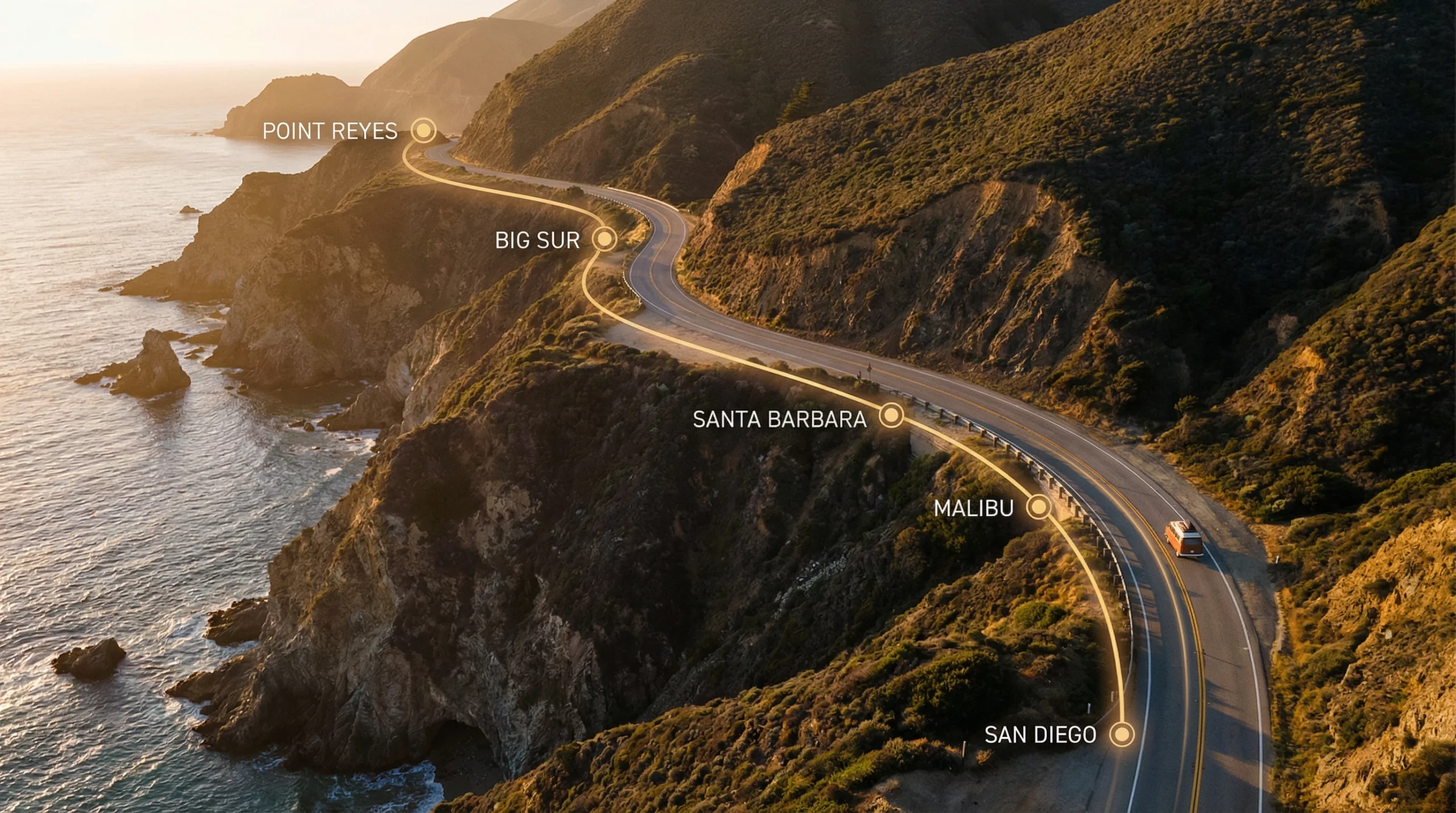
- I lean hard on Google Maps’ multistop tool for rough routing. Tools like Roadtrippers are pretty handy, too, if you want added features.
- Arrange stops to avoid backtracking. Keep most stops on the way, not way off the route.
Step 2: Pick a Realistic Number of Stops
It’s tempting to pack as much in as possible but be realistic with your time, especially if you want to actually enjoy each stop (or just not feel wiped out).
The 2–3 Hour Rule
- Try not to drive more than two or three hours between main stops. Anything longer starts feeling like a long haul, not a fun drive.
Travel Pace Options:
- Fast Pace – See more, but shorter time at each stop.
- Balanced – Time at key places, more relaxed pace.
- Slow Travel – Linger in fewer towns, experience deeper.
Add Buffer Time
- Bad weather, big traffic jams, or last-minute food detours can throw things off. I build in extra time so the day doesn’t get derailed if plans change.
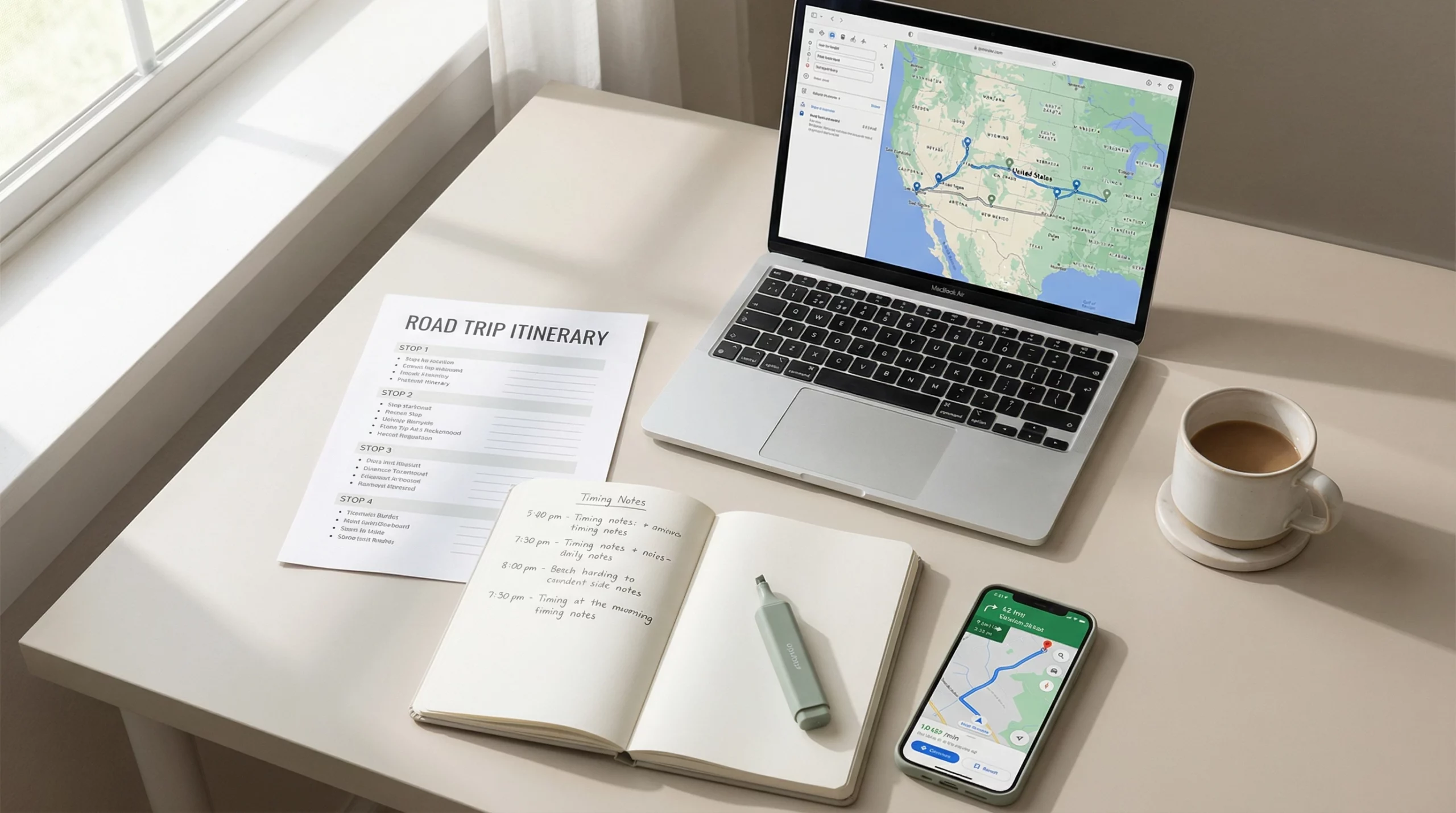
Step 3: Organize Your Stops in Groups
Grouping your stops by type keeps everything organized and helps you balance each day’s activities.
- Scenic viewpoints or roadside photo ops
- Food, coffee, and snack breaks
- Main attractions, museums, markets
- Overnight stays and nearby essentials (like grocery stores, gas stations)
- Places just to stretch your legs
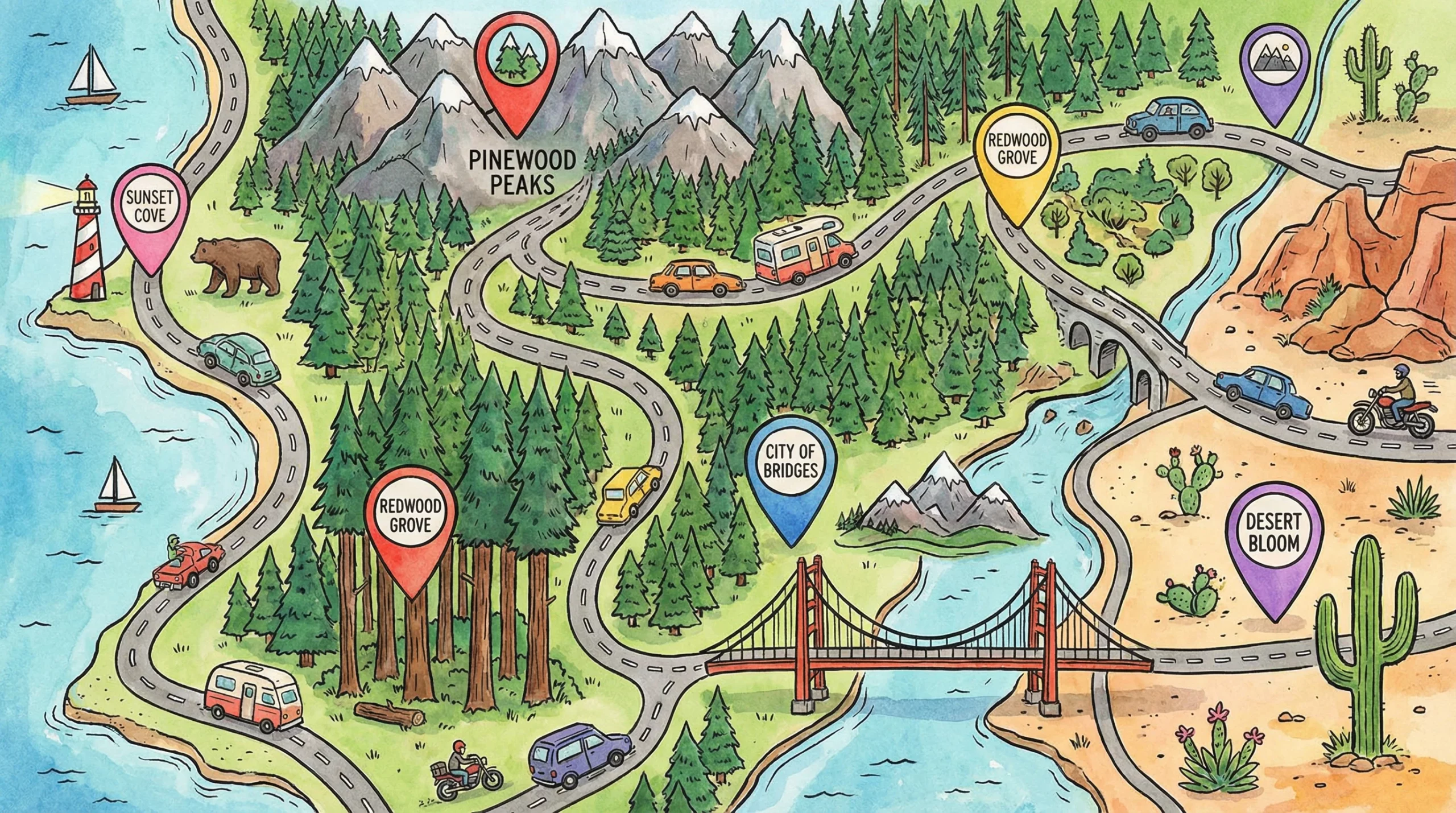
I usually make a little legend or color code stops on my map for quick reference. This color coding helps spot at a glance what each pin means and ensures your trip includes some variety.
Step 4: Sequence Your Stops the Smart Way
This is where things go from “cool list” to “actual plan”. The way you line up your route can make or break your trip experience.
Optimize the Flow
- Cluster nearby stops together so you’re not zigzagging back and forth all day.
- Check road or route conditions ahead. Seasonal closures or construction are super important in rural or mountain areas.
Think About Fatigue
- Don’t plan several long drives with no breaks.
- Mix in short scenic stops to break up the time, especially on big travel days.
If you’re traveling with others, have a quick chat each night about what’s coming up. That helps everyone stay on the same page and makes changes easier if you want to mix things up.
Step 5: Plan Overnight Stops Wisely
- Look for flexible accommodation options that let you change or cancel. Sometimes you’ll want to push on, sometimes you’ll want to chill another night.
- Stay close to your morning route so you hit the road early and skip city traffic.
- Balance price with location and check the parking situation, especially in cities.
- If it’s your first road trip, read reviews for safety and check neighborhoods on Street View for peace of mind.
Also, consider varying your overnight experience: try a mix of chain hotels, quirky motels, Airbnb stays, or even a cabin rental. This way, you get a bit more local flavor and even more memories to look back on.

Step 6: Make Each Day Flexible, But Not Chaotic
Structure keeps you sane, but overplanning sucks the fun out of it. Here’s the structure I like to use:
- Morning – Chill drive, grab coffee, see a landmark
- Midday – Explore a town or park, have lunch
- Afternoon – Hit a scenic viewpoint or short hike
- Evening – Arrive at your overnight spot, settle in, grab dinner
I leave enough “free space” in the afternoon in case something unexpected looks fun. Avoid scheduling every hour, booking too many tours in one day, or stacking high-stress must-sees all together. Let your adventure feel spontaneous, but within a framework that makes it all doable.
Step 7: Prep for Stuff That Can Go Sideways
- Download offline maps for areas with bad cell signal.
- Keep a backup list of cheap eats or quick stops if you skip something.
- Have a weather or road closure backup plan, pivoting is way less stressful with a plan.
- If you’re heading into remote places, plan gas stops and snacks in advance.
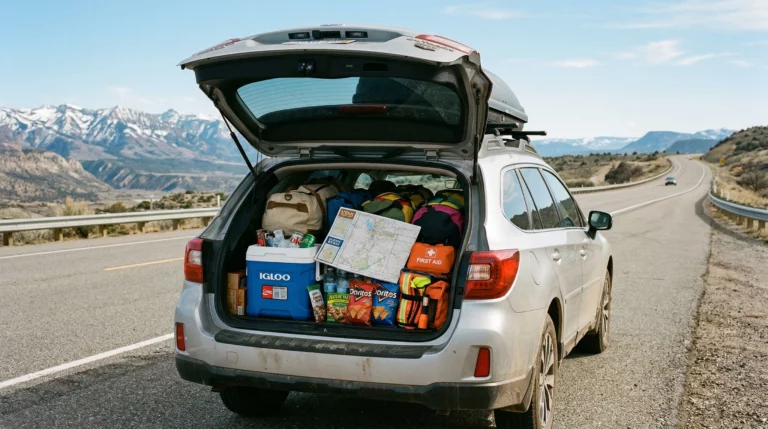
It also helps to pack a small emergency kit: think phone chargers, first aid supplies, and a physical road atlas, just in case technology bails on you. Trust me, it’s worth the minimal space it takes up in your glovebox.
Common Road Trip Planning Mistakes to Watch Out For
- Tossing too many stops or activities into one day
- Ignoring how draining lots of driving can be over time
- Forgetting to check if roads, viewpoints, or parks are even open. This matters in the off-season!
- Booking everything super tight, with no wiggle room
- Picking routes based on pure distance, not drive time. Mountain and coast roads can be a lot slower than the miles suggest.
Sample 5-Day Multistop Road Trip Itinerary
- Day 1: Start city → Midmorning scenic stop → Overnight in a small town
- Day 2: National park loop → Lunch in a local spot → Overnight at a motel nearby
- Day 3: Coastal drive → Lighthouse visit → Sleep in a beachside inn
- Day 4: Famous mountain pass → Picnic at a viewpoint → Cabin stay
- Day 5: Short scenic cruise → Arrival at the final destination by early afternoon
Want more ideas? Try swapping out a day for a popular local festival, a quirky roadside attraction, or some kayaking or biking if you like outdoor stuff. Switching it up keeps the adventure fresh.
Road Trip Planning Tools That Help
- Google Maps for multistop routing
- Roadtrippers for finding quirky stops
- Spreadsheets or trip planning templates for budgets, checklists, and notes
Other apps are out there, too. Check AllTrails if you’re hoping for good hikes, or GasBuddy to find cheap fuel, it’ll help keep your budget in check.
Planning Gives You More Freedom, Not Less
Having a structure to your road trip isn’t about boxing you in. It’s about giving you the flexibility to make spontaneous stops or detours, knowing you’re still on track. The smoother your plan, the easier it is to relax and actually enjoy yourself.
If you liked this approach, consider saving, sharing, or bookmarking for your next adventure. I promise it’ll pay off!
FAQ: Multistop Road Trip Planning
How many stops is too many?
More than 3–4 big stops in a day is pushing it. You can add smaller scenic or snack stops, but don’t overdo it, or you’ll feel rushed.
How far should you drive per day?
A sweet spot is around 3–5 hours total drive time, leaving plenty of time to actually explore each stop.
What’s the best app for planning multistop trips?
Google Maps is reliable, but Roadtrippers is super useful for stumbling upon new places along the way.
Structure Creates Freedom
Planning a road trip with multiple stops doesn’t limit your adventure, it gives you freedom once you’re on the road.
When you map your route, organize your stops, and think ahead about timing and logistics, you’re not removing spontaneity, you’re creating space for it. You’re eliminating the stress of “Where are we staying?” or “How far is the next stop?” so you can actually enjoy the unexpected detours, roadside diners, and hidden viewpoints along the way.
A structured route doesn’t make a trip rigid.
It makes it smoother, more intentional, and more enjoyable.
The best multi-stop road trips feel effortless, not because they weren’t planned, but because they were planned well.
If you found this guide helpful, save it or bookmark it for your next adventure. And if you know someone dreaming about a multi-stop road trip, send it their way, every great journey starts with a smart plan.
Happy travels!

Bella Hartwell
I’m Bella Hartwell, and I help travelers turn simple drives into unforgettable road trip adventures.
The best kind of freedom starts on the open road.