How to Plan a Slow-Paced Road Trip – Stress-Free and Flexible Guide
A slow-paced road trip focuses on minimizing daily driving distances, maintaining a flexible itinerary, and prioritizing local experiences over rigid schedules. Instead of rushing between major attractions, travelers allow time for spontaneous stops, scenic exploration, and rest, resulting in a more relaxed, immersive, and less stressful travel experience.
Planning a slow-paced road trip is one of my favorite ways to unplug, clear my head, and actually enjoy the ride instead of just powering through to the next big tourist stop. I use tools like Roadtrippers, Google Maps and local tourism websites. Instead of racing against the clock and filling every hour with another attraction, the magic of a slow-paced road trip is how it gives you permission to take things easy and say yes to those random, spontaneous moments. Here’s what works for me when I want my adventure to be relaxed, flexible, and full of those little memories that don’t fit on an itinerary.
This guide is for travelers who are tired of rushed itineraries and want a more relaxed, meaningful road trip. You’ll learn exactly how to plan your route, pack smart, and build a flexible itinerary without sacrificing great experiences.
TL;DR: How to Plan a Slow-Paced Road Trip
A slow-paced road trip isn’t about checking off destinations, it’s about enjoying the journey, staying flexible, and creating meaningful travel experiences along the way.
- Drive less, experience more: Aim for 2 – 4 hours of driving per day max
- Pick a region, not a packed route: Focus on one area instead of covering long distances
- Plan 1–2 key stops per day: Leave space for spontaneous discoveries
- Pack light but smart: Bring essentials for comfort, flexibility, and safety
- Book loosely: Reserve your first and last nights, keep the rest flexible
- Embrace detours: The best moments often come from unplanned stops
- Follow your energy: Adjust your pace daily, rest when needed, explore when inspired
- Go local: Choose small diners, markets, and hidden gems over tourist hotspots
- Stay present: Limit screen time and enjoy the journey itself
How to Plan a Slow-Paced Road Trip – Step-by-Step
- Choose a region, not a long-distance route
- Limit driving to 2–4 hours per day
- Pick 1–2 “anchor stops” per day
- Leave gaps for spontaneous stops
- Book only your first and last night
Benefits of a Slow-Paced Road Trip
A slow-paced road trip prioritizes flexibility, reduced stress, and deeper local experiences over covering long distances. By avoiding rigid schedules, travelers can explore spontaneous stops, engage with local culture, and enjoy scenic routes. This approach leads to more meaningful and memorable travel compared to fast-paced itineraries.
There’s something pretty special about trading a jam-packed schedule for the freedom to linger, explore, or even just do nothing for a while. A slow-paced road trip is less about crossing things off a list and more about the whole adventure vibe. When I travel this way, I pick up on way more local flavor, think quirky roadside stops, quiet backroads scenery, and impromptu ice cream detours I’d otherwise zip past.
The real draw for me is how it allows for moments to unfold naturally. Those side roads or little diners that catch your eye don’t always have a five-star rating, but they usually make for the best stories. Plus, a low-key pace lowers travel stress. No worrying over traffic snags or missed stops, just a lot more room to breathe, adjust, and appreciate the surprises that pop up along the way.
Join Road Voyagist
Subscribe to Road Voyagist and get updates on the latest posts, trip tips and more from Bella of Road Voyagist straight to your inbox.
How to Choose the Best Route for a Slow Road Trip
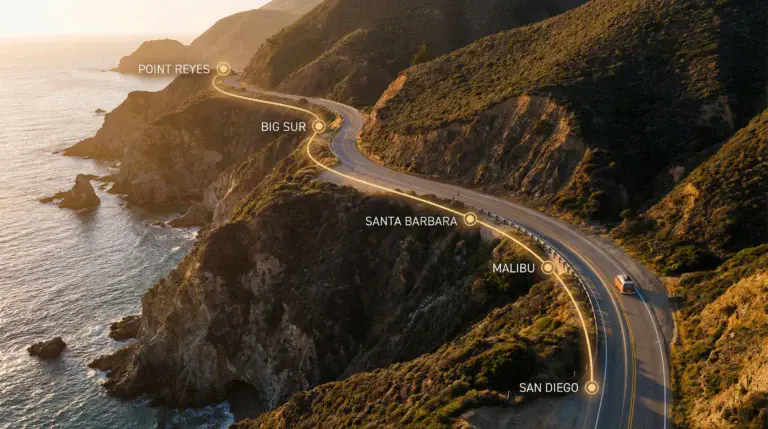
The best routes for a slow-paced road trip focus on short daily driving distances, typically a few hours, and prioritize scenic byways over highways. Planning a general direction instead of a strict itinerary allows for flexibility, enabling travelers to explore unexpected stops and adjust plans based on interest and energy levels.
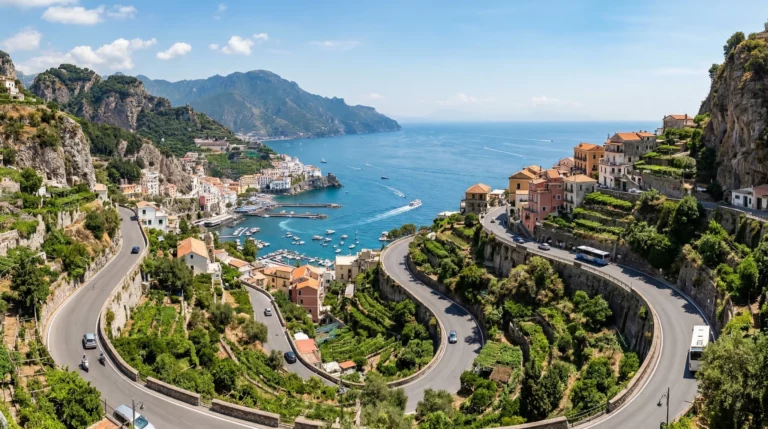
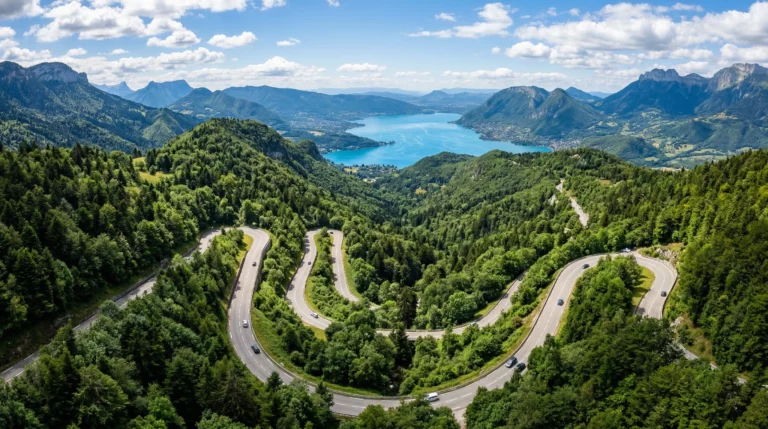
When I’m plotting out a slow-paced road trip, I don’t try to cover as much ground as possible. Instead, I look for routes with a manageable distance each day, usually no more than a few hours of driving. Short stints behind the wheel leave more time for poking around small towns, hiking, or even chilling out at a viewpoint with a good book. I use paper maps or apps to find scenic byways or quieter roads, skipping major highways whenever possible.
While some folks love plotting every point, leaving blank spaces on the map is where the fun happens. When I allow room for unplanned stops, I almost always stumble upon something cool I never expected, little art galleries, local markets, a walking trail, or a view that’s worth the detour. Mapping just your general direction (north, south, wherever) is enough to get started. Sometimes, the best days come from heading to a vague region and letting luck and curiosity handle the details. This also means less pressure to hit every checkpoint and more opportunity to say yes to the moment.
How to Pack for a Slow-Paced Road Trip
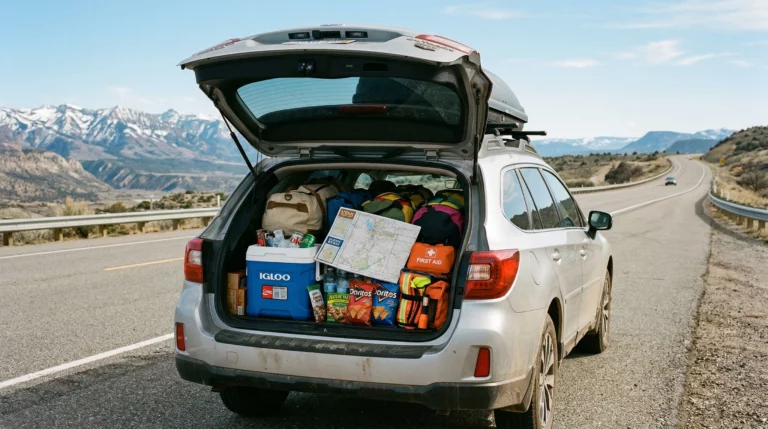
Packing for a slow-paced road trip should prioritize comfort, flexibility, and essentials without overloading the vehicle. Key items include layered clothing, snacks, water, navigation tools, and basic emergency supplies. Packing light ensures easier mobility and space for spontaneous activities or souvenirs discovered along the journey.
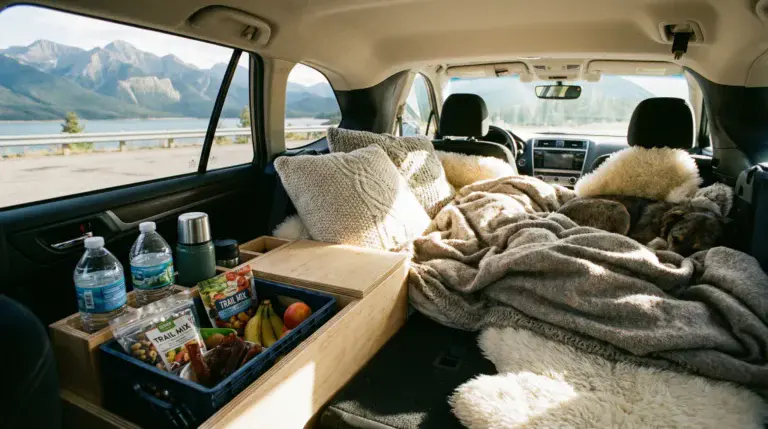
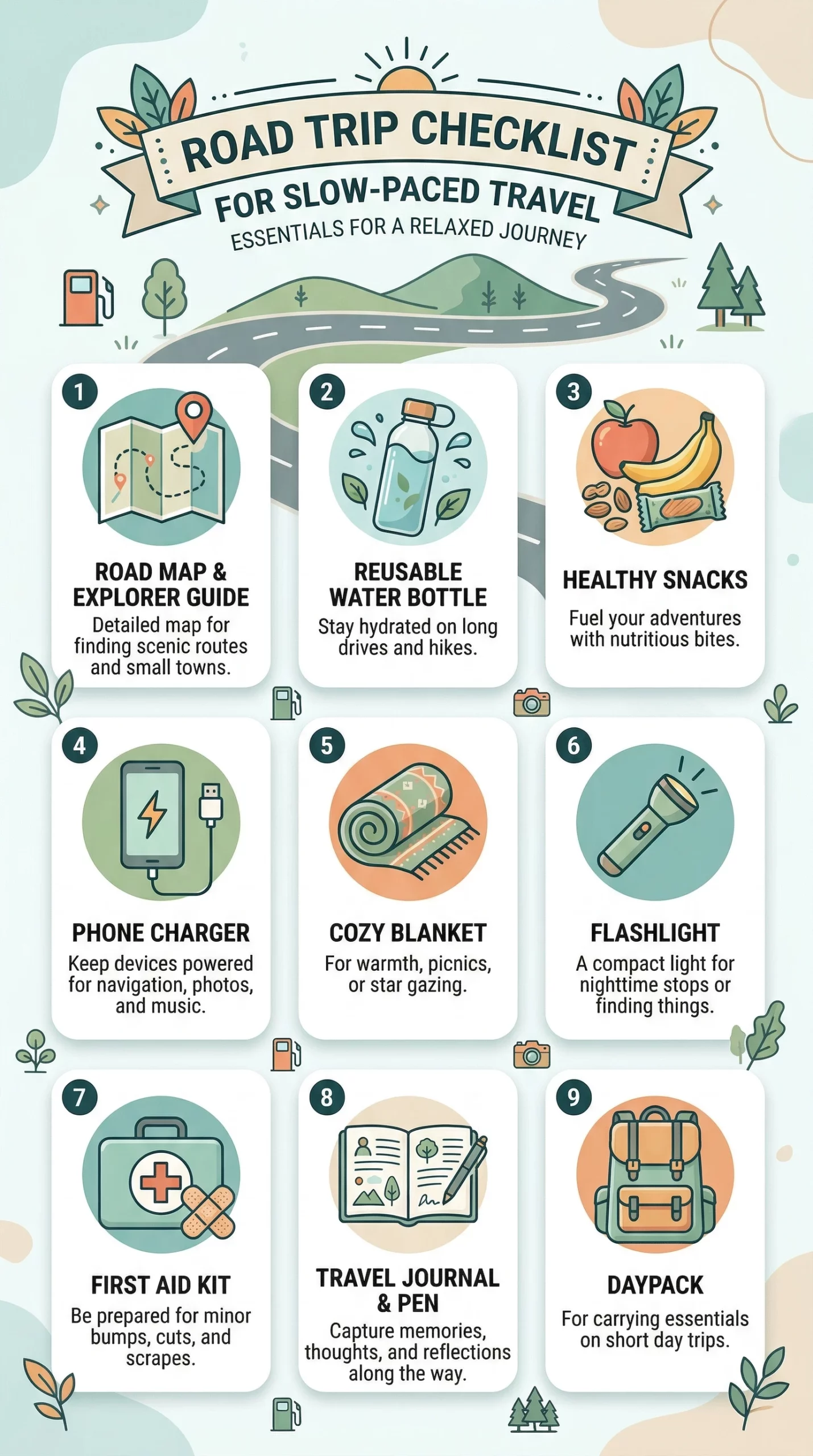
Packing for a slow-paced road trip is all about making sure you’re ready for whatever catches your eye. I pack layers for changing weather and always keep a day bag handy for those spur-of-the-moment hikes or lakeside picnics. Snacks and water are a must, if I spot a lovely picnic area or just want a break from driving, I want to be ready. A portable phone charger, reusable water bottles, and a paper map are always in my kit, since cell signal isn’t guaranteed on backroads.
One thing I don’t do is overpack. Too much stuff makes a car feel cramped and just slows down repacking. I stick to the basics, plus a cozy blanket for stretching out under the stars, and maybe a journal for keeping notes and doodles of all the fun stops. For me, a good playlist, a mini first-aid kit, and a small flashlight round out the essentials. Packing light means more space for spontaneous souvenirs or for stretching out when you need a rest.
Slow Road Trip Packing Checklist
- Layers for weather
- Reusable water bottle
- Snacks
- Portable charger
- Paper map
- First aid kit
- Flashlight
- Blanket
How to Find Great Places That Aren’t On Every List
Finding unique stops on a slow-paced road trip involves relying on local recommendations, exploring small towns, and staying open to unplanned detours. Travelers can discover hidden gems by visiting local businesses, following roadside signs, and using niche travel apps that highlight offbeat attractions not found in mainstream guides.
Some of my favorite slow paced road trip moments come from ditching the big-name attractions and instead asking locals for their favorite spots. Small town diners, little cafes, or that odd mural on main street, these are the kind of things you don’t find by just looking up “best things to do” online. When you dig into local recommendations or even just pay attention to flyers on a community bulletin board, you often track down hidden gems that don’t show up in glossy guidebooks.
- Talk to locals: If you hit a coffee shop in the morning, ask for the owner’s favorite place to hike or the best sandwich within 20 miles. Locals almost always have the best tips.
- Use lowkey travel apps: There are some nifty apps that highlight user-submitted oddities and offbeat stops, which can fill those gaps between big stops with cool discoveries and stories to share later.
- Follow the signs: I love randomly turning off the main road if there’s a sign promising a farm stand, a historic marker, or even just “free kittens” (though maybe not if you’ve already got pets along for the ride).
- Honor the unscheduled break: Sometimes just pulling over when a view grabs your attention or a roadside art piece pops up is the best call. I never regret the extra minutes spent soaking it in, those pauses usually become the most memorable parts of the day.
On one of my slow road trips through Germany, I took a random turn and ended up at Marienburg Castle, a quiet hilltop castle with almost no crowds. I spent hours walking the grounds and taking in the views, something I would have completely missed if I’d stuck to my original plan to rush to Berlin. It wasn’t planned, but it became one of the highlights of the entire trip.
How to Decide Whether to Stop or Skip
When I’m unsure whether to stop somewhere, I ask:
- Does it spark curiosity?
- Do I have time without rushing later?
- Will I regret skipping it?
Essential Tips for a Stress-Free Slow Road Trip
A successful slow-paced road trip relies on flexible time management, partial accommodation planning, and energy awareness. Instead of strict schedules, travelers use time ranges, book selectively, and adapt daily plans. Preparing offline resources and maintaining a relaxed mindset helps reduce stress and improves the overall travel experience.
Moving slowly sounds dreamy, but there are some real tricks to making it work. Having a few basics nailed down goes a long way toward keeping things chill and stress-free.
- Time management without a clock: Instead of strict deadlines, I work with ranges. “I’ll get to that town sometime in the afternoon.” If something takes longer, no big deal. I just move the rest of the day’s ideas around or drop a stop entirely, which keeps the vibe loose and comfortable.
- Booking places to stay: Sometimes I book ahead, especially in busy seasons. But I often leave myself a night or two with no reservation to see where I end up. If I do this, having a short list of backup options or apps helps me dodge the last-minute scramble. Sometimes, the spots you find on the same day end up being quirky, affordable, and memorable.
- Staying connected and unplugged: Download offline maps and entertainment for stretches of the road where there’s no signal. I also give myself the green light to put the phone down often, less screen, more green. When I spend less time scrolling, I spend more time soaking in the real world around me.
- Pacing your energy: It’s tempting to cram in every possibility, but sticking to just one or two “maybes” a day keeps the trip light and lets the adventure unfold without FOMO. If I rush, I’m more likely to get tired or grumpy, so I keep things chill.
How to Calculate Your Ideal Daily Distance
A simple rule I follow:
Daily Distance = (Hours You Want to Drive × 50–70 km/miles per hour)
Pacing Yourself: Listening to What You Really Want
Pacing a slow road trip involves adjusting activities based on personal energy and mood rather than following a fixed itinerary. Travelers should allow for both active exploration and restful moments, skipping planned stops if needed. This flexible approach ensures a more enjoyable and less exhausting travel experience.
This feels big: it’s super important to pay attention to your own pace and energy, not just the plan. If I start the day super motivated, I’ll walk extra trails or try a longer scenic detour. On slower days, a quiet morning with coffee and a view beats any tourist stop. Give yourself permission to skip whatever isn’t actually calling to you and you’ll come home refreshed instead of exhausted.
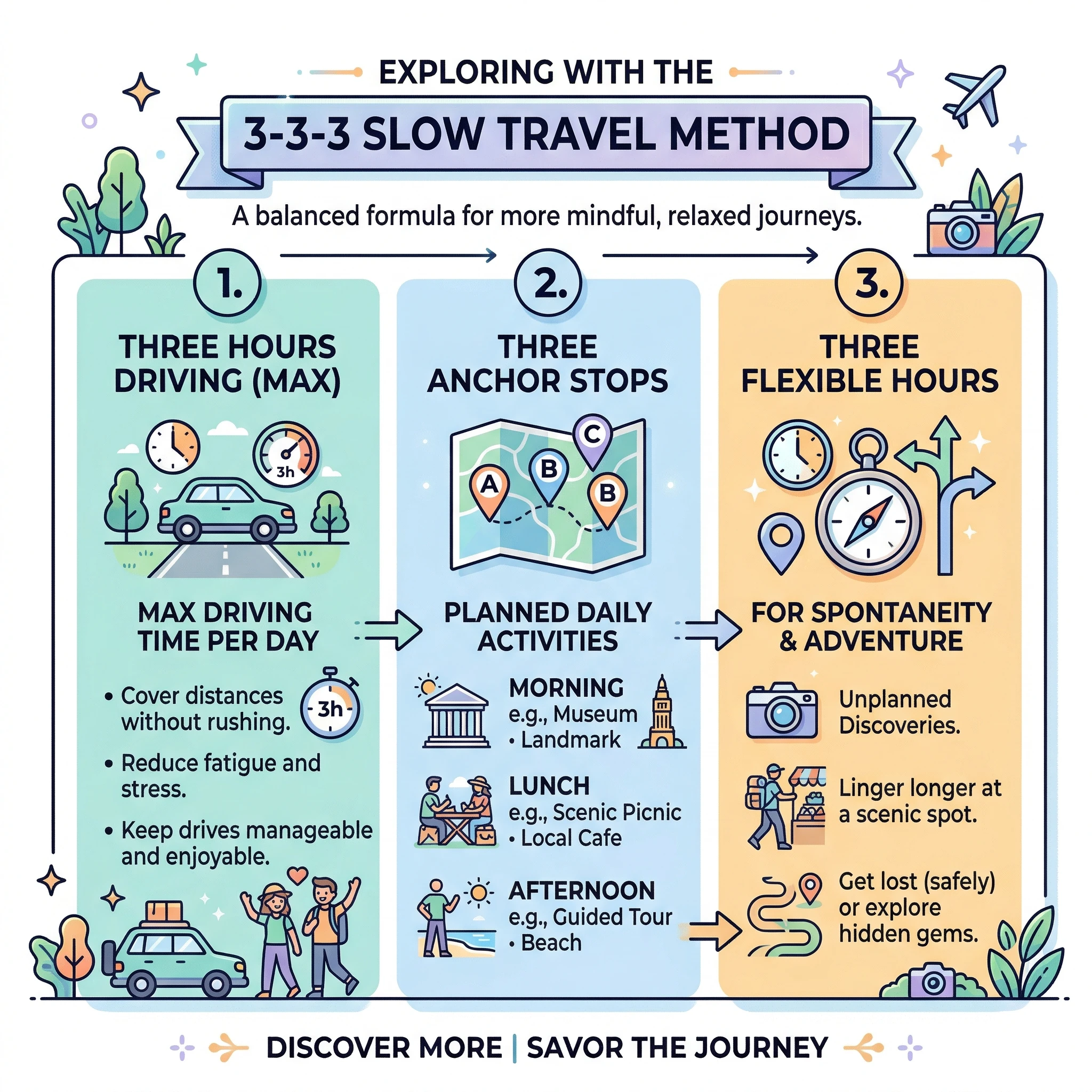
The “3–3–3 Slow Travel Method”
I use what I call the 3–3–3 Slow Travel Method to keep my trips balanced. It prevents overplanning while still giving structure to each day.
- 3 hours driving max per day
- 3 meaningful stops max
- 3 flexible hours for spontaneity
Handling Surprises Because They’ll Happen
Unexpected situations such as weather changes, wrong turns, or spontaneous events are common during road trips. A slow-paced approach allows travelers to adapt easily without stress. Flexibility and a positive mindset help turn disruptions into memorable experiences rather than inconveniences.
No trip goes 100% according to plan. Wrong turns, sudden rainstorms, or a local event you didn’t know about can change the day’s picture quickly. The nice thing about moving slower is you’re less rattled by surprises. Flexibility is everything, and most of the time, those little hiccups turn into the best memories anyway. Sometimes you’ll end up somewhere you never meant to go and realize it was the highlight of your trip.
Extra Tips for Making the Most of a Slow Road Trip
Enhancing a slow-paced road trip involves focusing on local experiences, documenting moments, and minimizing digital distractions. Supporting local businesses, keeping travel notes, and curating music or audio content can improve the journey. Maintaining vehicle readiness also ensures safety and reduces potential disruptions.
After a bunch of these trips, I’ve picked up some tricks that make the difference between a drive and a real experience:
- Sample the local food: Skip the chain drive-thru for family diners and food trucks, you’ll probably find new favorites, and your dollars help small communities hang on and thrive.
- Document the little things: Snap photos, keep a daily note, or collect small souvenirs like postcards or pressed wildflowers. These become your personal trip highlights down the road and give you something to look back on and smile about later.
- Go tech-light: Maps and playlists are great, but I love taking breaks from screens and actually talking to my travel buddies or letting my mind wander as I watch the scenery roll by. Sometimes, just jotting a note in a paper journal does more for my memory than a hundred pictures.
- Be kind to your car: Slow travel doesn’t mean you can slack on maintenance. Short checklists for tire pressure, fluids, and a stocked emergency kit keep everything low-stress and make unexpected delays way less stressful if you’re prepared.
- Choose music intentionally: Build playlists that fit different moods, from energetic road trip singalongs to mellow tracks for sunset. The soundscape can be as important as the scenery when you want the ride to feel just right.
Example of a Slow Road Trip Day
- Morning: Coffee and short walk
- Midday: Scenic drive and local lunch
- Afternoon: Spontaneous stop (viewpoint, shop, trail)
- Evening: Relaxed dinner and sunset
Slow vs Fast Road Trip
This difference is what makes slow travel feel more like an experience rather than a checklist.
| Slow Travel | Fast Travel |
|---|---|
| 2–4 hours driving | 6–10 hours driving |
| Flexible stops | Strict schedule |
| Local experiences | Tourist highlights |
| Low stress | High pressure |
Join Road Voyagist
Subscribe to Road Voyagist and get updates on the latest posts, trip tips and more from Bella of Road Voyagist straight to your inbox.
Common Mistakes to Avoid on a Slow-Paced Road Trip
- Planning too many stops
It’s tempting to mark everything that looks interesting, but overloading your day defeats the purpose of slow travel. Too many stops turn a relaxed journey into a rushed checklist, leaving you feeling pressured instead of present. - Driving too far each day
Long driving distances quickly drain your energy and reduce time for exploring. If you spend most of the day behind the wheel, you miss the small, meaningful experiences that make slow road trips special. - Overbooking accommodations
Locking in every night removes flexibility and makes it harder to follow spontaneous opportunities. A rigid booking schedule can force you to leave places too early or skip unexpected discoveries along the way. - Not leaving room for spontaneity
One of the biggest benefits of a slow-paced road trip is the freedom to explore the unexpected. If every hour is planned, you’ll miss out on hidden gems, local recommendations, and those unplanned moments that often become highlights.
When a Slow Road Trip Might Not Be Ideal
In these cases, a hybrid approach may work better.
- Very short vacations
- Long-distance cross-country trips
- Tight schedules
Slow-Paced Road Trip FAQ
A slow-paced road trip typically involves driving 100 – 200 miles per day, balancing planned stops with flexibility, and limiting advance bookings. Travelers should prioritize local dining, use entertainment like music or audiobooks, and adapt pacing to maintain engagement and avoid fatigue during longer journeys.
People ask me about this kind of trip all the time, so I’m breaking down answers to questions that pop up a lot:
How many miles should I aim for in a day?
My sweet spot is around 100 to 200 miles max per day. Anything more and it stops feeling relaxed and just turns into a dash from point to point. Of course, your pace might be different, so feel free to adjust to suit your style.
How do I handle meals if I’m driving all day?
I plan for at least one real sit down meal, even a long picnic counts. Snacking is handy, but part of the fun is sampling whatever the region is known for or finding a farmers market along the way. Sitting down to eat also creates good breaks in the day and gives you a taste of local culture.
Do I need lots of advance reservations?
Sometimes yes, especially for popular places or weekends. I usually book the first and last night for peace of mind, but play the rest by ear to keep things open for spontaneous changes. It’s helpful to have easy access to booking apps or lists of campgrounds and hotels along your general route, just in case.
What if I get bored driving slow routes?
Making time for more stops, creating playlists, getting into audiobooks, and looking for those “hey, what’s that?” moments keeps things fresh. Bringing a passenger or even sharing the adventure with your pet adds a whole other layer of fun and makes time fly by. If you’re solo, use the time for reflection or to catch up on your favorite music or podcasts.
Slow Down and Enjoy the Adventure
A slow-paced road trip emphasizes the journey over the destination, allowing for flexibility, spontaneity, and deeper engagement with surroundings. By reducing time pressure and embracing unplanned moments, travelers can create more meaningful and memorable experiences compared to traditional fast-paced travel styles.
Going for a slow paced road trip comes down to valuing the ride just as much as the destination. I’ve found that when I ease up on the schedule, I come home less frazzled, with way better stories, and a new appreciation for places I’d never thought to see. Whether you’re alone, with friends, or rolling with your dog, letting curiosity set the pace pretty much guarantees you’ll come back with memories that’ll actually stick around.
It’s wild how much more you pick up on when you’re not in a hurry. Give yourself the space to roam, the flexibility to change course, and the grace to pause as often as you like. Those last-minute turns and unexpected stops? That’s usually where travel becomes something personal and fun. The road’s open and ready, no rush required.
Happy travels!
Bella Hartwell
I’m Bella Hartwell, a travel enthusiast who has organized over multiple road trips.
I share hands-on tips, tested gear lists, and personal stories to help others travel smarter.
The best kind of freedom starts on the open road.