Seasonal Road Trips: From Spring Blooms To Autumn Colors
Seasonal road trips totally changed the way I see travel. I used to map out routes just to hit the biggest attractions, but after years on the road, I stopped chasing the furthest point on the map and started timing my drives to the best nature shows of the season. I’ve learned that the real magic isn’t about distance. It’s about what the scenery does at that perfect time of year, like catching wildflower super blooms in spring or cruising through a tunnel of gold and red leaves in autumn. Picking your season can turn an ordinary drive into an epic adventure, and I’m always looking for the next big show from Mother Nature.
Spring Road Trips: Wildflowers, Waterfalls, and Mild Weather
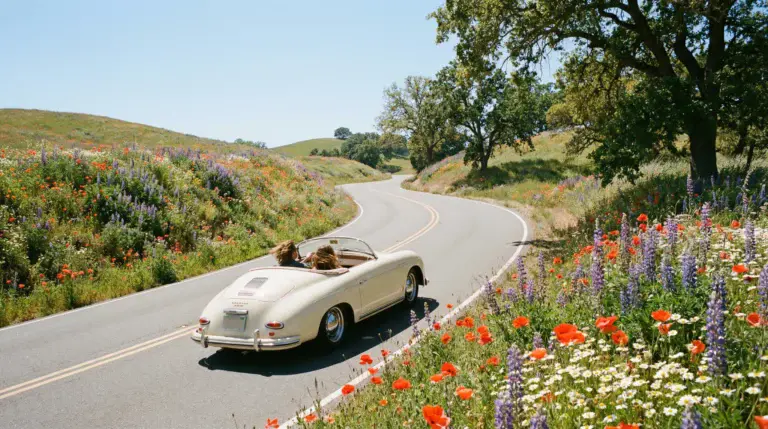
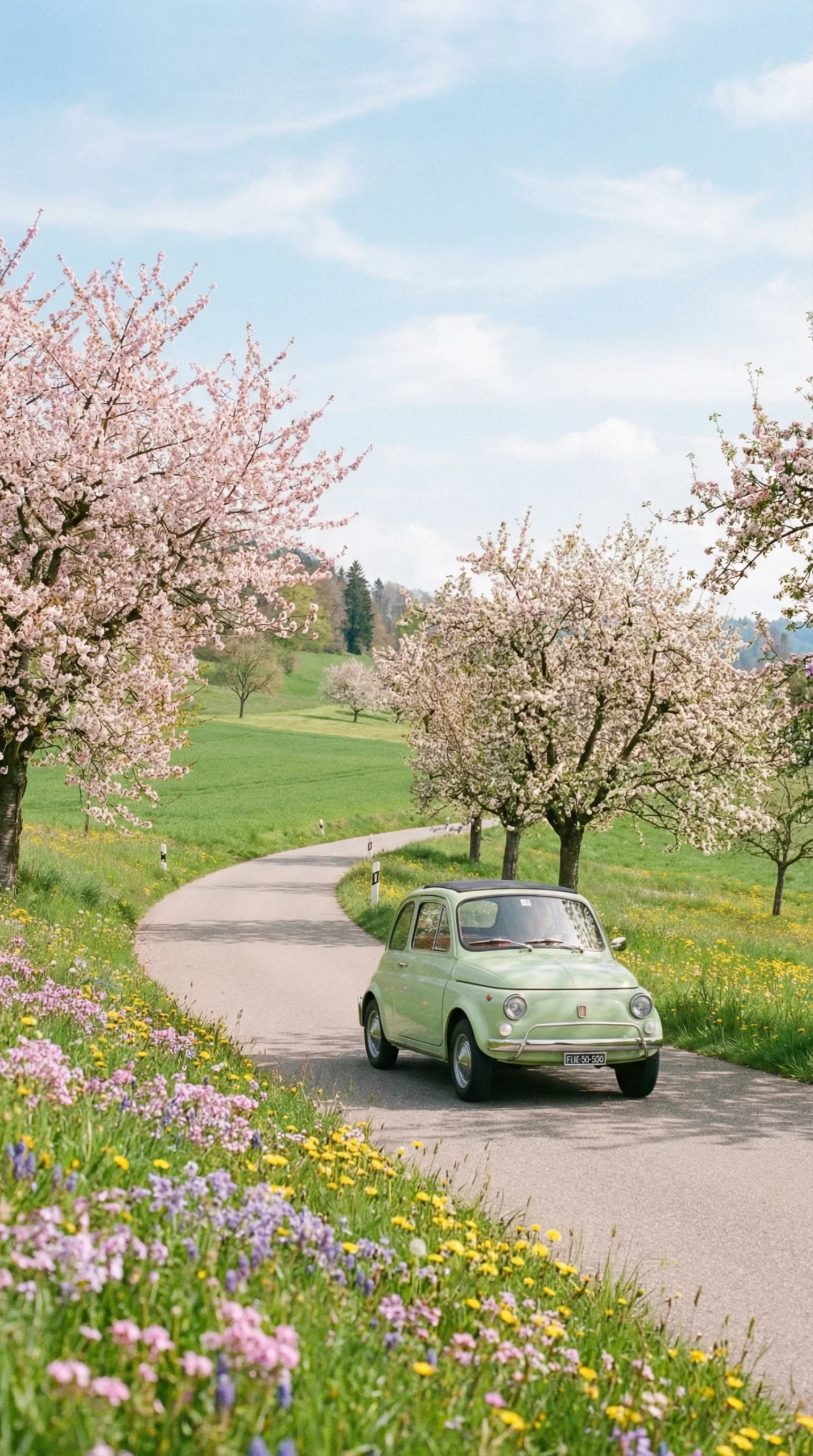
Spring is one of my favorite times to hit the road. The world just feels fresh, wildflowers are popping up, waterfalls are charging at full force, and mild temps let you roll down the windows without getting blasted by heat. My go-to spring blooms road trip ideas always include places like Texas Hill Country (for bluebonnets), California’s Antelope Valley, and the Pacific Northwest’s Skagit Valley during tulip season. Even the Smokies offer up amazing roadside displays of mountain laurel and rhododendron. If you check out Colorado’s San Juan Mountains in late spring, you might catch colorful alpine meadows that seem to go on forever.
Chasing spring waterfalls is pretty unbeatable, too. Snowmelt ramps up the flow, so spots like Yosemite, Oregon’s Columbia River Gorge, and upstate New York’s Finger Lakes look their best. Places like Great Smoky Mountains National Park become prime for spotting rushing falls and misty viewpoints. You can also stumble upon smaller, lesser-known cascades just by exploring off-the-beaten-path forest roads all across the country.
Rain Prep and Muddy Road Realities
I’ve learned to always check the forecast and pack rain gear (both for my car and myself). Lightweight waterproof jackets, boots you don’t mind getting caked in mud, and quick-dry pants are the move. I stash a couple towels and a tarp in my trunk because soggy gear is way more common in spring. If I’m heading somewhere remote, I make sure my tires can handle some slick roads, and don’t trust those dirt roads to stay passable. Keeping an eye on local parks’ or national forests’ social media is super useful, trail closings and road washouts happen fast in spring.
Summer Road Trips: Coastal Escapes and Mountain Cooldowns
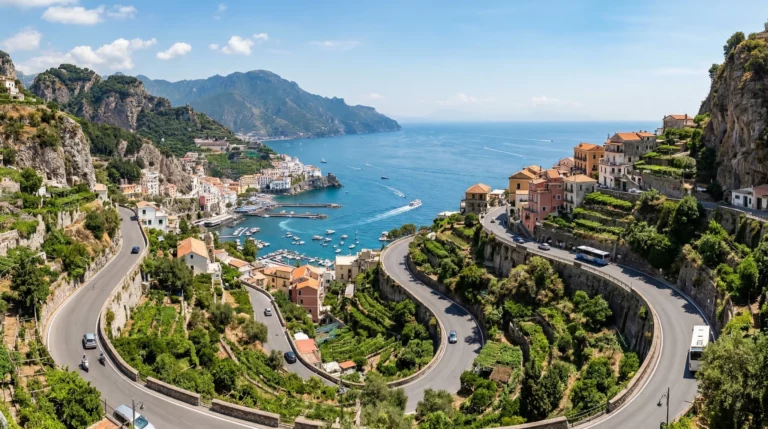
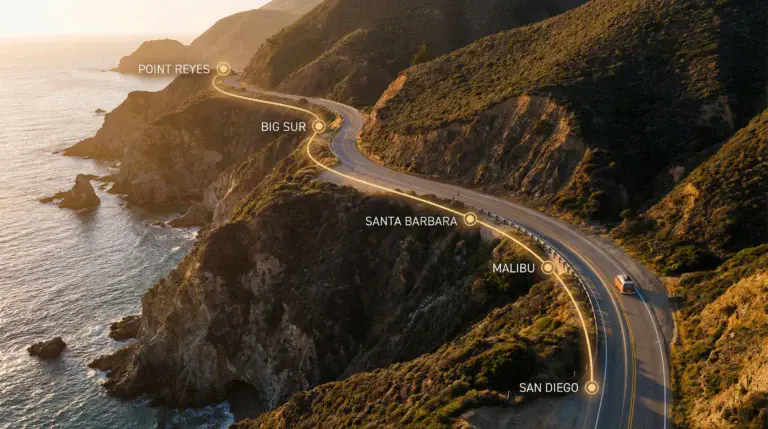
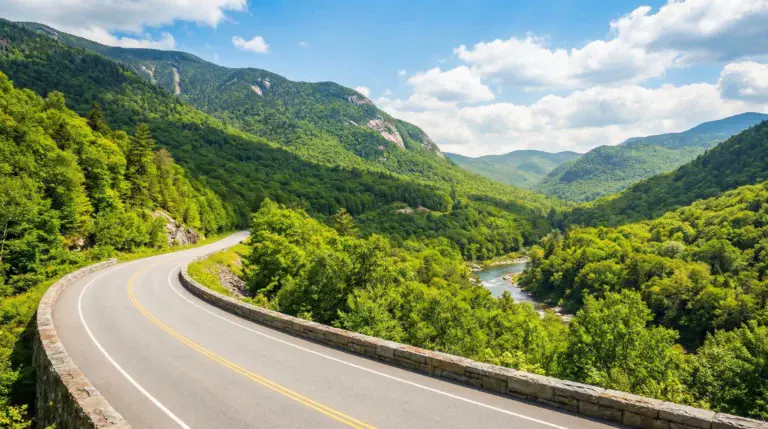
Summer classics usually mean beaches, lakes, and everything that helps you cool off. I plan my summer drives around breezy coastal highways, like California’s Highway 1 or the Oregon Coast, or I chase altitude for temps that feel way more comfortable, like Colorado’s Million Dollar Highway or Canada’s Icefields Parkway. Driving along Lake Superior’s North Shore is another favorite, cool breezes and endless shoreline views make it unforgettable.
If you want long daylight hours to squeeze in as much fun as possible, summer is tough to beat. I’m able to fit in spontaneous stops and off-route discoveries, even after dinner, there’s still time to wander or hit the trail. But crowds are real, so I try to hit the big sights on weekdays or super early before the busy daytime rush. Even during peak season, small detours often reveal hidden gems, like local swimming holes or quiet picnic spots that rarely get packed.
Crowd Strategies and Beat-the-Heat Moves
Parking at the most popular trailheads or viewpoints is more competitive in summer. I’ll pack a cooler, load up with water, and don’t even think about leaving without a hat and sunscreen. For road trip meals, I love prepping cold pasta salads and bringing lots of fruit to avoid having to eat hot, heavy food in the heat. For the car, I stash extra windshield sunshades and a portable fan, those little battery-operated ones are super handy for roadside naps. If there’s a lake or river along my route, packing a swim suit is a must. Also, I plan breaks in spots with shade or water access to make mid afternoon hours more comfortable.
Fall Road Trips: Foliage Routes and Harvest Towns
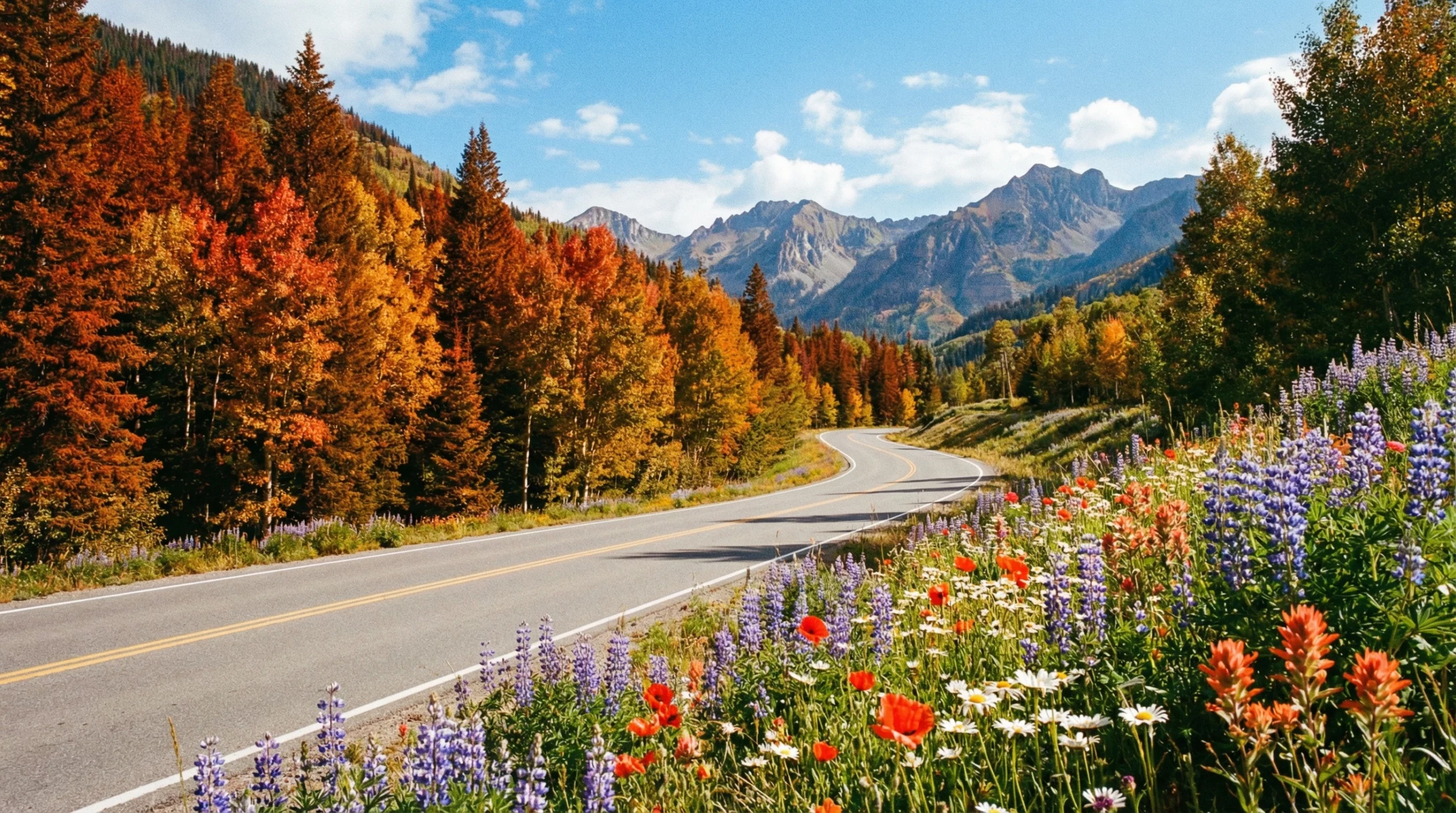
If you ask me, autumn is the all-star road trip season, especially if you love nothing more than cruising down scenic byways painted in fiery oranges, reds, and yellows. Autumn colors scenic drives worth checking out include Vermont’s Route 100, Michigan’s Upper Peninsula, the Blue Ridge Parkway in North Carolina and Virginia, and parts of Japan’s Nikko region. Even less famous routes, like Arkansas’s Pig Trail Scenic Byway, are stunners when timed right. The Great River Road in Minnesota and Wisconsin offers big water views and dramatic color as well.
Harvest towns add to the magic, think apple orchards, pumpkin patches, local cider, and farm stands bursting with fresh produce. Tossing a few of these stops into my route turns a color tour into a legit fall celebration. I also love the side bonus of finding fall festivals and corn mazes. It’s a great way to get into the spirit of the season and sample regional treats, from cider doughnuts to fresh-pressed apple juice.
Timing Tricks for Peak Colors
Catching foliage at its best isn’t just luck. I use state forest and tourism websites, Instagram hashtags, and even hotline updates that a lot of regions still run. I try to keep things flexible, booking stays with generous refund policies means I can switch up my schedule if the colors are running earlier or later than expected. A good rule is to aim for the midpoint of the expected window, you’ll probably get the best mix of color, and less risk of bare branches. Cooler nights and sunny days in the forecast mean the color show will hit soon. When in doubt, ask locals for the best bets, since they see the season unfold every year.
Winter Road Trips: Snowy Views and Cozy Towns
Winter driving feels like a challenge, but it totally pays off. The world goes quiet, and you get so many roads and sights to yourself. Some of my favorite winter drives are Utah’s Scenic Byway 12 blanketed in snow, New Hampshire’s Kancamagus Highway lined with frosted pines, or Norway’s Atlantic Road. Tiny mountain towns with cozy cabins and hot chocolate stands are perfect for warming up. If you love winter sports, planning a route through ski towns or snowshoeing hot spots adds to the experience.
Winter camping in a van or RV is a vibe, really peaceful, but a different kind of prep game compared to warmer seasons. I insulate my vehicle windows, bring extra sleeping bags, and always have a way to make hot drinks quickly. Instant coffee and a Jetboil have saved plenty of my chilly mornings. If I’m planning longer drives between towns, I also bring extra snacks and check weather updates more frequently.
Winter Packing Nonnegotiables
Heated blankets (even the plug-in type for the car), tire chains, backup batteries, and a serious ice scraper come with me on any cold-weather drive. I keep at least half a tank of gas at all times in case I get stuck or have to run the heater for a bit. If I’m camping, I make sure condensation can escape (a cracked window helps), and I use boot trays or old towels to catch snowy mess at the door. Throw in a small shovel and some kitty litter or traction mats to help if you get stuck in snow or ice, these simple tools have saved me more than once during surprise snowstorms.
Best Vehicles for Each Season
I’ve taken road trips in everything from tiny hatchbacks to big RVs, and each season has its sweet spot. For spring and fall, a van or small SUV hits the balance between comfort, storage, and ability to handle the occasional muddy or leaf covered road. In summer, anything with a strong AC and maybe a sunroof feels perfect, but convertibles or motorcycles are extra fun on scenic stretches, just plan for lots of sunscreen and decent rain gear in case of sudden storms.
Winter calls for an AWD or 4WD vehicle, especially if there’s any chance of snowy roads. I swap to snow tires, double-check my wiper blades, and pack an emergency kit even for short trips. RVs can work year-round, but in winter I only roll with models designed for cold temps, extra insulation, heated tanks, and the right furnace setup are really important if you want to stay warm and keep things running smoothly.
Tire, Clearance, and Comfort Choices
Good tires matter more than anything, especially in wet or icy seasons. I’ll drop air pressure just a bit on dirt or snow to help with traction. Clearance isn’t as important for highway-only drives, but for spring or summer backroads or in snow season, I go for an extra inch or two so I don’t get stuck. For comfort, I always pack a small camp pillow, blanket, and extra snacks, being cozy makes long stretches much easier. If traveling with pets, I make sure their bedding is easily accessible and plenty of water is on board.
Seasonal Packing Essentials
Layering is key. I bring base layers, a mid layer or flannel, and a weatherproof shell for spring or fall, shorts and a hoodie for summer, and serious thermal gear for winter. I keep a seasonal bag ready in my car so I can just swap in the right stuff when it’s time for the next trip. In early spring, I add a packable down jacket and extra dry socks for those chilly mornings or surprise rain showers.
Spring and fall are buggy, so I toss in high-DEET repellents and mesh head nets if I’m camping near water. Summer calls for extra swim gear, towels, and a big hat, plus more bottled water than I think I’ll need. In winter, I carry enough extra gloves and socks that I could lose a set and not worry. For any season, a basic first aid kit, a map (yes, paper!), a flashlight or headlamp, and a way to charge my phone off-grid are just standards in my road trip kit. A multitool comes in handy more often than you’d expect, tightening loose screws or opening stuck gear.
Season-Specific Safety Tips
Heat, snow, sudden storms, or just running out of daylight can turn a dreamy drive into a stressful scramble if you’re not clueing into the seasonal quirks. I monitor weather with apps and weather radios, cell service is never a given on remote roads. In summer, I make sure to never leave pets or people in a hot car, ever, even for a few minutes. For snow or icy roads, I slow way down, keep distance from other drivers, and have an exit strategy if roads look risky. It’s always easier to wait out a patch of bad weather with snacks and tunes than to push through and get stuck. I also share my travel route with a friend or family member, just in case I lose signal or hit unexpected trouble. Use rest areas often to stretch and stay alert, especially on long, remote stretches.
Choosing the Right Season for Your Road Trip Style
Deciding which season fits your road trip goals really comes down to your vibe.
Spring is perfect for anyone who loves seeing nature in full bloom and doesn’t mind a little mud.
Summer works for big family adventures, festivals, and lazy lake days if you can handle crowds and heat.
Fall is just right for slow, scenic drives, fresh air, and all things harvest.
And winter calls for quiet, snowy escapes, or testing out some serious camping skills in the offseason.
If you plan your road trips with the seasons instead of just the calendar, you’ll always catch something new out your car window, in my experience, the best trips are the ones you time just right.
So next time you’re itching for the open road, let the seasons guide your route for a ride you won’t forget.
Happy travels!
Bella Hartwell
I’m Bella Hartwell, and I help travelers turn simple drives into unforgettable road trip adventures.
The best kind of freedom starts on the open road.