
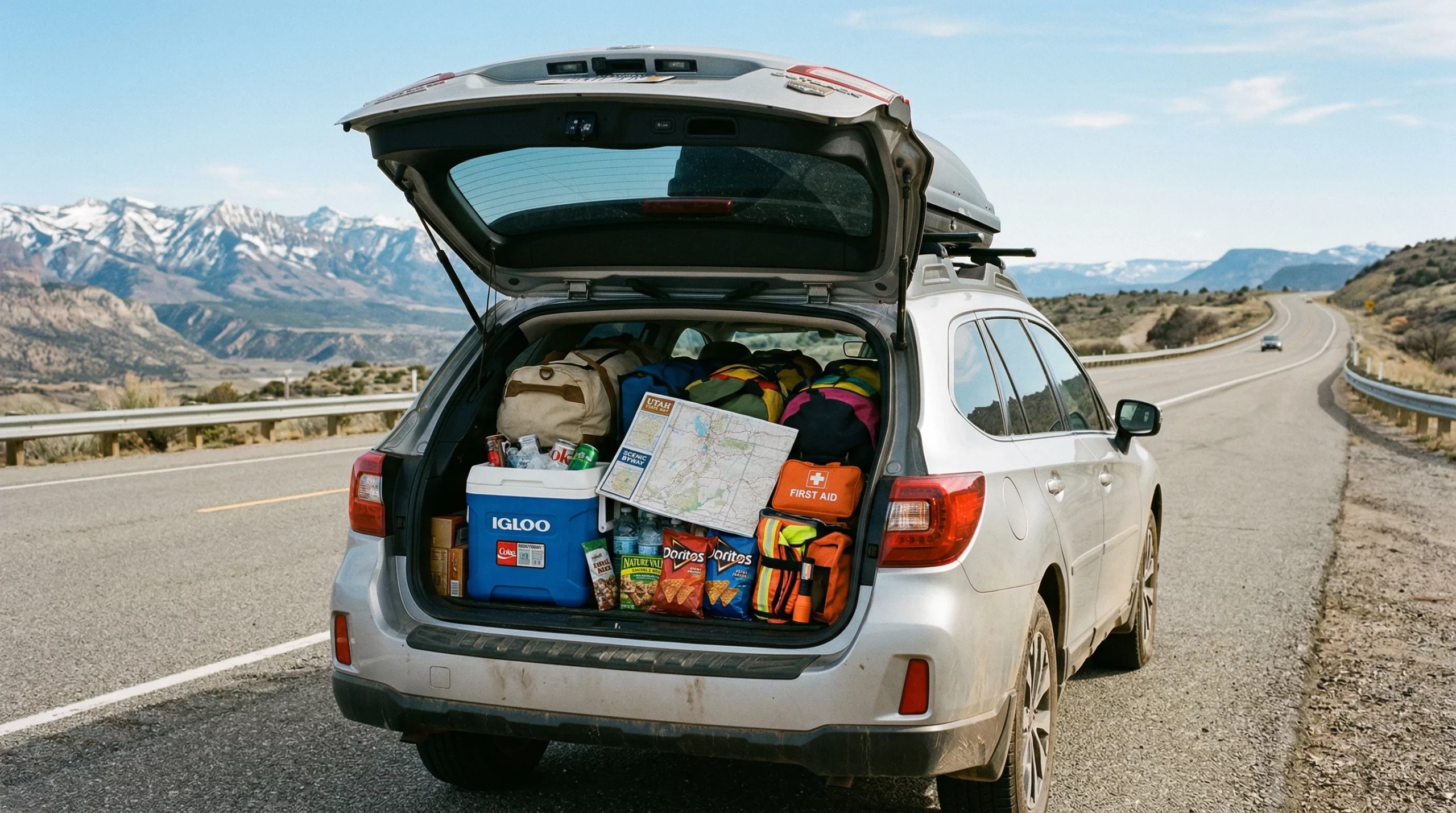
Long Road Trip Tips – How To Plan, Stay Safe & Avoid Fatigue – Complete Guide
Long road trips require careful planning to stay safe, alert, and comfortable over extended driving hours. Proper preparation includes checking your vehicle, scheduling breaks every 2–3 hours, packing essential supplies, and managing fatigue. With the right approach, drivers can reduce risks, avoid exhaustion, and make long-distance travel more enjoyable and efficient.
There’s just something about a long road trip that excites me every time. The sense of hitting the open highway, chasing new adventures, and uncovering unexpected gems along the way is hard to beat.
It’s total freedom: no airport drama, your own playlist, and all the weird roadside diners you stumble upon. But if you aren’t packed and prepared, that dream trip can quickly go sideways, bringing along fatigue, boredom, car headaches, or even safety risks.
TL;DR – The Quick-Start Long Road Trip Guide
Long road trips require careful planning to stay safe and comfortable. Key steps include preparing your vehicle, packing essentials like snacks, water, and an emergency kit, taking breaks every 2–3 hours, monitoring for fatigue, planning flexible routes, and keeping entertainment handy. Following these tips reduces risk, prevents exhaustion, and ensures a more enjoyable journey.
- Prep your car thoroughly: check fluids, tyres, brakes, lights.
- Plan breaks every 2 or 3 hours to rest.
- Pack snacks, water, first aid kit, and a comfy pillow or blanket.
- Load up on entertainment: playlists, audiobooks, games.
- Know the signs of fatigue and switch drivers if possible.
- Pack tools for emergencies (jumper cables, spare tyre, emergency kit).
What Is Considered a Long Road Trip?
A long road trip is typically any drive lasting more than 4–5 hours. Journeys of 7–9 hours or longer are considered very long and require additional planning, including rest breaks, route preparation, and fatigue management to ensure safety and comfort throughout the trip.
I love long road trips for the chance to unplug from my everyday routine. Rolling through everchanging landscapes or small towns is tough to beat for pure adventure and relaxation.
Most people consider a road trip “long” if it’s over four or five hours behind the wheel. Anything more than seven to nine hours is definitely on the marathon side.
As much as the open highway sounds dreamy, tackling a multihour drive means thinking about challenges like staying awake, packing wisely, and being ready for the curveballs the road can throw your way.
The sense of freedom and being able to stop at any quirky roadside spot, small museum, or local eatery is part of the magic.
If you haven’t tried taking smaller state highways instead of major interstates, those less-traveled routes often lead to some of the most interesting sights and conversations.
I’ve lost count of how many hidden gems I’ve found by exploring just a little out of my comfort zone while on long road trips.
Real Examples of Long Road Trips – Distances & What to Expect
A “long drive” can feel very different depending on the route, terrain, and traffic. Here are a few realistic examples to give you a better sense of what to expect:
- 300–400 km (3–5 hours):
A moderate drive, like traveling between major cities. This usually feels manageable with one or two short breaks, but traffic and road conditions can quickly extend the time. - 500–700 km (6–8 hours):
This is where fatigue starts to build. On a drive like this, I’ve found that skipping even one planned break makes the second half noticeably harder to focus. - 800–1,000 km (8–10+ hours):
A full-day drive that requires serious planning. These trips demand multiple breaks, proper meals, and sometimes even splitting the drive over two days to stay safe. - Rural or scenic routes vs highways:
Driving on smaller roads or through mountains (on my Norway trip) often takes longer than expected. I’ve had routes that looked short on the map but added hours due to winding roads and frequent stops.
Key takeaway: Distance alone doesn’t define difficulty, time behind the wheel and road conditions matter more.
How to Prepare for a Long Road Trip
Preparing for a long road trip involves checking your vehicle’s tyres, brakes, fluids, and lights, and packing an emergency kit with essentials like water, snacks, and tools. Planning ahead reduces the risk of breakdowns and ensures a safer, smoother journey.
Vehicle Reliability & Safety
Zone in on your car before loading up, this one’s really important for a smooth ride. Ask a mechanic to check brakes, tyre tread, oil, coolant, wipers, and lights.
Doublecheck your spare tyre, jack, and toolkit. For peace of mind, stash an emergency kit with a first aid kit, water, snacks, jumper cables, torch, gloves, phone charger, and some cash for tolls or emergencies.
How to Plan a 7–9 Hour Drive
Planning a 7–9 hour drive requires proper rest beforehand, realistic timing, and scheduled breaks every 2–3 hours. Sharing driving duties, avoiding heavy meals before driving, and preparing entertainment or navigation tools can help maintain focus and comfort during long stretches.
Driving Duration & Fatigue
Planning a seven to nine hour drive? Sleep well the night before and avoid heavy meals right before driving. It helps to share driving duties if you can, or set a reminder to stop for a walk and a stretch every couple of hours.
Counterintuitive Tip: Don’t Rely Only on Coffee
Caffeine can help short-term, but it doesn’t replace rest. I’ve found that a quick 15–20 minute nap is far more effective than another coffee when you start feeling drowsy.
How Often Should You Stop on a Long Drive?
Drivers should stop every 2–3 hours or every 100–150 miles (160–240 km) during long journeys. Regular breaks help reduce fatigue, improve concentration, and prevent stiffness, making the drive safer and more comfortable over extended periods.
Take breaks every two or three hours or 100 to 150 miles (160–240 km), not only does this keep your muscles happy, but it also helps you stay sharp and alert. Fatigue is no joke. Even if you think you can push through, it’s smarter to listen to your body and take a breather.
5 Signs of Driver Fatigue You Should Never Ignore
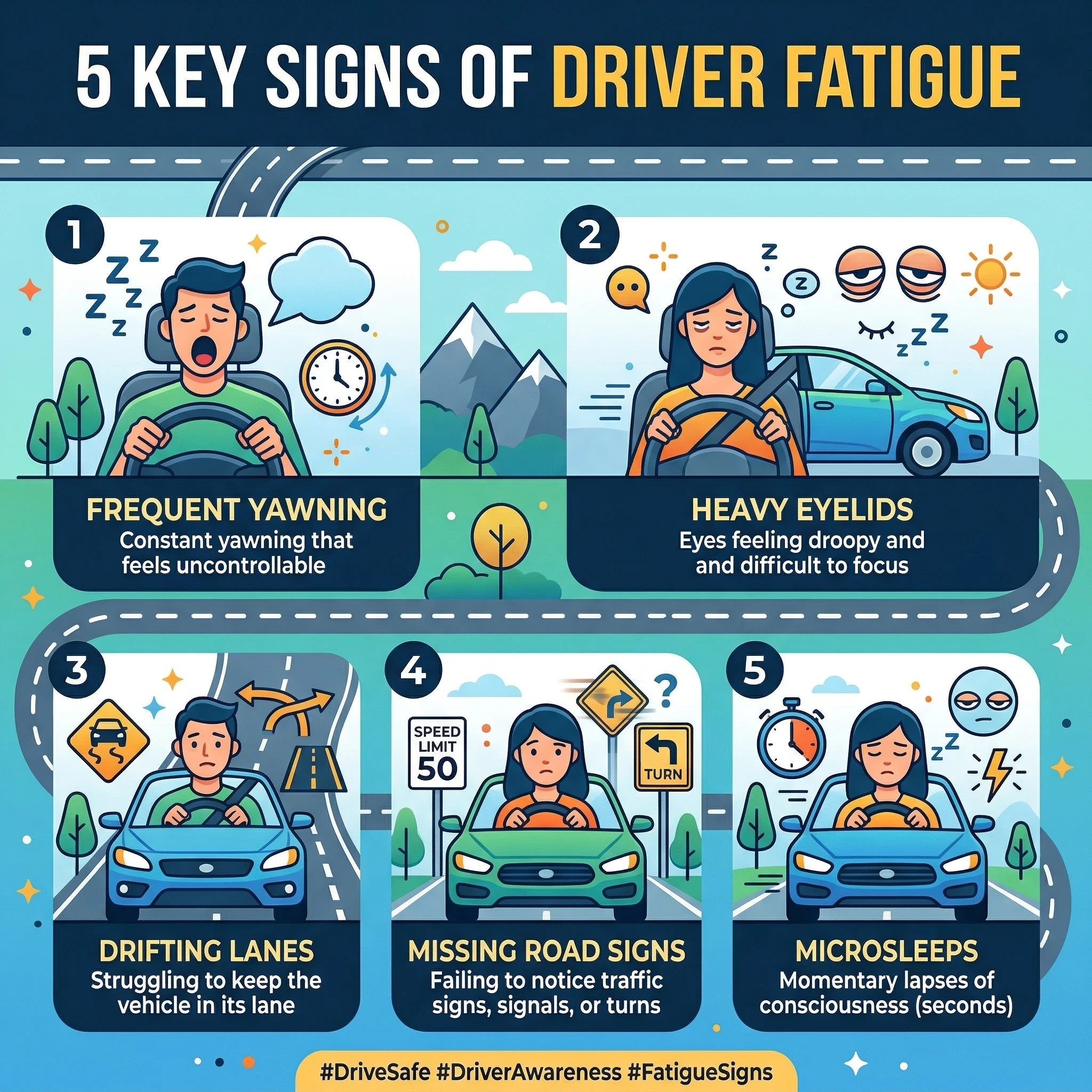
Key signs of driver fatigue include frequent yawning, heavy eyelids, drifting between lanes, difficulty concentrating, and microsleeps. Recognizing these symptoms early is essential, as fatigue significantly increases the risk of accidents and requires immediate rest.
If you notice fatigue, watch for these signs:
- Frequent yawning or your eyelids getting heavy
- Drifting within your lane or missing exits
- Forgetting the last few miles of road
- Irritability or fuzzy concentration
- Head nodding or experiencing short micro-sleeps
Join Road Voyagist
Subscribe to Road Voyagist and get updates on the latest posts, trip tips and more from Bella of Road Voyagist straight to your inbox.
The 2–2–15 Rule for Long Drives
After doing multiple long road trips, I’ve found a simple rhythm that works every time:
- Drive for 2 hours. As I love to drive, after 2 hours I have to take a break.
- Take a 15-minute break (sometimes I take more than 15 minute break, or I found a nice place, or I feel that I need more break time)
- Repeat the cycle
This keeps your energy stable, prevents stiffness, and reduces the risk of fatigue building up without you noticing.
On one of my longer drives, around 8 hours, I tried to push through without stopping. I started missing exits and re-reading road signs twice before they made sense. That was my cue that fatigue hits faster than you expect, even when you feel “fine.”
What Is the Most Difficult Time to Drive?
The most difficult times to drive are late at night, early morning, and mid-afternoon due to natural dips in alertness. Driving in low visibility conditions such as dusk, dawn, fog, or heavy rain can further increase difficulty and risk.
The trickiest times to drive are early morning, late night, and after lunchtime. Drowsiness is real during those stretches! I try to avoid driving during dusk, dawn, and heavy fog or storms, when visibility drops.
What Are the Riskiest Days to Drive?
The riskiest times to drive are during holiday weekends, Friday afternoons, and Sunday evenings when traffic is heavy. Adverse weather conditions, such as storms or snow, also increase accident risk and require extra caution and planning.
Watch out for holiday weekends, Friday afternoons, and Sunday evenings when traffic (and cranky co-drivers) is at its worst. These conditions tend to invite both stress and poor decision-making, so adjusting your plans to skip them can do wonders for your trip.
How to Plan a Long Road Trip Route
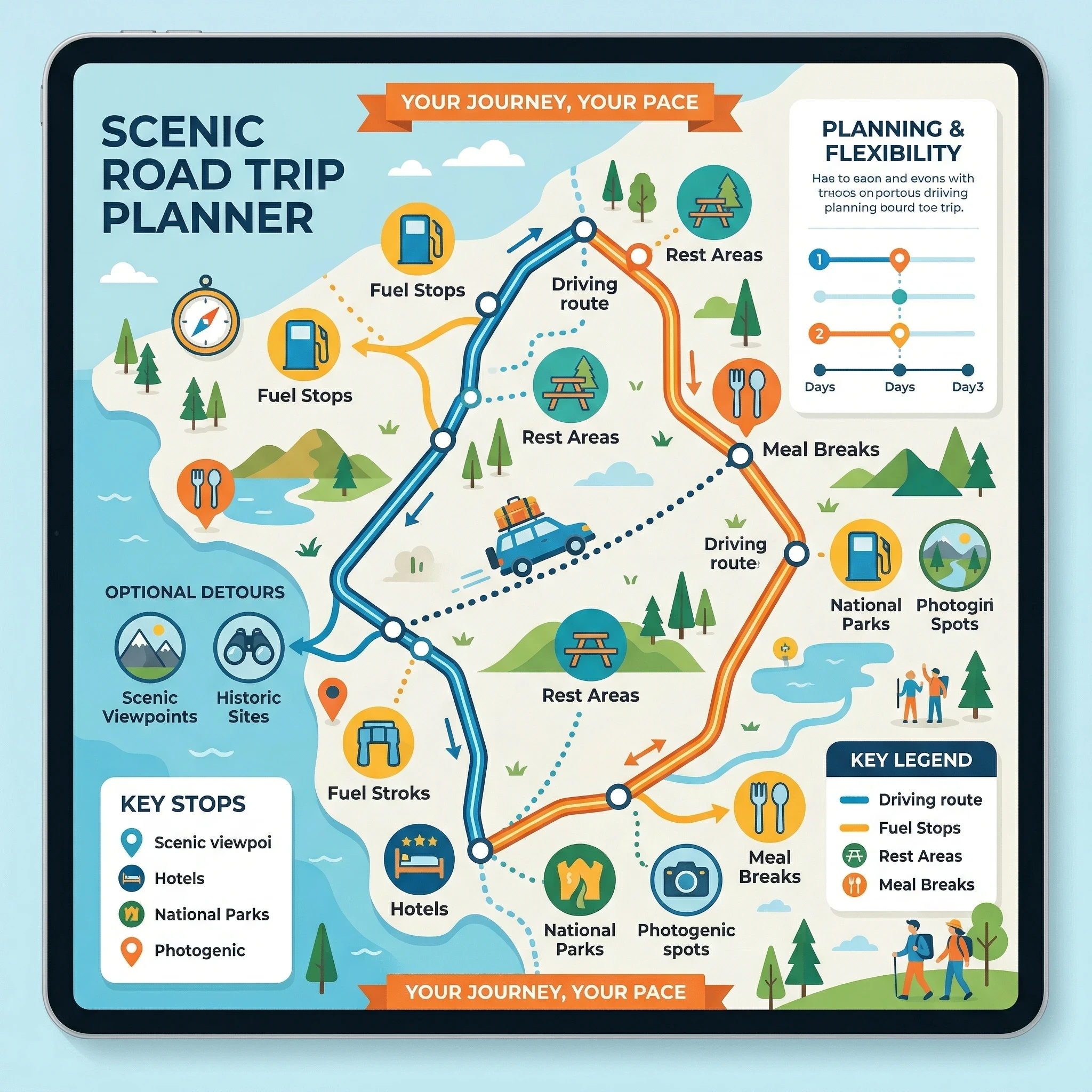
Planning a long road trip route involves mapping fuel stops, rest areas, and alternative routes in advance. Allowing extra buffer time and downloading offline maps ensures flexibility and helps drivers adapt to traffic, weather changes, or unexpected detours.
Having a plan is super useful, but I always leave wiggle room for detours or traffic jams. Map out your fuel stops, rest areas, and meal breaks in advance.
I like to keep digital and paper maps handy, plus a few backup routes in case of construction, weather, or summer holiday closures.
Pro tip: Download offline maps before you leave, mobile service can get spotty in rural spots.
Smart planning doesn’t mean sticking rigidly to an itinerary. The best adventures spring up when you mix a little curiosity with enough flexibility to take a chance on something new.
I’ve found that adding 20 to 30 percent extra travel time to my plan gives me freedom to stop for sightseeing, farmer’s markets, or just to stretch my legs at a scenic overlook.
You won’t remember a perfect schedule, but you will remember that incredible sunset or unexpected pie shop.
- Add buffer time: Don’t try to stick to a rigid schedule. It’s more fun to be able to stop at that giant ball of twine or quirky roadside market.
- Printable checklist: Making your own checklist of packing and “to do” before departure really helps.
I once planned a tight schedule with no buffer time, and a single traffic jam threw the entire day off. Since then, I always add at least 20–30% extra time, it completely changes how relaxed the trip feels.
Long Road Trip Packing Checklist
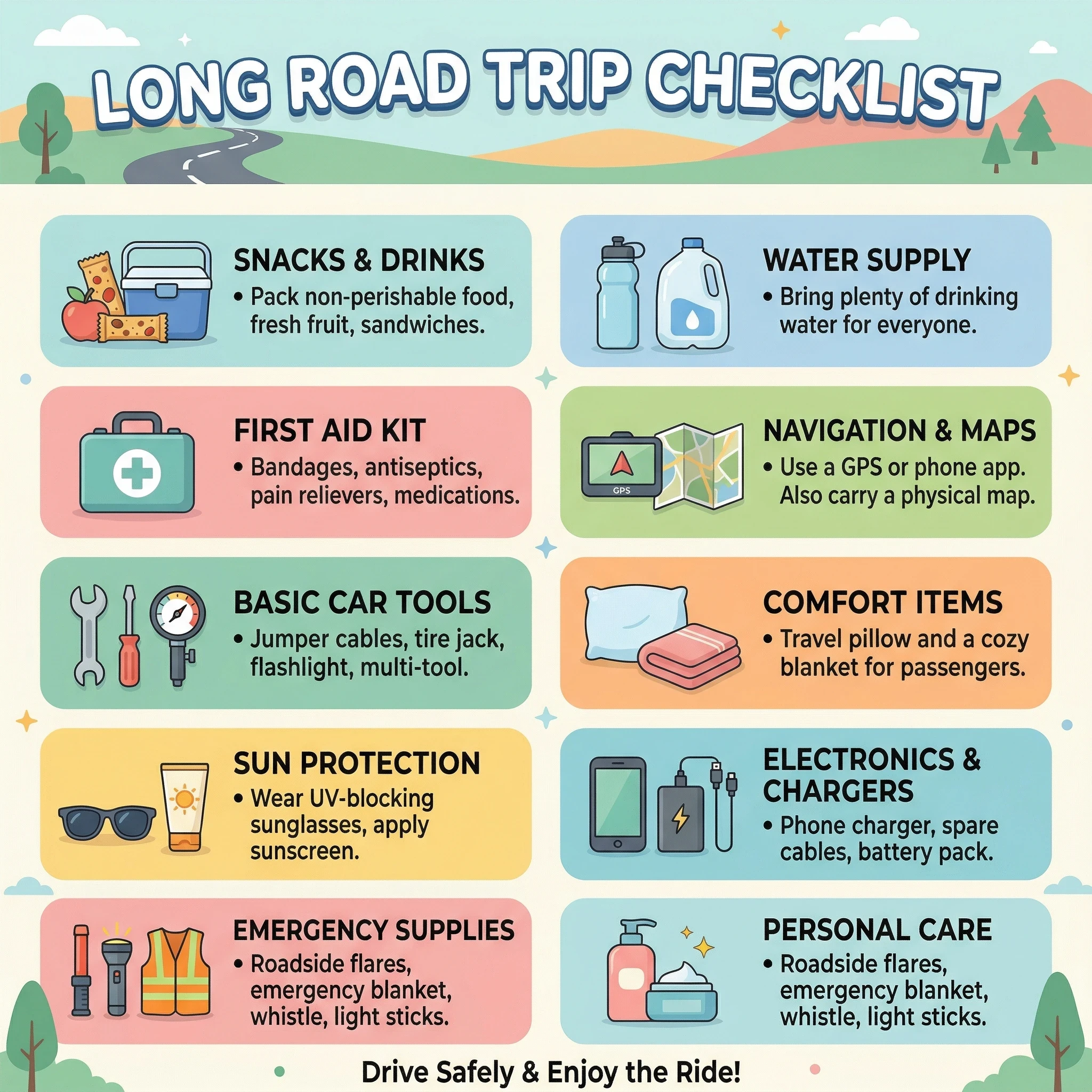
A long road trip packing checklist should include legal documents, emergency supplies, snacks, water, navigation tools, and comfort items like blankets and pillows. Being well-prepared helps prevent disruptions and ensures a more comfortable and stress-free journey.
- Legal documents (license, rego, insurance)
- Car manual and roadside assistance info
- Snacks, water, refillable bottles
- First aid kit, medications
- Blanket, pillow, sunglasses, hat
- Map, phone, chargers, power bank
- Spare tyre, tools, torch, extra batteries
- Trash bags, wipes, paper towels
Packing light lets you move easier, but bring enough layers and a rain jacket, especially if your trip takes you through variable climates. I also pack a small bag for “just-in-case” scenarios: extra phone charger, batteries, a multitool, and backup snacks.
Food, Snacks & Hydration Tips
Packing healthy snacks like fruit, nuts, and protein bars, along with plenty of water, helps maintain energy levels during long drives. Avoiding sugary drinks and heavy meals can prevent energy crashes and improve overall comfort and alertness.
Food, Hydration & Comfort
Staying comfortable and well-fed beats feeling sore and hangry halfway through. Pack a cooler with sandwiches, nuts, fruit, or trail mix.
I like to bring a reusable water bottle and refill it at rest stops, skipping sugary sodas that spike and crash your energy.
Pillows, throw blankets, and a seat cushion make a big difference for those long stretches behind the wheel. Even a small lumbar pillow can keep your back feeling good after hours on the road.
If you have specific dietary needs, planning ahead is key. Research convenience stores or groceries on your route.
Some even order healthy snacks online to bring along, like dried fruits or rice snacks. And don’t forget a thermos for hot coffee or tea, it’s a lifesaver on chilly early mornings.
Smart Snacking for the Drive
- Trail mix or nuts for lasting energy
- Fresh fruit (apples, oranges, grapes keep well)
- Granola bars or protein bars
- Crackers, popcorn, or pretzels for quick munching
Strong-smelling foods or messy snacks can quickly cramp your vibe, so stick to things you can eat on the go without creating cleanup headaches. And always bring napkins or wet wipes in case that peanut butter sandwich goes sideways!
Entertainment Ideas for Long Drives
Entertainment for long drives includes music playlists, podcasts, audiobooks, and road trip games. Keeping drivers and passengers engaged helps reduce boredom, maintain focus, and make long journeys feel shorter and more enjoyable.
Boredom is one of the top reasons mood starts to tank during long drives. I rotate between playlists, podcasts, and audiobooks. These make hours fly by for everyone in the car, even solo drivers need something besides white-noise highway miles!
Don’t forget the simple pleasures, like taking turns telling stories, sharing trivia, or even creating a shared playlist with your travel buddies. Some families hold a “no screens” hour and take turns playing word or storytelling games to pass the miles with more laughs than eye-rolls.
One trick I use is switching playlists or podcasts every 60–90 minutes. That small change resets your attention and helps prevent the “highway hypnosis” effect that can creep in during long drives.
How to Keep Kids Entertained on Long Road Trips
- Classic road trip games (I Spy, 20 Questions, license plate bingo)
- Downloadable movies or educational apps
- Coloring books, sticker books, travel journals
- Snacks and small new toys to break up the hours
Letting kids pack a backpack with their favorite things gives them a sense of control and keeps “Are we there yet?” at bay a bit longer. Rotate activities every hour to keep interest up, and reward good behavior with fun pitstops, even something as simple as a funky rest area can feel like a treat.
Join Road Voyagist
Subscribe to Road Voyagist and get updates on the latest posts, trip tips and more from Bella of Road Voyagist straight to your inbox.
Safety Tips & Emergency Preparedness
Safety on long road trips requires carrying an emergency kit, checking weather conditions, and knowing how to handle breakdowns. Having tools, first aid supplies, and a plan for emergencies reduces risk and ensures quicker response in unexpected situations.
Long Road Trip Essentials & Gadgets
- Phone or tablet mounts for handsfree navigation
- Portable chargers and USB hubs
- Bluetooth FM transmitters (if your car stereo isn’t modern)
- Dash cams for added safety
- Travel pillows or mini massagers
Traveling with Pets Tips
- Bring a pet seat belt or secured travel crate
- Pack their favorite toy, blanket, food, and water bowls
- Stop every two or three hours so your pet can stretch, relieve themselves, and get fresh air
- Never leave pets alone in a parked car, temperatures climb fast!
Safety & Emergency Preparedness
Unpredictable moments do happen, even when you’re prepared. Double-check your spare tyre, jack, and emergency kit before you go.
At a minimum, your kit should have: bandages, antiseptic, pain relief tablets, water, protein bars, reflective triangles, torch, and a rain poncho.
It’s always better to over-prepare for situations you’ll hopefully never need to face, than to be caught wishing you brought just one more thing.
How to Handle Breakdowns or Accidents
- Pull safely off the road. Use hazard lights and reflective triangles.
- Call for roadside assistance.
- Stay in your car if you’re on a busy or risky stretch and it’s safe to do so.
- In a serious emergency, dial local emergency services straight away.
Weather Warnings
Check weather apps before and during your drive. If you hit heavy storms, slow down, use headlights, and look for a safe spot to pull over until conditions improve. Always have a plastic poncho and towel stashed somewhere in your trunk, you never know when you or your gear might need drying off.
How to Avoid Getting Tired on Long Drives
To avoid fatigue, drivers should take breaks every 2–3 hours, stay hydrated, and get enough sleep before the trip. Sharing driving duties, taking short naps, and staying mentally engaged can significantly improve alertness and safety.
Taking a break every two or three hours gives your body and brain a reset, helping you dodge stiffness and sleepy lapses. Walk around, stretch, and soak in some daylight during stops.
For overnight routes, plan a real sleep break at a hotel or safe rest area with facilities. Quick cat naps (ten to twenty minutes) help too. If you’re rolling with friends or family, switch drivers regularly.
- If you’re solo: set an alarm or use navigation reminders for breaks. Chew gum, sing along to music, keep windows cracked for fresh air, and avoid really heavy meals. Also, tune into your body, if you’re yawning a lot or feel yourself zoning out, pull over for a rest. No destination is worth sacrificing your safety over.
Listening to your physical state and mental sharpness lets you enjoy the adventure without unnecessary risk. Packing sunglasses to cut glare and using blue-light filters on devices when it’s dark outside also helps prevent eye strain.
What Most People Underestimate About Long Drives
The biggest mistake isn’t distance, it’s fatigue. Many drivers assume they can handle long hours easily, but mental tiredness builds gradually and often goes unnoticed until it affects reaction time and focus.
Mistakes I’ve Learned From Long Road Trips
Even with experience, long drives can teach you lessons the hard way. These are a few mistakes I’ve made and what I do differently now:
Skipping Breaks to “Save Time”
On one longer drive, I tried to push through without stopping. I ended up missing exits and feeling mentally foggy.
What I do now:
I stick to regular breaks every 2–3 hours, it actually makes the trip faster and safer overall.
Underestimating Travel Time
I once planned a tight schedule with no buffer, and a single delay threw everything off.
What I do now:
I always add 20–30% extra time to my route. It removes stress and gives room for unexpected stops.
Relying Too Much on GPS
I’ve driven into areas with no signal and no backup plan.
What I do now:
I download offline maps and keep a general idea of the route before leaving.
Eating Heavy Meals Before Driving
A big meal made me feel sluggish and less alert within an hour.
What I do now:
I stick to light meals and snack throughout the drive to keep energy steady.
Ignoring Early Signs of Fatigue
I used to think I could “push through” tiredness, until I caught myself zoning out.
What I do now:
At the first sign of fatigue, I stop. No exceptions.
Frequently Asked Questions About Long Road Trips
How do you prepare for a 7–9 hour drive?
Preparing for a long drive starts with getting a good night’s sleep and checking your vehicle, including tyres, fluids, brakes, and lights. Pack snacks, water, and an emergency kit, and plan your route with rest stops every 2–3 hours. It also helps to download offline maps in case you lose signal.
How often should you stop on a long drive?
You should take a break every 2 to 3 hours or roughly every 100–150 miles (160–240 km). Even a short 10–15 minute stop to stretch, walk, and hydrate can help you stay alert and reduce fatigue.
What is considered a long car journey?
A car journey is generally considered long if it lasts more than 4–5 hours. Drives lasting 7–9 hours or more are considered very long and require more planning, regular breaks, and fatigue management.
What is the most difficult time to drive?
The most difficult times to drive are late at night, early in the morning, and during the mid-afternoon slump after lunch. Low visibility conditions such as dusk, dawn, fog, or heavy rain can also make driving more challenging.
What are the riskiest days to drive?
The riskiest times to drive are during holiday weekends, Friday afternoons, and Sunday evenings when traffic is heavier. Bad weather conditions like snow, storms, or heavy rain can also increase driving risks.
How can I avoid getting tired on long drives?
To avoid fatigue, take breaks every 2–3 hours, stay hydrated, and avoid heavy meals before driving. Listening to music or podcasts can help keep your mind engaged. If possible, share driving duties, and always stop to rest if you feel drowsy.
What are the signs of driver fatigue?
Common signs of driver fatigue include frequent yawning, heavy eyelids, drifting between lanes, missing road signs or exits, difficulty concentrating, and brief microsleeps. If you notice any of these, pull over and rest immediately.
How often should you rest when driving long distances?
You should rest at least every 2–3 hours, even if you don’t feel tired. Regular breaks help maintain concentration, improve circulation, and make long drives safer and more comfortable.
Final Tips for a Successful Road Trip
A successful road trip combines proper planning, regular breaks, vehicle preparation, and flexibility. Focusing on safety, comfort, and realistic expectations allows travelers to enjoy the journey while minimizing stress and potential risks.
Every rock-solid road trip I’ve had came down to this checklist: prep the vehicle properly, plan some stops but don’t micromanage, bring snacks and comfort gear, and stay on top of rest and alertness.
Each of these steps helps you avoid the biggest trip spoilers and lets you focus on what really matters. Making great memories out on the open road isn’t about hitting a rigid list, but enjoying the ride every step of the way.
Happy travels!

Bella Hartwell
I’m Bella Hartwell, a travel enthusiast who has organized over multiple road trips.
I share hands-on tips, tested gear lists, and personal stories to help others travel smarter.
The best kind of freedom starts on the open road.