Iceland Ring Road Itinerary: The Best 7–10 Day Recommended Route
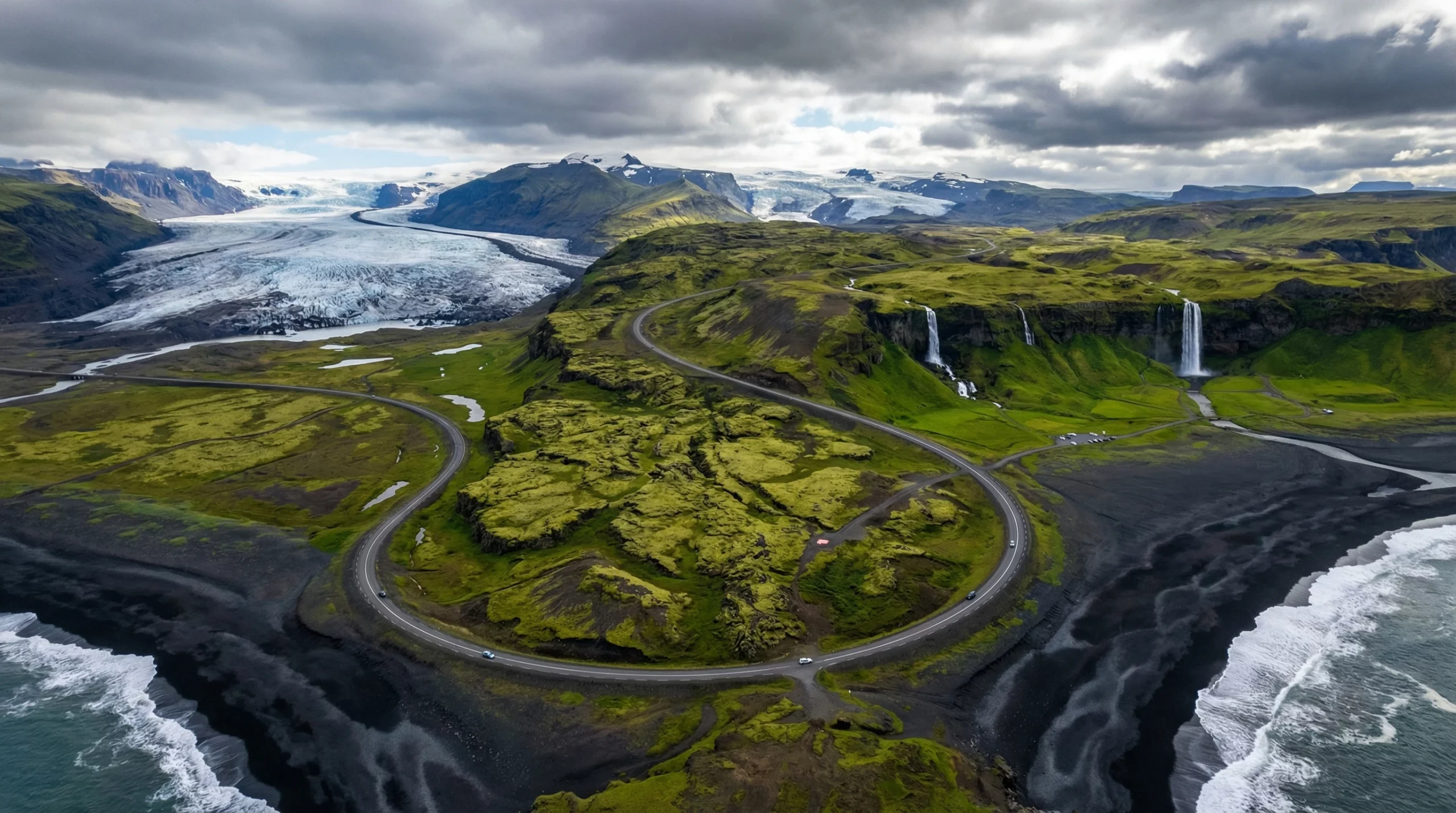
Driving Iceland’s Ring Road, or Route 1, is a bucket-list adventure for any scenery lover. Imagine winding past crashing waterfalls, stretching glaciers, steaming geothermal sites, and dramatic black sand beaches, sometimes all of this in a single day. Route 1 is Iceland’s main highway, making a full loop around the country at just over 1,300 km (about 828 miles). This trip isn’t just iconic for seasoned road trippers, it’s also really doable for first-timers, campervan travelers, family groups, and of course, anyone obsessed with photography.
Most folks tackle the Ring Road in seven to fourteen days, but I’m here to share what actually works best (hint: 10 days is the sweet spot for most). Whether you’re dreaming of wild camping, comfy guesthouses, or a full-on campervan experience, there’s a road map here for you.
Quick Facts About the Iceland Ring Road
- Total distance: Around 1,332 km (828 miles) for the full circle.
- How long to drive with no stops: About 16-18 hours, but trust me, you’ll want to stop a lot.
- Clockwise or counterclockwise? Either works, but counterclockwise is usually preferred for hitting big waterfalls first and following the traditional highlights order.
- Road conditions: Most of Route 1 is paved and in great shape, though some parts in the east are narrower or have gravel stretches.
- Seasonal advice: Summer means midnight sun, smooth sailing, and easier driving, shoulder season (late spring/early autumn) is quieter, with unpredictable weather. Winter is magical but tough. Icy roads, short days, and you’ll need to check conditions constantly.
- Is 2WD enough? In summer, yes. Most rental cars are 2WD and do fine unless you plan to drive interior F-roads, which require a 4×4.
How Many Days Do You Need?
7 Days – Fast Paced Highlights
If you only have seven days, you’ll see the main sights but need to keep moving. This suits travelers who don’t mind long drives, want to check off the “big” stops, and are okay skipping smaller towns, remote hot pots, and the Westfjords or Snaefellsnes Peninsula. Expect pretty full days with early starts. It’s doable, but you won’t be lounging at every pull-off.
10 Days – The Ideal Balance
This is Iceland’s Ring Road “just right” itinerary. It’s popular with those who want time for hikes, local food, detours, and changing weather. You won’t feel rushed, but you’ll still cover all the famous sights, and you can add some lesserknown spots too. Most travelers find this window perfect for hitting all the classics and a handful of bonus stops. It also gives you wiggle room in case weather forces you to mix up your schedule.
14 Days – Slow Travel Dream
Two weeks means you get to slow down, explore Eastfjord fishing villages, poke into national parks, hit some F-roads (with a 4×4), and really settle into Iceland’s “out there” vibe. If you like detours and hidden gems, or you’re a photographer chasing the perfect shot, this is heaven. You’ll have time to sit in cozy cafes and chat with the locals or wait for the perfect sunrise over glaciers.
The Recommended 10-Day Iceland Ring Road Route
Day 1: Reykjavik → South Coast
Drive Time: ~2.5–3 hours
Short, manageable first day after arrival. Major stops are clustered along this stretch, so you won’t feel rushed.
- Seljalandsfoss: A classic waterfall walk. Bring a rain jacket, you can walk behind this one.
- Skogafoss: Tall, thundering, and really loud. The stairs to the top are a workout, but the view is worth it.
- Reynisfjara Black Sand Beach: Basalt columns and powerful waves. The sea is no joke here; always keep distance from the water.
- Overnight: Stay or camp around Vik.
Why here:
- Perfect first-day driving distance (not overwhelming after arrival)
- Close to major highlights:
- Seljalandsfoss
- Skógafoss
- Reynisfjara Black Sand Beach
- Small but scenic coastal village
- Great sunrise access to black sand beaches
This sets you up beautifully for an early start on Day 2.
Alternative: Hvolsvöllur – shorter driving day if arriving late
Day 2: South Coast → Skaftafell → Jokulsarlon
Drive Time: ~3–3.5 hours
This is one of the most scenic days. Glacier views slow you down, plan for longer photo stops.
- Fjadrargljufur Canyon: Famous from Instagram. Not far off the road, but check if it’s open.
- Skaftafell Nature Reserve: Hike to Svartifoss, see glaciers, stretch your legs.
- Jokulsarlon Glacier Lagoon: Icebergs floating right up to shore; photogenic from every angle.
- Diamond Beach: Black sand with icebergs scattered everywhere. Sunsets can be unreal.
- Overnight near Hofn or camp nearby, or near Jökulsárlón
Why here:
- Near Jökulsárlón Glacier Lagoon & Diamond Beach (ideal for sunset or sunrise)
- Breaks up long South Coast stretch
- Charming harbor town with good food options
- Positions you well for entering the Eastfjords on Day 3
Alternative: Stay near Skaftafell if you want more hiking time.
Day 3: Hofn → Eastfjords
Drive Time: ~3.5–4 hours
More winding roads and fjords mean slower driving but incredible scenery.
- Scenic coastal drive: Wind along jagged cliffs, pull over for reindeer or wild ponies.
- Small fishing villages: Try Djupivogur or Breiddalsvik for local charm and seafood.
- Seydisfjordur: Painted houses and art scene in a deep fjord. Killer mountain pass views getting in and out.
- Overnight: Seyðisfjörður
Why here:
- One of Iceland’s most charming fjord villages
- Colorful houses and dramatic mountain backdrop
- Less crowded than South Coast
- Great halfway point through the Eastfjords
Alternative: Egilsstaðir (more practical, larger town)
Day 4: Eastfjords → Lake Myvatn
Drive Time: ~2.5–3 hours
Shorter driving day means more time for geothermal exploration.
- Dettifoss: Europe’s most powerful waterfall. Drive carefully on the access road.
- Myvatn geothermal area: Volcanic craters and birdlife everywhere.
- Hverir geothermal field: Bubbling mud, sulfur steam, wild colors. Feels like another planet (and yes, it stinks, but worth it).
- Overnight: Lake Mývatn
Why here:
- Close to geothermal fields (Hverir)
- Near volcanic craters + lava formations
- Ideal base for exploring North Iceland highlights
- Relaxing hot spring options nearby
This keeps driving short and gives you time to explore.
Day 5: North Iceland
Drive Time: ~2–3 hours
Easy day with flexibility for whale watching or relaxing.
- Godafoss: Waterfall of the Gods. Short walks, super photogenic.
- Akureyri: Iceland’s largest “north” city, great coffee, shops, and the famous church with the stairway.
- Whale watching (optional): Husavik is the whale capital, but trips out of Akureyri are awesome too. Summer sees minke, humpback, and sometimes blue whales.
- Overnight: Akureyri
Why here:
- Iceland’s “Capital of the North”
- Restaurants, services, fuel
- Central for whale watching
- Comfortable stop before heading west
Alternative: Húsavík (if whale watching focus)
Day 6: Route Choices
Drive Time: ~3.5 hours
This day breaks up the longer western stretch.
- Adventurous Option: Take a detour toward the Westfjords, but budget extra days for this rougher, wilder region.
- Main Route: Head to Snaefellsnes Peninsula if time is tight; skip the Westfjords and stick to Ring Road.
- Overnight: Sauðárkrókur or Hvammstangi
Why here:
- Breaks up long drive toward Snæfellsnes
- Quieter countryside stay
- Seal watching near Hvammstangi
This avoids a tiring mega-drive day.
Day 7: Hvammstangi → Snaefellsnes Peninsula
Drive Time: ~3 hours
Transition into dramatic coastal landscapes.
- Kirkjufell: The mysteriously shaped mountain used in Game of Thrones photos. Awesome at sunset or early morning.
- Budir Black Church: Iconic tiny church, popular for quiet mornings or foggy weather shots.
- Lava fields, coastal cliffs: Snaefellsnes is a mini Iceland; you’ll see beaches, lava tubes, caves, and bird-filled cliffs.
- Overnight: Grundarfjörður or Arnarstapi
Why here:
- Close to Kirkjufell (sunrise spot)
- Scenic coastal cliffs
- Compact region, minimal driving
Day 8: Snaefellsnes Peninsula Exploration
Drive Time: ~1–2 hours (local driving)
Low driving, high scenery day.
Overnight: Borgarnes
Why here:
- Easy final drive to Reykjavík
- Relaxed small-town feel
- Breaks up peninsula exploration
Final Day: Return to Reykjavik
Drive Time: ~1–1.5 hours
- Blue Lagoon (optional, but a must): Easy stop on the way back to the airport if you want to soak before heading home.
- Spend your last night or day exploring Reykjavik’s cafés, colorful streets, or quirky museums.
Why here:
- Blue Lagoon access (if departing next day)
- Explore capital properly
- Short drive to KEF airport
If You’re in a Campervan
You’ll want:
- Campsites in Seyðisfjörður
- Mývatn campsite
- Akureyri campsite
- Grundarfjörður campsite
- Reykjavík eco campsite
Avoid relying on wild camping, regulations are strict.
Where to Stay Along the Ring Road
Iceland road tripping is campervan paradise, but cozy guesthouses and hotels make it comfortable for everyone. Wild camping isn’t allowed on private land or in national parks, you’ll need to stay at official campgrounds or book accommodation ahead.
- Campervan: Ultimate freedom, just make sure to reserve campsites in summer. Some fill up fast on weekends.
- Hotels/Guesthouses: More expensive, but easier for those who don’t want to haul gear. The best regions for overnights: Vik, Hofn, Seydisfjordur/Egilsstadir (East), Myvatn/Akureyri (North), Borgarnes or Snaefellsnes Peninsula (West).
- Tip: Most rural guesthouses include breakfast, which comes in super handy where lunch stops are rare.
Best Time to Drive the Ring Road
- Summer (June–August): Longest days, t-shirt weather, and easiest roads. Most crowded, but worth it for first-timers.
- Shoulder season (May, September): Fewer crowds, wildflowers or first taste of autumn color. Some sights may be limited by weather.
- Winter (October–April): Aurora chasing season. Expect short days, snowy roads, and very careful driving. Some remote areas, like the highlands or Westfjords, are inaccessible.
Important Driving Tips
- Weather changes constantly and can mix up every 30 minutes. Always check road.is and the Icelandic weather service each morning.
- Fuel stations can be far apart in the east and north. Plan fuel stops and don’t let your tank get too low.
- Sheep own the roads in summer, drive slow through rural zones, especially after bends or in fog.
- Be mindful of gravel and strong winds, especially by the coast and in mountain passes.
Budget Breakdown
- Fuel: Expect to pay high prices, budget about $250–$400 for the whole trip, more for longer detours or 4×4.
- Accommodation: Campsites start around $15 per person/night. Guesthouses can range from $100 to $300+ a night, depending on the area and season.
- Food: Groceries are cheaper than restaurants, eating out costs $15+ for a basic meal, up to $40 for restaurants. Hot dogs from gas stations are practically a rite of passage.
- Tours & excursions: Glacier hikes, whale watching, or ice cave trips run $70–$200 each. Book ahead for popular activities.
- Campervan rental: Allow $80–$200 per day, depending on size, season, and extras (bedding, WiFi, insurance).
- Note: always check the prices before your trip as prices changes
Hidden Gems Worth the Detour
- Secret hot springs like Reykjadalur (south) or Hoffell (southeast).
- Less crowded waterfalls: Hjalparfoss in the highlands, Hengifoss in the east.
- Scenic pulloffs in the eastern fjords for wild reindeer or crazy mountain views.
- F-roads are adventurous mountain tracks. Only drive with a 4×4 in summer (check if open).
Clockwise vs Counterclockwise: Which Direction Works Best?
- Counterclockwise is most popular: big waterfalls, beaches, and glacier lagoons first, which means you hit “wow” early.
- Clockwise can help beat some crowds, especially if you start with the less famous Snaefellsnes Peninsula and work around to the south coast at the end.
- Either way, factor in weather patterns, wind in Iceland often goes west to east. Some prefer to start against the wind, then finish with it at their back.
Packing Tips for an Iceland Road Trip
- Merino wool layers – weather moves fast, and you need to layer up.
- Waterproof jacket and pants – the forecast is just a suggestion most days.
- Good hiking boots – rocks and muddy paths everywhere.
- Gloves, beanie, swimsuit (for hot pots), and a sleep mask in summer’s midnight sun.
- Essentials – A reliable car charger, paper map as backup, and a reusable water bottle (Iceland’s tap water is topnotch).
FAQ Section
Is the Ring Road tough to drive for beginners?
Not really. A little planning helps a lot. Stick to marked roads, keep your speed in check, and watch for weather updates.
Can you drive it in winter?
Yes, but be ready for snow, ice, and road closures. Renting a car with studded tires and having backup travel plans are smart moves.
Is it safe?
It’s generally a very safe country, both for travelers and for driving. The most unpredictable challenges are weather, gravel, a volcano eruption and wind conditions, not crime.
Do you need a 4WD car?
Most of the Ring Road is paved and fine for 2WD in summer. But if you want to explore F-roads or go in winter, 4WD is better.
Can you see the Northern Lights on this route?
Yep! From late August through early April, clear and dark nights in northern and eastern Iceland can bring epic aurora displays.
Why Iceland’s Ring Road Always Delivers
The full Ring Road trip is way more than a scenic loop. It’s hours of wild, empty beauty, hikes to places you won’t believe exist, and the wow-factor of nature on overdrive. My first ride around Route 1 left me hooked on lava fields, hot streams, and those horizon-hugging sunsets you just can’t get anywhere else.
If you’re considering a trip, I seriously recommend starting to plan now. Book campsites or rooms well ahead, try to give yourself those extra days, and bring plenty of layers for total freedom no matter the weather. Pick a good playlist, leave time for detours, and take every chance you get to park, breathe, and just stare out the windshield.
The real magic of Iceland’s Ring Road is that you’re never quite done. There’s always another off-the-map spot to chase, a new weather mood rolling in, or a secret waterfall sharing the view only with you. Bookmark this guide, ask questions, and just go for it. The road, and all of Iceland’s wild in-your-face beauty, will still be there, ready for you.
Happy travels!