How To Prepare Your Car For A Long Road Trip
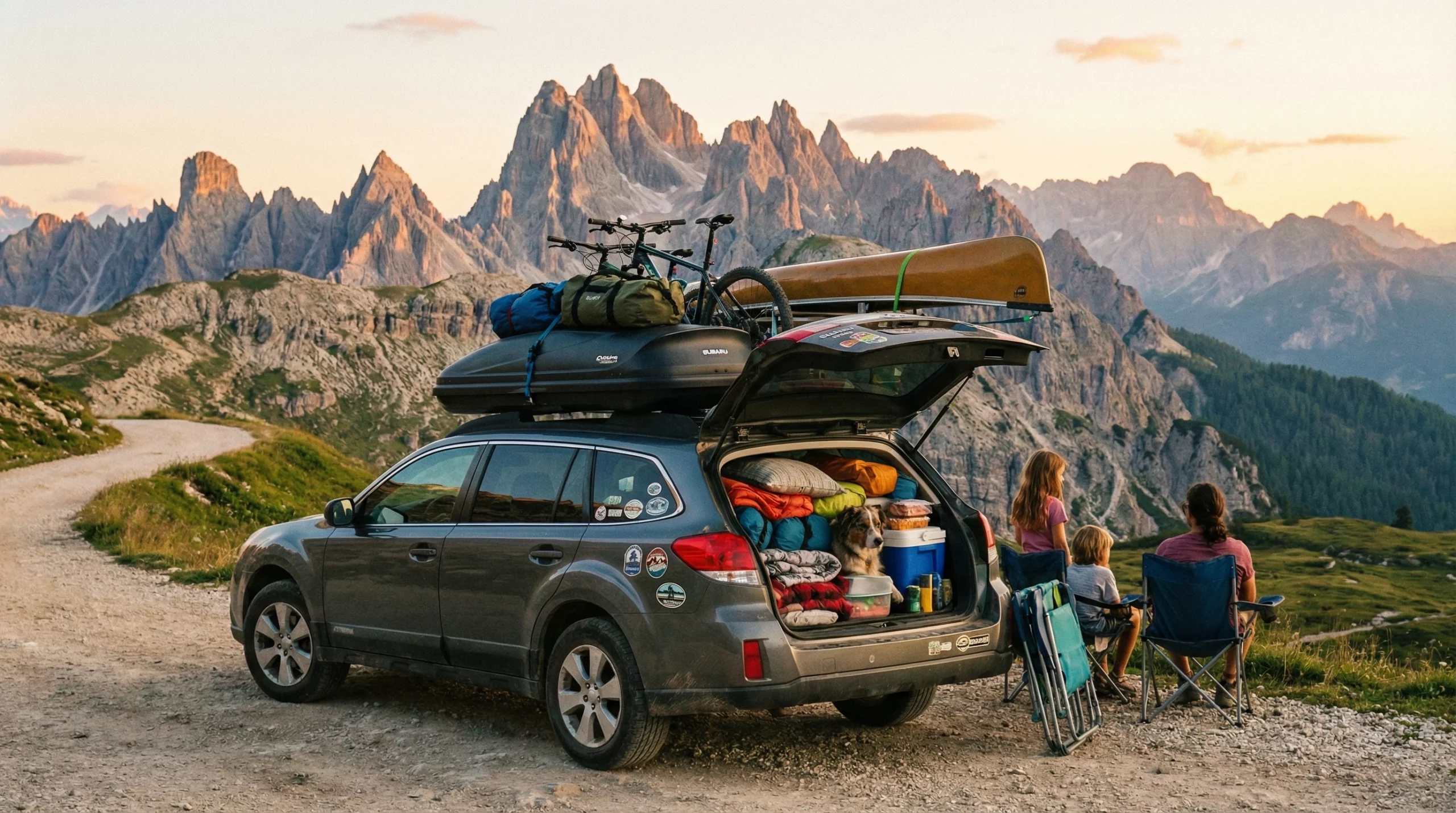
Planning a long road trip is always exciting, but there’s a lot to think about before rolling out onto the open road. Getting your car road trip ready isn’t just about making sure it won’t break down, it’s about making the whole adventure smoother, safer, and way more enjoyable. I’ve learned from a handful of epic drives that a bit of prep work up front saves time, money, and headaches later. Let’s check out exactly how I get my car set for adventure.
Get Your Car in Top Shape Before the Trip
It’s best to start with a car that runs well so you can focus on the ride, not worry about unwanted stops. Even reliable cars need a good once over before logging hundreds, or thousands, of miles. There are a few things everyone should check:
- Oil and Fluids: Make sure your oil, coolant, brake, and power steering fluids are topped up and not overdue for a change. Low or dirty fluids can lead to engine trouble or overheating.
- Brakes: Listen for squeaks or grinding. If the pedal feels soft or you notice longer stopping times, a mechanic should check them out.
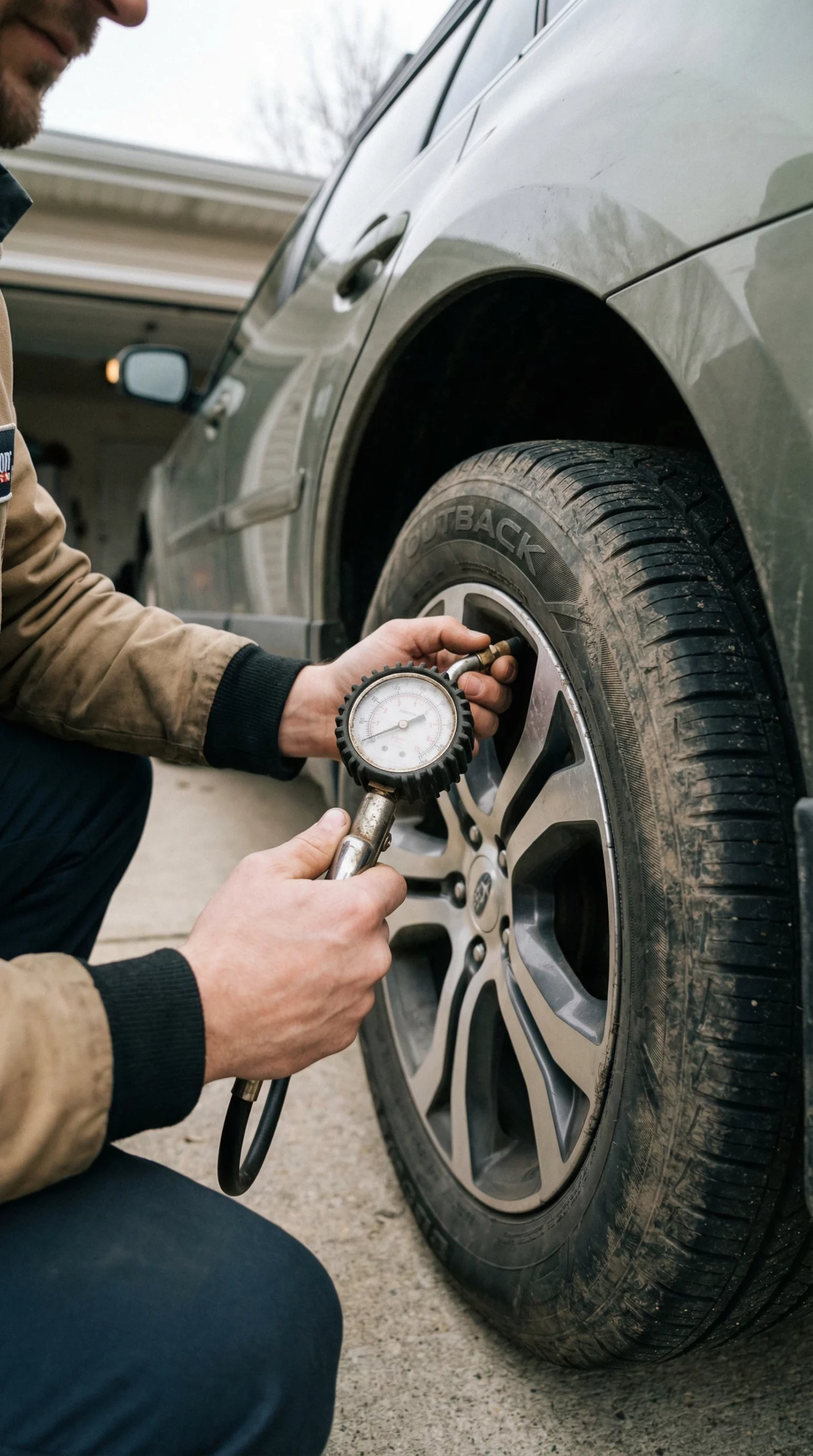
- Tires: Inspect the tread for wear and check for any visible damage. Adjust the pressure according to your car’s manual, even a little under or overinflation can mess with gas mileage and grip.
- Lamps and Wipers: Confirm that headlights, brake lights, indicators, and wipers work well. Wiper blades occasionally wear out without any sign until they stop clearing rain. Having a new pair is a cheap way to give yourself some peace of mind.
- Battery: If your battery is more than a couple of years old, have it tested. Batteries have a reputation for failing during temperature swings, whether you’re driving through deserts or chilly mountain passes.
If I notice a weird vibration, sound, or warning light, I get everything checked long before my planned departure. I’ve found that the small problems are ten times easier to fix at home instead of being stranded on the highway.
Road Trip Prep Checklist: Basic Maintenance and Tasks
A lot of car trouble on the road comes down to maintenance that’s easy to overlook when busy. Here’s my go-to pre trip checklist to catch little issues before they turn big:
- Check Tire Pressure (including the spare): Most people forget the spare, but having a flat backup is no help. I keep a portable tire inflator in my trunk for quick topups on the go.
- Top Off Windshield Washer Fluid: Road grime builds up on long hauls, especially after construction zones or mountain drives.
- Look Over Belts and Hoses: Check for cracks, leaks, or weak spots (if you know what to look for). Otherwise, ask your mechanic to inspect during a service.
- Test Air Conditioning and Heat: Both might be needed if your route crosses different climates, and you don’t want to be caught without either working.
- Inspect All Lights: Quick check on brake lights, turn signals, hazards, and high beams at dusk or in a garage is pretty handy.
- Check Your Spare Fuses: Carrying a few extra fuses for your car can be a lifesaver for sudden electrical issues on the road. Replacing a blown fuse takes just minutes and you’ll be back on your way without waiting for roadside assistance.
Running through these checks a week or two ahead gives you time to fix things without last minute stress. Adding an extra look at your car’s air filter can also help improve fuel efficiency and air quality inside the car.
Stuff You Should Bring for Peace of Mind
Some items are game changers for comfort and can really rescue you from inconvenience or even trouble by the side of the road. I’ve learned, sometimes the hard way, that these supplies help keep small problems from becoming huge ones:
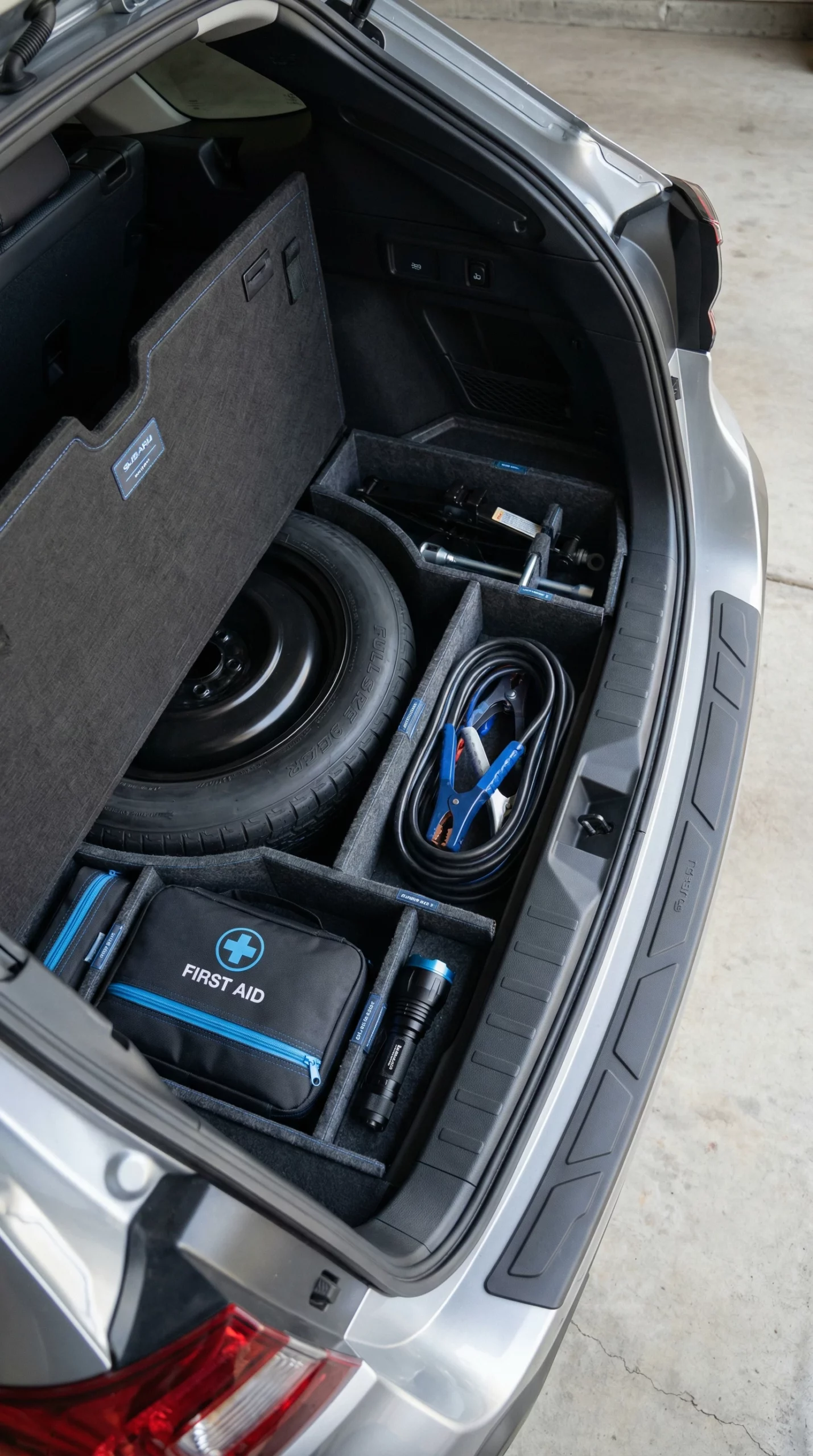
- Spare Tire, Jack, and Lug Wrench: I double check that the spare is inflated and all the tools are where they should be.
- Jumper Cables: These don’t take up much space and have bailed me out, and let me help others, more than once.
- Basic Tool Kit and Duct Tape: Even if you’re not a pro, you can tighten a hose clamp or tape up a loose part until reaching a mechanic. A set of multipurpose screwdrivers is a quiet hero in various weird situations.
- First Aid Kit: Even minor scrapes or blisters from walking around rest stops need some quick care.
- Flashlight, a headlamp is super useful: Sometimes all you need is a bright light to spot a blown fuse or check a map at night.
- Roadside Emergency Kit: Warning triangles, reflective vest, and a poncho make you more visible and comfortable if something happens after dark or in bad weather.
- Portable Phone Charger: One of those power banks can be a real lifesaver if the car battery or power outlets become useless. Don’t forget to bring your charging cables for devices.
- Work Gloves: Toss in some gloves. If you need to do tire changes or clear debris, your hands will thank you.
For extra insurance, bringing a compact fire extinguisher is a good idea, especially if you plan to drive through remote or wild areas. They are small, affordable, and a serious help in a rare emergency.
Map Out Stops and Fuel Strategy
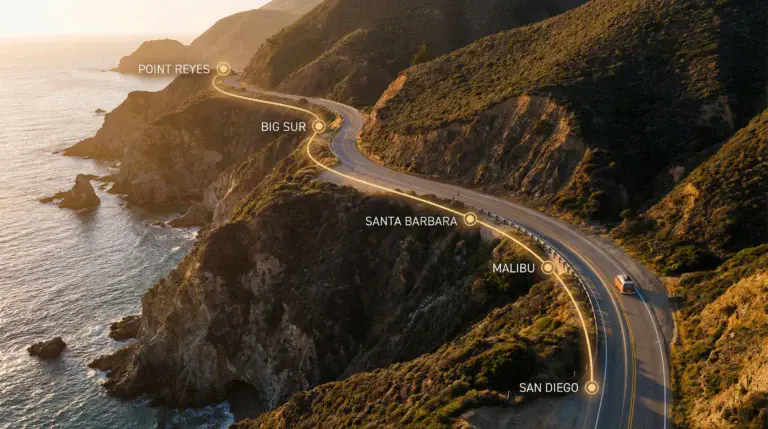
One thing that always makes my trips less stressful is knowing my route, rest stops, and fuel stations ahead of time. Apps like Google Maps and GasBuddy are super useful for this, and I save waypoints for food, gas, and interesting attractions. On longer segments through rural areas, I make a habit to fill up once I’m at a half tank. Some towns are surprisingly far apart, and that simple step dodges anxiety.
I also load offline maps onto my phone and take screenshots of important info in case of spotty cell service. Old school paper maps are still handy, especially when signal drops completely. It’s also smart to jot down emergency numbers for each state or area you’re crossing.
Adding local weather apps to your phone can keep you informed of upcoming storms or road closures, which is especially important on cross-country drives and in the mountains where weather can change fast.
Pack Smart for Comfort and Safety
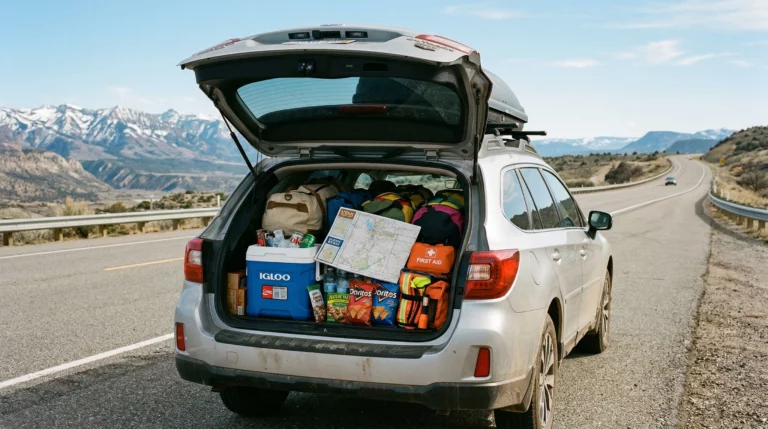
It’s tempting to toss everything in the trunk, but a bit of planning goes a really long way. I separate things into what I need within arm’s reach and what can stay in the trunk until needed:
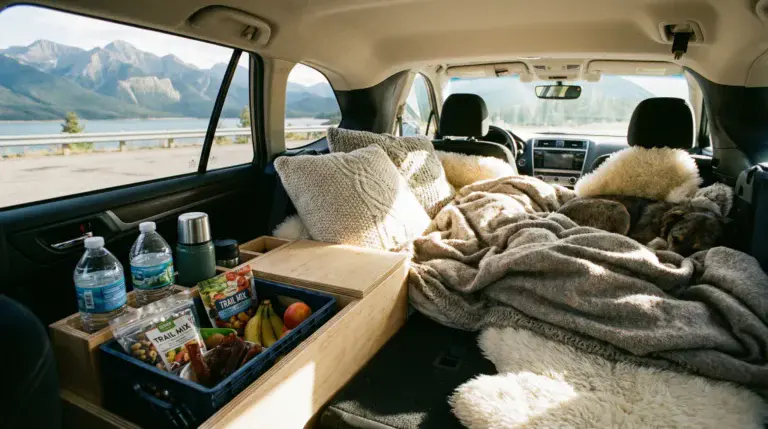
- Water and Snacks: I bring a bigger water supply than I think I’ll need, and a mix of snacks from fruit to protein bars. This keeps everyone happy if traffic grinds to a halt or food stops are sparse.
- Blanket and Pillow: Long drives mean unexpected naps or roadside picnics, and a basic blanket can double as an emergency wrap.
- Sunglasses, Sunscreen, and Hat: Even cars with tinted windows let in a lot of glare. Sunglasses help reduce eye strain for drivers and passengers alike.
- Entertainment: Audiobooks, music playlists, download a few podcasts, puzzles, or car games help everyone unwind and have fun between stops.
- Trash Bags and Wet Wipes: Things get messy fast, so I always bring a mini trash can and some wipes for quick cleanups. Add hand sanitizer to the mix, which is especially useful for picnic areas with limited facilities.
I put all the quick grab stuff in a small bin or bag on the back seat, so nobody has to dig around at highway speeds. A refillable water bottle is also essential for staying hydrated for everyone in the car.
Handling Kids, Pets, and Passengers
Traveling with more than just yourself? It’s smart to plan for comfort and safety for everyone in the car:
- Kids: A seatback organizer stuffed with toys, snacks, and chargers can be a sanity saver. Window shades block the sun and help naps happen more easily. Download favorite shows or movies before you leave.
- Pets: Bring collapsible bowls, plenty of extra water, and a leash for stops. Clip-on harnesses or travel crates keep pets secure if you need to brake suddenly, and don’t forget waste bags. Make a list of pet friendly stops along your route.
- Adult Passengers: Share navigation duties, and don’t forget to ask for help double checking checklists and directions. Rotating drivers helps fight fatigue. Agree on a music or podcast rotation to keep everyone entertained and engaged.
Noise-canceling headphones or earplugs are a bonus for sleepers who need some peace while others drive or chat.
Prepare for the Unexpected: Roadside Tips
No matter how well I prep, some surprises always pop up. Here are my favorite tips for handling the unexpected and making sure little problems don’t ruin the adventure:
- Stay Calm During Breakdowns: If something goes wrong, pull over safely, turn on hazards, and stay visible. Those reflective triangles or vests make a difference here.
- Plan for Overnight Delays: I keep a change of clothes, basic toiletries, and a snack or two handy, in case we ever need to wait somewhere overnight due to weather or a breakdown.
- Know Your Roadside Assistance: Save the number for your roadside service or insurance helpline. Some companies have handy apps for tracking help or requesting a tow truck right from your phone. Knowing these in advance keeps your mind at ease when things go sideways.
- Document Essentials: Take photos of your insurance, registration, and driver’s license and keep them on your phone. This speeds things up for me when checking in at hotels or dealing with any stops by local authorities or border crossing if your route takes you internationally.
- Weather and Emergency Alerts: Subscribe to highway patrol Twitter feeds or local alert services whenever possible. If you’re traveling during wildfire or hurricane season, these updates can be a real trip-saver.
Having a list of nearby repair shops programmed into your GPS or written down on paper can be helpful for those less populated stretches of road. If you feel unsafe, it’s always better to wait for help in a populated, well-lit place when possible.
Frequently Asked Questions
Here are some common questions people ask before gearing up for their own road trip:
Question: How far in advance should I prep my car?
Answer: It’s a good idea to handle car maintenance and repairs about two weeks before your trip. This leaves time to book any unexpected services or order extra parts, and means parts have time to settle in after being installed.
Question: Are tire inflators and jump starters worth bringing?
Answer: Absolutely! They’re small, affordable, and have saved me, and others, from super long roadside waits. A portable jump starter means you aren’t stuck waiting for a tow truck if the battery dies in a remote spot.
Question: What’s the best way to plan gas stops on unfamiliar routes?
Answer: I check my route with Google Maps or similar navigation apps and mark gas stations every 100 to 150 miles, especially in rural or mountainous areas. It keeps the anxiety away when the tank gets low, and you’re unsure of the next service station. I also look for local tips on fuel availability if I’m heading through especially remote regions.
Question: Should I bring spare keys?
Answer: If you have an extra, it’s smart to take it along and stash it in a wallet or give it to another traveler. Lockouts can happen easily, especially with stops at busy gas stations or while juggling supplies. It’s a simple step with big benefits if something goes wrong.
Stay Ready, Stay Relaxed
Getting ready for a big drive is as much about enjoying the ride as it is about staying safe. When I prep my car well, I can settle in and actually look forward to every twist and turn. Rather than worry about what might go wrong, I get to focus on the fun. A little planning upfront means more fun, less stress, and better stories at the end of the adventure! That’s the real secret to a winning road trip, making memories, not managing mishaps.
Happy travels!

Bella Hartwell
I’m Bella Hartwell, and I help travelers turn simple drives into unforgettable road trip adventures.
The best kind of freedom starts on the open road.