How To Plan The Perfect Route For Your Next Road Trip
Planning a road trip is one of those experiences that is both exciting and a bit daunting. Figuring out the perfect route isn’t just about entering cities into your GPS, it’s about maximizing the adventure, finding great sights, and tailoring the trip to what you want to see and do. I’ve spent a lot of hours prepping for road trips, both big and small, and learned some tips for pulling off a route that’s fun, relaxing, and as stress-free as possible. Here’s how I put together the kind of route that makes the trip just as memorable as the destination.
Why Your Road Trip Route Matters
The route you pick can make or break your trip. Picking the highways is quick, but sometimes you end up missing quirky small towns or stunning roadside scenery. Striking a balance keeps things interesting, mixing efficient highways with slow, scenic drives, small towns, and natural wonders. Even if you’re on a tight timeline, adding in just a couple of cool pit stops can totally change the vibe of your whole trip.
One reason to plan your route is that it takes the guesswork out of your road trip and gives you more time to actually enjoy the journey. When you know where you’re stopping, how far you’re driving, and what sights are along the way, you can focus on the experiences instead of stressing about directions or missed opportunities. Even if you like spontaneity, having a clear route ensures smoother drives, better overnight stops, and the freedom to explore without constantly worrying about logistics.
Knowing the reasons behind your road trip makes a difference. Maybe you want to see classic landmarks, explore hidden food joints, take in mountain views, or check out local roadside oddities. Branding your trip with a “theme” or goal, like waterfalls, historical sites, or diner breakfasts, makes planning easier and a lot more fun.
Modern road trip planning basically started with the rise of cars in the early 1900s, but with apps and online tools available now, mapping out routes is way more super detailed and flexible than ever. Even spontaneous travelers can benefit from a bit of careful planning to avoid closed roads or stretches of nothing but empty highway.
Starting Your Road Trip Plan
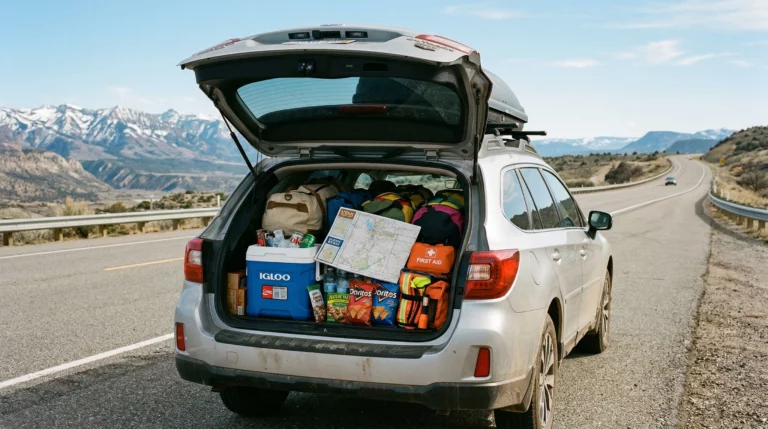
It helps to have a basic idea of where you’re starting, where you want to end up, and what you’d enjoy in between. I like to use a giant paper map or online options like Google Maps in the early stages, just to get the big picture view without fussing over tiny details.
Here are some beginner friendly steps I find super useful for getting started:
- Choose Your Start and Finish: Pin down your departure and final destination points, even if it’s just city to city.
- Pick Your “Must-Sees”: List out any landmarks, cities, parks, or restaurants you really want to check out.
- Set a Realistic Daily Limit: Decide how many hours you’re comfortable driving each day. Some people are cool with 10-hour days, while others prefer slowing down with lots of breaks.
Quick Guide to Planning a Great Route
Getting the logistics right can turn a regular trip into an epic one. Here’s a simple checklist I follow to stay on track:
- Build a Route Skeleton: Use mapping software to plot your key must sees first. Let the app find the fastest route, then tweak it for more fun or balance.
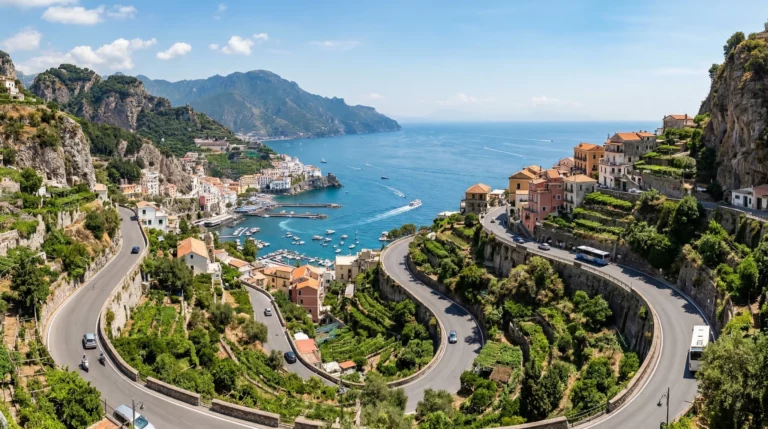
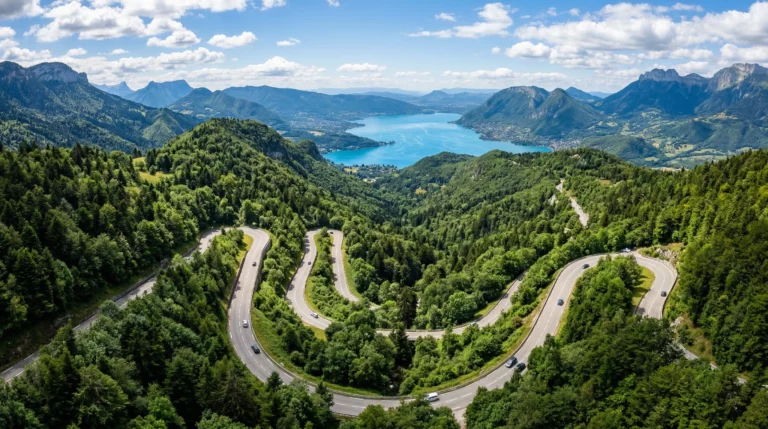
- Mix in Scenic Byways: After plotting the direct route, look for detours down scenic highways, state park roads, or backroads known for epic views. The official Scenic Byways website is packed with suggestions from every state.
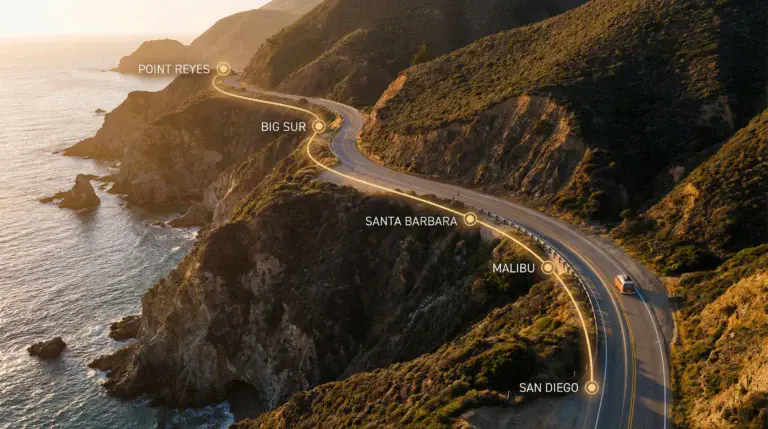
- Consider Timing and Seasons: Some routes are gorgeous in the summer but slow or even closed in winter, like the Pacific Coast Highway or Going to the Sun Road in Glacier National Park. Double-check for seasonal closures or weather hazards.
- Plan Fuel and Food Stops: Know how often you’ll need gas or a break to eat. In remote areas, services can be few and far between. I always save a few must try food joints or roadside diners as trip highlights.
- Book Lodging (or Not): Decide if you’re booking every night or rolling with the punches. Pre-booking is smart during busy seasons or in touristy places, but going with the flow sometimes gives you cool surprises.
Running through these steps gives you a clear plan, but enough wiggle room for fun detours or last-minute changes.
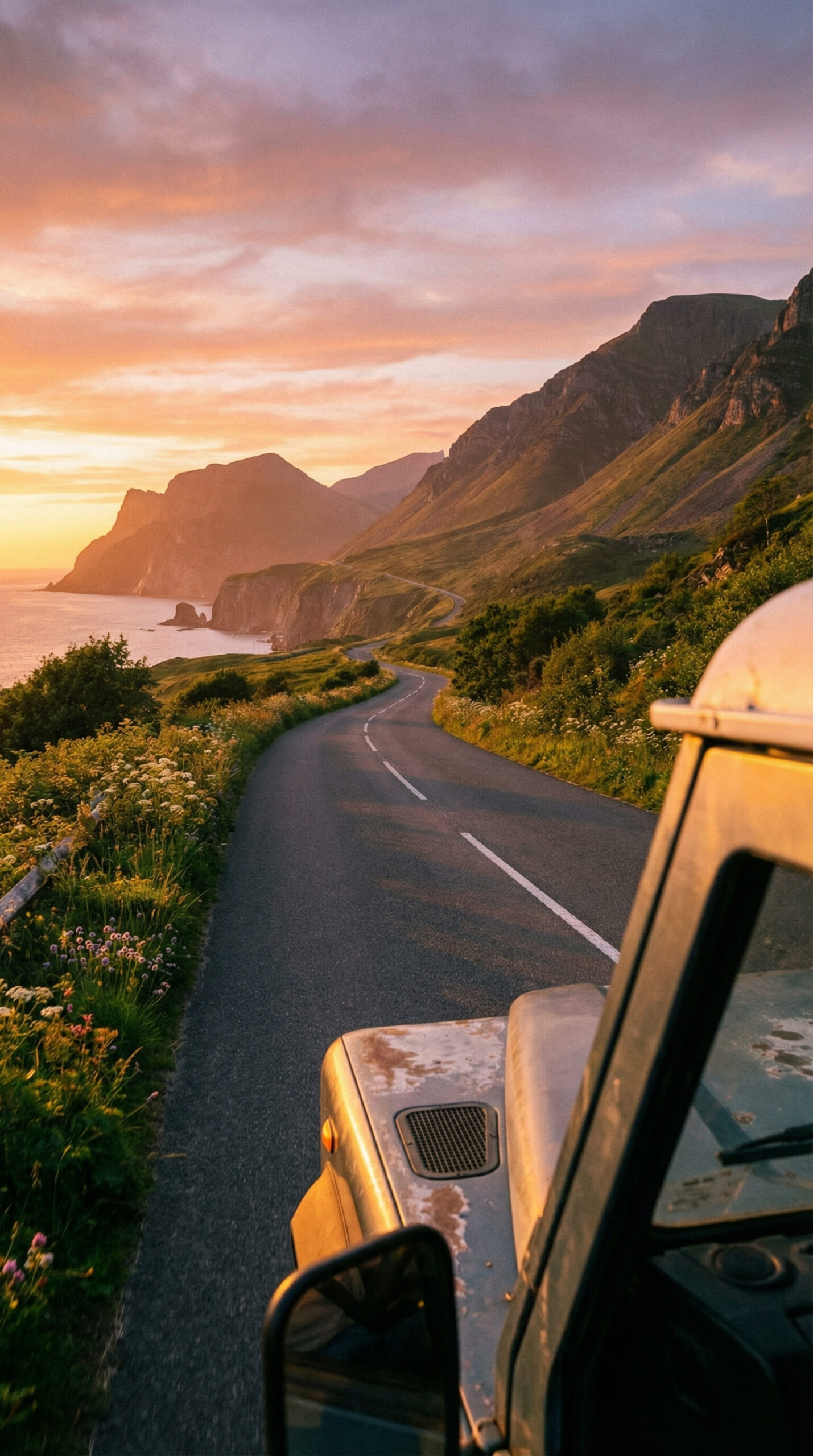
Things to Consider Before Hitting the Road
Even the best-laid plans can go sideways if you overlook a few details. Here are some real-life issues I’ve run into, and how to prep for them:
- Unexpected Road Closures: Construction or weather can block certain roads. Check for major closures a few days before you go, and have a backup route ready.
- Travel Fatigue: Sitting in the car for too long gets old quickly. Factor in interesting stops every few hours, stretch your legs, grab a snack, or snap some photos.
- Navigation Glitches: Cell service drops out more often than you might think, especially in the mountains or far-flung places. Download offline maps, or snap a phone pic of your route before heading out in the morning.
- Budget: Tolls, gas, and hotels can add up quickly. Free route planning tools help you estimate costs, and keeping a little buffer in your budget means less stress on the road.
Road Closures & Detours
I got stuck on the wrong side of avalanche debris in Colorado one year. Ever since, I always check the state DOT site the morning before heading into mountains or remote areas. Google Maps can help, but local road agencies often post updates much sooner.
Fatigue & Breaking Up Long Drives
On a solo cross-country drive, I got so tired I actually missed a whole city I meant to visit. Now, I always add “buffer” afternoons, short drive days followed by exploring time, so I don’t burn out before reaching my main destination.
Navigation Without Service
It’s easy to think there’ll be constant signal, but I’ve driven entire afternoons in spots with zero bars. Paper atlases or printed turn-by-turn directions are a lifesaver when tech lets you down.
Budgeting the Route
Tolls sneak up on you, and gas fluctuates. I use tools like GasBuddy to check for cheap fuel, and toll calculators to map out which roads to skip or which ones are worth the price. Swapping a toll highway for a backroad sometimes saves money and gives you a more interesting ride.
Planning for these whatifs saves a ton of trouble and keeps your trip fun instead of frustrating.
Cool Tips and Route Planning Tricks
Making your route extra memorable comes down to the little things. Here are some extras I always work in when planning a trip:
Leave Room for Spontaneity: I like keeping a day open here and there, in case a local tips me off to a hidden spot or a pop-up event. Over-planning every detail can mean missing out on this kind of fun.
Look for Hidden Gems: Sites like Roadtrippers or Atlas Obscura have cool places people often overlook, think funky art installations, wild natural oddities, or worlds largest things. Just double-check the detour isn’t going to eat up hours unless you’re cool with the extra miles.
Use Multiple Apps: I rely on Google Maps for general routing, AllTrails for finding hikes, and Yelp for great eats. Mixing a few tools always gives a more wellrounded route and helps you track down stuff you might otherwise roll past.
Respect Local Recommendations: Some of my favorite stops have been tips from local baristas, rangers, or gas station workers. Don’t be shy, ask what’s actually worth checking out!
Real-World Tools I Keep Handy
I keep both digital and analog resources around for planning. Here’s my go-to list:
- Google Maps: For mapping, time guesses, and navigation.
- Roadtrippers: Plots fun stops like national parks, museums, and odd roadside finds.
- State Department of Transportation (DOT) Websites: Handy for traffic, roadwork, and weather alerts.
- Printed Maps or Atlases: Major help when the phone is on the fritz or for seeing the big picture.
- Camping & Hiking Apps: The Dyrt or AllTrails are a must if you want outdoor stops along the way.
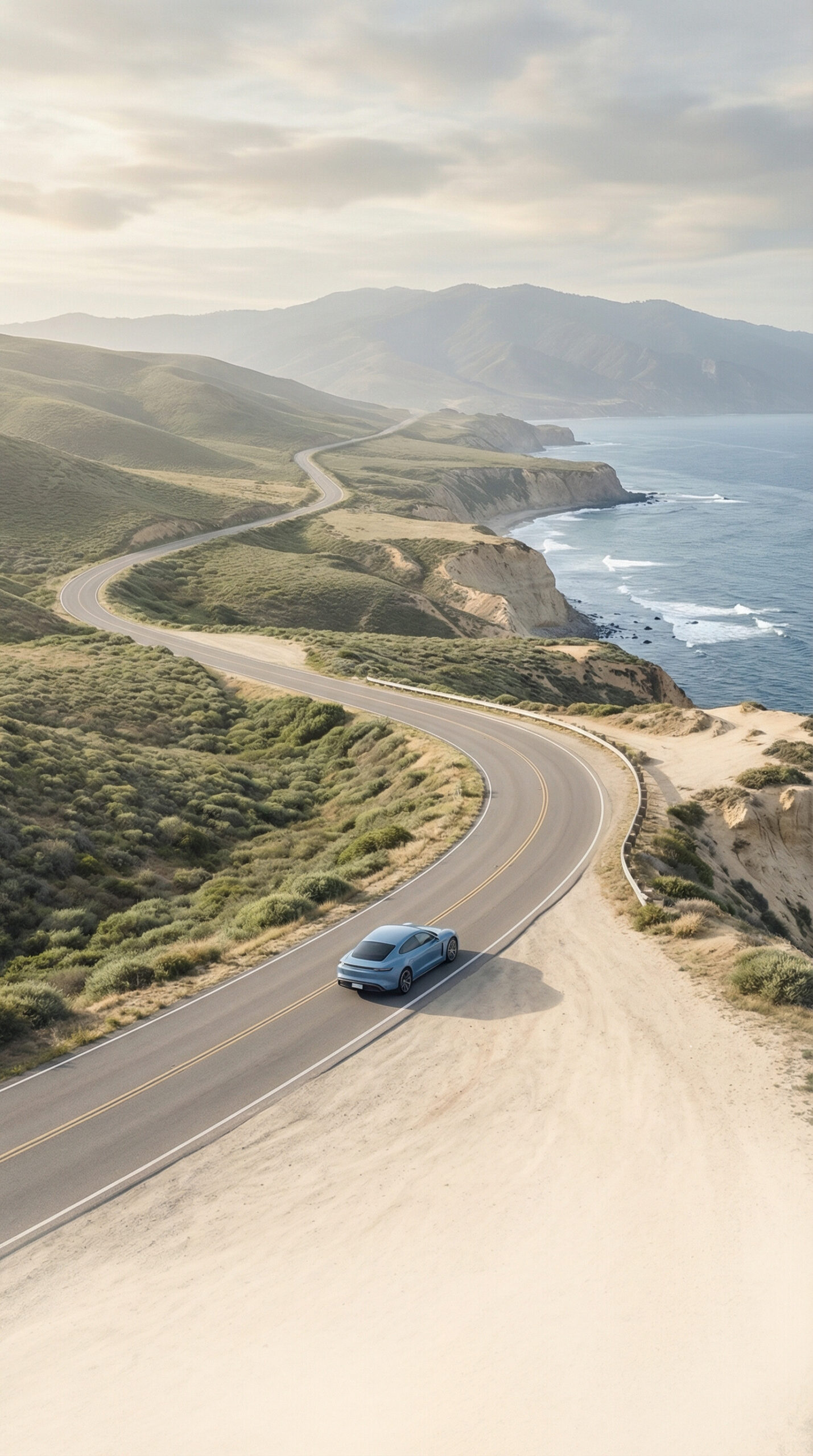
Frequently Asked Route-Planning Questions
I get these a lot from friends and family who want to map out a great trip:
Question: What apps do you use the most?
Answer: Usually Google Maps for navigation, Roadtrippers for finding quirky stops, and GasBuddy to dodge overpriced gas stations.
Question: How much do you plan ahead versus going with the flow?
Answer: I plan 70 to 80 percent so I have my sleeping spots sorted, but always keep a few open blocks for surprises. Balance is seriously the key!
Question: How do you handle overnight stops?
Answer: In busy areas or national parks, I book ahead. In small towns or off-peak seasons, I’ll usually just check out places when I roll in.
Setting off on Your Road Trip Adventure
Nailing the route makes the trip way more fun. With a bit of upfront planning, your road trip can be a mix of awesome sights, delicious food, and spontaneous pit stops. Taking it step by step, picking goals, mapping must-sees, leaving room to breathe, and having a backup or two, makes everything smoother while unlocking chances for unexpected adventures. I keep my route flexible, with wiggle room for last-minute detours, and it’s made even my trickiest road trips worth every mile.
Armed with these tools, tips, and stories, you’ll have what you need to make a road trip that’s way more than just going from point A to B. Wherever your destination, remember the route is half the fun.
Happy travels!

Bella Hartwell
I’m Bella Hartwell, and I help travelers turn simple drives into unforgettable road trip adventures.
The best kind of freedom starts on the open road.