10 Essential Tips On How To Plan A Family Road Trip
Planning a family road trip involves choosing a flexible route, limiting daily driving time, booking family-friendly accommodations, preparing the vehicle, and packing entertainment and snacks for kids. By organizing these details ahead of time and staying flexible, families can reduce stress and create a smoother, more enjoyable travel experience.
If you’re planning a fun family road trip, it’s easy to get caught up in the excitement of adventure and overlook the details that help everything go smoothly. A bit of preparation upfront can be the difference between a trip that feels exhausting and one filled with smiles and cool moments all along the route.
Road trips with family help everyone feel closer, but they also come with hurdles, from keeping kids happy to picking the right roads, dealing with snacks, gear, and sleep stops. This guide shares my top tips to help you organize all the details so your trip stays stress-free and fun from start to finish.
Here’s how to plan a family road trip that’s enjoyable, organized, and jam-packed with memories from the first mile to the last.
TL;DR: How To Plan a Family Road Trip
- Choose a flexible travel route
- Limit daily driving time
- Pack snacks and entertainment for kids
- Book family-friendly accommodations
- Prepare your vehicle before departure
1. Pick Your Route with Flexible Plans
Planning your road trip route with flexibility allows you to adapt to traffic, weather, or spontaneous stops. Start with clear destinations but include scenic routes and regular breaks every 2–3 hours. Using navigation apps helps optimize travel time while keeping the journey enjoyable for the whole family.
The first step in planning any road trip is to map out the overall route. Having a clear start and end point is super helpful, but keep things flexible for unexpected detours or spontaneous stops. GPS apps like Google Maps or Waze make it easy to find your way and can suggest new routes if you run into delays.
Pro Tips:
- Think about adding scenic byways or quirky attractions for extra fun.
- Break up your trip every couple of hours, it’s especially important with kids.
- Have alternate routes in mind just in case of road closures or if you want to mix it up on the go.
A schedule with some flexibility built in keeps everyone’s spirits higher and lowers stress when plans change.
On our 2021 Europe trip with two kids, stopping at local diners and roadside attractions kept the journey fun and engaging.
2. Set a Realistic Daily Driving Distance
Setting a realistic daily driving limit of 5–7 hours helps prevent fatigue and keeps kids comfortable. Factoring in breaks for meals, rest, and stretching ensures a smoother experience. Shorter driving days allow more time for exploration, making the trip feel like a vacation rather than a long drive.
From personal experience, pushing to cover too much distance in a day usually leads to crabby moods. Keeping your daily driving time reasonable is crucial, especially if little kids or pets come along.
- Shoot for roughly 5-7 hours of driving per day for most families to prevent fatigue. Include time for meals, bathroom breaks, and stretching.
- Factor in time for loading, bathroom breaks, meals, and stretching. It always takes longer than you expect.
- Check for local festivals or big events that could impact roads or hotels.
- Less driving time means more exploring and happier kids.
Less time in the car and more time exploring helps everyone stay upbeat and turns the trip into a true vacation, not just a drive.
3. Choose Family Friendly Accommodations
Choosing family-friendly accommodations ensures comfort and convenience during your road trip. Look for hotels or rentals with amenities like pools, play areas, and free breakfast. Checking reviews and confirming room needs in advance helps avoid surprises and allows everyone to rest and recharge for the next day.

Finding good places to sleep shouldn’t be stressful. I like checking out hotel chains known for family perks or campgrounds where kids are welcome. Vacation rentals can also mean a cozier, more budget friendly option.
Hotels, campgrounds, and vacation rentals should offer amenities like pools, play areas, and free breakfasts. Call ahead for cribs, extra bedding, or larger rooms.
- Look out for pools, play spaces, and those free breakfasts, always a hit with kids.
- Call ahead if you need cribs, extra bedding, or larger rooms.
- Review cancellation policies in case your plans mix things up at the last minute.
Comfortable places to stay help everyone recharge for tomorrow’s adventure.
Trust indicator: Stick to verified hotels or rentals with high family-focused reviews to ensure comfort and reliability.
4. Prep the Car for Comfort and Safety
Preparing your vehicle before a road trip improves safety and reduces the risk of breakdowns. Check essential components like tires, oil, brakes, and fluids, and pack emergency supplies. Adding comfort items such as pillows, blankets, and chargers makes long drives more enjoyable for both kids and adults.
Before hitting the road, give your vehicle a quick checkup. A stop at the mechanic for an oil change, tire check, and a peek at the brakes is a smart move. Double check wipers and fluid levels, too. Pack comfort items and safety gear. Inside the car, comfort rules, so don’t forget these:
- Blankets, neck pillows, sunshades, and a favorite stuffed animal.
- Sunshades for the windows, a must for backseat passengers.
- Charging cords for all your gadgets.
- A first aid kit and a small emergency kit: flashlight, jumper cables, basic tools.
Taking breaks every 2–3 hours improves alertness and reduces travel fatigue.
Knowing the car is ready gives you peace of mind, and a comfy ride keeps everyone happier.
Experience-based tip: Extra water and a toolkit helped us avoid delays during a minor tire issue on Norway trip.
5. Build an Entertainment Toolkit
Creating an entertainment toolkit helps keep kids engaged during long drives. Include a mix of audiobooks, music, games, and creative activities to rotate throughout the trip. Changing activities every hour prevents boredom and turns travel time into a fun and interactive part of the family road trip experience.
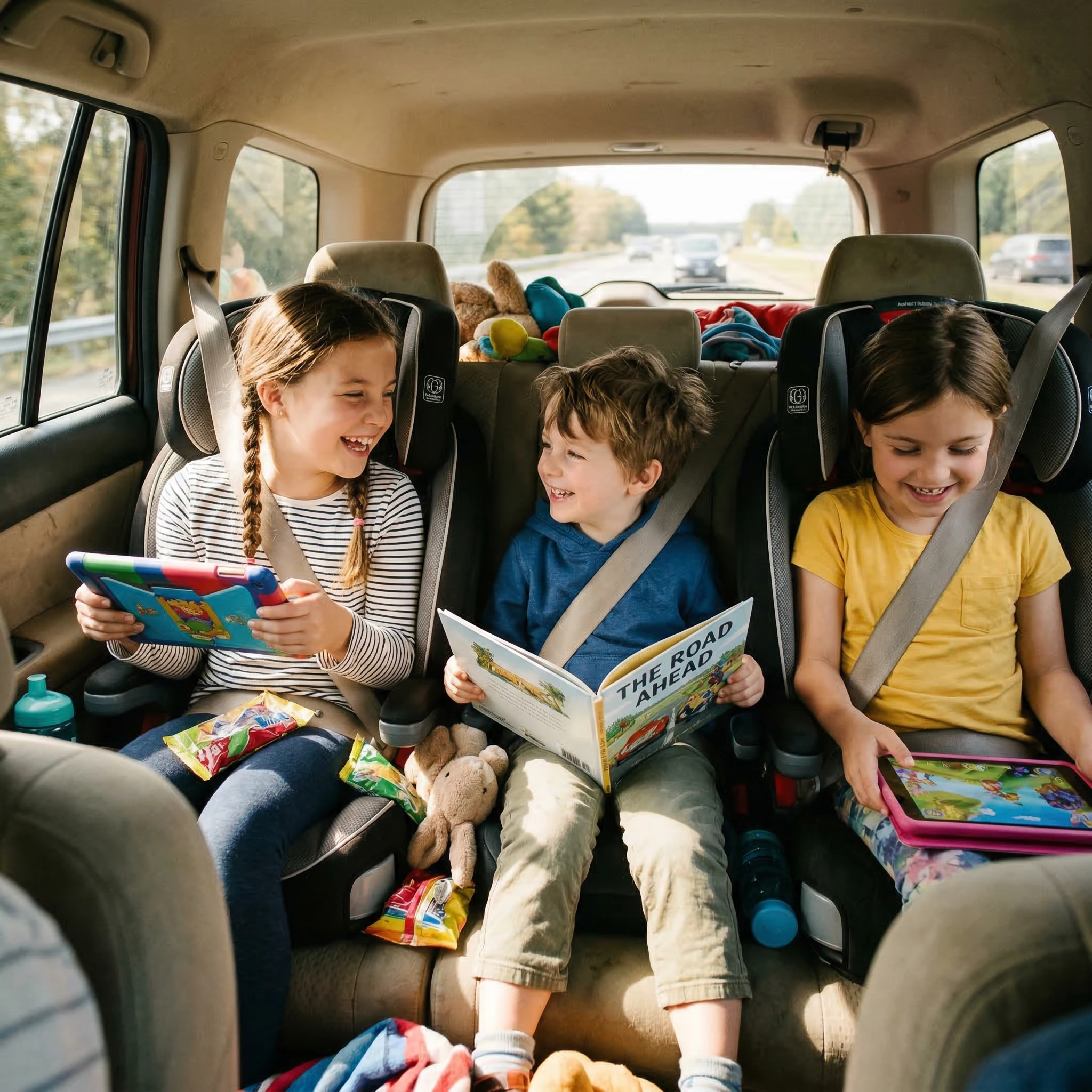
Even the coolest scenery starts to blur after a few hours in the car. I always pack a bag stuffed with activities to keep things lively. Our favorites include:
- Downloaded audiobooks, podcasts, and music playlists ahead of time.
- Coloring items, sticker books, or travel games for the younger crowd.
- Puzzle books, notebooks, or sibling friendly games for older kids.
- Family trivia contests or a scavenger hunt, it can make everyone laugh and bond!
Switching up activities every hour or so keeps boredom at bay in the back seat. It transforms the ride into a series of miniadventures.
6. Smart Packing: Essentials First
Packing smart means prioritizing essential items that are easy to access during the trip. Organize snacks, hygiene supplies, extra clothes, and water bottles using packing cubes or pouches. Keeping everything within reach reduces stress, saves time, and helps maintain a clean and organized car environment.
Packing for a road trip is an art. “Just enough, not too much” saves headaches. Packing cubes or zipper pouches help organize snacks, wet wipes, extra clothes, and water bottles. Keep key items within reach.
Alongside clothes and toothbrushes, here’s what I never skip:
- Simple snacks such as fruit, bars, and a cooler with drinks.
- Wet wipes, napkins, and hand sanitizer for messes.
- An extra change of clothes for everyone, packed within reach.
- Reusable water bottles, choose ones that don’t spill easily.
Use packing cubes or zipper pouches to keep everything accessible and neat. It’ll save you time, and your sanity, when you need to find that one missing sock or snack.
7. Snacks and Meals: Prep to Prevent Hangry Moments
Preparing snacks and planning meals ahead prevents hunger-related stress during road trips. Pack a mix of healthy snacks and treats in portioned bags, and identify meal stops along your route. Having food ready keeps energy levels stable and avoids last-minute decisions that can disrupt travel plans.
A stash of snacks can mean the difference between smooth sailing and a family meltdown. Packing a mix of nutritious snacks and the occasional treat keeps spirits high. Look up possible meal stops or use your favorite maps app to track down good roadside eats.
- Use single serving bags for snacks, super handy on the go.
- Blend fruit, protein, and sweets for balance.
- Try to know where you’ll grab your next meal, it eases last minute panic.
- Plan meal stops or roadside diners for spontaneous fun.
Sharing meals and snacks becomes a highlight of the trip and keeps everyone satisfied. Plus, you’ll make memories at quirky roadside diners that you might stumble upon.
8. Protect Your Sanity with a Backup Plan
Having a backup plan helps you handle unexpected situations like bad weather, road closures, or delays. Download offline maps, plan alternative stops, and keep extra comfort items on hand. Being prepared allows you to stay flexible and reduces stress when things don’t go according to plan.
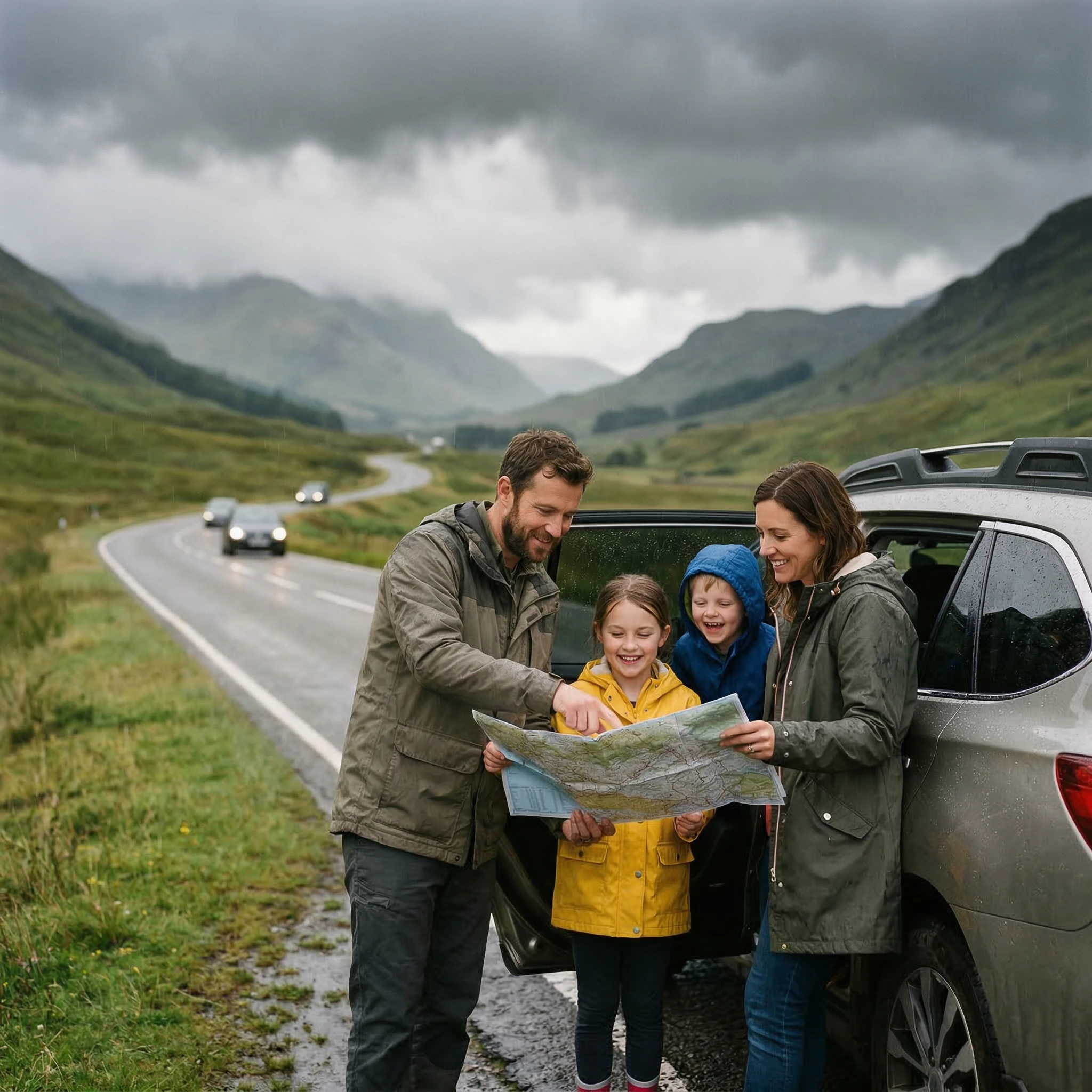
Assume at least one thing will go off the rails: a flat tire, a forgotten favorite toy, or a sudden storm. Backup plans keep stress in check and help you roll with whatever comes your way.
- Download area maps for offline use, some places have no signal.
- Have alternative ideas for stops, eats, or activities if things change last minute.
- Keep extra comfort items, like go-to snacks or a cozy blanket, nearby.
Having a Plan B means you won’t have to scramble when surprises pop up. Staying relaxed and flexible is key.
9. Stay Connected and Share the Driving Duties
Sharing driving responsibilities reduces fatigue and improves safety during long trips. Switching drivers every few hours helps maintain focus, while keeping others informed of your route adds an extra layer of security. Using hands-free technology ensures safe communication without distractions on the road.
Long hours of driving can wear anyone out, so if you have another driver in the car, switch off often. Regular check-ins with friends or family help everyone feel safe, and teamwork keeps things lighthearted.
- Change drivers every couple of hours if you can.
- Update someone about your route and estimated arrival time so people know your whereabouts.
- Use handsfree mode for directions and calls, no distractions needed when you’re on the road.
Sharing responsibilities means less fatigue, more safety, and better moods all around. Plus, you’ll enjoy each other’s company more when no one is overtired.
10. Capture the Memories, but Enjoy the Real Moments Too
Capturing memories through photos, journaling, and music helps preserve your road trip experiences. However, balancing documentation with being present ensures you fully enjoy the journey. Encouraging kids to share their favorite moments creates meaningful connections and lasting family memories.
Snapping photos and jotting quick notes in a travel diary lets you go back and relive your adventures later on. Take turns assigning the role of “trip photographer,” encourage kids to write about their favorite surprise each day, and build a playlist of songs that’ll take you back whenever you hear them.
- Rotate “trip photographer” duties.
- Prompt kids with simple journal ideas, like “What made you laugh today?”
- Create a soundtrack together that you’ll remember long after you’re home.
But don’t get too caught up documenting, sometimes it’s best to just look out the window, sing along with your favorite tunes, and soak up the adventure right as it happens.

FAQ
How do I plan a family road trip route?
Map out start and end points but allow flexibility for detours. Use GPS apps like Google Maps or Waze and add scenic byways or quirky attractions.
How long should we drive each day with kids?
Drive 5–7 hours per day and include breaks for meals, rest, and stretching to keep kids comfortable.
What should we pack for a family road trip?
Pack essentials such as snacks, water, extra clothes, wipes, entertainment, and comfort items. Organize with packing cubes or pouches for easy access.
How do we keep kids entertained on long drives?
Bring audiobooks, music playlists, coloring books, travel games, puzzle books, and trivia contests to rotate activities and prevent boredom.
Planning Ahead Means More Fun, Less Stress
Planning ahead while staying flexible is key to a successful family road trip. Organizing routes, packing essentials, and preparing for unexpected situations helps reduce stress. By focusing on both preparation and enjoyment, families can create memorable experiences and make the journey just as rewarding as the destination.
Wondering how to plan a family road trip? Start with a bit of organization, stay open minded, and stock up on snacks. Many of my favorite stories happened when plans went sideways, singing along to road trip songs, spotting hidden oddities along the way, or just sharing a good laugh in the back seat.
If you prepare and don’t stress about perfection, you’ll build a collection of memories your family will talk about for years. Enjoy every twist in the road, snap tons of photos, and don’t sweat the small stuff, adventure is waiting just outside your front door.
Happy travels!

Bella Hartwell
I’m Bella Hartwell, a travel enthusiast who has organized over multiple road trips. I share hands-on tips, tested gear lists, and personal stories to help others travel smarter.
The best kind of freedom starts on the open road.