Car vs SUV vs RV for Road Trips: How to Choose the Best Vehicle for Your Trip
Choosing the best vehicle for a road trip depends on your budget, travel style, group size, and destination. Cars are the most fuel-efficient and easiest to drive, SUVs offer more space and flexibility for different terrains, while RVs provide built-in accommodation for long trips but require higher costs and more planning.
Planning a road trip opens up a ton of possibilities, but picking the right vehicle shapes the whole adventure. Cars, SUVs, and RVs each offer something unique, from comfort to practicality and how much stuff you can bring along. I’ll break down the choices so you can figure out what works best for your travel style, your crew, and your road trip goals.
TL;DR:
- Choose a car for budget trips, couples, and city driving
- Choose an SUV for flexibility, space, and mixed terrain
- Choose an RV for long trips, camping, and full comfort
- Not sure? SUVs are the safest all-around choice
Understanding Your Road Trip Needs
Before picking between a car, SUV, or RV, it helps to pin down what you really want out of your adventure. Start by asking yourself a few questions: How many people are going? How much space do you need for luggage or gear? Are you planning to camp, or stick to hotels? And what sort of roads are you expecting, smooth highways or bumpy backroads?
A quick checklist I like to use before a big trip:
- Group Size: More people usually means a bigger vehicle. Solo or couple? Smaller cars often work fine.
- Travel Comfort: Long drives call for something comfy with good seats and legroom.
- Cargo Space: If you’re hauling camping gear, bikes, or bulky luggage, you may need extra room.
- Destination Style: Remote sites? Dirt roads? A car might not cut it if the terrain gets rough.
Matching your needs to your ride saves a lot of frustration and makes the trip way smoother. Thinking about your group’s age, interests, and stamina can pay off. Road tripping with kids or seniors? Comfort and easy access are big perks, while adventure seekers may prioritize offroad ability or gear space.
| Feature | Car | SUV | RV |
|---|---|---|---|
| Cost | Low | Medium | High |
| Fuel Efficiency | High | Medium | Low |
| Comfort | Low–Medium | Medium–High | Very High |
| Space | Limited | Flexible | Maximum |
| Best For | Couples, cities | Families, mixed trips | Long trips, camping |
Cars for Road Trips: Pros and Cons
Cars are best for budget-friendly road trips, couples, and city driving. They offer excellent fuel efficiency and are easy to handle, making them ideal for shorter trips or urban routes. However, limited space and lower comfort can make them less suitable for long journeys with multiple passengers or bulky gear.
Cars are best for budget-friendly road trips, couples, and city driving. They offer the best fuel efficiency and are easy to handle, but have limited space and can become uncomfortable on longer trips with multiple passengers.
- Fuel Economy: Smaller engines and lighter bodies mean you’ll spend less at the gas station. Super handy on long, multiday treks.
- Easy to Handle: Cars are simple to drive, especially if you’re new to long distance travel or don’t like driving bigger vehicles.
- Affordable: Renting or bringing your own car usually costs less than SUVs and RVs. Plus, tolls and parking fees are often cheaper.
Most compact and midsize cars typically average around 5–7 L/100 km (40–55 MPG), making them one of the most cost-effective options for long-distance road trips.
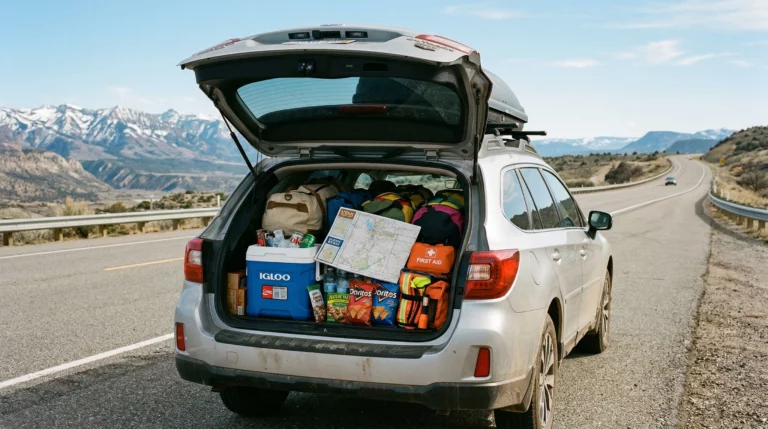
But there are a few things to keep in mind. Tight interior space can get uncomfortable when road tripping with three or more people plus luggage. Heading to remote areas or parks with rough access roads? Cars with low clearance struggle, and you may be limited to paved stretches. Still, for a pair of travelers with light gear, it’s hard to beat the flexibility and price tag of a trusty car.
Most people underestimate how uncomfortable long drives in a small car can be, especially after 4 – 5 hours on the road.
Compact cars are also a breeze for city driving, making them ideal for urban detours as you check out roadside eats or quirky small towns. If you value zippy handling and a stress free ride in traffic, cars are tough to beat.
On shorter trips through cities, I’ve found compact cars much easier to park and far less stressful in traffic.
Join Road Voyagist
Subscribe to Road Voyagist and get updates on the latest posts, trip tips and more from Bella of Road Voyagist straight to your inbox.
SUVs: Versatility Meets Comfort
SUVs are the most versatile option for road trips, offering a balance of space, comfort, and performance. They handle both highways and rougher terrain well, making them ideal for families or mixed travel conditions. While they use more fuel than cars, they provide greater flexibility and storage capacity.
SUVs are the best all-around choice for most road trips, offering a balance of space, comfort, and versatility. They handle both city driving and rougher terrain well, but cost more than cars and use more fuel.
- Passenger Capacity: Three row SUVs can fit six or seven people comfortably for long drives.
- All Terrain Ability: Higher ground clearance and options like fourwheel drive help if your route goes off the main road.
- Cargo Flexibility: Big rear spaces (especially with seats folded) make loading up bikes, boards, or camping gear a breeze.
- Towing: Some SUVs come ready to tow travel trailers or boats, opening up even more options for adventurous trips.
Fuel efficiency takes a small hit compared to cars, especially with larger models or fully loaded racks. Urban parking can be a hassle, and renting an SUV usually costs more than a standard sedan. But for families or groups with mixed needs, SUVs can make road trips more comfortable and less cramped. If you need to mix in some variety on your adventure, SUVs give you the flexibility to jump from city streets to forest roads without missing a beat.
On a mountain road trip, having an SUV made a huge difference when roads got rough and unpredictable.
In Scandinavia, SUVs are often a better choice due to changing weather and gravel roads in remote areas.
SUVs generally average around 8–11 L/100 km (20–30 MPG) depending on size and whether you’re carrying extra weight or using all-wheel drive.
Many midsize SUVs comfortably seat 5 passengers, while larger models can accommodate 6–7 people, making them ideal for families or group travel.
RVs: Home on Wheels
RVs are ideal for long road trips and camping-focused travel, providing built-in sleeping space, a kitchen, and added comfort. They allow for more independence and extended stays but require higher fuel costs, more planning, and can be challenging to drive and park in certain areas.
RVs are ideal for long road trips and camping-focused travel, providing built-in sleeping space, a kitchen, and full comfort. However, they require higher fuel costs, more planning, and can be challenging to drive and park.
- Self Contained: No need to hunt for hotels or rest stops, you can pull over and relax almost anywhere it’s legal and safe.
- Ready for Extended Stays: Real beds, a fridge, and even running water make it easier to linger at beautiful spots.
- Space for Everything: Bring extra clothes, bikes, paddleboards, and way more comfort items than you’d ever fit in a car trunk.
- Family & Friend Friendly: Larger RVs can sleep six, sometimes more, making them great for reunions or friendgroup getaways.
RVs need some trade offs. They use a lot more fuel, are trickier to drive (especially in cities), and need bigger parking spots. Restaurants, small town main streets, and national parks may have limits or special spots for RVs. Getting a reservation at popular parks can be a bit of a game, especially during peak travel seasons.
RVs typically consume around 15–25 L/100 km (8–15 MPG), depending on size and driving conditions, which makes them the most fuel-intensive option.
In addition to fuel, campground fees can range from €20 to €60 per night, depending on location and amenities.
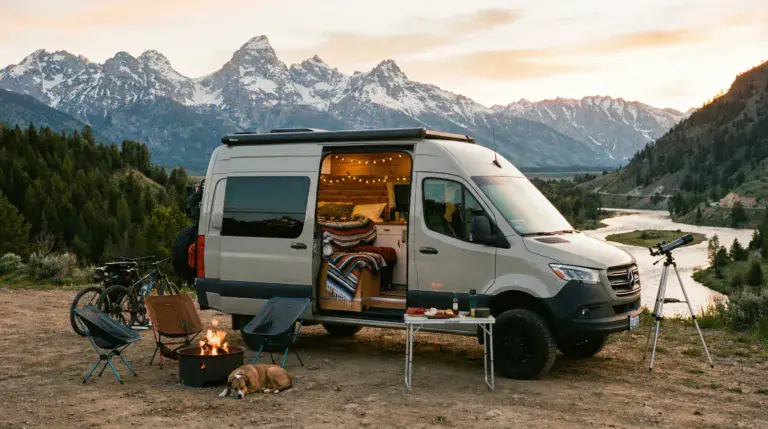
If you’ve never driven anything bigger than an SUV, practice is smart before tackling narrow roads or packed campgrounds. The payoff is that you can make your road trip feel like a mobile home base, letting you slow down and soak up your surroundings. With an RV, spontaneous campfire nights or sunrise views from your bed become the norm.
During a longer trip, traveling in an RV completely changed the experience, it felt more like living on the road than just passing through.
Insurance and regulations can vary depending on where you’re traveling, so it’s always smart to double-check requirements before your trip. For example, resources like European Commission provide helpful guidance on driving rules across European countries.
If you’re planning to stay overnight in different locations, it’s important to follow local camping regulations and guidelines, which are often outlined by national tourism or park authorities.
Keys to Making the Best Choice
The best vehicle for a road trip depends on your budget, comfort needs, and travel style. Cars are the most affordable, SUVs offer the best balance of flexibility and space, and RVs provide the highest level of comfort for long trips. Choosing the right option improves both convenience and overall travel experience.
The best vehicle choice comes down to budget, comfort, and how you plan to travel. Cars are cheapest, SUVs offer the most flexibility, and RVs provide the highest level of comfort for long trips.
Comparing cars, SUVs, and RVs comes down to a few core points. Here’s what I weigh every time I’m trip planning:
- Budget: Cars win for gas mileage and upfront cost. RVs cost more right away and as you go, with higher fuel and campground fees. SUVs are somewhere in between.
- Comfort: If you need a real bed or have special needs, RVs win. For decent legroom and luggage space, SUVs are great. Small cars can get cramped unless you travel light.
- Adventure Level: If you’re sticking to hotels and paved roads, a regular car is perfect. If you want to camp, cook, and road trip far from the crowds, an RV or SUV with gear is worth checking out.
- Driving Confidence: If you’re comfortable piloting big vehicles, RVs open lots of doors. Nervous about size? A small car keeps everything simple.
- Flexibility: Cars can park almost anywhere. RVs sometimes need to be planned around in advance, while SUVs are in the sweet spot for go anywhere, do anything fun.
Your final decision depends on trip length, destination type, and how much comfort or flexibility you need. Think about local rules, some cities have strict parking restrictions or don’t allow overnight RV stays. For cross country explorations or making remote stops at national parks, flexibility in your vehicle can keep the adventure stress free.
When I hit the road, one question I always get asked is, “if I drive a SUV or RV, what changes about the trip?” Honestly, it makes a bigger difference than most people realize. Driving a larger vehicle like an SUV or RV affects everything from how you plan your route to where you park, how you pack, and even how much gear you can bring along.
With an SUV, you have flexibility and easier access to tight spots, but you still need to think about storage and comfort. With an RV, you gain a mobile home on wheels, which is amazing for long trips, but it means planning overnight stops, campground reservations, and road widths more carefully. Either way, knowing these differences ahead of time makes the trip smoother and way more enjoyable.
As a rough estimate, a 1,000 km trip might cost:
- Car: €70–€120 in fuel
- SUV: €110–€180 in fuel
- RV: €200–€350+ in fuel (plus campground fees)
Car vs SUV vs RV: What’s the Difference?
Cars, SUVs, and RVs differ mainly in cost, space, and comfort. Cars are the most fuel-efficient and easiest to drive, SUVs offer more space and versatility for different terrains, while RVs provide built-in living space for long trips but require higher costs and more planning.
Choosing between a car, SUV, or RV for your road trip really comes down to space, comfort, cost, and travel style. Each option offers a completely different experience on the road.
- Cars are the most efficient and budget-friendly choice. They’re easy to drive, simple to park, and perfect for city stops or highway cruising. However, they offer limited space, which can become uncomfortable on longer trips or with more passengers.
- SUVs strike a balance between comfort and versatility. With more room for passengers and gear, plus higher ground clearance, they’re ideal for mixed terrain and longer journeys. They’re a great middle-ground option for most travelers.
- RVs transform your road trip into a mobile living experience. You get a bed, kitchen, and sometimes even a bathroom, making them perfect for extended travel and camping. The trade-off is higher costs, fuel consumption, and the need for more planning.
Choose:
- A car for simplicity and savings
- An SUV for flexibility and comfort
- An RV for full freedom and long-term travel
Best Vehicle Based on Your Travel Style
The best road trip vehicle depends on your travel style, group size, and destination. Cars work well for budget and city travel, SUVs are ideal for families and mixed terrain, while RVs suit long trips and camping. Matching your vehicle to your travel needs ensures a more comfortable and enjoyable experience.
The best vehicle for a road trip depends on your travel style, group size, and destination. Cars are ideal for budget and city travel, SUVs provide flexibility and space for families or mixed terrain, while RVs are best for long trips and camping-focused adventures.
- Solo travelers or couples benefit from cars because they’re easier to park and navigate in busy areas.
- Families or small groups prefer SUVs for the extra passenger space and storage flexibility. The extra space for passengers and luggage keeps everyone comfortable, especially on long drives.
- Adventure seekers heading off the beaten path should consider an SUV with all-wheel drive or extra clearance. It handles rougher roads and gives you more freedom to explore.
- Long-term travelers or campers will get the most value from an RV. RVs are best for travelers who want to combine transport and accommodation into one seamless experience. Having your own bed, kitchen, and storage turns the trip into a full experience rather than just transportation.
- Budget travelers should lean toward cars, while those prioritizing comfort and convenience may prefer SUVs or RVs.
If you’re unsure, an SUV is often the safest all-around choice, it adapts well to most road trip styles.
While cars are the most budget-friendly option upfront, SUVs and RVs often provide more comfort and flexibility, which can make a big difference on longer trips.
Which Vehicle Should You Choose for a Road Trip?
Choose a car for affordability and city trips, an SUV for flexibility and comfort across different terrains, and an RV for extended travel with built-in accommodation. The right choice depends on your budget, group size, and how much independence you want on your trip.
Common Mistakes When Choosing a Road Trip Vehicle
Common mistakes when choosing a road trip vehicle include focusing only on price, underestimating space needs, ignoring terrain, and overestimating comfort. These issues can lead to discomfort, limited access to destinations, and a more stressful travel experience overall.
Common mistakes when choosing a road trip vehicle include focusing only on price, underestimating space needs, ignoring terrain, and overestimating comfort. These mistakes can lead to limited access, discomfort, and a more stressful travel experience.
- Choosing based only on price
A cheaper car might save money upfront, but lack of space and comfort can make long drives exhausting. - Underestimating how much space you need
Luggage, gear, and even snacks add up quickly. A cramped vehicle can make the trip feel longer and more stressful. - Ignoring terrain and road conditions
Planning to visit mountains, national parks, or remote areas? A low-clearance car might limit where you can go. - Overestimating comfort in smaller vehicles
What feels fine for a short drive may become uncomfortable after several hours on the road. - Not considering parking and driving difficulty
RVs and large SUVs can be challenging in cities, tight parking areas, or narrow roads. - Skipping a test or trial run
If you’re renting or using a different type of vehicle, getting familiar with it before your trip can prevent unnecessary stress.
Avoiding these mistakes helps ensure your road trip feels smooth, comfortable, and enjoyable from start to finish.
Note: Fuel consumption and costs can vary based on driving style, terrain, and local fuel prices.
Join Road Voyagist
Subscribe to Road Voyagist and get updates on the latest posts, trip tips and more from Bella of Road Voyagist straight to your inbox.
Common Road Trip Vehicle Questions
Travelers often have questions about choosing the right road trip vehicle, including whether to rent or use their own car, how difficult RVs are to drive, and which option works best for pets or camping. Understanding these practical concerns helps avoid surprises and improves the overall travel experience.
Lots of folks have questions about picking a road trip ride. Here’s my take on what comes up most:
Q: Is renting better than using my own car?
A: Renting is nice if your car isn’t road trip ready, or if you want to try a different style (like testdriving an SUV or RV before you buy). Just check the fine print on mileage and insurance.
Q: Are RVs hard to drive?
A: They’re bulkier, especially backing up. Practice a bit before the trip, and watch for low clearances. Some campgrounds post rules about RV size.
Q: What about taking pets?
A: Most pets fit comfortably in SUVs or RVs, just make sure they’ve got space and stay safe for the drive. Cars work for small pets on short trips but can get crowded. If your pet is not used to long rides, take shorter practice trips ahead of your adventure. Always carry extra water and comfort items for your pet’s needs.
Q: Can I camp in an SUV?
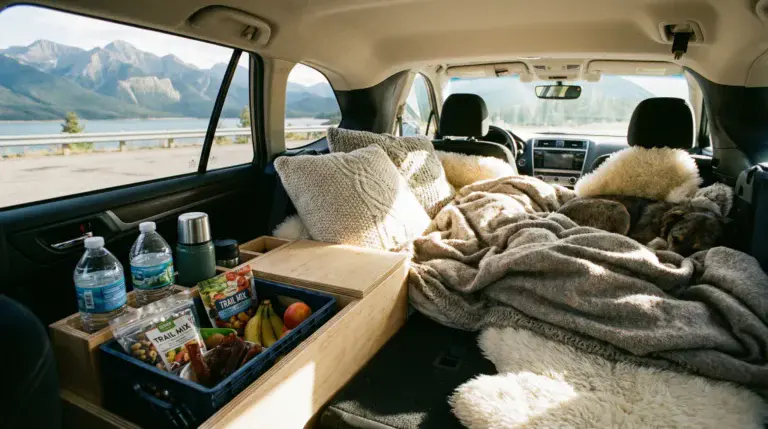
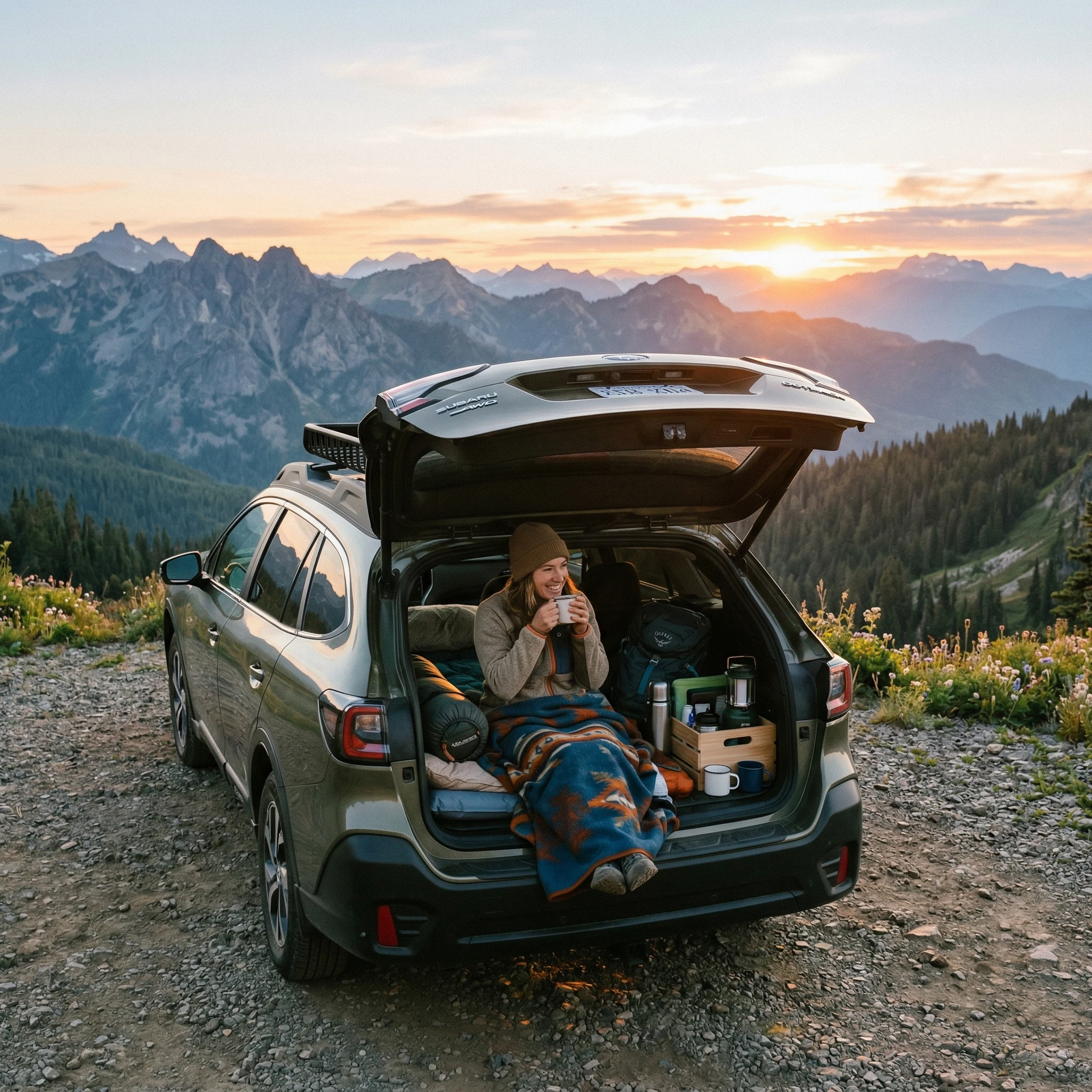
A: Totally. Foldflat seats plus an air mattress make for an affordable and spontaneous sleep setup. Some people add window shades for privacy and bug screens for airflow. If you want to make your SUV even more comfortable, try packing compact camping gear, a cozy blanket, and easy access snacks.
Q: Do I need special insurance for an RV rental?
A: Usually, yes. It’s smart to check in with the rental company and your personal auto insurance. Sometimes your regular policy covers part of the trip, but RVs can need extra coverage just to be sure you’re protected.
Picking the Right Ride is a Game Changer
Choosing the right vehicle for your road trip directly impacts comfort, cost, flexibility, and overall enjoyment. Cars offer simplicity, SUVs provide versatility, and RVs deliver a full travel experience. The best choice depends on your trip goals, helping you create a smoother and more enjoyable journey.
The vehicle you pick for a road trip influences everything, from how much you can pack to where you can go and how you rest up between adventures. I always recommend thinking about comfort, cost, and the kind of memories you want to create along the way.
For me, picking the ride is part of the fun. Some trips call for a nimble car and breezy highways, others need an SUV’s pack it all attitude, and sometimes nothing beats rolling up to your campsite in an RV with your own kitchen and bed onboard. There’s no single answer. What works best is what fits your trip style and keeps everybody happy. Here’s to more miles and better road trips, whichever keys you grab!
And don’t forget: prepping your playlist, figuring out snack stops, and being open to surprise detours are just as important for an eye catching, memory making adventure as your ride itself. Save this guide for your next road trip!
Happy travels!

Bella Hartwell
I’m Bella Hartwell, a travel enthusiast who has organized over multiple road trips.
I share hands-on tips, tested gear lists, and personal stories to help others travel smarter.
The best kind of freedom starts on the open road.