How To Find The Best Campsites Along Your Road Trip Route
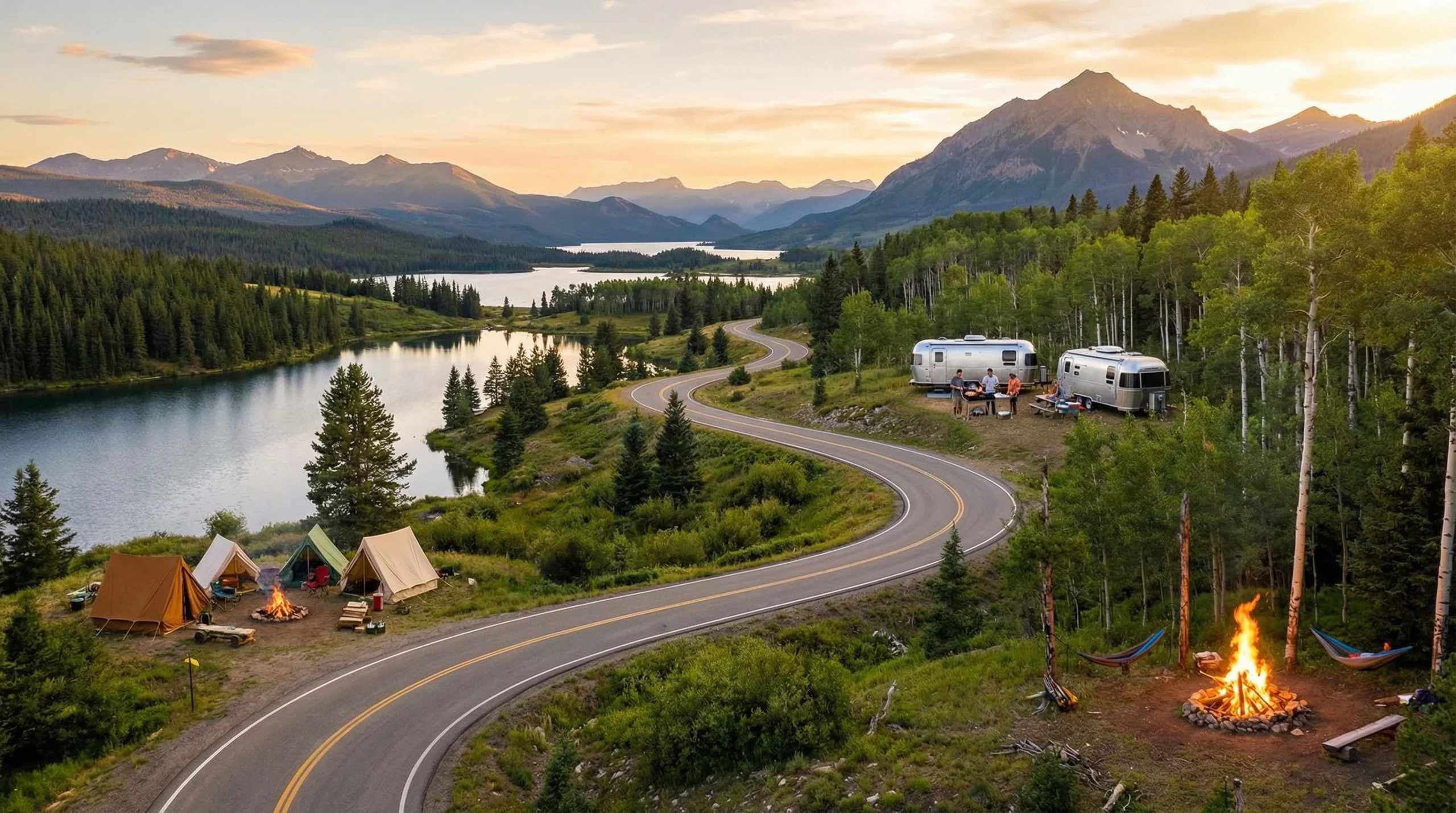
Finding the right campsite during a road trip can be the difference between a relaxing retreat and a night that makes you wish you’d splurged on a motel. I’ve spent plenty of time crisscrossing highways and backroads, so I know the thrill of waking up to a mountain sunrise. On tougher days, there’s also the challenge of avoiding a surprise raccoon raid. Choosing the best campsites along your route isn’t just about picking a spot to sleep, it’s how you set the mood for the adventure ahead. Here’s how I go about it, along with some practical advice you might find super handy.
Understanding Your Road Trip Camping Style
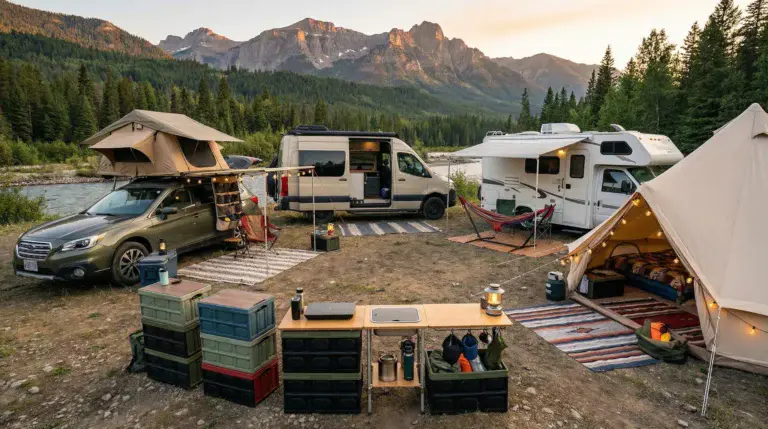
Before getting into the details, I like to get honest about what kind of camping experience I want. For some, a perfect night means hiking into the wild and pitching a tent far from civilization. For others, a quick drive in site with showers and fire rings does the trick. Knowing your vibe helps narrow things down so you’re not endlessly scrolling through options that don’t fit.
Ask yourself a few questions before you start searching:
- Are you traveling with family or solo? Some campsites are all about family friendly amenities, while others are quiet retreats for solitude or, honestly, just for grownups.
- Do you want amenities like bathrooms, picnic tables, or hookups? Rustic sites are awesome for the right crowd, but sometimes, a flush toilet goes a long way after a long drive.
- Are you visiting national parks, state parks, or looking for little known free campsites? Your route and timing matter, so check whether you need advance reservations or if you can just show up and claim a spot.
Map Out Your Route and Milestones
I always start with the basics: plot your start, finish, and the “must-sees” in between. This helps with realistic driving times and makes sure you’re not scrambling at sundown. Once you know where you’ll be stopping, plug in some buffer time in case you want to linger somewhere beautiful. It’s easy to underestimate how much time you’ll want in certain areas, especially those with incredible scenery or hidden hikes.
Pairing this with campsite research is key. It’s a pain to fall in love with a spot online, only to realize it’s hours off your route. Use online tools, I like Google Maps, recreation.gov, and freecampites.net, to spot options close to your marked stops. This way, you’re picking campsites that fit your trip flow, not working your whole trip around a single destination unless it’s worth it!
On one road trip through the Alps, I planned to stop at a campground that looked perfect online. When I checked the map more closely, I realized it was almost two hours off my route. Since then, I always double-check driving distances and nearby campsite options before committing.
How to Research and Compare Campsites
I’m a big fan of reading reviews, peeking at campsite photos, and even checking satellite views before committing. Here are the main things I look for when sizing up options:
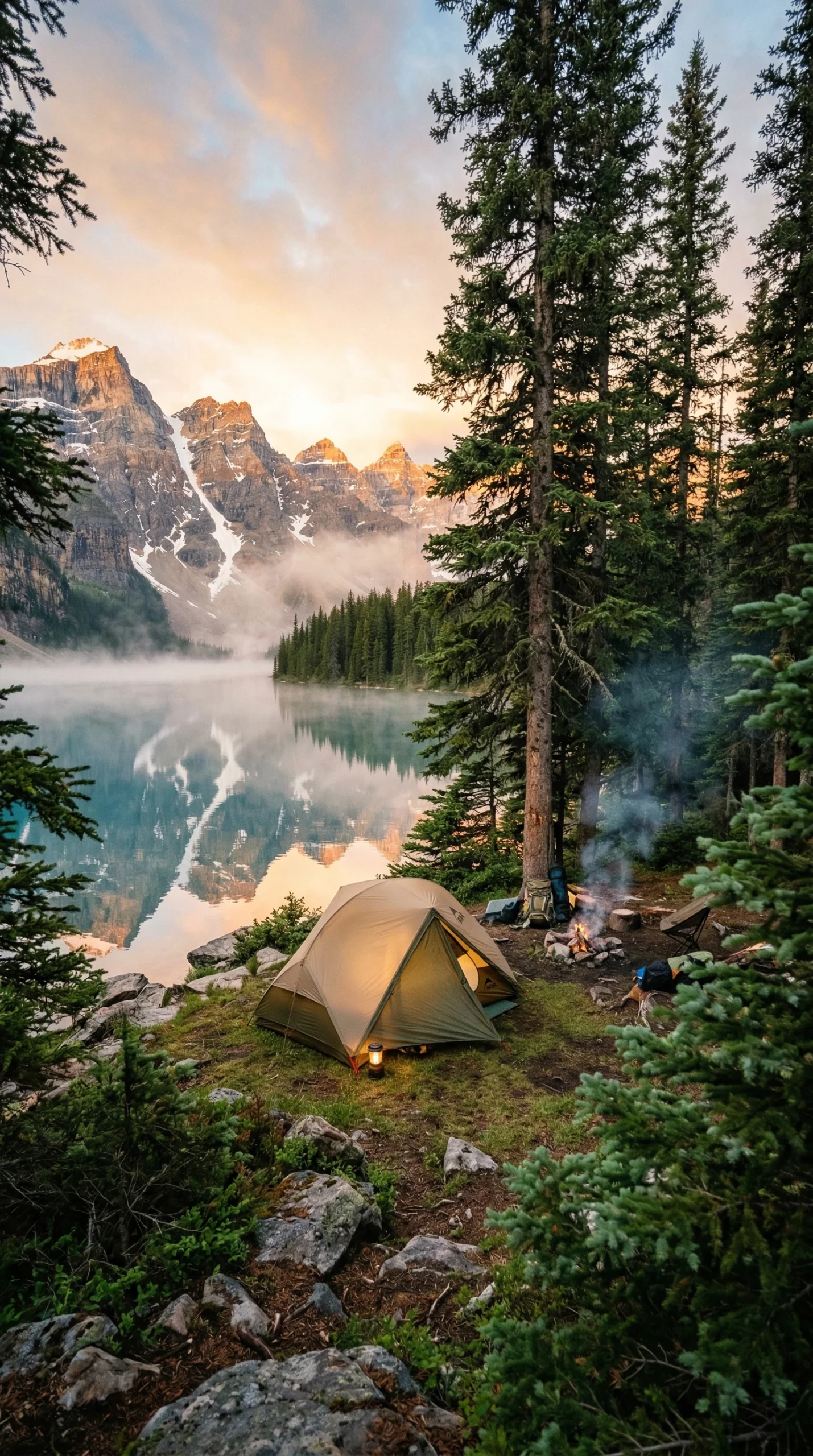
- Location: Does it offer something unique? Lakeside views, shady forests, mountain outlooks, or warm desert sunsets all set a vibe. Sometimes a plain rest stop spot works for a quick layover, but the best campsites offer a little natural magic.
- Facilities: Check what’s there: are there flush toilets, showers, potable water, or power hookups? If you’re tent camping, you may be fine going rugged. With an RV or family, those extras make a huge difference.
- Accessibility: Not all campsites are created equal for folks rolling with trailers or those who don’t feel like hiking in with all their gear. Make sure there’s easy vehicle access if you don’t want extra hassle.
- Reviews: I trust recent feedback over official descriptions, especially about road conditions, noise, and actual cleanliness. Fellow travelers are pretty honest, and their tips are super useful.
- Rules and Availability: Double check pet policies, fire bans, max stay limits, or the need for permits or reservations, especially in the busy season.
Best Apps to Find Campsites Along Your Road Trip
Finding campsites along your route is much easier with the right apps and tools. I usually check a few different platforms before deciding on a spot because each one offers slightly different listings and reviews.
iOverlander – One of the most popular apps for road trippers and overlanders. It includes user-submitted locations for campsites, rest areas, and free camping spots around the world.
Campendium – A great resource for campground reviews, especially for RV travelers. It also includes helpful information about cell service coverage.
Hipcamp – A platform that connects travelers with unique private campsites, including farms, vineyards, and scenic private land.
The Dyrt – A large campground database with reviews, photos, and booking options for public and private campsites.
Deciding Between Different Campsite Types
The term “campsite” covers a lot of ground. Here’s how I break it down when road tripping:
Public Campgrounds – National/State Parks, Forest Service Sites
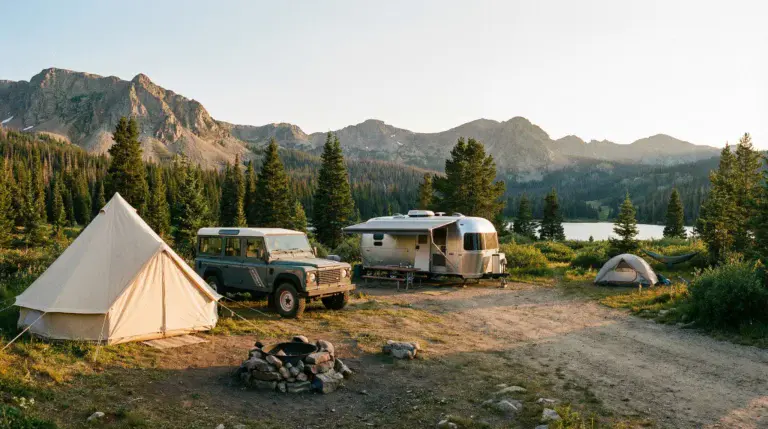
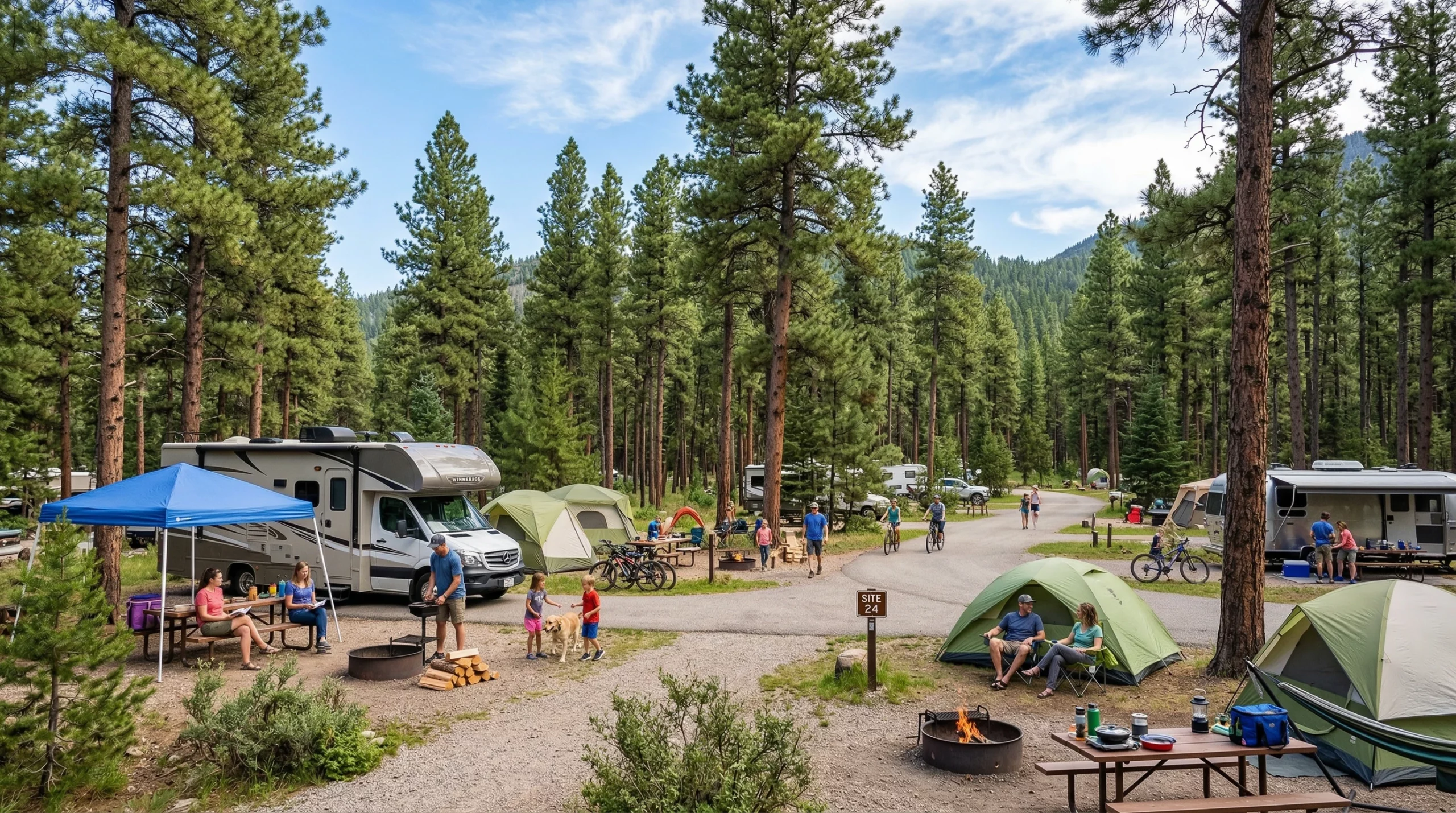
The classics. These sites tend to be well maintained and feature great access to hiking, water, and scenery. Most let you reserve in advance, sometimes months ahead, and they often fill up quickly, especially near popular attractions. They’re great for security and reliability.
Private Campgrounds – KOA, Good Sam, Mom-and-Pop Parks
These usually offer the best range of amenities, with things like laundry, WiFi, and even swimming pools. They’re a solid backup when public spots are full, and some feel more like mini resorts. You’ll usually pay more, but sometimes convenience or comfort matters most.
Dispersed/Primitive Camping
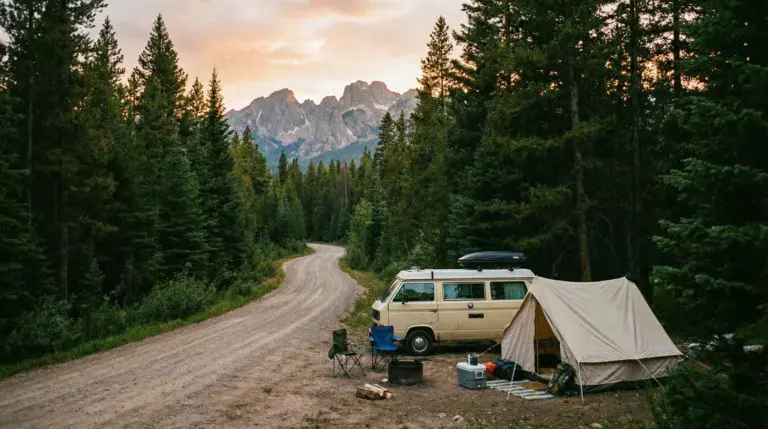
If you like solitude or want to save on costs, dispersed camping on public land like National Forests or BLM is the way to go. These sites rarely have amenities, but there’s something special about finding your own little slice of nature for the night, as long as you follow Leave No Trace rules and check local restrictions.
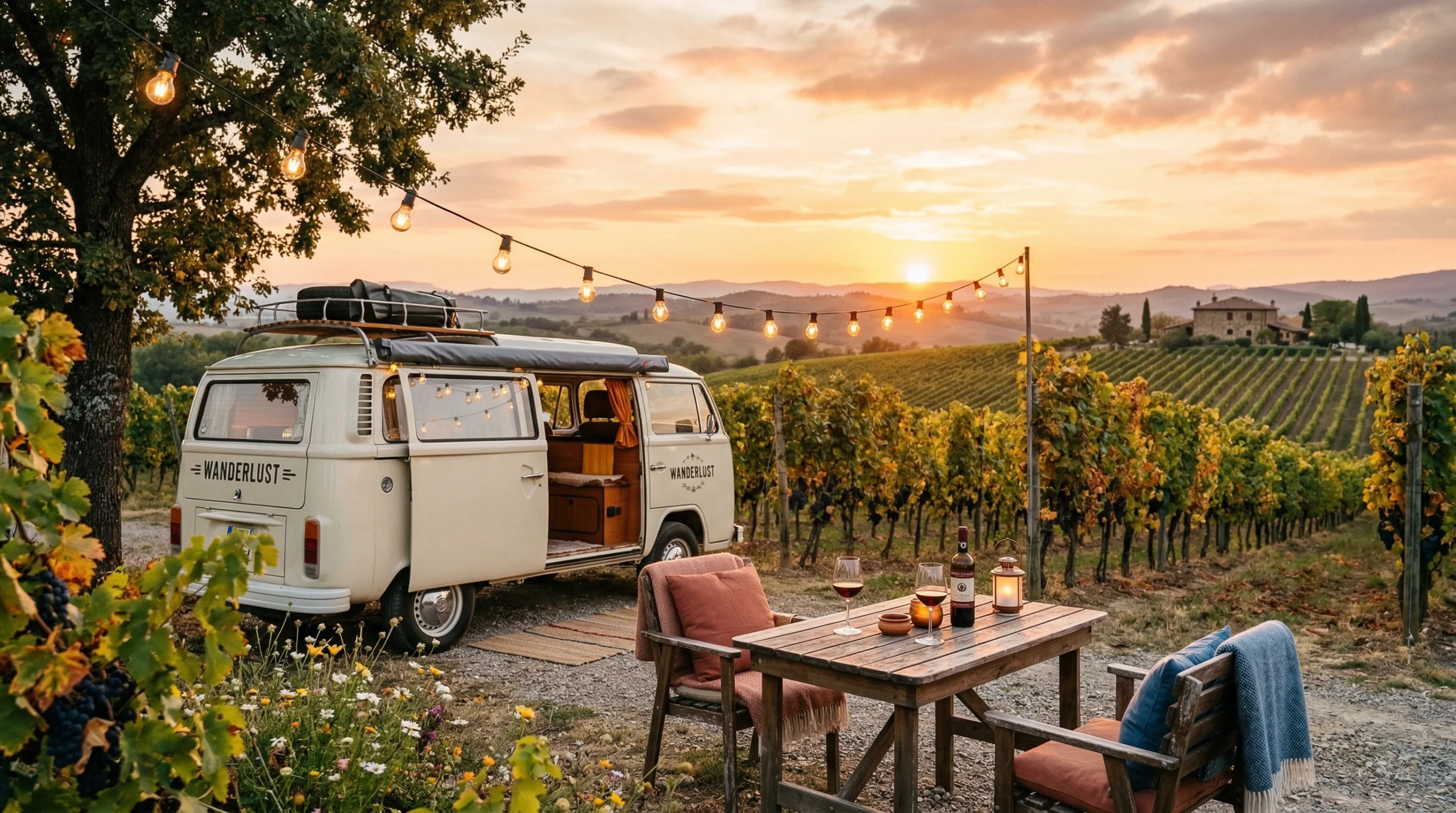
Unique Experiences – Vineyards, Farms, Hipcamp, Boondockers Welcome
If you’re after something memorable, check platforms that connect travelers to private landowners. You might end up camping in a vineyard, on a working farm, or even by quirky roadside attractions. These sometimes offer real local flavor and let you support small businesses along the way. Many of these sites also come with stories or activities, like wine tastings or farm tours. making your overnight stop a highlight of the trip.
Top Things I Always Double-Check Before Committing
- Cell Service: Super important if you’re planning to work remotely, need directions, or want to stay in touch. I always peek at coverage maps ahead of time.
- Reserve vs. First Come, FirstServed: Some campsites are gone by noon if you don’t book in advance. During peak season or holidays, I always make reservations when possible. If I’m more flexible, first come, first served can leave room for happy surprises.
- Ground Conditions: Nobody wants a muddy or rocky tent spot, especially if rain is in the forecast. Recent reviews are helpful here.
- Local Regulations: Campfire bans, seasonal closures, and even wildlife considerations like bear safe food storage pop up in different regions. Checking with local rangers or websites can prevent headaches.
Tips for The Perfect Campsite Experience
After picking a spot, a few small things can upgrade your experience big time. Here’s what I keep in mind:
- Arrive before dark when possible, so setting up is stress free and you can tweak your gear or tent for comfort.
- Pack out all your trash. Even if there are bins, a backup bag is always useful. Some sites run out of space fast, so you never want to be caught without a place for garbage.
- Respect quiet hours, local wildlife, and neighboring campers. A bit of consideration goes a long way to keeping good campsite vibes.
- Have a backup plan if the weather turns rough or the campsite is fuller than expected. Keeping a list of alternative sites within a reasonable drive can save the day.
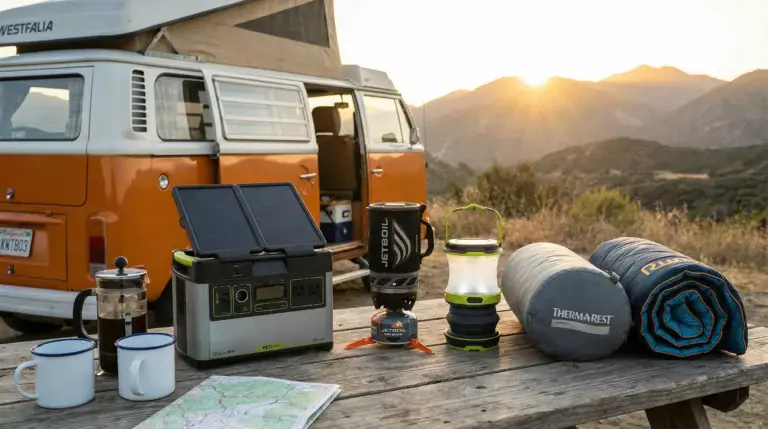
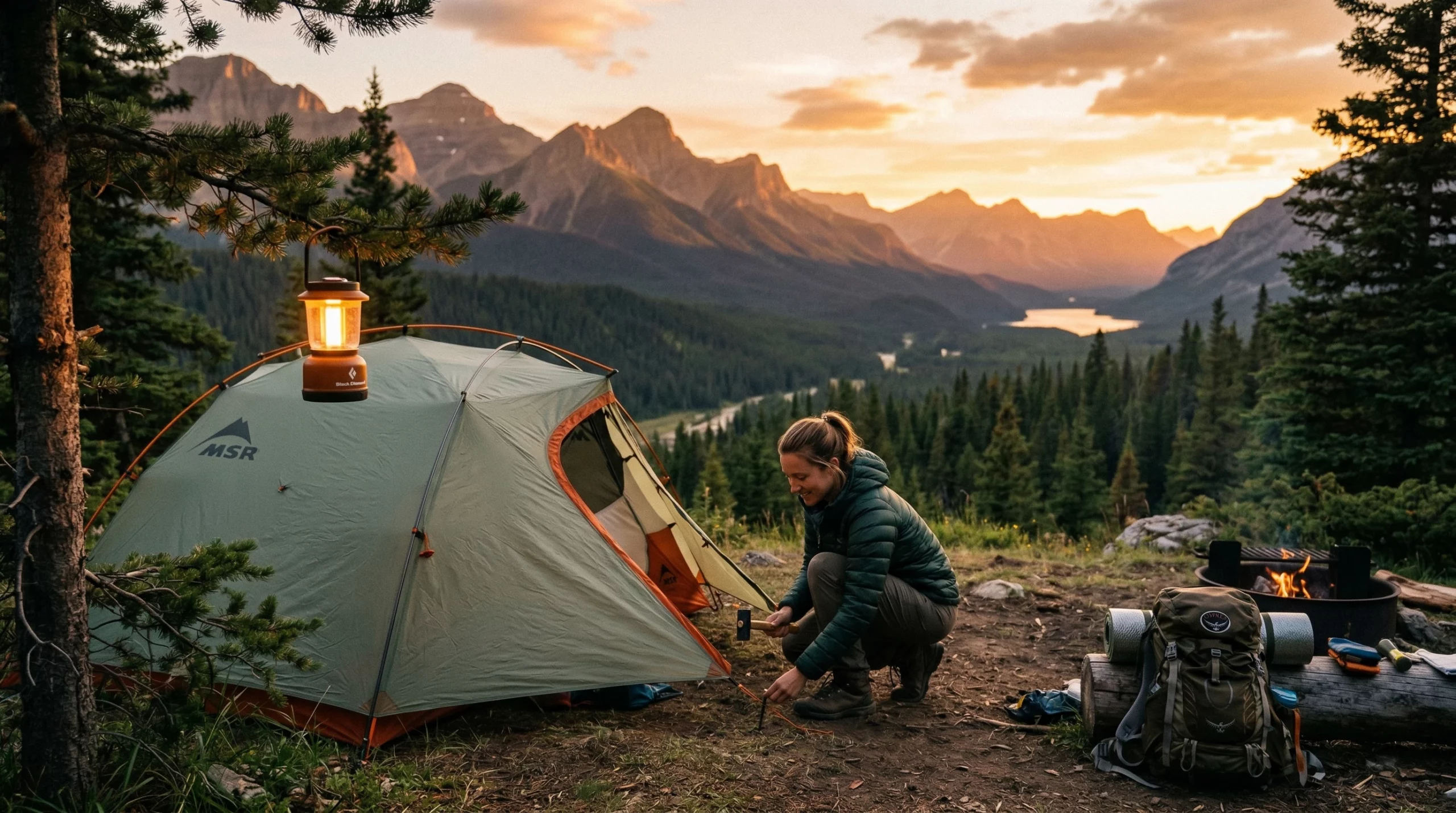
- Bring the right gear for your environment. Having the right setup can make a big difference, especially if you’re camping during a long road trip. Nothing ruins a night like a too-thin sleeping pad or a lantern with dead batteries. Simple extras, like a comfy camp chair or a lightweight hammock, can also make evenings under the stars even better.
FAQ – Road Trip Campsite Edition
How do I find free campsites along my route?
Freecampites.net and iOverlander are great places to start. These feature user generated info on free or super cheap options, mostly on public lands. Make sure you check rules locally, as restrictions can change. It’s also smart to bring a backup printed map if you’ll be in areas with low cell service.
What’s the difference between dispersed camping and campground camping?
Dispersed camping means setting up in a non designated spot, usually without services like toilets or water. Campgrounds have marked sites and usually some facilities. Both have their perks, but amenities and privacy levels differ. If you’re new to dispersed camping, check with the local ranger office for details on where it’s allowed.
Is it safe to camp solo on a road trip?
Generally, yes, especially in maintained campgrounds or popular public lands. Trust your gut. If something feels off, move on. Always let someone know your route, and keep your phone charged for added peace of mind. Packing a small emergency kit and having a safety plan is always a smart choice.
What if a campsite I want is booked?
Check for cancellations frequently, use waitlists, or have a plan B ready nearby. State parks and national forests usually have a few first come, first served sites that only open up day of. It also helps to call the park office and ask about any last minute openings or tips.
Find Your Place Under the Stars
The joy of choosing campsites is in shaping your own adventure, one night at a time. What really matters is matching a place with your style, whether that’s full amenities or just a quiet corner of wild open space.
I always say, a little bit of research and an open mind go further than a perfect plan. The best nights I’ve had camping weren’t just about the spot, but the feeling that unfolded with the adventure.
Pack that adventurous spirit, keep your options flexible, and savor the surprises. That’s what makes road trip camping something worth coming back for, again and again.
Whether you’re a seasoned road tripper or just starting out, remember that flexibility and curiosity are your best traveling buddies.
Dig into maps, roll with changes, and trust your instincts, these habits help turn the ordinary into an eye-catching story. Track down friendly locals or fellow campers for tips, and you’ll stumble upon some hidden gems you might never have found otherwise.
Each trip is a chance to add a few more unforgettable stars to your own sky of camping memories.
Finding great campsites on a road trip becomes much easier once you understand your camping style, plan your route carefully, and research options ahead of time. With a little preparation and flexibility, every stop along your journey can become part of the adventure.
Happy travels!
Bella Hartwell
I’m Bella Hartwell, and I help travelers turn simple drives into unforgettable road trip adventures.
The best kind of freedom starts on the open road.