10 Essential Tips For Planning The Perfect Road Trip Camping Adventure
There’s nothing like a road trip camping adventure for hands-on freedom, epic views, and unplugged living. Whether you’re new to camping on wheels or a seasoned traveler itching for the next adventure, nailing the planning part makes a huge difference between stress and smooth rolling.
When I first started road trip camping, I learned, mostly the hard way, how a little planning can dodge big headaches down the road, from forgotten gear to “where’s the next gas station” panic. Each tip below comes from my own trial-and-error and well-earned wisdom from fellow road wanderers. These moves really shape a road trip camping experience that’s actually fun, safe, and memorable.
So, before you start tossing gear in the trunk and heading down the open highway, here are my top 10 tips for planning the road trip camping adventure you’ll actually remember for all the right reasons.
1. Map Out Your Route, But Keep It Flexible
Mapping your route is pretty handy for dodging long, boring stretches or running out of supplies in the middle of nowhere. Apps like Google Maps, Roadtrippers, and AllTrails are great for laying out your general path, bookmarking must-see stops, and even tracking down hidden gems like waterfalls or quirky roadside attractions.
Quick Route Hacks:
- Pin all campgrounds, fuel stops, grocery stores, and places to refill water.
- Check distances between stops, keeping some days short leaves time for those “pull over and explore” moments.
- Download offline maps. Most wild spots have sketchy service, and offline access saves you from getting lost.
Sticking to a basic plan is important, but leaving wiggle room can turn a good trip into one packed with unexpected adventure. Sometimes, the best experiences happen when you take a side road you hadn’t even considered when you started the day.
2. Book Campsites Ahead, Especially in Peak Season
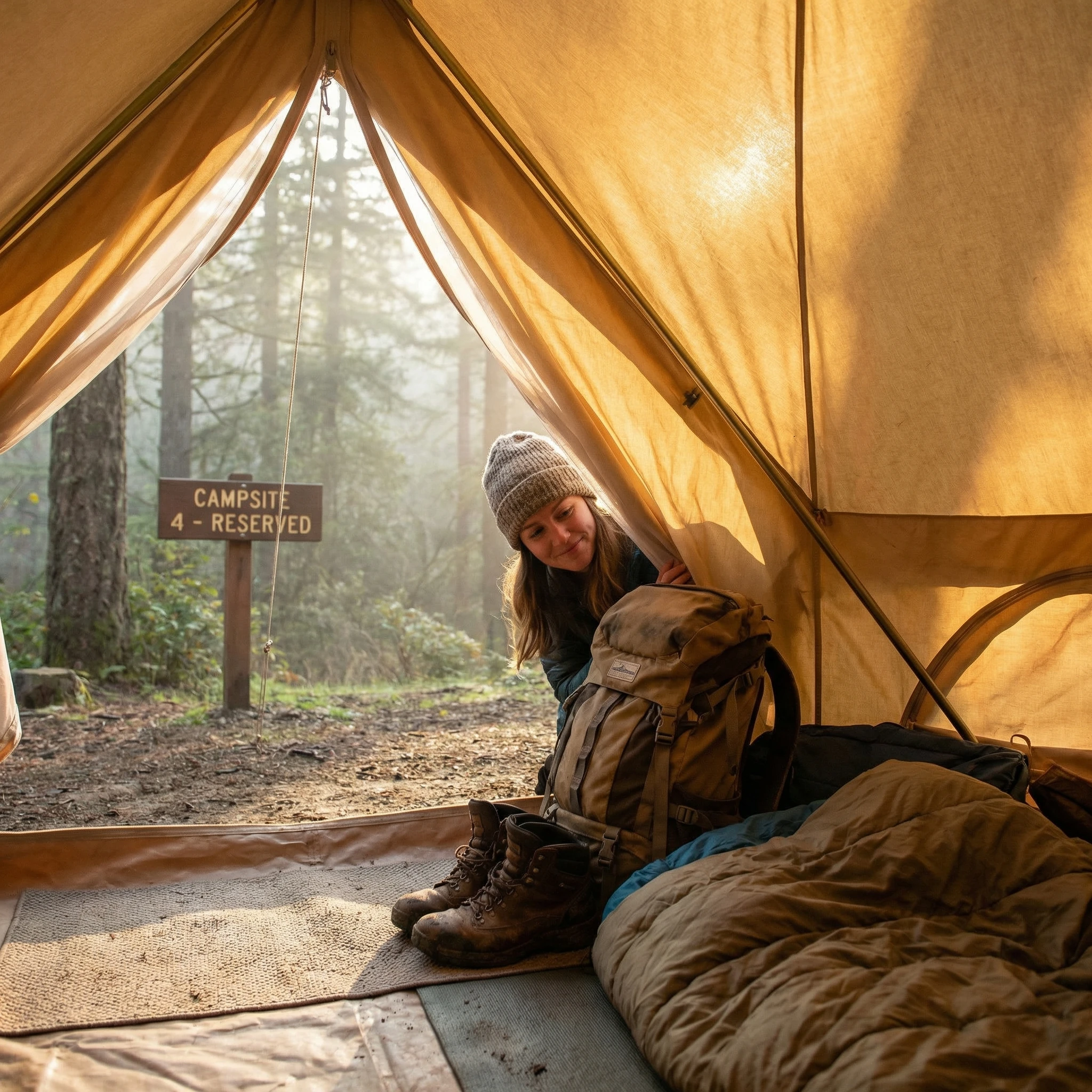
Nothing throws a wrench in your road trip camping dreams quite like rolling up to a full campground by sunset. Reserving your spot ahead of time, especially in busy months, removes the stress of having to scramble for a backup.
- Public sites: Check recreation.gov, Reserve America, or local park sites for availability.
- Private options: Campendium and Hipcamp pretty much have every spot covered, from basic tent pads to quirky yurts you didn’t know existed.
- First-come, first-serve: Have a backup plan for weekends and holidays when competition heats up.
Popular spots fill up fast. Snag those prime camping locations early if you’ve got your heart set on specific views or amenities.
3. Build a Simple Gear Checklist
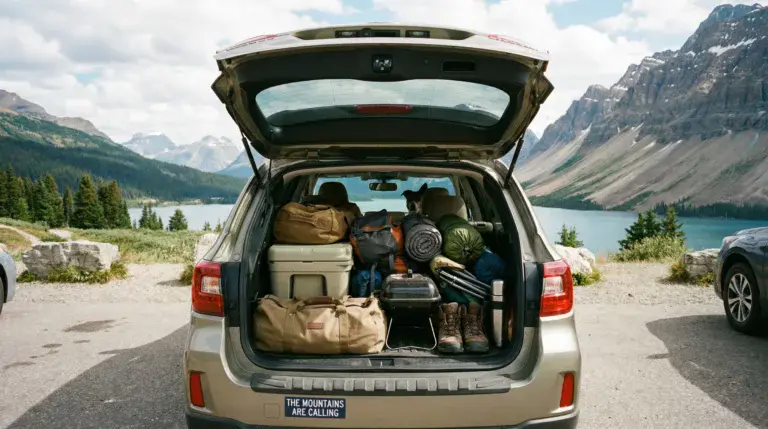
I can’t count how many times I’ve realized I left behind something basic, like a lighter, tent stakes, or coffee filters. A master list saves your bacon and keeps you from packing too much random stuff you’ll never use.
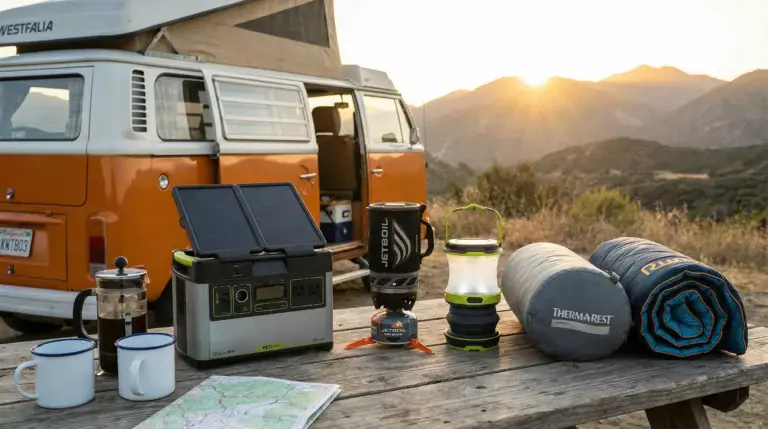
Your Road Trip Camping Essentials:
- Tent, tarp, and stakes
- Sleeping bag and pad
- Camp chairs and portable table
- Cooler or fridge
- Stove, fuel, and lighter or matches
- Cookware, utensils, and reusable dishes
- Headlamp or flashlight (plus batteries)
- First aid kit
- Backup power bank
Adjust your list for the season, your needs, and your likely proximity to stores. For anything you really can’t replace easily, double-check it’s packed before leaving your driveway.
4. Plan Simple Meals and Snacks
Cooking at camp is awesome, but you don’t want every meal to be a project. Plan easy-prep breakfasts, no-cook lunches, and a couple of go-to dinners that keep hangriness at bay when rolling into camp late. This is especially important during trips when daylight hours are short or weather messes with your plans.
- Prep: Chop and freeze veggies or meats at home for speedy cooking.
- Snacks: Keep grab-n-go bars, fruit, jerky, or trail mix up front within reach.
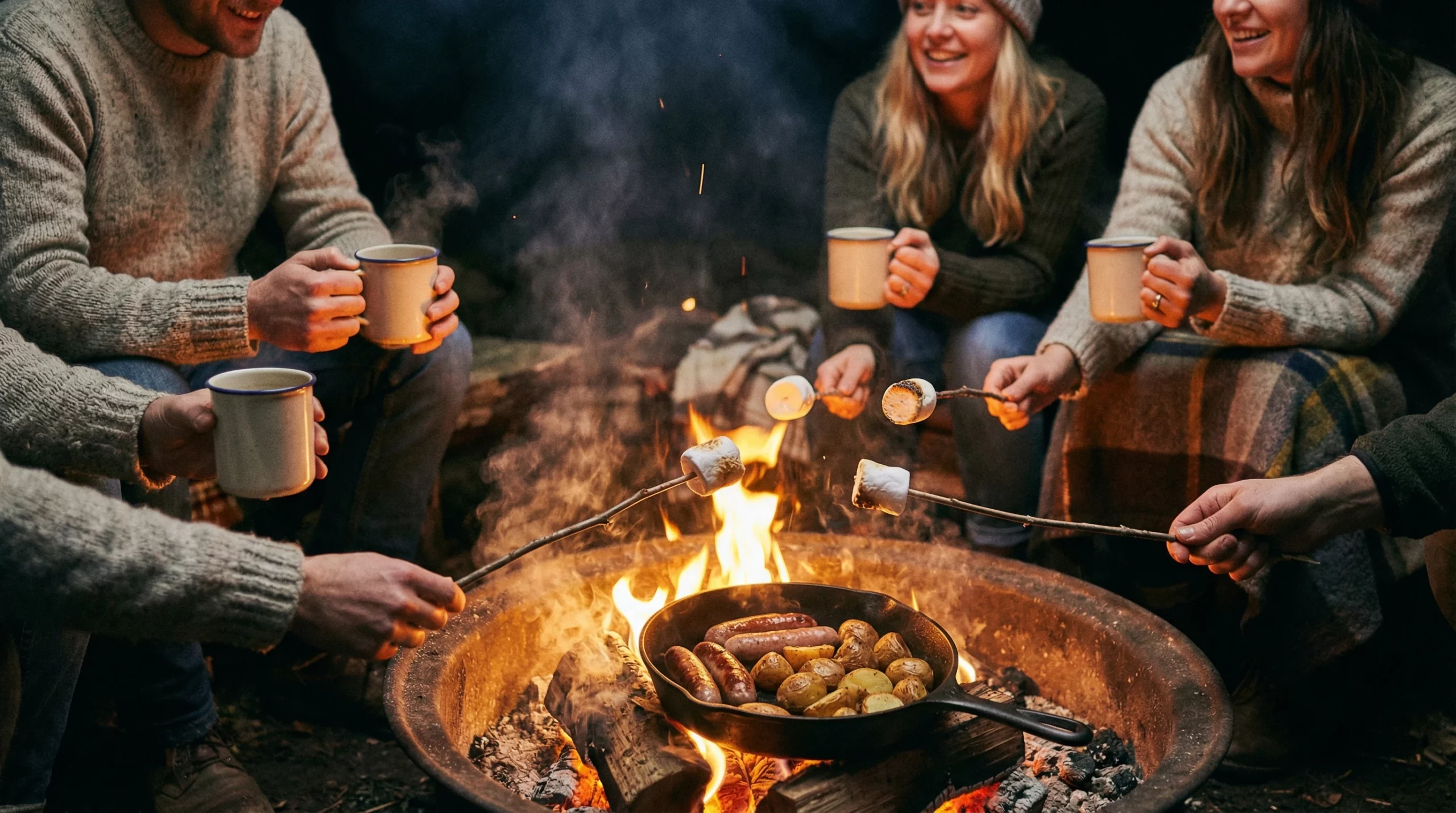
- Special treats: S’mores supplies or your favorite fireside drink are always a mood booster.
Keep your meal plan simple. With less mess to clean, you’ll have more chill time and very little waste. Plus, it gives you time to just sit around the fire and swap stories or make memories with family and friends.
5. Prep Your Vehicle, Don’t Skip This!
Your car or van is basically your lifeline. Giving it a solid once-over before heading out is super important for peace of mind and safety. If you’re traveling with a group, assign someone to double-check the essentials before you hit the road.
- Check oil, coolant, and all fluids. Top off as needed for the route ahead.
- Verify tire tread, air pressure, and don’t forget to pack the spare tire.
- Test all lights, wipers, and brakes to avoid surprises in bad weather or after dark.
- Bring jumper cables, a jack, and a tire repair kit for emergencies.
If you’re tackling rough terrain or long stretches between towns, a quick checkup at your local mechanic only takes a short time and could save major headaches later. Bring an emergency roadside kit for that extra peace of mind.
6. Have a Solid Navigation Backup
Cell signals can disappear in the blink of an eye once you’re in the backcountry. Always bring a dedicated GPS or keep a trusty paper map handy just in case. Offline navigation apps (like Gaia GPS or Maps.me) can seriously save the day when your phone stops working.
- Download maps for your entire region, not just your main route.
- Mark out emergency contacts, main intersections, and nearby gas stations for remote areas.
Tech glitches are part of travel. A quality paper map is a lifesaver if your devices quit or you need help navigating a sudden detour, plus it makes for a fun souvenir at the end of your trip.
7. Know Local Rules and Leave No Trace
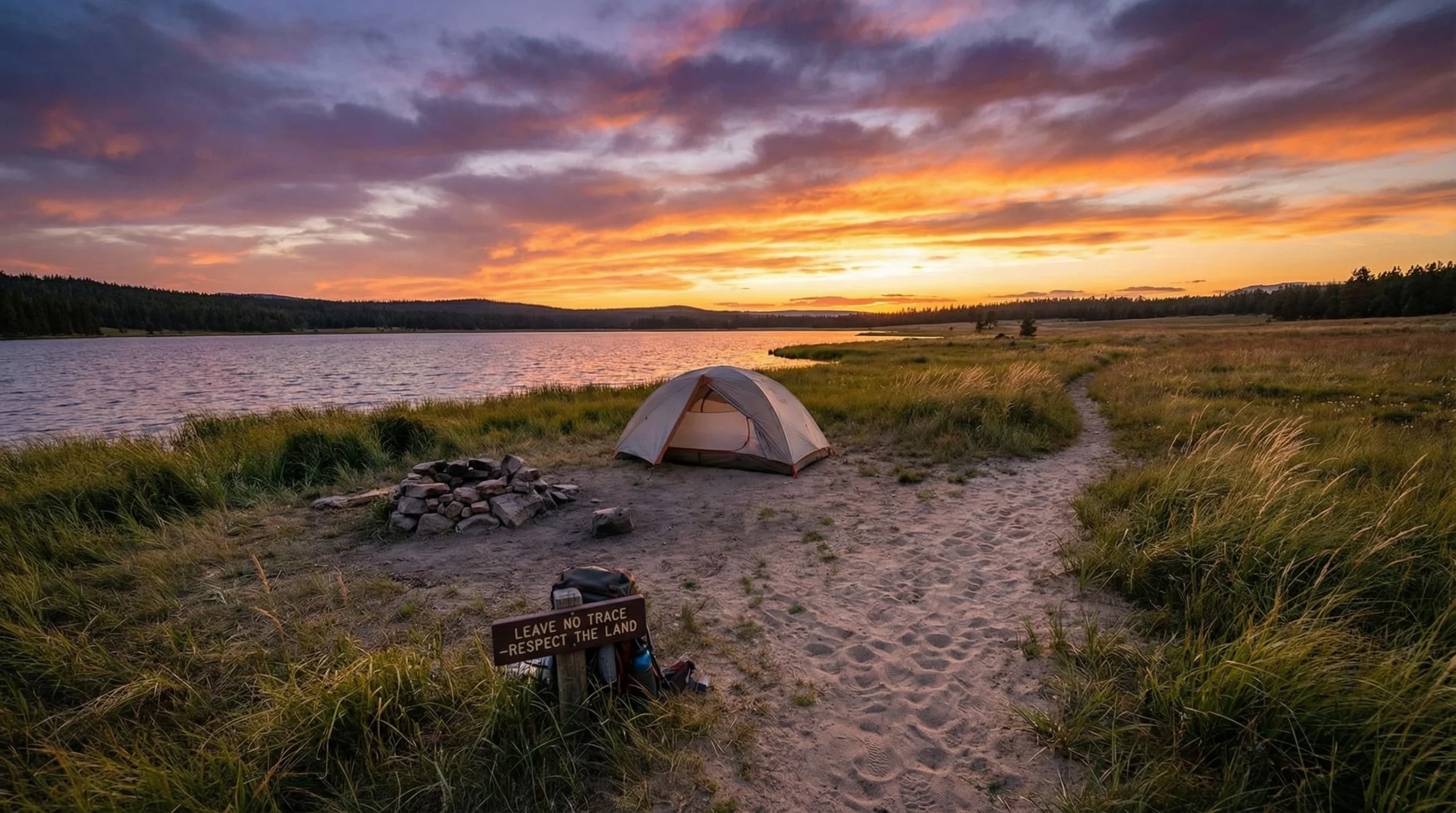
Some parks allow open fires, while others have strict burn bans or unique rules. These can change year by year, especially during droughts, so always check for any restrictions before you roll up. Also, respect wildlife and neighboring campers by following Leave No Trace guidelines, every single time.
- Pack out all your trash, even food scraps and toilet paper.
- Use existing fire rings and only set fires where they are allowed by authorities.
- Stick to established trails and designated camp spots, help keep nature wild for everyone.
The main goal is to keep wild spaces pristine so we can all keep returning for years to come. A little respect now guarantees epic adventures later on.
8. Prep for Weather, and Pivot Plans If Needed
Weather during a road trip camping trip can switch up quickly from sunny to stormy. Always check extended forecasts and have backup shelter plans or alternatives if things don’t go as planned. Being ready for weather surprises is honestly just part of the fun.
- Pack quick-dry clothes, solid rain jackets, and extra socks for emergencies.
- Keep a list of indoor activity options (a classic roadside diner counts!) in case storms crash your outdoor plans.
- Bring a weather radio or use an app with real-time emergency alerts for your entire route.
Smart packing and checking the weather each day help you sidestep soggy mornings or soaked gear so you can keep adventures rolling, rain or shine.
9. Keep Entertainment and Comfort in Mind
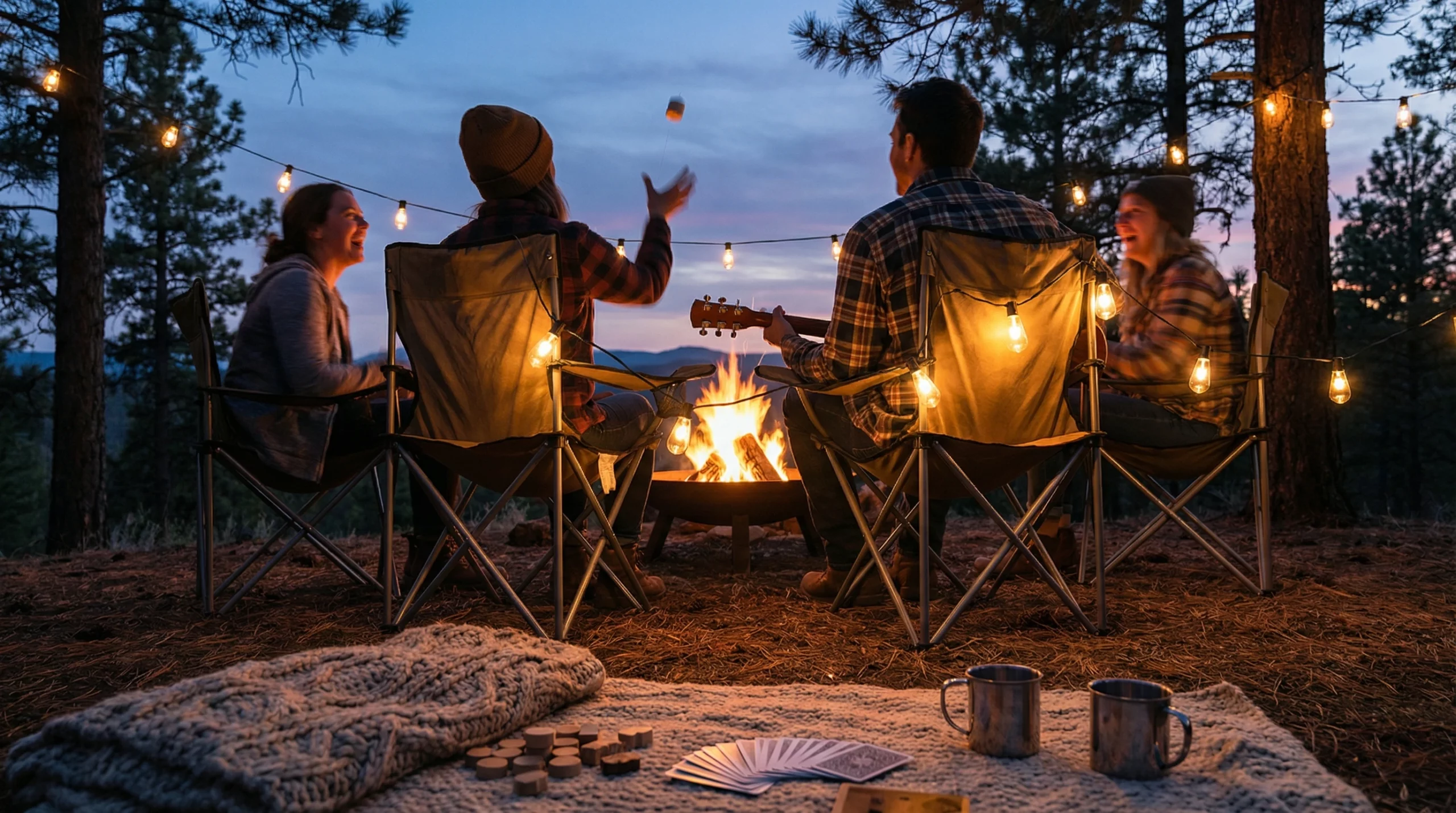
Long stretches in the car can wear on anyone’s nerves, so bring a mix of playlists, audiobooks, or podcasts. If you’re traveling with kids, stock up on games or plan a scavenger hunt. At camp, a frisbee or a deck of cards turns downtime into instant laughs.
- Load up your favorite road trip playlist or download podcasts before you leave cell service behind.
- Pillows, blankets, or a hammock make your camp setup feel like home away from home.
- Pack extra charging cords and a portable power bank so devices keep going on long drives.
The little things can really take your trip up a notch. Trust me, a comfy chair and warm blanket can turn a chilly evening into a cozy memory, and a killer playlist will help the miles just fly by.
10. Safety First, Every Time
Nothing wrecks a road trip camping vibe faster than an avoidable emergency. Triple-check your first aid kit before leaving, and have a clear plan for where to get help, especially if venturing far from civilization. Tell a friend or relative your intended route and check in with regular updates.
- Keep insurance cards, identification, and medications together in a waterproof pouch.
- Always let someone know your basic route and expected time of arrival for safety check-ins.
- If heading off the grid, a basic emergency beacon or satellite messenger can be a real lifesaver.
With a bit of planning, you’ll be able to take it easy and actually soak up the ride, knowing you’re ready for anything that comes up.
Road Trip Camping: Good Vibes and Zero Regrets
Getting everything sorted for a road trip camping getaway means all you have to do is enjoy the fun, not deal with frustration. When I’m on the road, these nuggets of planning let me roll with the unexpected and still find joy in giant roadside dinosaurs or spontaneous detours.
That extra bit of prep pays off with smoother days, more laughs, and plenty of stories you’ll want to tell later. Pack smart, plan ahead, and leave space for the magic. That’s how you pull off a road trip camping adventure you’ll want to repeat, time and again.
If you’re still on the fence about planning your own road trip camping experience, just remember: a bit of up-front work means you’ll be set for fun, safety, and those beautiful camera-roll moments. Check out a few of the tips above and you’ll be well on your way to making camping memories that stick long after the tent’s packed away.
Happy travels!
Bella Hartwell
I’m Bella Hartwell, and I help travelers turn simple drives into unforgettable road trip adventures.
The best kind of freedom starts on the open road.