Road Trip Camping Types: Car, Tent, RV & Wild Camping
Road trip camping is one of those things that totally flips the usual travel routine. It’s about freedom, exploring at your own pace, and having your bed pretty much wherever you park for the night. With choices from car setups to classic tents, comfy RVs, and wilder backcountry nights under the stars, each style of road trip camping comes with its own set of perks and quirks. Here’s a chance to really dig into what’s out there, so you can find the option, or mix, that fits your adventure style.
Car Camping: Simple, Flexible, and Beginner friendly
What it is
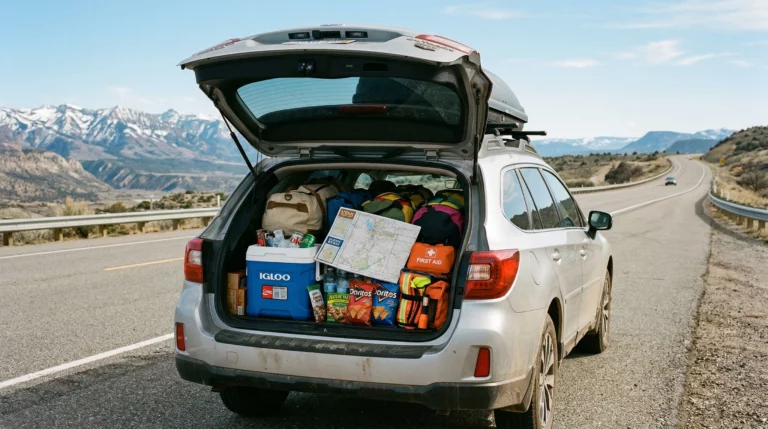
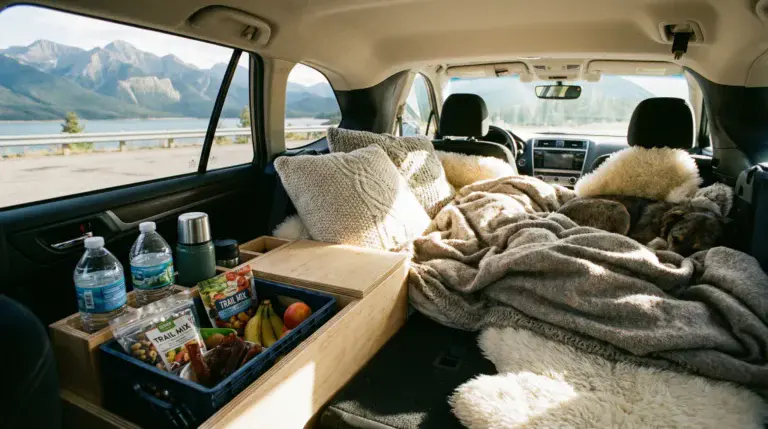
Car camping is literally taking your car and sleeping in it, or sleeping right next to it in a parking friendly area or designated campground. Some folks just fold the backseat down and lay out a sleeping pad, while others go all out with custom setups, curtains, and battery powered fans. Certain dedicated car campers even add foam mattress toppers or blackout window inserts to make things ultra cozy. Modular kitchen kits that slide out from the trunk are also becoming more popular, letting you eat well on the road with minimal fuss.
Best for
Car camping is great for anyone starting out, people who want a low hassle experience, or travelers on a budget. If you’re road tripping to a music festival, national park, or just want to keep things flexible on a threeday escape, this style of camping is super beginnerfriendly. It’s also good for people traveling with pets, since you can keep your furry pals close by throughout the night and easily adapt if they get restless.
Pros
- Cheaper than renting an RV or getting fancy gear
- No need to pitch a tent, just roll up and claim your spot
- Easy to move on if you don’t vibe with the place
- Extra shelter from rain, wind, or chilly nights
- Access to your car means always having your stuff close, and you can lock valuables away for peace of mind
Cons
- Space gets cramped fast
- Not the best for those who toss and turn in their sleep
- Less connection to nature than tent or wild camping
- Condensation can make things feel damp inside
- Finding legal overnight parking can be tricky in some areas, and local regulations can surprise you if you don’t check ahead
What you actually need
- Sleeping pad or inflatable mattress, fit to your backseat or cargo space
- Warm sleeping bag or cozy blankets
- Window covers or makeshift curtains for privacy
- Portable fan in the summer, extra layers in the winter
- Headlamp, snacks, power bank for charging devices
- Small bin for trash, and a bottle or jug for emergencies if you’re far from facilities
Real-life tip
I always crack the windows just a bit for airflow, even in cooler temps. It helps with condensation, and makes sleep way more comfortable. If you’re somewhere buggy, keep a piece of mesh or a purpose made car window screen ready, so you can air out the car without letting critters in overnight.
Tent Camping: Classic and Close to Nature
What it is
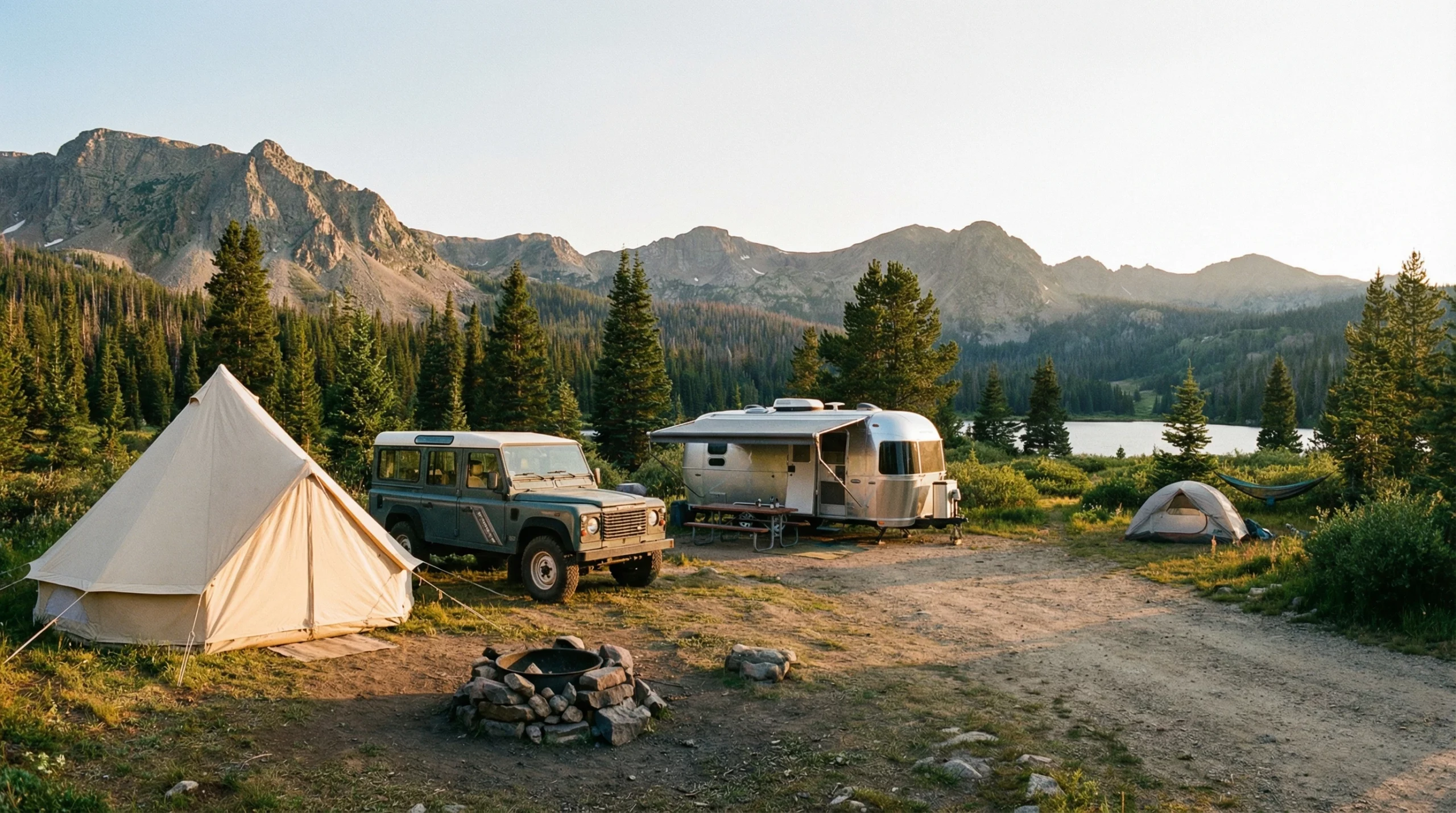
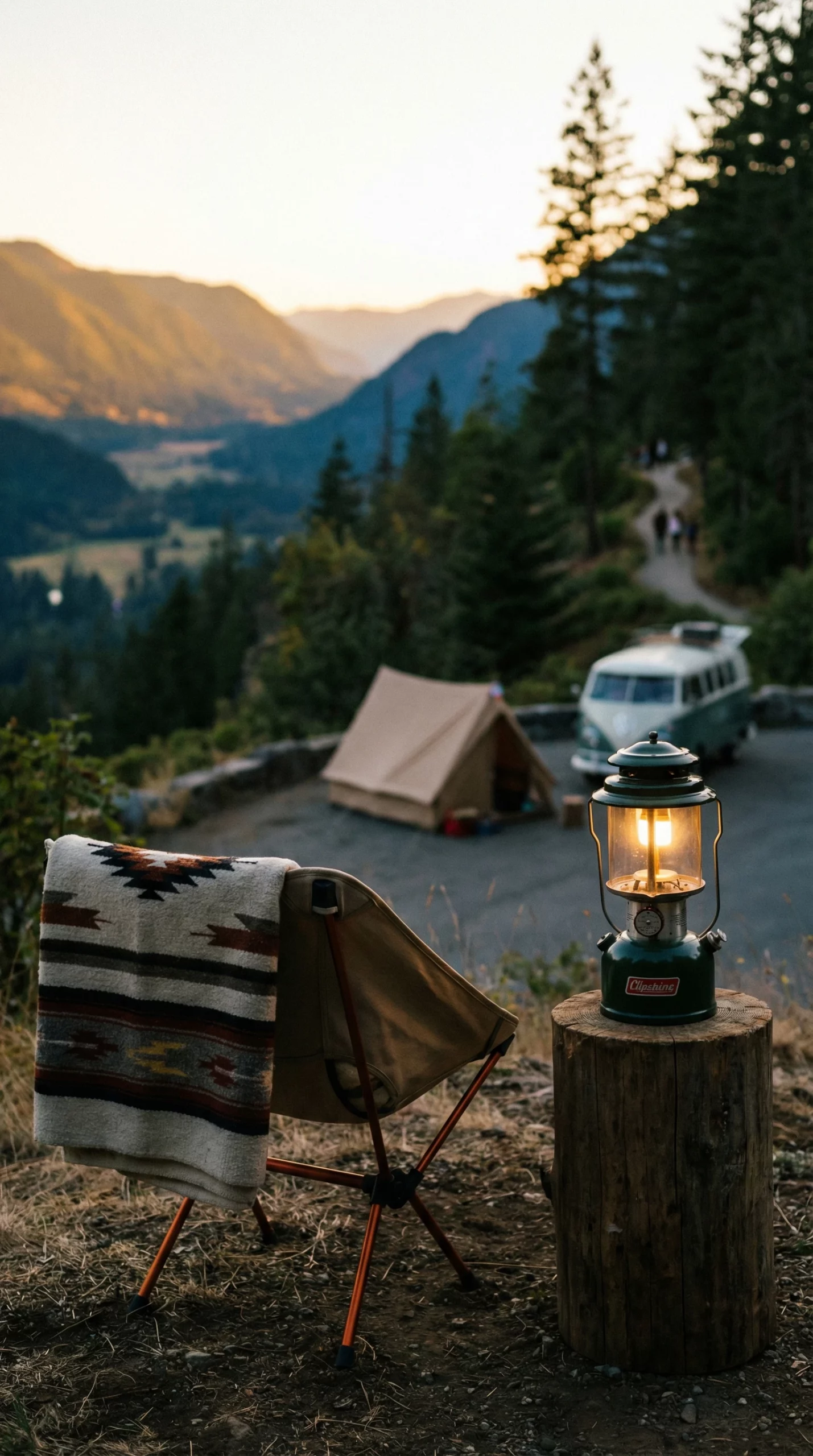
Tent camping is what most folks picture when they think of camping: pitching a tent on the ground, usually at a dedicated campsite or in the backcountry. There’s something really satisfying about falling asleep to the sounds of the outdoors, even if that sometimes means critters rustling nearby. Tent camping also gives you a lot of flexibility with where you stop, especially in parks where vehicles aren’t allowed past a certain point.
Best for
Anyone who wants that classic outdoor vibe, likes to feel a bit more connected to nature, or who’s traveling to places where vehicles can only go so far. It’s a top pick for national parks, forests, or hidden gems that are just off the main road. Solo travelers and couples especially tend to love tent camping for the intimacy and adventure, while groups can set up simple tent villages for social nights around the fire.
Pros
- Super adaptable. Tents work almost anywhere you’re allowed to camp
- Lightweight options are easy to pack
- Way more immersed in the environment than car or RV camping
- Usually affordable compared to hotel stays
- Many campgrounds include nearby amenities like restrooms, showers, and picnic tables
Cons
- Setting up and breaking down takes time, sometimes it rains just as you’re unpacking… classic move, weather
- Less protection from weather and bugs
- Using a campground means you might have neighbors a few feet away
- Comfort depends a lot on your gear, thin sleep mats can mean rough mornings
- During peak seasons, popular tent sites can get booked fast, so planning ahead helps
What you actually need
- Tent, doublecheck it’s got a rainfly!
- Sleeping pad or inflatable mat
- Sleeping bag suitable for the lowest temps you’ll face
- Headlamp or lantern, bug spray, and a basic camp chair
- Cooking gear if you’re planning to make meals: stove, pot, spork, etc.
- Compact first aid kit and quick drying towel, since you’ll be out in the elements
Real-life tip
I always bring an extra ground tarp to go under the tent. It keeps things dry if the ground is wet and protects your tent floor from rocks or roots. Makes a difference in how cozy you feel and how long your tent will last. Packing earplugs isn’t a bad idea either, especially in campgrounds where neighbors can be loud after dark.
RV Camping: Comfort on Wheels
What it is
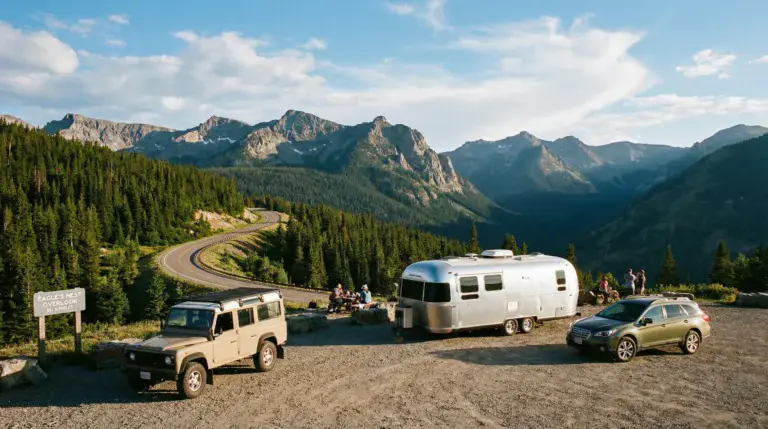
RV camping gives you a mini home on wheels. Whether you rent or own, you’ll have a bed, kitchen, bathroom, and seats ready to go, often in one tidy box. RV parks and some campgrounds have spots with hookups for water, electric, and sewage, so you get a lot of creature comforts without needing to fully “rough it.”
Best for
Road trippers who like the idea of longer journeys without living out of a backpack. RV camping is perfect for families, groups, or anyone wanting to skip sleeping on the ground entirely. It’s also popular with remote workers and retirees exploring at their own pace.
Pros
- Homey amenities: private toilet, real bed, fridge
- Great for longer trips or road trips in unpredictable weather
- Space for pets, kids, or extra gear
- Less hassle packing up every day
- Ideal for digital nomads or people wanting a consistent place to work or relax indoors
Cons
- Rental or fuel costs can be steep
- Not as adventurous, some say it feels a bit like bringing your house with you
- Driving and parking can be tricky in cities or tight campgrounds
- Some campgrounds require reservations, especially in high season
- Maintenance is required: checking tire pressure, water tanks, etc.
What you actually need
- RV, rented or owned, stocked with bedding, kitchen basics, and cleaning supplies
- Power adapters if you’re using campground hookups
- Leveling blocks to keep the RV stable on uneven ground
- Water hose and sewer kit for hookups
- Foldable camping chairs for outside relaxing
- Extension cord, surge protector, and a toolkit for minor fixes
Real-life tip
Before your first big RV trip, practice driving and parking somewhere quiet. Highways are easy compared to squeezing into a packed RV park after dark! Having a checklist for setup and breakdown is also super useful. It prevents you from driving off with your door open, I know from experience. Don’t forget to routinely double-check your propane, water, and waste tank levels to avoid headaches midtrip.
Wild Camping: Freedom, With Responsibility
What it is
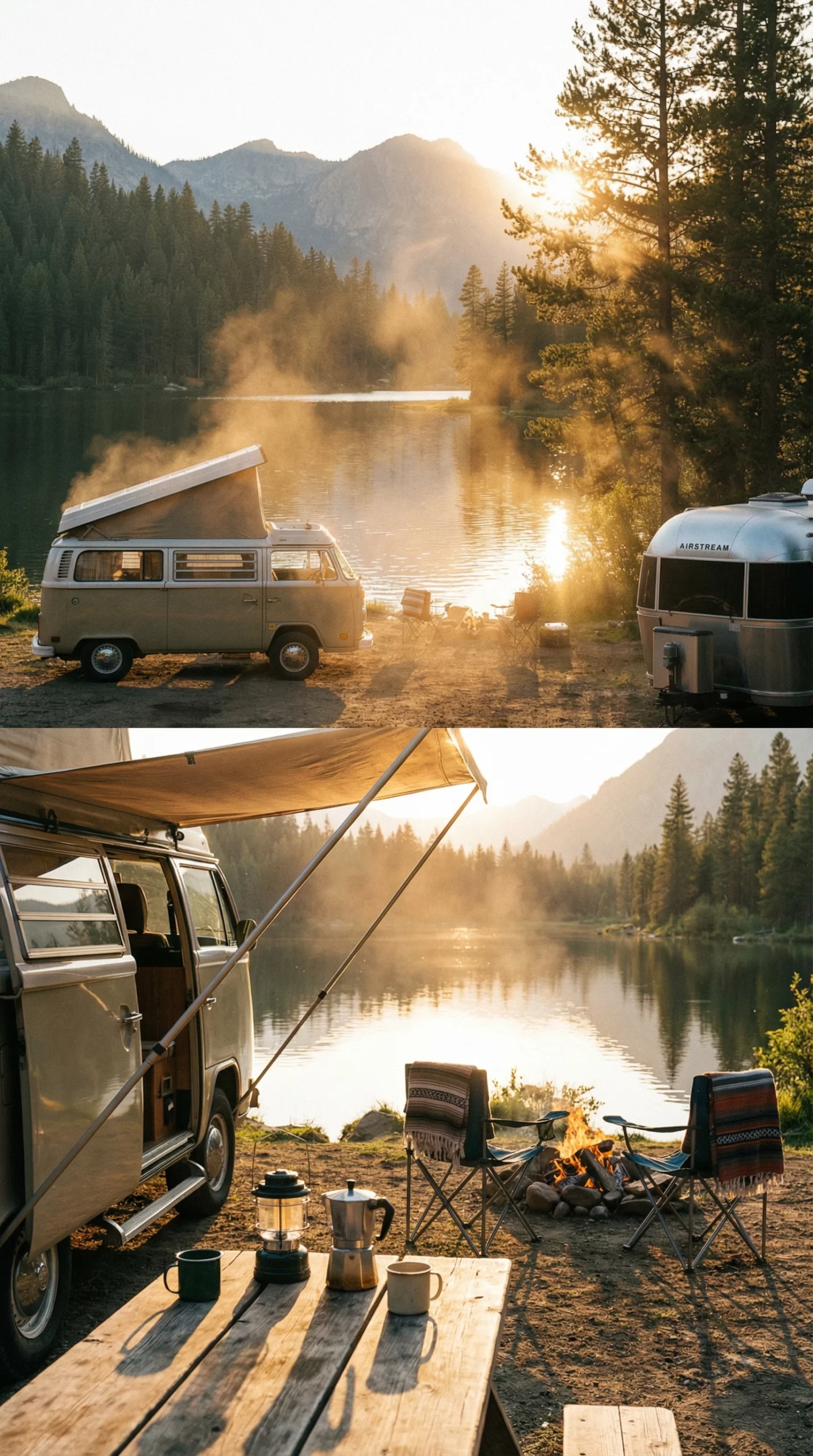
Wild camping, sometimes called “dispersed camping”, is all about finding your own spot outside established campgrounds. It’s usually done on public land, like national forests or BLM areas in the US, where camping is allowed but services are minimal or nonexistent. You pick a spot, set up your tent, or sleep out under the stars, and pack out everything you brought with you. Unlike other camping methods, you’ll need to be more self reliant, as there’s no guarantee of nearby help, and making sure you’re following local guidelines is crucial.
Best for
Adventurers who crave total solitude, have some camping experience, and are comfortable being far from help or amenities. Wild camping is pretty rewarding when you want space all to yourself or to experience true wilderness. Star gazers, photographers, and anyone seeking a sense of complete escape gravitate toward wild camping. It’s a way to hit pause on daily life and really get a sense of the landscape.
Pros
- Privacy and quiet: no neighbours, no reservations
- Many of the most beautiful spots are only accessible this way
- No campground fees in a lot of places
- You choose your view every night
- Unforgettable sunrises and sunsets with zero crowds
Cons
- Zero amenities: no toilets, running water, or trash bins
- You need to know the rules, some places prohibit camping or have fire bans
- Wild animals are a real possibility
- It’s easy to leave a trace, responsibility for the land is huge
- Weather changes can be sudden, you need to be prepared for anything
What you actually need
- Backpacking tent or bivvy sack
- Sleeping bag, sleeping pad, and extra warm clothes
- Bear canister or food storage system to keep critters away
- Water filter or purification tablets, don’t count on finding clean water sources
- Leave No Trace kit: trash bags, trowel, biodegradable soap
- Satellite messenger or GPS if you’re exploring more remote areas
Real-life tip
Even if you’re tired, always check for signs of previous campers, like fire rings or packeddown ground. Setting up in a used spot protects the rest of the area. I also check for widow makers, dead branches above, before putting down my gear. Wild camping’s big reward: sunrise with nobody around but the birds. Take a few minutes before leaving to walk the area and scan for anything you could have left behind, the best wild campers leave their site looking untouched.
My Take: Mixing Camping Styles on One Road Trip
I’m a big fan of switching it up. On any given road trip, I might start with car camping for its convenience on longdrive days, move to a classic tent setup when I hit a state park, and then find an RV rental to recharge in real comfort for a couple nights. If I get the urge, and conditions look good, I’ll check out wild camping for a night or two. Usually somewhere a little offgrid and eye-catching. Mixing up the styles helps fight camping fatigue, keeps things interesting, and widens the range of places where I can stay. There’s something next level cool about having all the options open, and not being stuck to a single way of exploring.
Don’t overlook the value in planning a rest day or two if your ride is long. Local diners, quirky roadside stops, and trailheads you stumble upon while traveling all add to the overall adventure. Sometimes the best moments happen during the breaks, not just during the main event.
Find the Style That Fits, Then Make It Your Own
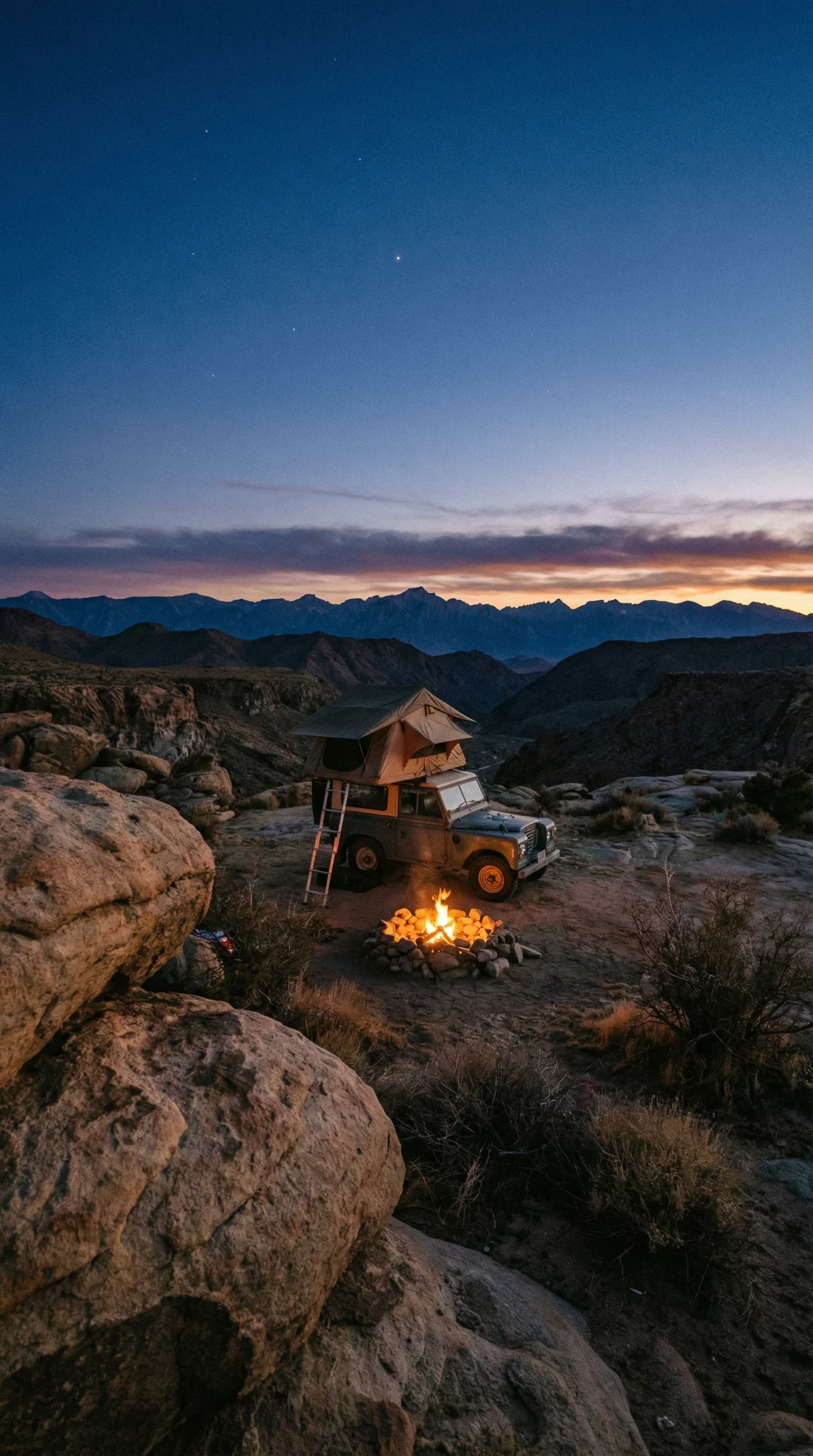
Road trip camping isn’t about following one set of rules. It’s about exploring, staying comfortable, or sometimes a bit uncomfortable, and crafting a trip that feels like your own adventure. I find that trying a mix of camping types is the best way to figure out what actually works for you. Some people crave that wild night under the stars, others just want a cozy bed on wheels. The best trip is the one you’ll remember with a grin, so start with what feels manageable and tweak it as you go. No wrong answers here, just miles of road and plenty of places to wake up somewhere new.
Above all, remember to leave every spot better than you found it, respect local rules, and keep an open mind. Every road trip is a chance to set your own pace and check out fresh experiences. Time to roll!
Happy travels!
Bella Hartwell
I’m Bella Hartwell, and I help travelers turn simple drives into unforgettable road trip adventures.
The best kind of freedom starts on the open road.