Camper Van Road Trips: 15 Pros & Cons You Need to Know Before You Go
Camper van road trips combine transportation, accommodation, and flexibility in a single setup, allowing travelers to move freely without relying on hotels. They can reduce travel costs and provide closer access to nature, but also involve trade-offs such as limited space, maintenance concerns, and planning challenges that may not suit every travel style.
Waking up next to a lake, making coffee in your van, and driving wherever you want sounds like the perfect road trip.
But camper van life isn’t always as easy as it looks. There are perks and drawbacks, costs to think about, and a lifestyle that’s a bit unique.
In this guide, I’ll break down the real pros and cons of camper van road trips, based on experience, so you can decide if it’s right for you.
TL;DR: Camper Van Road Trips
Camper van road trips are amazing for freedom, adventure, and connection with nature, but require preparation, flexibility, and a willingness to embrace small inconveniences.
- Freedom & Flexibility: Travel anywhere, change plans on the fly, and wake up surrounded by nature.
- Comfort & Convenience: Sleep on your own bed, cook your own meals, and keep all your gear in one place.
- Cost Savings: Avoid hotel and restaurant costs; campsites and parking are often cheaper.
- Challenges: Limited space, minimal privacy, maintenance risks, weather dependency, and parking restrictions.
- Planning Tips: Choose the right van, pack smart, map out campsites, check insurance, and practice driving.
- Best For: Slow travelers, nature lovers, and those who enjoy van life community and off-the-beaten-path adventures.
- Not Ideal For: Luxury seekers, short weekend trips, or large travel groups.
Is a Camper Van Road Trip Worth It?
Camper van road trips are worth it for travelers who value flexibility, nature, and cost savings, but they may not suit those who prefer comfort, space, or short trips.
Camper van travel often looks effortless online, but the reality includes daily problem-solving, finding water, managing waste, and adapting to weather. The experience is rewarding, but not always as simple as it appears on social media.
Benefits of Camper Van Road Trips
The main benefits of camper van travel include flexibility, cost savings, and convenience. Travelers can avoid hotel bookings, cook their own meals, and stay in scenic locations. It also simplifies logistics since everything is in one place, making it ideal for long-term and nature-focused road trips.
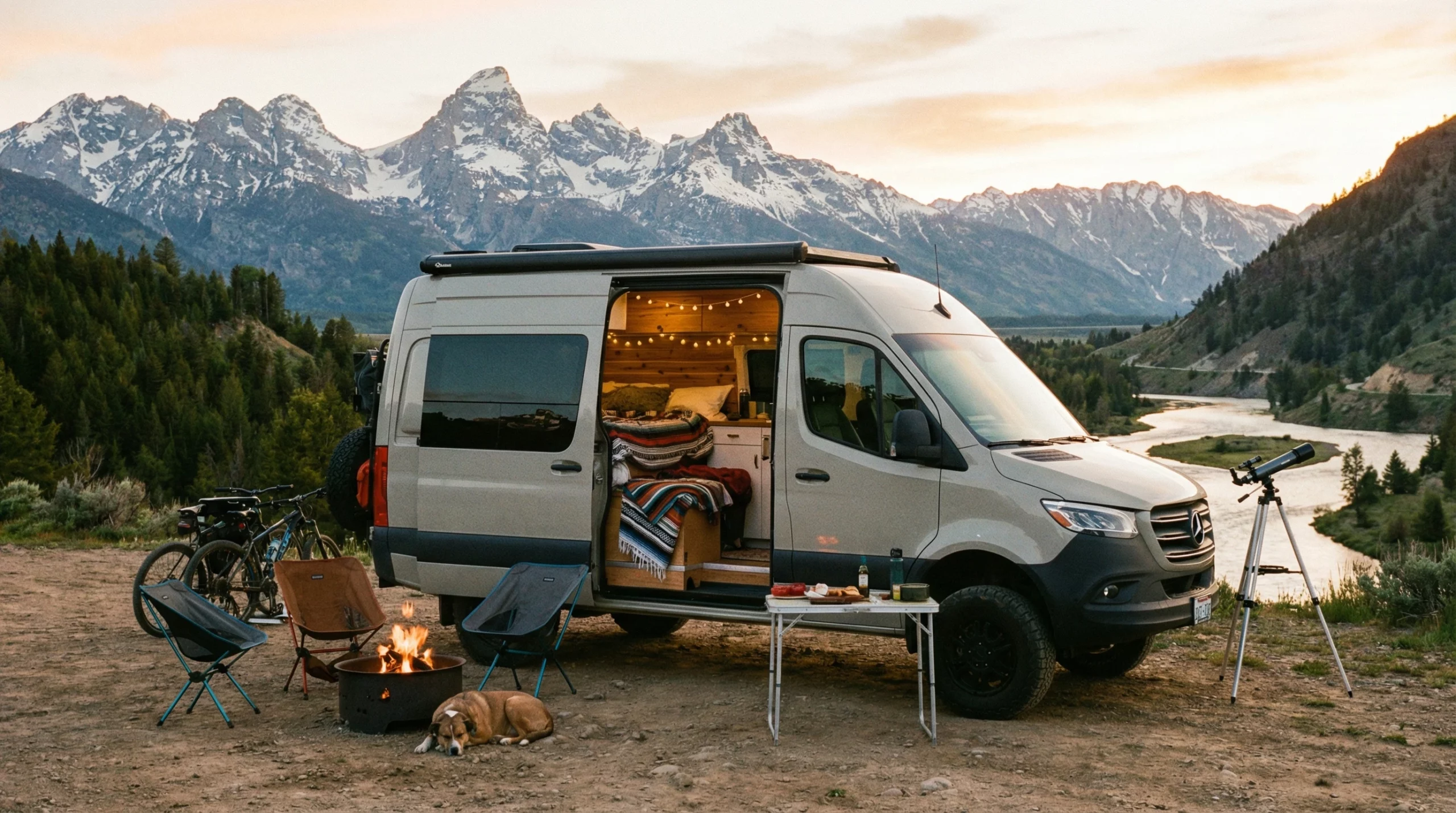
Camper vans have seen a rise in popularity over the past few years. Social media has definitely helped, with so many eye-catching shots of sunsets, mountain views, and the open road, all from the back doors of a van. Beyond looking cool, traveling by camper van actually brings a bunch of real-life conveniences and experiences.
Unlike standard road trips, where moving between hotels or tents becomes routine, camper vans deliver a unique mix of comfort, flexibility, and adventure. The van life movement is actually pretty broad, ranging from weekend getaways all the way to full-time living.
There’s a whole community out there sharing ideas and spots to check out, and some businesses even offer van or RV rentals if you want to test it out before committing to buying or converting one. Plus, the camplife lifestyle lets you stumble upon those off-the-beaten-path places that regular travel might miss, which can make every trip extra memorable and engaging.
My Experience With Camper Van Road Trips
After several camper van road trips across Norway’s fjords, Sweden’s countryside, and parts of Central Europe, I’ve experienced both the highlights and the challenges of van life firsthand. Most of my trips lasted between 1 to 3 weeks, which gave me enough time to really settle into the rhythm of living on the road.
I’ve traveled in both smaller camper vans like a converted Volkswagen Transporter and larger vans like a Ford Transit with a full camper setup. Each type came with its own pros and trade-offs, smaller vans were easier to drive and park, while larger ones offered more comfort and storage.
These experiences, along with conversations with other van travelers I’ve met along the way, have shaped the insights I’m sharing in this guide.
Join Road Voyagist
Subscribe to Road Voyagist and get updates on the latest posts, trip tips and more from Bella of Road Voyagist straight to your inbox.
Upsides of Using a Camper Van for Road Trips
There are probably more upsides to camper van travel than you might expect. I’ve outlined the major points that really stand out from my own experience and from chatting with lots of other road trippers.
- Flexible Travel and Freedom on the Road: Plan changes on the fly are way easier when your bed and kitchen travel with you. There’s no worrying about hotel check-ins or finding restaurants at odd hours.
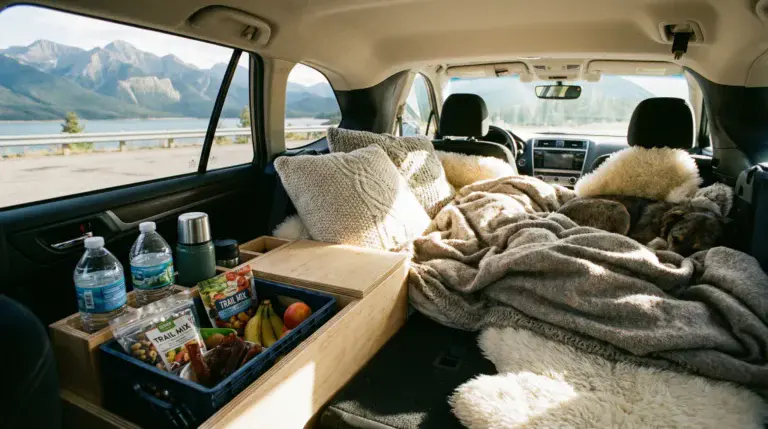
- Comfort and Convenience While Traveling: Sleeping on your own mattress and eating food you prepped yourself is a game changer over time, especially if you have dietary restrictions or just enjoy a cozy setup.
- Save Money on Hotels and Food: If you’re road tripping often, you can save quite a bit on hotels and restaurant meals. Campsite or parking fees are usually cheaper than hotel rooms, and many spots let you park for free overnight.
- Explore Nature Up Close: Living out of a camper van means you can camp in the middle of beautiful spots, right at the trailhead, beside a lake, or deep in a forest. The best views don’t come with an extra price tag and waking up surrounded by nature never gets old.
- Everything You Need in One Place: It’s pretty handy not to have to unpack and repack constantly. All your gear stays in one place and you can keep things set up exactly how you like them.
- Meet Other Travelers and Join the Van Life Community: The van life community is pretty friendly! Meeting other travelers at campsites or parking areas can lead to trading tips, stories, and sometimes even new friendships. Camplife also means you might get invited to those little campfire gatherings or group hikes that make the whole ride extra special.

Challenges and Downsides of Camper Van Life
Camper van travel comes with challenges such as limited space, lack of privacy, and dependence on weather conditions. Maintenance issues can disrupt trips, and finding legal parking or facilities may require planning. These factors make van life less suitable for travelers seeking comfort or predictability.
It’s not all sunny mornings and lakeside coffee. There are plenty of challenges with van travel, and being aware of those up front can save a lot of stress.
- Limited Space and Storage: Unless you’re in a giant van, storage can run out quickly. Staying organized gets tricky, especially on longer trips or if more than two people share the space. Sometimes you discover you just have too much stuff, so it’s worth rethinking every item you bring.
- Privacy Challenges on the Road: In busy campgrounds and rest stops, a van doesn’t give you the privacy, or the soundproofing, of a hotel room. Even with window covers, things feel a bit exposed sometimes.
- Maintenance, Breakdowns, and Safety: Your van is your home and transport, so issues are a big deal. If something breaks down, you can get stranded far from help. Keeping up with regular maintenance is super important to keep trips on track. Always double-check your fluid levels, tires, and essential systems before hitting the road.
- Weather Can Impact Your Trip: Extreme heat, cold, or rain can make living in a van uncomfortable or even impossible in some cases. Without proper insulation or heating, the weather outside often decides what you can and can’t do, so choosing the right season matters a lot.
- Parking Rules and Legal Considerations: Overnight parking rules vary a lot, so finding trustworthy information is a must. Some towns and cities don’t allow street camping, and campgrounds fill up quickly during busy seasons. It pays to check online forums or local websites before you arrive.
- Limited Access to Showers and Bathrooms: Unless your van comes fully loaded, you might have to hunt down showers, toilets, and places to dump waste or refill water. It’s not always glamorous, and public restrooms or truck stops become important. Investing in a few portable solutions can add comfort if you’re planning an extended adventure.
For example, while traveling through Norway, I found that overnight parking rules varied a lot depending on the area. Some scenic spots allowed overnight stays, while others had strict restrictions, which made advance planning more important than expected.
| Pros | Cons |
|---|---|
| Total freedom | Limited space |
| Lower costs (sometimes) | Maintenance risks |
| Nature access | Weather challenges |
| Flexible schedule | Limited facilities |
What Surprised Me Most About Camper Van Travel
One of the biggest surprises on my first camper van trip was how quickly small inconveniences added up. Things like condensation inside the van, constantly reorganizing gear, and finding legal overnight parking took more time and energy than expected.
On the flip side, I didn’t expect how easy it would be to disconnect and slow down. Waking up in quiet, remote places and having full control over my schedule became the highlight of the experience.
Common Camper Van Mistakes to Avoid
A common mistake is overpacking. In a small space, every item matters, and clutter builds up fast. Another issue is underestimating how often you’ll need to find water, bathrooms, or places to park overnight.
Many beginners also plan routes that are too ambitious, leading to more driving than enjoying. Slowing down and keeping plans flexible usually leads to a much better experience.
How to Plan Your First Camper Van Road Trip
Planning a camper van road trip involves choosing the right vehicle, packing essential gear, mapping campsites, and ensuring proper insurance. Practicing driving and preparing for limited facilities are also important. Proper planning helps avoid common mistakes and makes the experience smoother and more enjoyable.
A little upfront work goes a long way when using a camper van for the first time. I’ve pulled together a step-by-step list that smooths out the process whether you’re renting, borrowing, or buying your adventure rig.
- Choosing the Right Camper Van for Your Trip: Consider your group size, comfort needs, and whether you’re into driving off road. Classic conversions like a Sprinter or Transit offer lots of headroom and space to move around, but smaller vans are easier to drive and park, especially in cities.
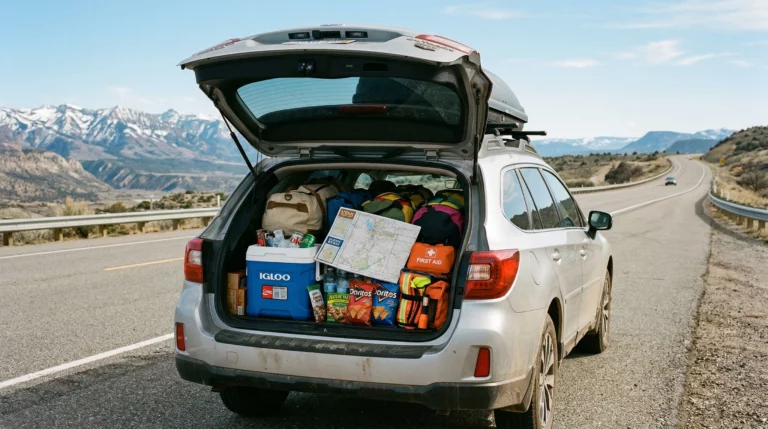
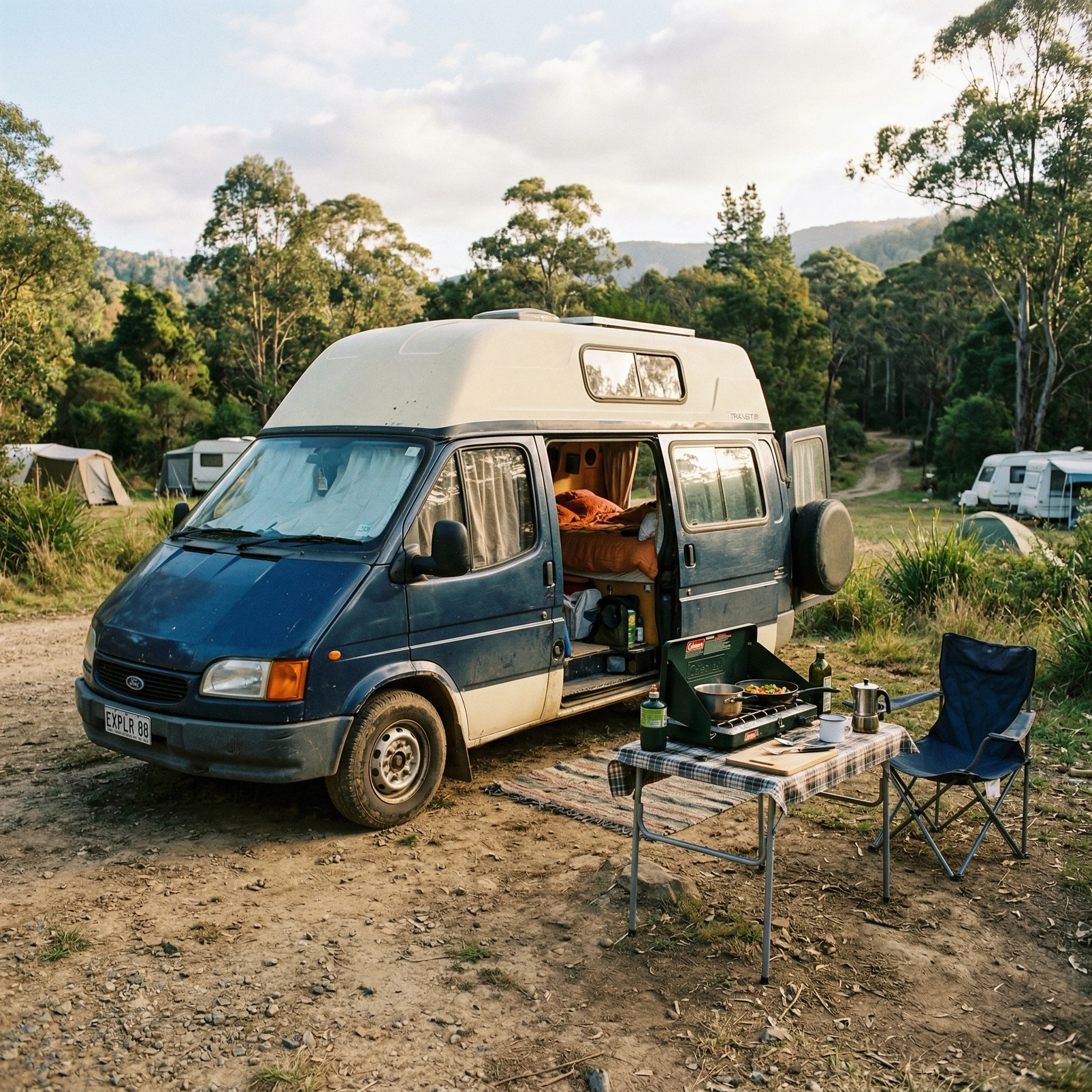
- Packing Essentials for Camper Van Travel: Make a checklist of the basics: sleeping gear, clothes, kitchen stuff, emergency kit, and a basic tool set. Don’t forget charging cables for electronics and, if off grid, a solar setup or extra batteries. Pack a small first aid kit and any must-have items like headlamps, comfy camp chairs, or your favorite snacks to make the trip feel more like home.
- Finding Campgrounds and Parking Spots: Use apps or websites for campground reviews, legal overnight parking, and dump stations. Write down backup options in case a site is full or unexpected weather pops up. Having a paper map or an offline digital map is a lifesaver when your phone signal drops in remote areas.
- Insurance and Safety Tips for Van Trips: Make sure you’ve got insurance that’ll cover breakdowns. Some van rentals also include roadside assistance which is worth having. Don’t overlook things like travel insurance if you’re going far from home, and have the policy numbers handy just in case.
- Driving and Parking Tips for Beginners: Large vans handle way differently from regular cars. Take a practice run to get comfy with the turning radius and blind spots. Also get a feel for backing up or parallel parking, especially if you’ll be heading into city areas or tight campgrounds.
One morning, I woke up parked next to a quiet lake with no one else around. That moment alone made the entire trip worth it, but it came after a night of struggling to find a legal place to park.
What to Consider Before Choosing a Camper Van Road Trip
Before choosing a camper van, consider trip length, budget, comfort needs, and travel companions. Vans are best suited for longer trips and flexible travel styles. Climate and seasonal conditions also play a major role in comfort, making it important to align your expectations with real-world conditions.
Making the switch from hotel stays or tent camping isn’t always a seamless jump. A few things stand out as worth considering before you hit the ‘buy’ button or book that rental.
- Trip Duration and Travel Plans: A van is perfect for slow travel or multi-week trips, but might be overkill for a two-day adventure. Shorter trips may not take advantage of all the benefits, so factor in your overall plans.
- Comfort Preferences and Amenities: If you’re not into roughing it occasionally, you’ll want a van with better amenities. Think indoor showers, full kitchens, good insulation, and air conditioning. Make a wish list of must-haves versus nice-to-haves ahead of time.
- Budget Considerations for Camper Van Travel: Buying and outfitting a van isn’t cheap. Even rentals add up, especially during popular travel periods. Budget realistically for fuel, maintenance, and campsite fees too. Some folks save by choosing older vans and doing simple conversions, while others go all out with a pro build.
- Traveling with Others: Tips for Sharing a Van: Sharing a van can be a real test of patience and flexibility. Everyone needs to agree on organization, chores, and personal space rules. Talking through ground rules before you go can help avoid stress later on.
- Season and Weather Considerations: The best months and routes for van travel depend on temperatures and crowds. Double-check the seasonal weather along your planned route and adjust accordingly. Packing layers, weather-appropriate bedding, and ventilation options will make a big difference in your comfort.

Tips for Maximizing Space and Storage in a Camper Van
Maximizing space in a camper van requires packing only essentials and using smart storage solutions like bins and organizers. Multi-purpose items and compact gear help reduce clutter. Staying organized is key to maintaining comfort and usability in a small living space during extended trips.
Living small takes some getting used to. Storage hacks help, but you’ll need to be selective with what you bring. Stackable bins, hanging organizers, and packing cubes are your best friends. I always suggest packing only what you really use. Try to pack versatile clothing and compact gear to keep clutter down. Stash smaller items inside larger ones whenever possible to open up space.
How to Handle Showers and Bathrooms on the Road
Camper van travelers typically rely on public facilities, campgrounds, or portable solutions for showers and bathrooms. Planning ahead is essential, especially in remote areas. Many use gyms, truck stops, or portable equipment to maintain hygiene while balancing convenience and limited space.
Unless you’re in a luxury van, you’ll find yourself seeking out showers at gyms, public pools, or designated facilities. Portable showers and composting toilets are upgrades some van lifers go for, but these come with setup and cleaning requirements. Planning when and where you’ll find your next shower can spare you a few logistical headaches. And when in doubt, baby wipes and dry shampoo can keep you feeling fresh between proper washes.
Staying Connected While Traveling in a Camper Van
Internet access in a camper van depends on mobile data, hotspots, or signal boosters. Remote areas often have weak connectivity, so downloading maps and content in advance is essential. Travelers who work remotely should invest in reliable data plans and backup connectivity solutions.
If you plan to work, study, or stream anything on the road, you may need a mobile hotspot or signal booster. Many campgrounds still don’t offer robust WiFi, especially in remote areas. Download maps and entertainment for off grid stretches. Consider a plan with extra data or a backup SIM card if you rely on internet daily. When possible, take advantage of free WiFi at libraries, cafes, or visitor centers to upload photos or check in with family.
How Much Does a Camper Van Road Trip Cost?
Planning your budget upfront can save a lot of stress. Costs vary depending on whether you own, rent, or convert a van, how long your trip is, and your travel style. Here’s a breakdown of the main expenses:
1. Camper Van Rental or Purchase
- Rental: $80–$200 per day depending on size and season
- Buying a van: $15,000–$60,000 for a pre-built or converted van
- DIY conversion: $5,000–$20,000 for materials and labor
2. Fuel Costs
- Average van fuel consumption: 18–25 MPG (US) / 8–12 L/100 km (EU)
- Example: 1,000 miles (~1,600 km) at $4 per gallon → ~$220
3. Campsites & Parking
- Paid campsites: $15–$50 per night
- National park camping: $20–$35 per night
- Free overnight parking (public lands, some stores): $0
4. Food & Cooking
- Cooking in van: $10–$25 per person/day
- Eating out occasionally: +$15–$50 per meal
5. Maintenance & Insurance
- Maintenance (oil, tires, minor repairs): $500–$1,500 per year
- Insurance: $500–$1,200 per year (van insurance)
- Rental vans often include roadside assistance
6. Optional Extras
- Portable shower / composting toilet: $100–$500
- Solar panels or extra batteries: $200–$1,000
- GPS or WiFi hotspot: $10–$50 per month
Quick Tips to Save:
- Cook meals in the van to cut food costs
- Use free camping or parking apps to find low-cost options
- Travel off-season to save on rentals and campsites
On one of my 2-week trips through Scandinavia, I spent roughly $900–$1,200 total, including fuel, food, and occasional paid campsites. Cooking most meals and using free overnight spots helped keep costs down, but fuel ended up being the biggest expense.
Tip: Always check the costs before going on a trip, as prices can change.
Join Road Voyagist
Subscribe to Road Voyagist and get updates on the latest posts, trip tips and more from Bella of Road Voyagist straight to your inbox.
Camper Van Travel Tips for Beginners
Improving a camper van trip involves simplifying your setup, planning flexible travel days, and investing in small comfort upgrades. Staying organized and prepared with power solutions enhances the experience. Connecting with the van life community can also provide valuable tips and support.
There are a bunch of little tricks and tips that make van travel smoother and more fun. Here are a few I wish I’d known earlier:
- Keep It Simple: A minimalist approach helps keep chaos at bay. Set up habits for quick clean-up, meal prep, and organization. Less stuff equals less mess and more space to relax.
- Plan Flex Days: Leave openings for detours, downtime, or unplanned stops so you can keep pace with your own energy levels. Sometimes the best moments are the ones you couldn’t have scheduled.
- Invest in Comfort: Good bedding, blackout curtains, and portable coffee makers can make each day happier. Small upgrades are worth it for longer trips. Don’t underestimate a good pillow or a foldable camp table for more comfortable outdoor meals.
- Stay Charged: Portable power banks, solar panels, or inverters keep devices running even in remote places. Make sure to have charging options for both sunny and rainy days. Consider labeling cords and keeping a power strip handy for when you finally get to plug in.
- Connect with the Community: Forums, apps, and van meetups are awesome for sharing tips and finding new friends. Getting involved in online groups can give you heads up on new camping spots, maintenance advice, or just provide some moral support on the move.
Camper Van Road Trip FAQ
Camper van travel FAQs typically cover driving requirements, organization tips, parking rules, and costs. Most vans can be driven with a standard license, while overnight parking depends on local regulations. Proper planning and research help travelers avoid common issues and enjoy smoother trips.
I get a lot of these questions from folks who are just starting to think about camper van travel. Here are the ones that pop up the most:
Can anyone drive a camper van?
Most vans can be driven with a regular license. For extra-large rigs or those with air brakes, a special license may be needed. Always check the rules for the van size you choose.
What’s the best way to stay organized in such a small space?
Packing light and using bins or organizers keeps things tidy. Set a daily routine for putting things away. Otherwise, clutter will sneak up fast.
Where is it okay to park overnight?
Public lands, campgrounds, some truck stops, and even a handful of big stores allow overnight camper van parking. Always double-check local laws and ask for permission if unsure.
Is camper van travel cheaper than hotels?
It can be cheaper for long trips, especially if you cook your own meals and avoid expensive campsites.
Is a Camper Van Road Trip Right for You?
Best for:
- Long-term travelers
- Nature lovers
- Flexible planners
Not ideal for:
- Luxury travelers
- Short weekend trips
- Large groups
Camper van travel isn’t ideal if you prioritize privacy, consistent comfort, or short, fast-paced trips. If you prefer hotels, structured itineraries, or traveling with larger groups, the limitations of space and facilities can quickly become frustrating.
Camper Van Road Trips: Freedom With a Learning Curve
Camper van travel offers freedom, flexibility, and close access to nature but requires preparation and adaptability. While it can reduce costs and enhance experiences, it also involves trade-offs like limited space and planning challenges. It’s best suited for travelers who value adventure over convenience.
Camper van travel brings a ton of freedom and a tight connection to the places you visit, but it also needs patience and a willingness to adjust. I love the way camper vans shake up road tripping, less routine, more unexpected moments.
Start small, plan for maintenance and logistics, and don’t sweat the occasional setback. The good stuff? It’s opening your doors to a view you’d never get from a hotel window. Remember to embrace the hiccups and seize the spontaneous joys, that’s where the real adventure lies.
Happy travels!

Bella Hartwell
I’m Bella Hartwell, a travel enthusiast who has organized over multiple road trips.
I share hands-on tips, tested gear lists, and personal stories to help others travel smarter.
The best kind of freedom starts on the open road.