How To Plan A Budget-Friendly Road Trip Without Sacrificing Fun
Planning a budget-friendly road trip involves reducing the biggest travel expenses: fuel, food, lodging, and activities, while still enjoying the journey. Travelers can save money by mapping efficient routes, packing meals, choosing affordable or free accommodations, using travel deal apps, and preparing their vehicle before departure to avoid costly problems on the road. With a little planning, road trips can remain fun without becoming expensive.
Quick Answer: How to Plan a Budget-Friendly Road Trip
- Plan your route to reduce fuel costs
- Pack meals and snacks
- Choose budget lodging or camping
- Use travel deal apps
- Prepare your vehicle before leaving
Start with Smart Pre-Trip Planning
Planning ahead is one of the best ways to keep a road trip affordable. Start by deciding how long you want to travel, where you want to go, and how much you can spend overall. Creating a simple budget for fuel, food, lodging, and activities helps prevent overspending and makes the trip far less stressful.
Budget-friendly road trips almost always start with a quick gut check of what you want the trip to look like: how far you want to go, what you’d love to see along the way, and where your main costs might pop up. My trick is to focus more on the adventure and memories, not just the destination.
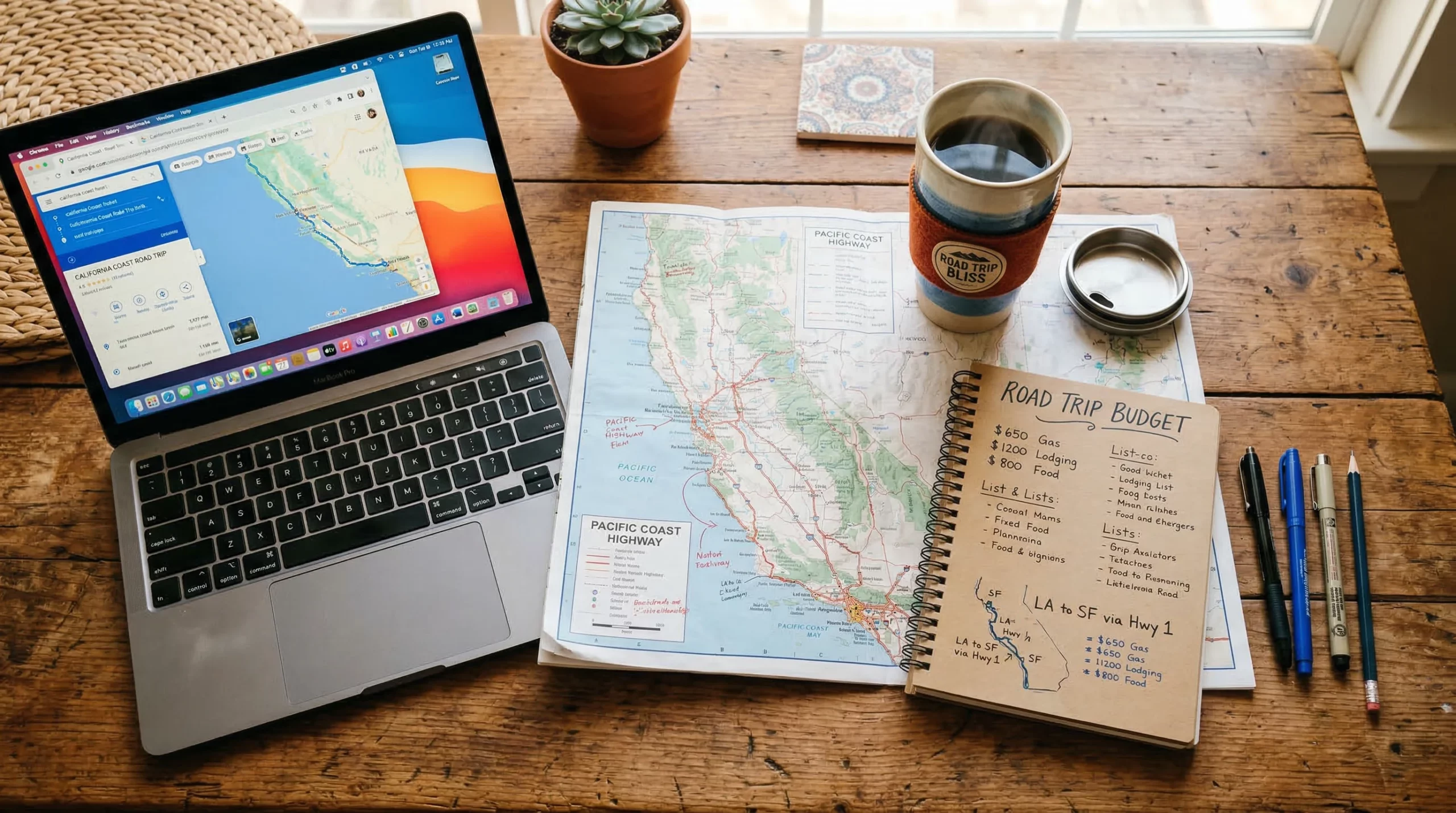
Deciding on the length of your trip and setting a total budget are really important first steps. I recommend making a basic Google Sheet or using a road trip budgeting app to track expected fuel, food, lodging, and entertainment costs. Try to set aside a small buffer for surprises. This approach saves a lot of stress when you’re actually out there. It also helps spot trouble spots in your plan before they can cause a problem on the road. Remember, even small savings each day add up to a lot over a week or more of travel.
Having the right gear can also make long drives more comfortable.
Keep Fuel Costs Down
Fuel is often one of the biggest expenses on a road trip, but a few strategies can help reduce costs. Driving a fuel-efficient vehicle, planning efficient routes, and using apps that compare gas prices can significantly lower fuel spending. Maintaining proper tire pressure and avoiding unnecessary detours also improves fuel efficiency.
Gas can eat up a big slice of your budget, so managing fuel expenses makes a huge difference. I always map the most efficient route with apps like Google Maps or Waze to avoid getting stuck in traffic. For fuel savings, try these strategies:
- Drive a fuel efficient car: Using a compact or hybrid car definitely stretches your fuel dollars further. If you own a gas guzzler, consider borrowing or renting something smaller.
- Use fuel price apps: Apps like GasBuddy are pretty handy for comparing prices along your route. Filling up a little before busy tourist spots usually snags a lower price.
- Stick to regular fuel: Premium fuel usually isn’t needed unless your vehicle manual specifically calls for it, so go with regular and pocket the difference.
According to AAA, fuel, food, and lodging typically make up the largest portion of road trip travel costs.
Also, keep an eye on your tire pressure throughout your trip. Properly inflated tires can make your car more fuel efficient, saving you even more at the pump.
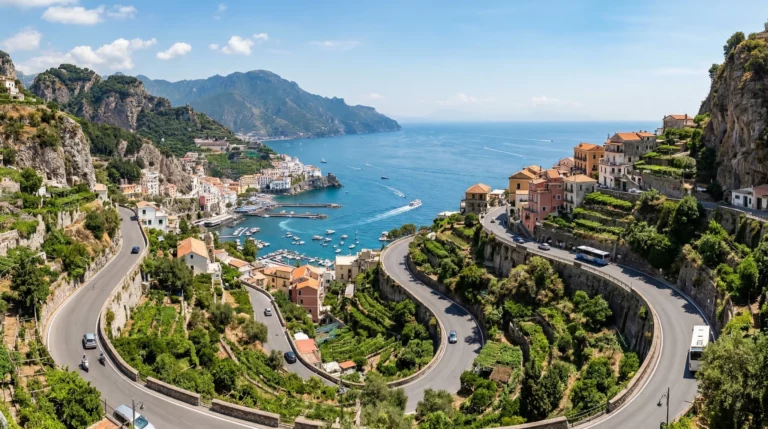
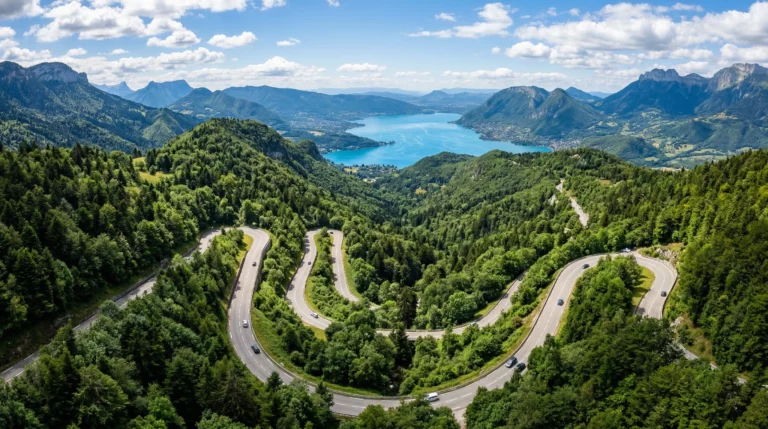
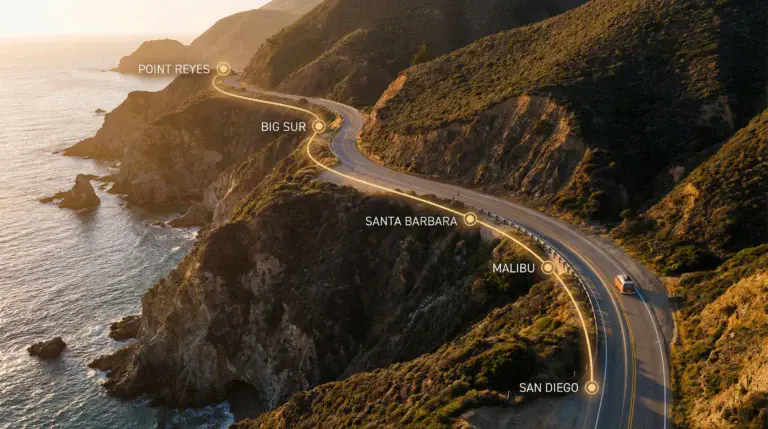
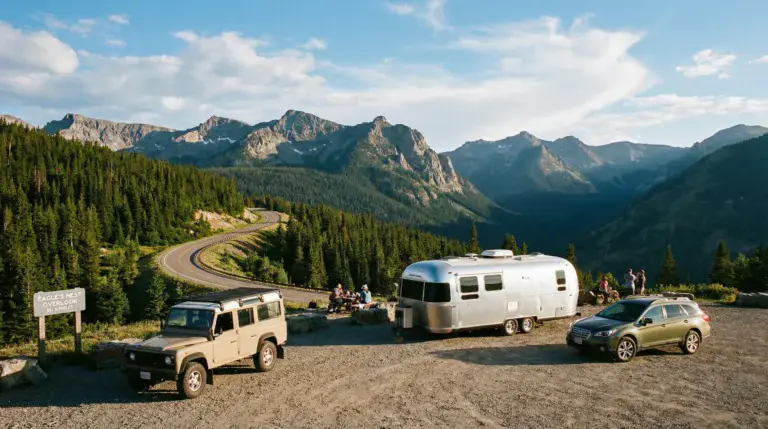
Planning your route carefully can help you discover scenic drives and hidden stops.
Pack Smart and Save on Food
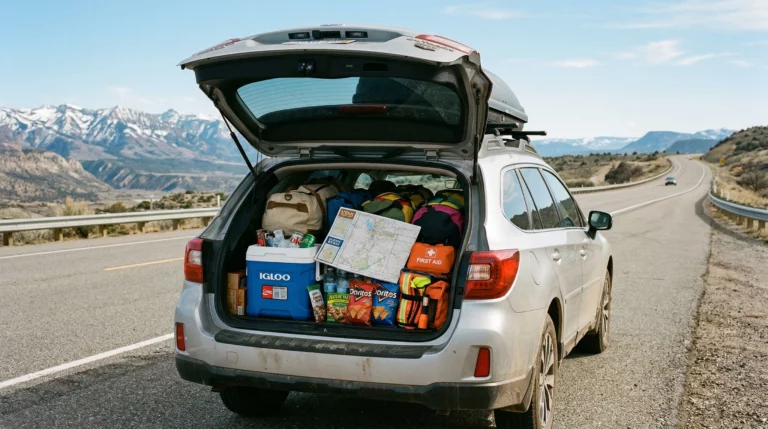
Packing food for a road trip can dramatically reduce daily travel expenses. Bringing a cooler with snacks, sandwiches, and drinks helps avoid frequent restaurant stops. Grocery stores and local markets are also great places to restock affordable meals along the way while keeping your travel budget under control.
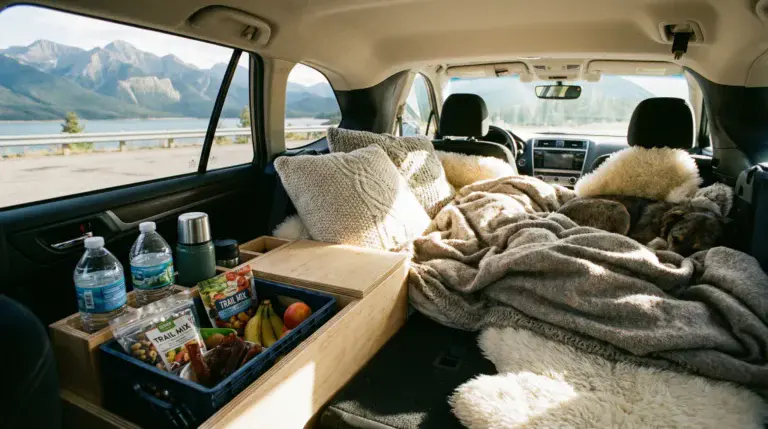
Eating out three times a day is one of the fastest ways to blow through your road trip savings. That’s why I always pack a cooler with sandwiches, snacks, easy salads, fruit, and a few fun treats. Not only does this save money, but you’ll also eat healthier and cut down on unplanned fast food stops.
For example, on one week-long road trip I packed a cooler with simple meals and snacks and ended up saving over $120 compared to eating out at restaurants every day.
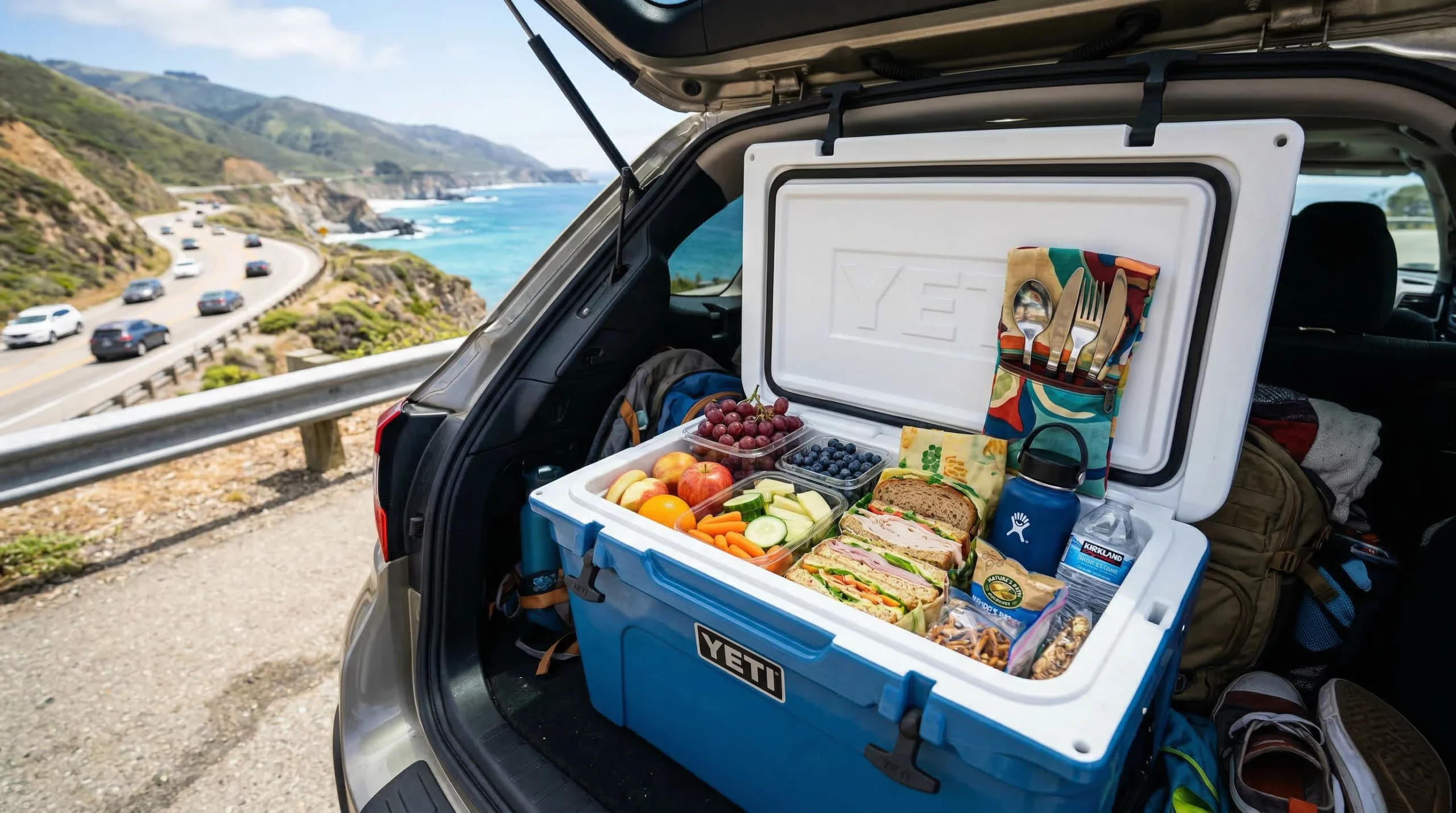
Stocking up at grocery stores before heading out or stopping by local markets along the way keeps food costs down. For coffee lovers, bringing a travel French press or instant coffee is way cheaper and faster than swinging by cafes every morning. When splurging on local eats, keep it to once a day or hunt for happy hour deals.
Throw in some reusable utensils and plates, and you’ll make cleanup a breeze at picnic stops or campgrounds. Planning a couple of simple cooked meals at your campsite or Airbnb can also give a boost to both your wallet and sense of adventure.
Scout Affordable and Free Places to Sleep
Accommodation costs can quickly add up during a road trip, but there are many affordable options available. Travelers can save money by camping in national forests, booking budget motels or hostels, staying with friends or family, or using apps that find discounted last-minute hotel deals.
Lodging doesn’t have to mean pricey hotels every night. This is one area where a bit of research really goes a long way. Here are some ways I cut down on sleeping costs while keeping things comfy:
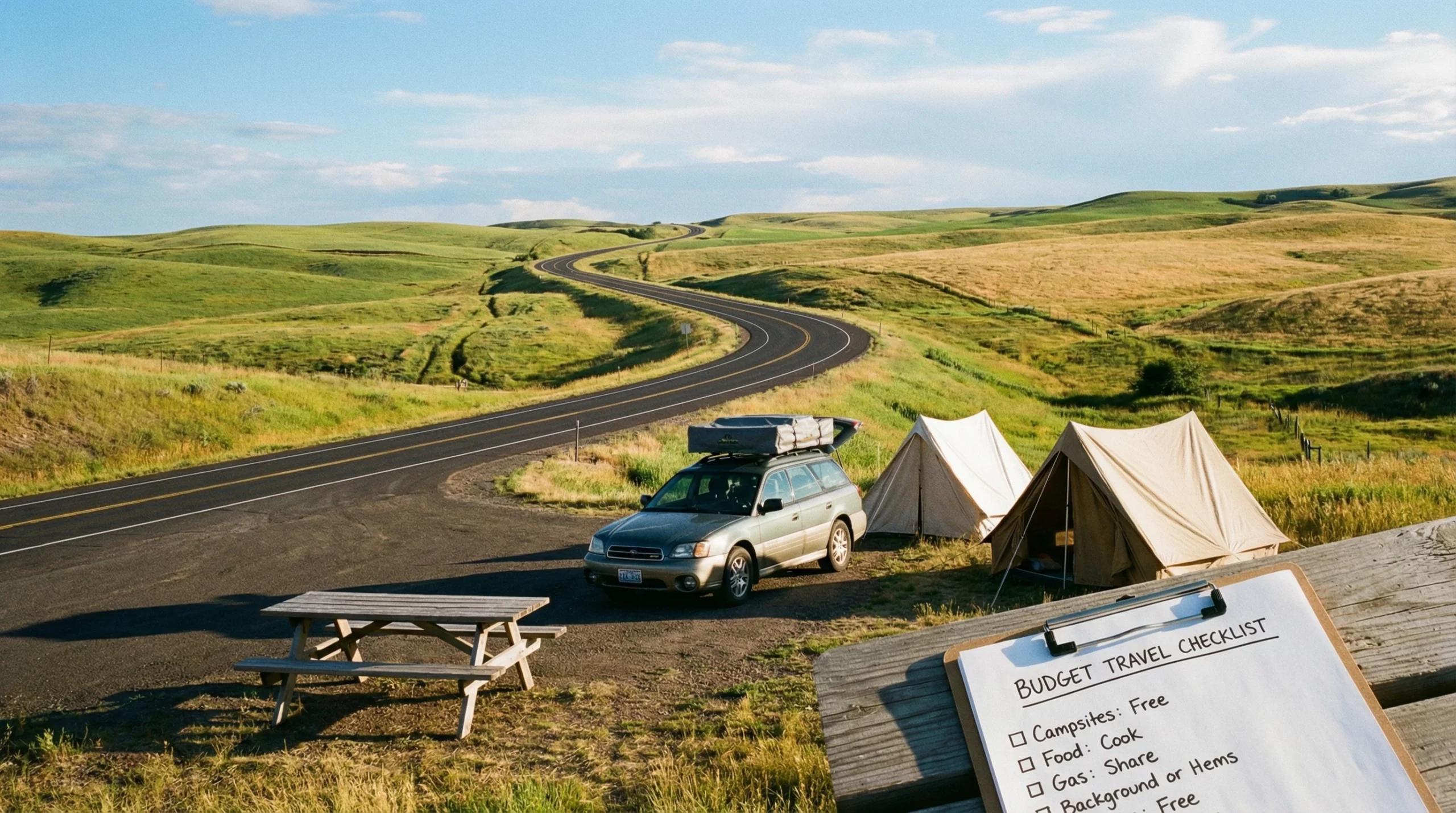
- Car camping and tent camping: National forests, some state parks, and even a handful of parking lots offer cheap or free overnight options if you’re equipped for camping.
- Budget motels and hostels: Booking ahead and checking sites like Hostelworld, Booking.com, and even local tourism boards can help you spot basic rooms under the radar of big hotel chains.
- Stay with friends or family: Don’t be shy about reaching out to folks you know along the way. Couch surfing or crashing with friends makes memories and saves a ton.
- Look for coupons or last minutedeals: Apps like HotelTonight and Hotwire specialize in discounted last minute bookings.
Another tip is to check for free camping on national forest land. Many spots allow dispersed camping at no charge, just make sure to follow local regulations and practice Leave No Trace. If you’re comfortable in your car, sometimes a quick overnight at a 24-hour retailer is allowed, just check local rules, ask if possible, and remain considerate during your stay.
Plan Fun That’s Wallet Friendly
Road trips don’t need expensive attractions to be enjoyable. Many memorable experiences are completely free or low cost, such as hiking trails, exploring small towns, visiting local markets, or attending community events. Planning outdoor activities and free attractions helps travelers keep their trip fun without overspending.
There’s a surprising amount of cool stuff to do on the road that barely costs a thing. I often check out visitor centers, city parks, free museums, and self guided walking tours. Local festivals, farmers markets, and community events are worth checking out and often free or super cheap.
Free or budget-friendly activities on a road trip include:
- hiking scenic trails
- visiting local farmers markets
- exploring small towns
- swimming at public lakes
- attending community festivals
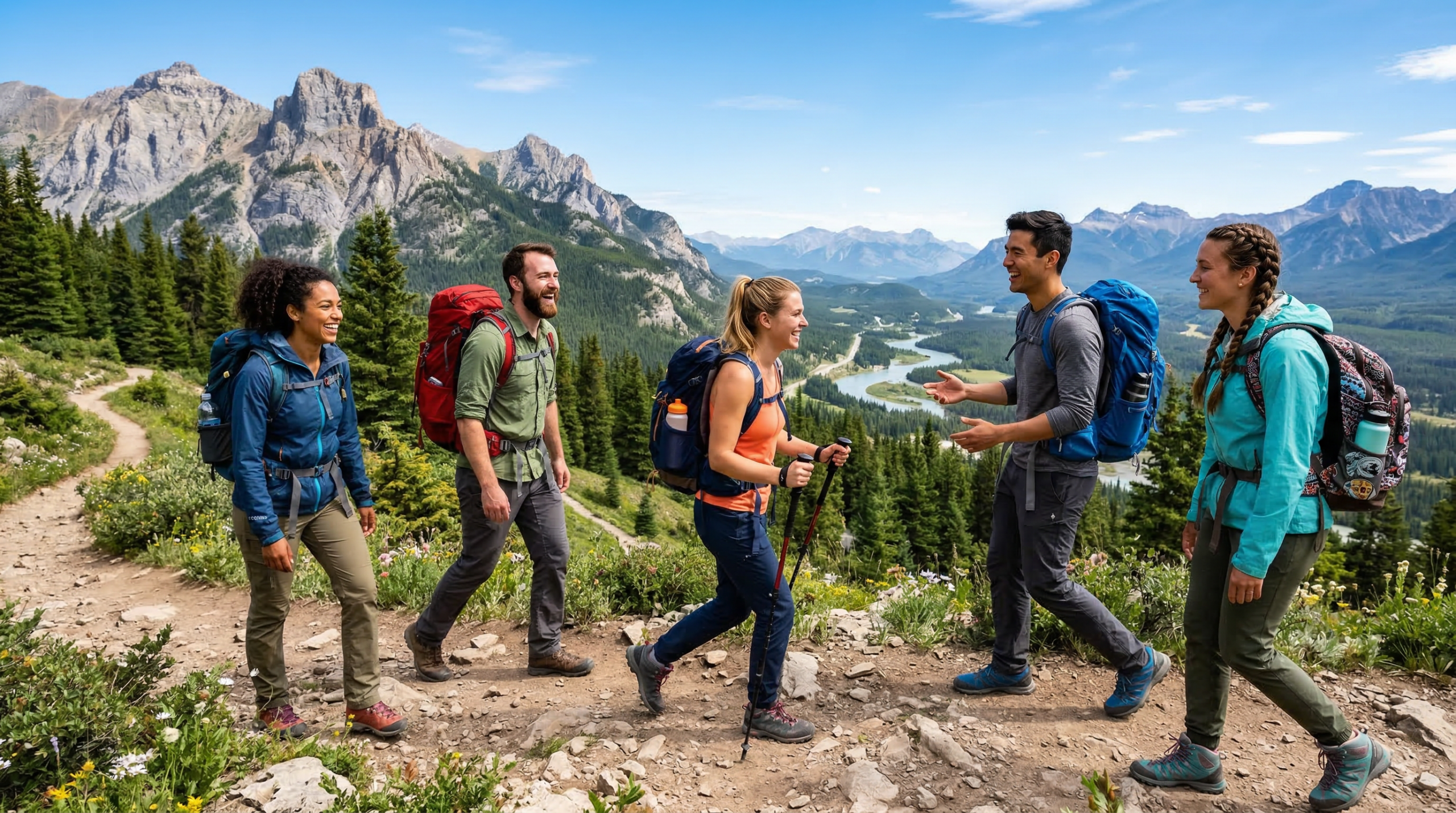
Outdoor activities are gold here: swimming at a public lake, hiking, wildlife viewing, beach combing, or just exploring quirky small towns can kick up the fun factor big time without spending much at all. If you’re a student or have memberships (like AAA or your local zoo or museum), use those discounts as widely as you can. Entry fees can really stack up otherwise.
Don’t forget to look for park and nature center programs that may offer free guided hikes, night sky events, or history talks. Lots of small towns host classic movie nights or music in the park. These experiences often make for the best stories later on your adventure.
Do a Quick Car Check Before You Hit the Road
Preparing your vehicle before a road trip can prevent costly problems during travel. Checking tire pressure, oil levels, coolant, and brakes ensures your car is ready for long distances. Packing a basic emergency kit with water, tools, and jumper cables can also help handle minor issues safely on the road.
Vehicle trouble is a headache no one needs mid-trip, and repairs on the road can add up fast. I always do a basic check of my ride before leaving, trust me, it’s worth the 20 minutes. Here’s what I make sure to do:
- Check tire pressure, including the spare, oil level, and coolant.
- Make sure you’ve got working wipers, all fluids topped off, and brakes that feel good.
- Pack an emergency kit with a flashlight, jumper cables, snacks, reusable water bottles, and a blanket.
If you’re heading somewhere remote, bringing a small jug of water, a can of tire inflator, and a basic toolkit is a pretty wise move. Small issues like flat tires or dead batteries are easy to handle with a bit of prep, and that’s a lot less stressful than waiting for roadside help to find you in the middle of nowhere.
A quick car detail or cleaning session before you set out also sets the tone for a more pleasant ride. And remember, listening for odd noises now can help you catch problems before they get real expensive.
Deals, Discounts, and Helpful Apps
Travel apps can help road trippers find cheaper fuel, accommodations, and activities along their route. Apps that track gas prices, highlight scenic stops, or locate free camping can save money and improve the travel experience. Using loyalty programs and local deal websites can also uncover additional discounts.
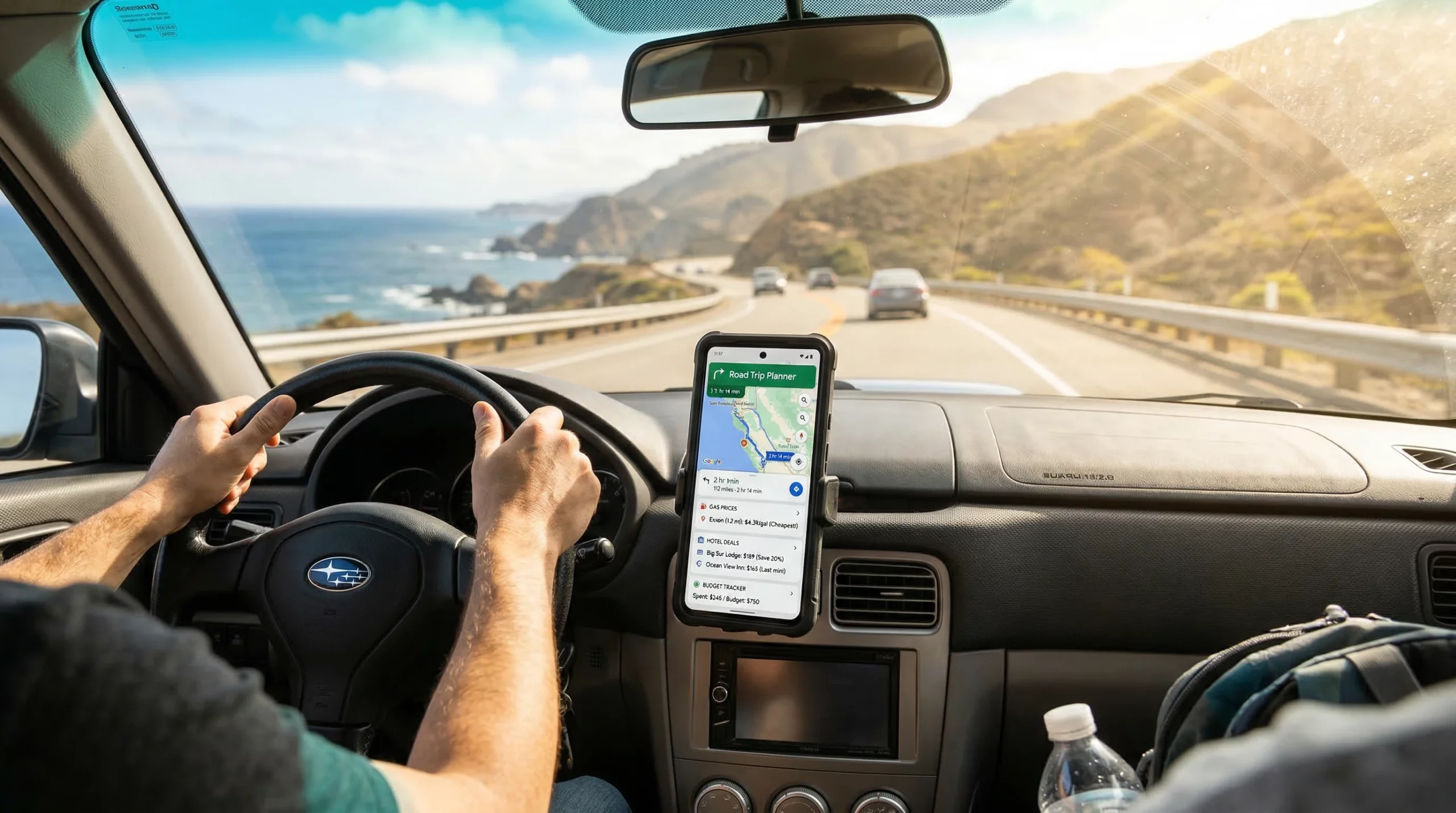
Apps can be your secret weapon for a budget road trip. I lean on a mix of travel, map, and deal apps to make sure I’m not missing cool stops or easy ways to save cash. Some of my regular go-to’s include:
- GasBuddy, Upside: Best for saving on gas and finding stations with amenities.
- Roadtrippers: Plots scenic and worthwhile off the beaten path stops right from your route.
- AllTrails and iOverlander: Find free/cheap camping, great hikes, and places locals recommend but don’t always advertise online.
- Groupon, Yelp Deals, city tourism sites: Great for scoring discounted activities or meals in towns you visit.
- Weather and traffic apps: Stay ahead of bad weather or gridlock, both can mean extra costs if you don’t pivot fast.
Loyalty points and reward programs from gas stations, convenience stores, and hotel chains can also shave off a few bucks here and there. A little effort goes a long way. You could also check your credit card for additional travel perks or insurance benefits that might save you even more.
Pitfalls to Watch For And How to Avoid Them
Even well-planned road trips can run into small challenges that increase costs. Overpacking can reduce fuel efficiency, while underestimating driving time may lead to unnecessary spending. Travelers can avoid these issues by packing light, planning realistic travel times, and keeping a small emergency fund.
Even solid plans don’t always guarantee smooth sailing, so it’s good to keep an eye out for common pitfalls. Here’s what I try to remember on the road:
- Overpacking: Extra weight in the car drags down gas mileage and can make packing/unpacking a pain. Stick to what you need plus small luxuries.
- Underestimating drive times: Always leave wiggle room for getting lost or distracted by something that grabs your attention. Slow down, enjoy the detours.
- Ignoring bookings during busy times: If you’re traveling during a holiday or festival, snagging a campsite or affordable motel ahead of time can make all the difference.
- Bank fees and out of network ATMs: Bring some cash, and pick an online bank or free ATM network so you’re not paying for your own money at every stop.
- Missing out on local guides: Don’t overlook free local maps and guides you can pick up at visitor centers, they often have coupons and up-to-date info about community events.
Frequently Asked Questions
How do I decide on the best route for a budget trip?
I look for scenic byways or lesser used highways instead of major interstates. They often have less traffic, better scenery, and more free or low cost attractions along the way. Planning these routes ahead of time with apps can help you catch hidden gems and avoid expensive tourist traps.
Should I book accommodations ahead or wing it?
I usually book campsites and popular stops ahead if they’re likely to fill up, but otherwise I mix pre-booked budget rooms with a few flexible nights for road surprises. Sometimes leaving space for spontaneity leads to the best finds and stories.
How much should I put aside for emergencies?
I like to stash an extra $100–$150 in cash or a prepaid card, just in case of car trouble, sudden fees, or a splurge that can’t wait. It’s peace of mind if things go sideways. Also remember to keep your roadside assistance info handy, either through your insurer or through a service like AAA.
Budget Doesn’t Mean Boring
Traveling on a budget doesn’t mean sacrificing great experiences. With smart planning, affordable accommodations, simple food strategies, and a flexible mindset, road trips can be one of the most exciting and cost-effective ways to travel.
Planning a budget-friendly road trip isn’t about pinching every penny until it hurts. It’s simply about choosing where to spend, and where to save, so you get the best possible experience, memories, and stories for your buck. These simple budget road trip tips can help you travel farther without spending more.
For me, the real highlights are always the small moments: early morning coffee at a quiet lake, pulling off for a last-minute hike, stumbling upon an old school diner at dusk. This way of traveling keeps things spontaneous and stress free, and honestly, it almost always ends up being more fun than trips where I spend double the cash.
Ready to get behind the wheel? Organize your trip, stash those snacks, fill the tank, and chase the freedom that comes with the open road, even when you’re keeping it thrifty.
Happy travels!

Bella Hartwell
I’m Bella Hartwell, and I help travelers turn simple drives into unforgettable road trip adventures.
The best kind of freedom starts on the open road.